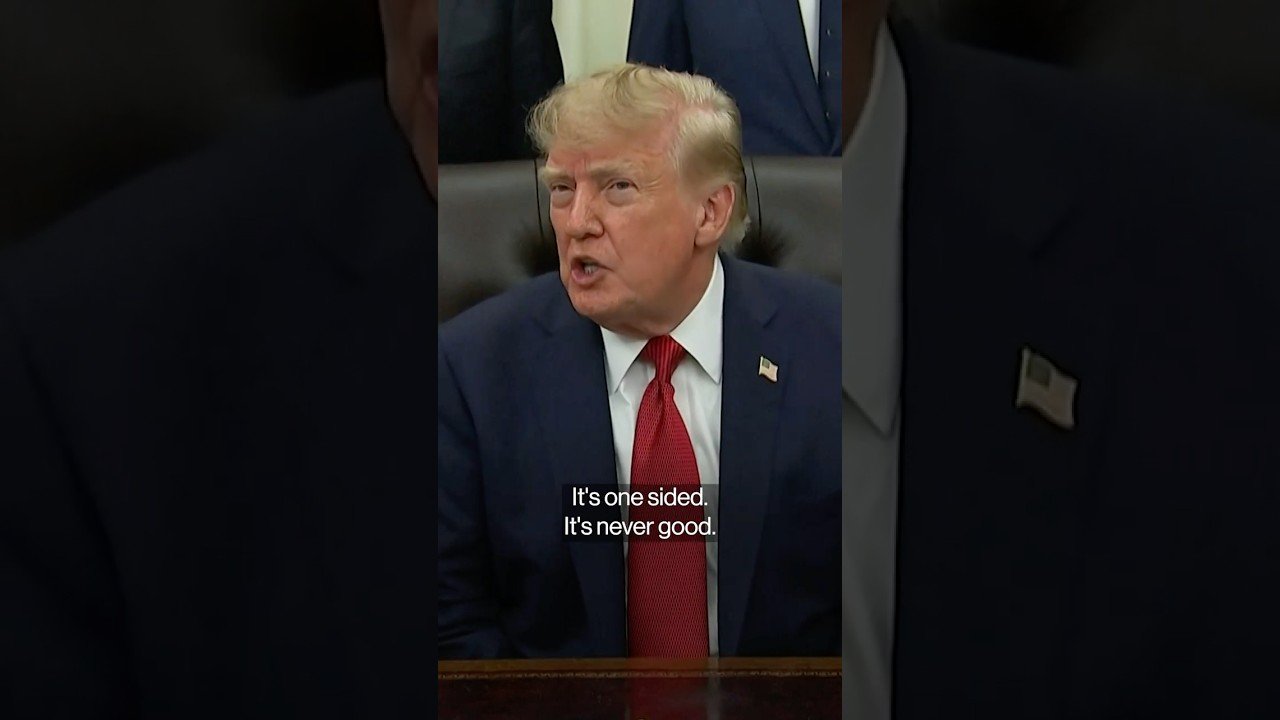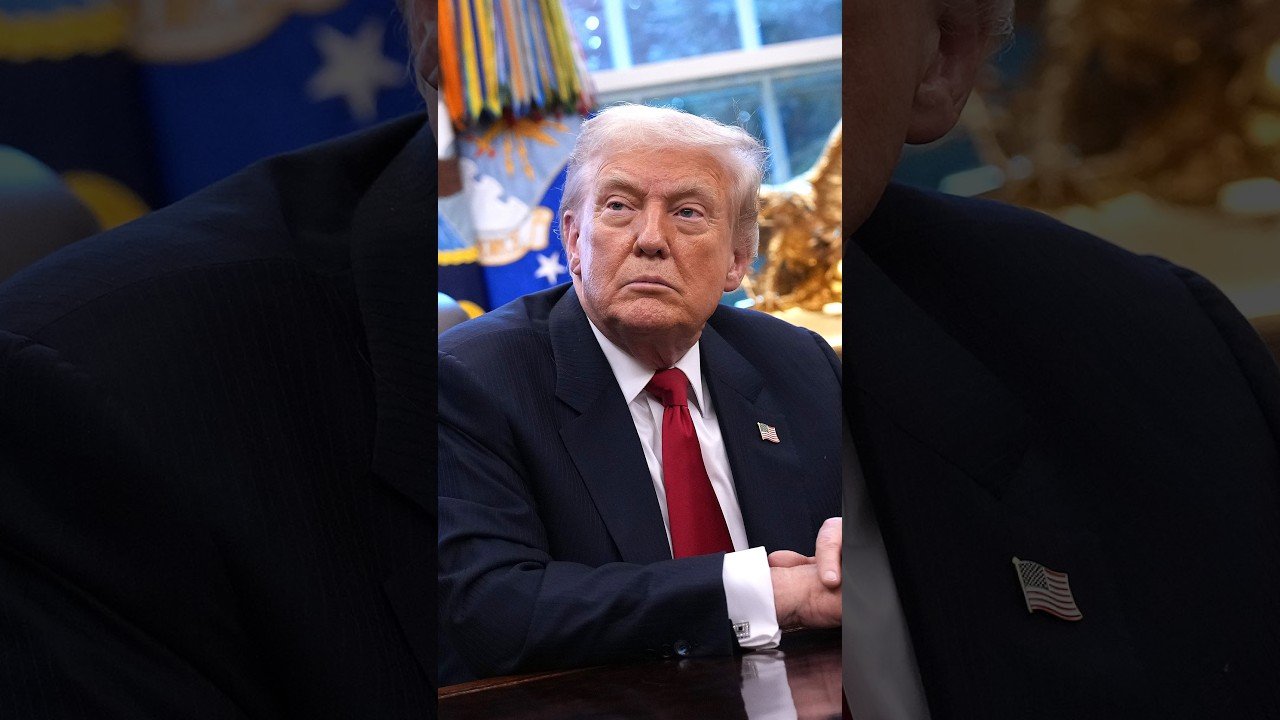







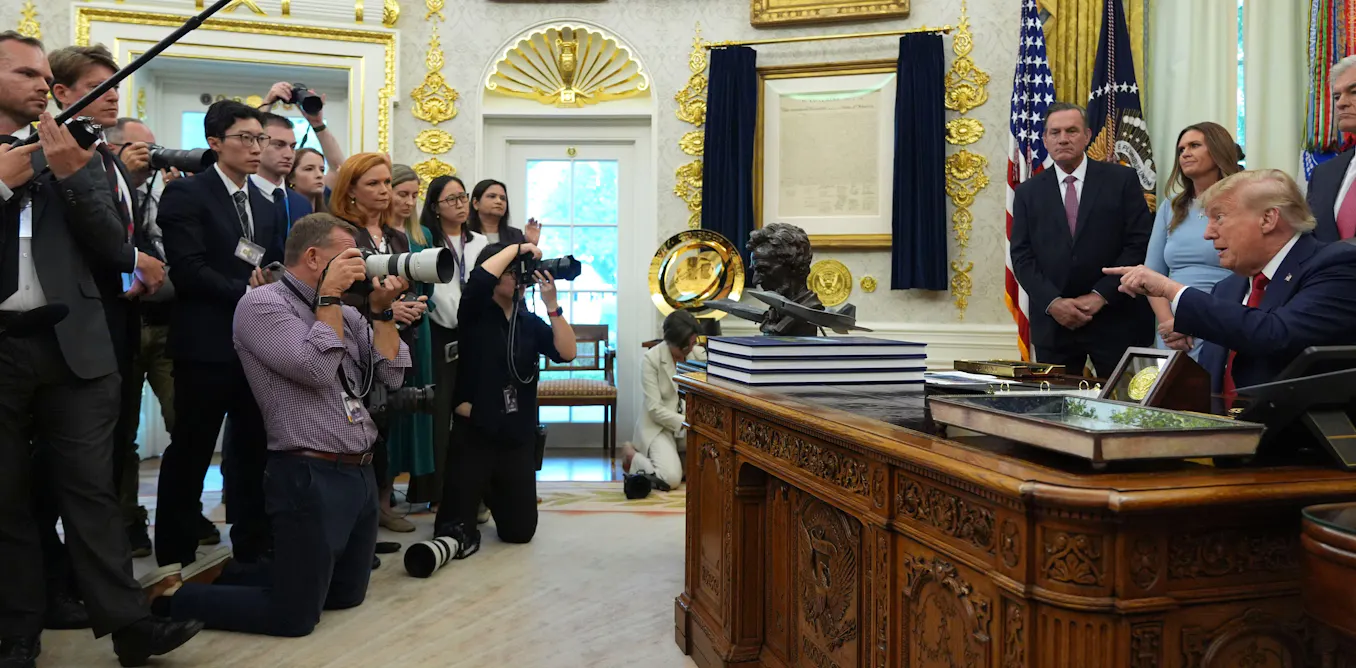
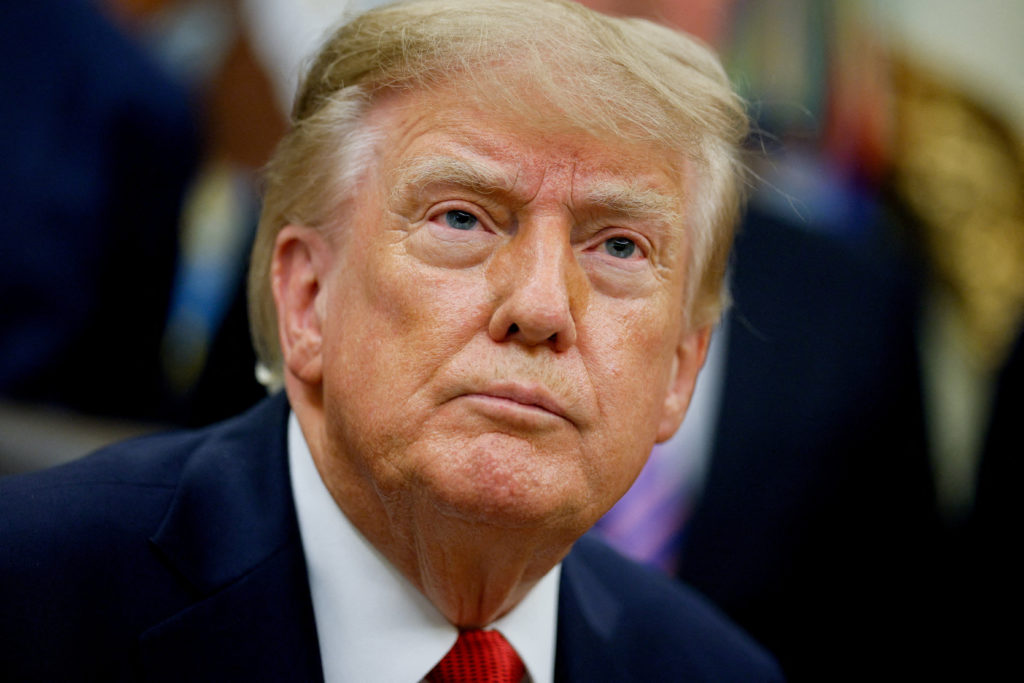
President Donald Trump has barred CNN, Politico and MS NOW from White House grounds, triggering a federal lawsuit, a boycott of presidential video coverage by major TV networks, and a widening constitutional clash over press access and retaliation for critical reporting.
The Ban: How It Unfolded
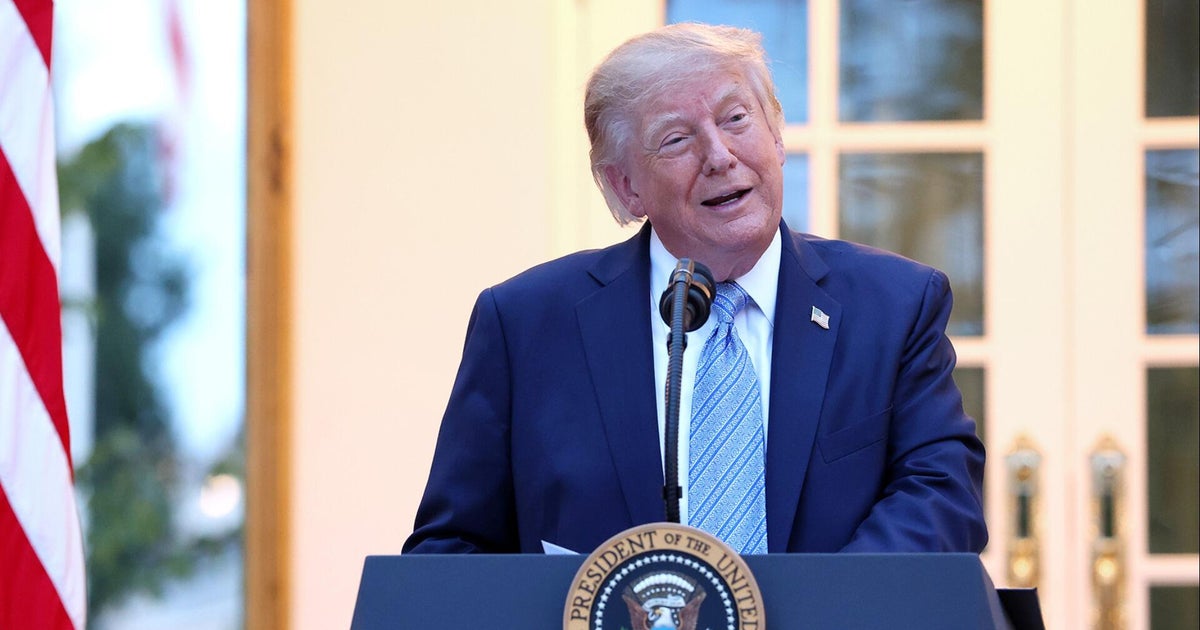
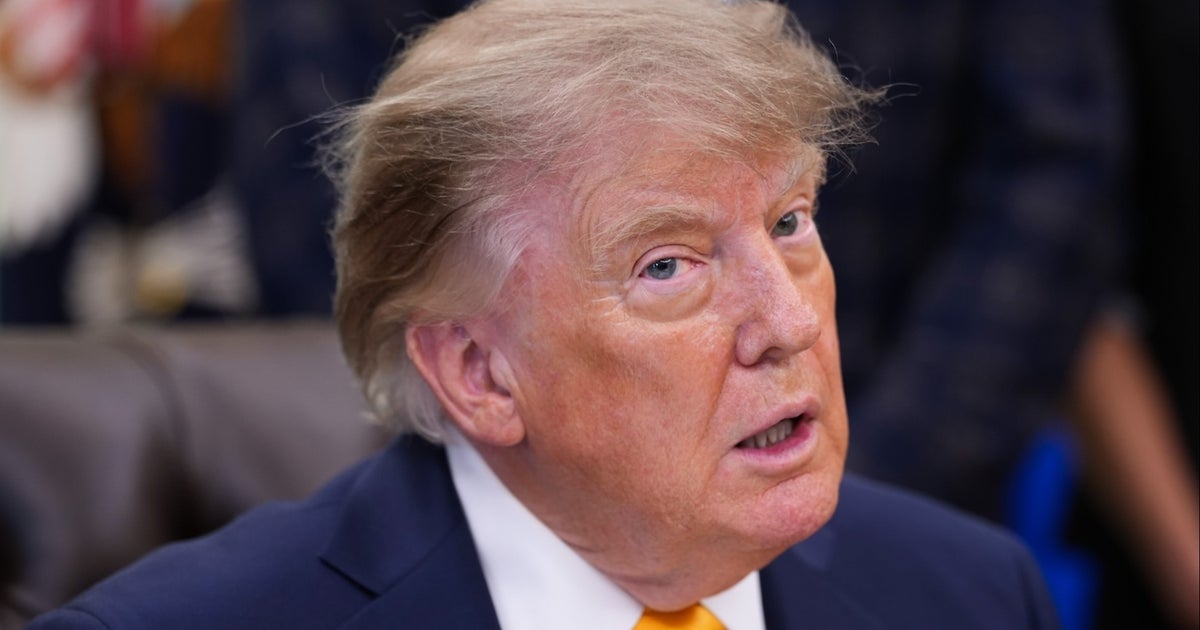
On Friday, September 18, 2026, Trump announced on Truth Social that he was expelling the three news organisations “effective immediately,” accusing them of publishing “FAKE NEWS.”
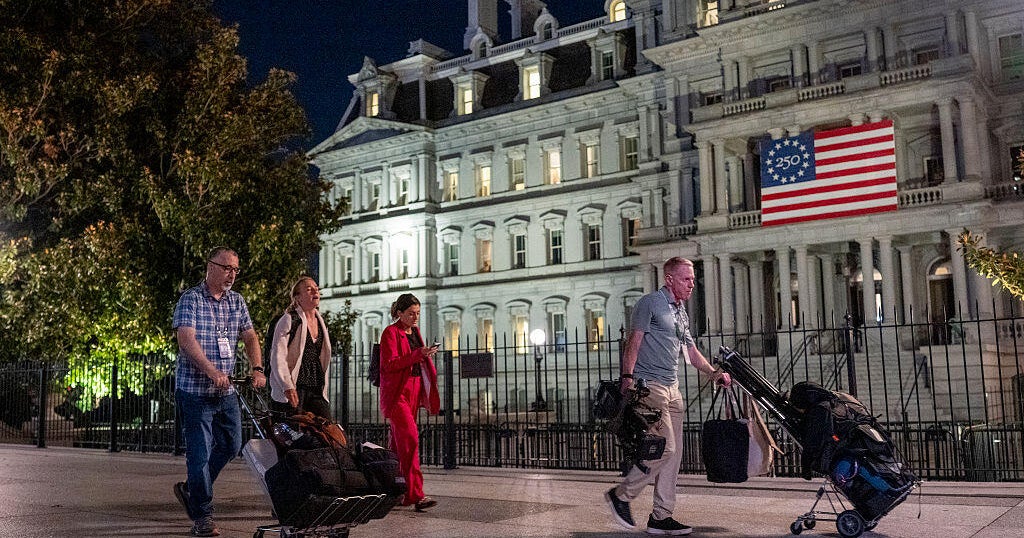
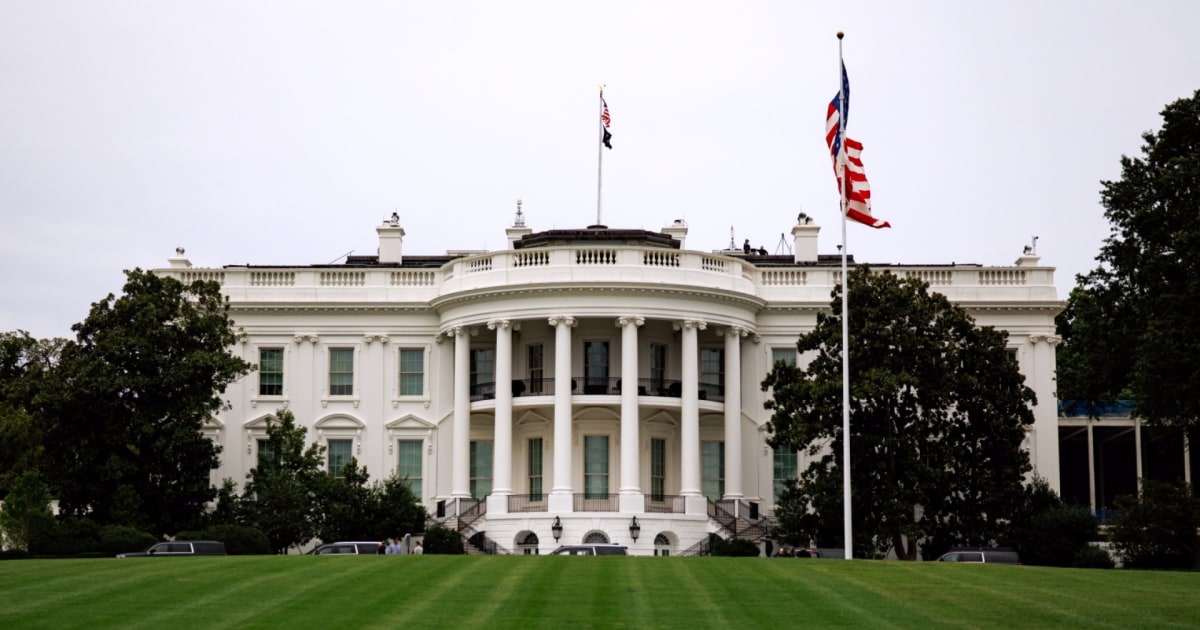
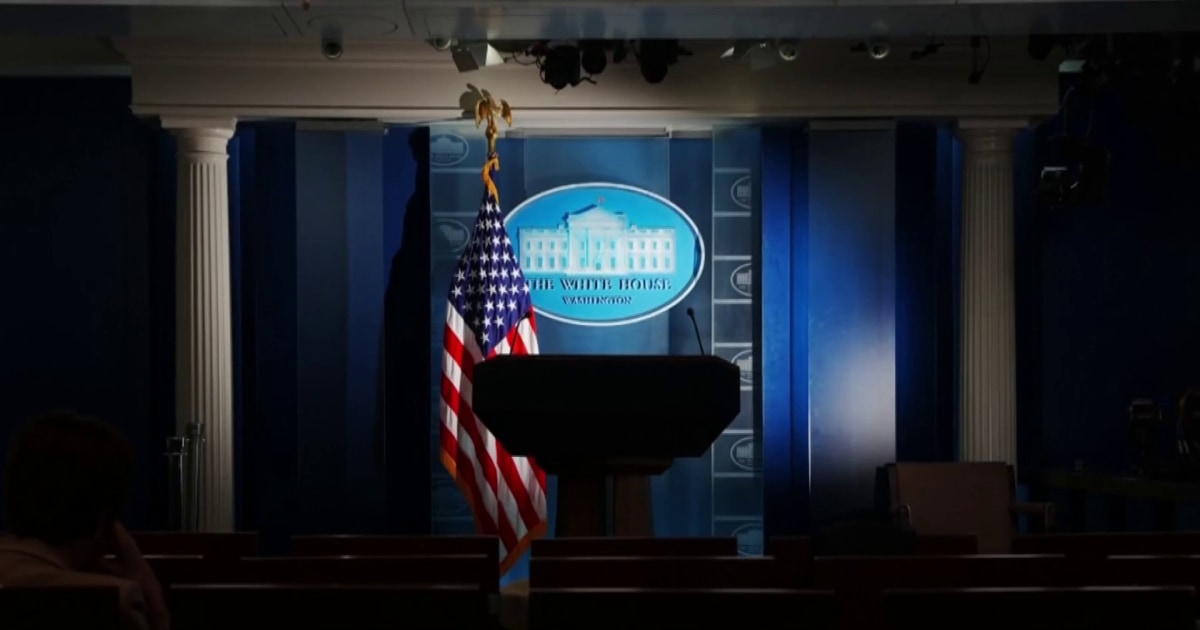
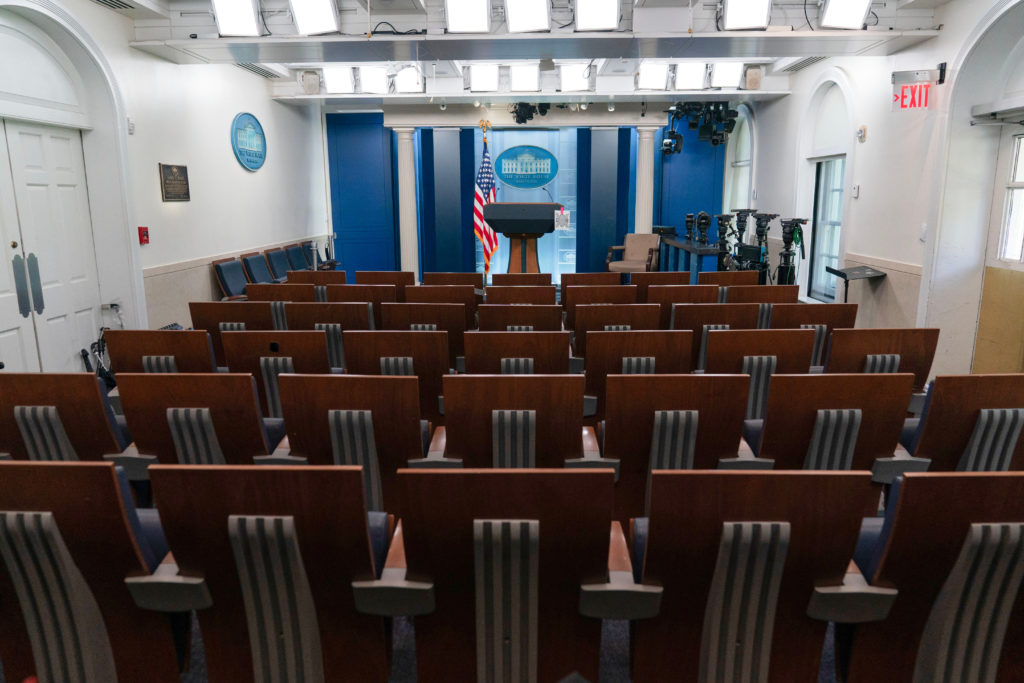
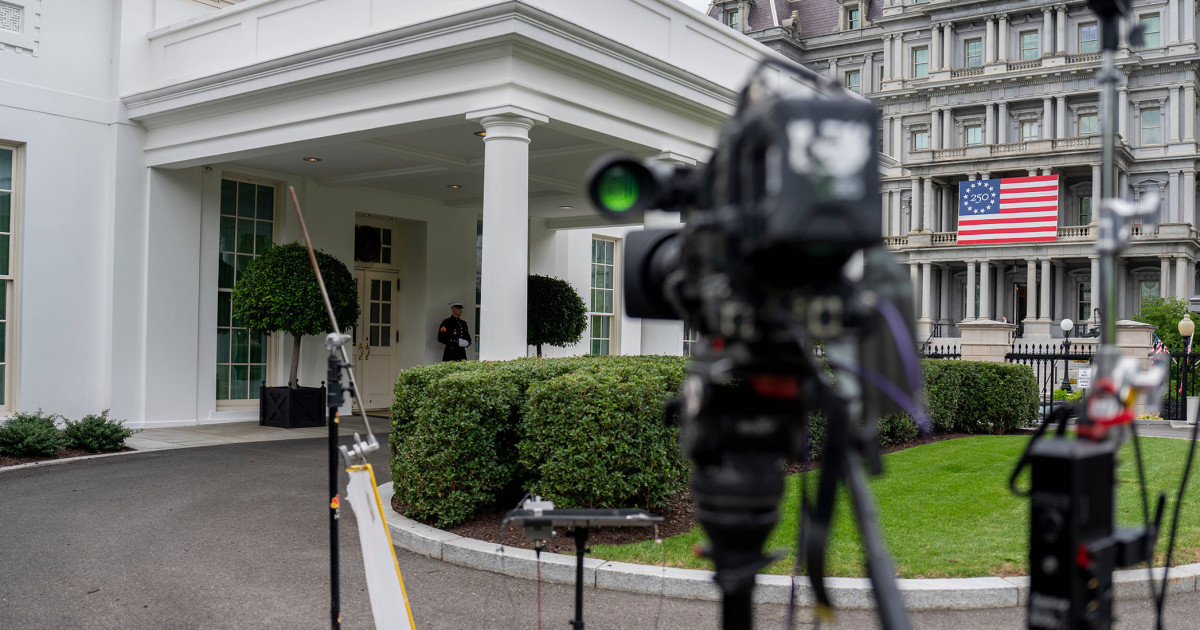
Over the weekend, Secret Service officers deactivated the outlets’ White House press passes and denied entry to their journalists, effectively locking them out of the press pool and on-site reporting areas.
In the same announcement, Trump warned that other major outlets — explicitly naming The New York Times and The Washington Post — could face similar treatment.
Lawsuit: First and Fifth Amendment Claims
On Monday, September 21, CNN, MS NOW and Politico filed a joint complaint in the U.S. District Court for the District of Columbia, seeking a temporary restraining order to restore their reporters’ access. The filing, assigned to Judge Timothy Kelly (a Trump appointee), alleges that the ban violates —
- First Amendment rights: by punishing the outlets for the content of their coverage and discriminating against them based on viewpoint.
- Fifth Amendment due process and property interests: by revoking credentials and access without notice or a meaningful opportunity to contest the decision.
In a joint statement, the three organisations said they were acting “to protect our First Amendment rights and defend the principle that the government does not decide what the press reports or publishes.”
The complaint argues the Constitution “does not allow a president or any other government official to deprive the press of their First Amendment rights and liberty and property interests with no notice or process based solely on his dislike of the content of their reporting.”
Industry Backlash: TV Networks Halt Pool Coverage
In a show of solidarity, major U.S. television networks suspended their shared rotating video pool coverage of the president — the standard feed used by broadcasters for White House events and travel.
The move immediately constrained the administration’s ability to distribute routine presidential video to the broader media ecosystem and signalled deep industry concern over selective access.
White House response and “Trump TV”
The White House pushed back, asserting on its website that press access is “a privilege — not a right,” a framing that legal advocates say ignores longstanding court precedents protecting against viewpoint-based exclusions from government-controlled press areas.
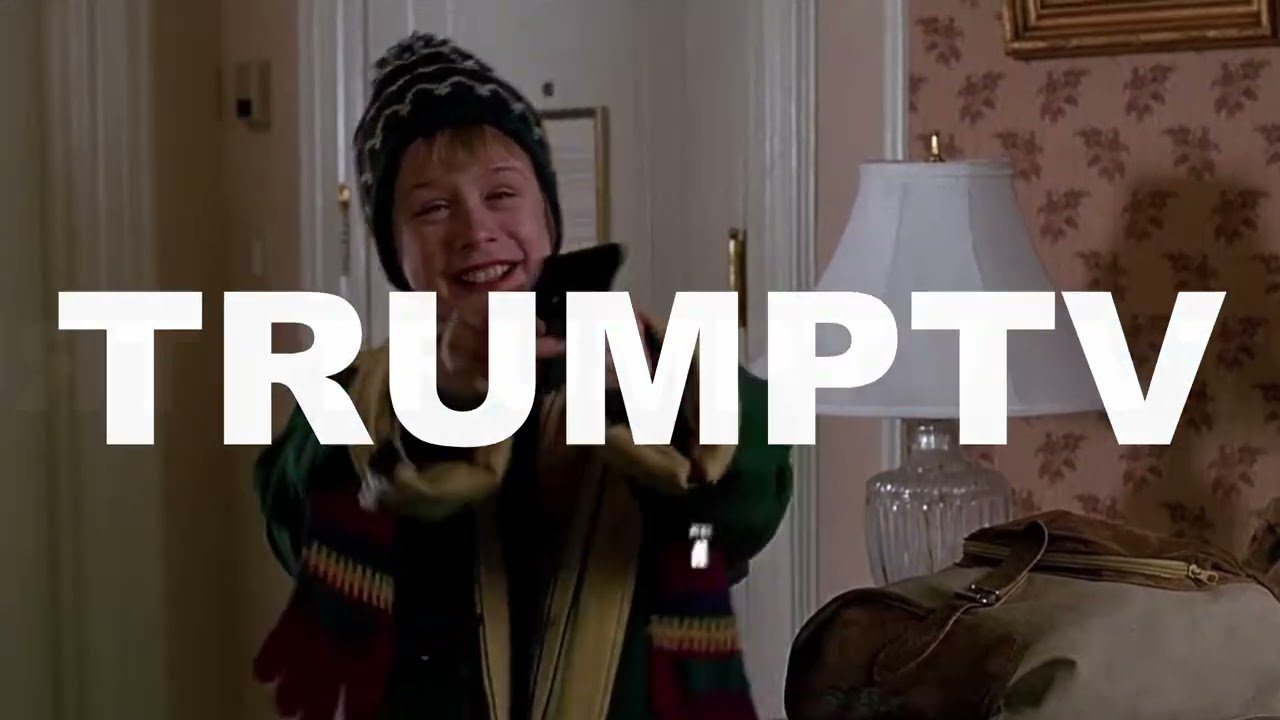
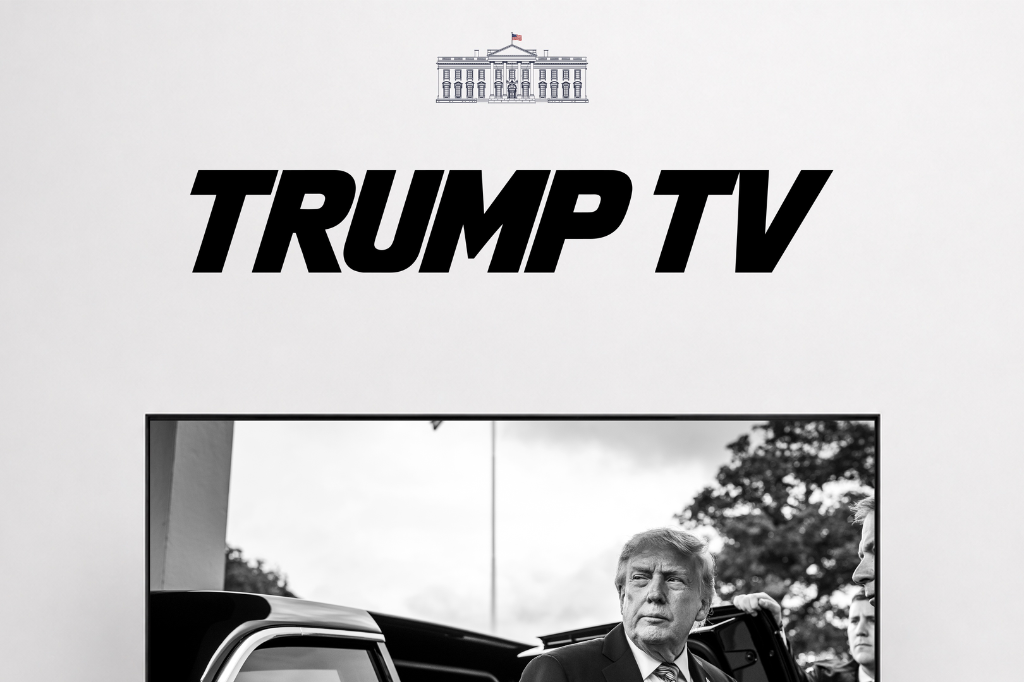
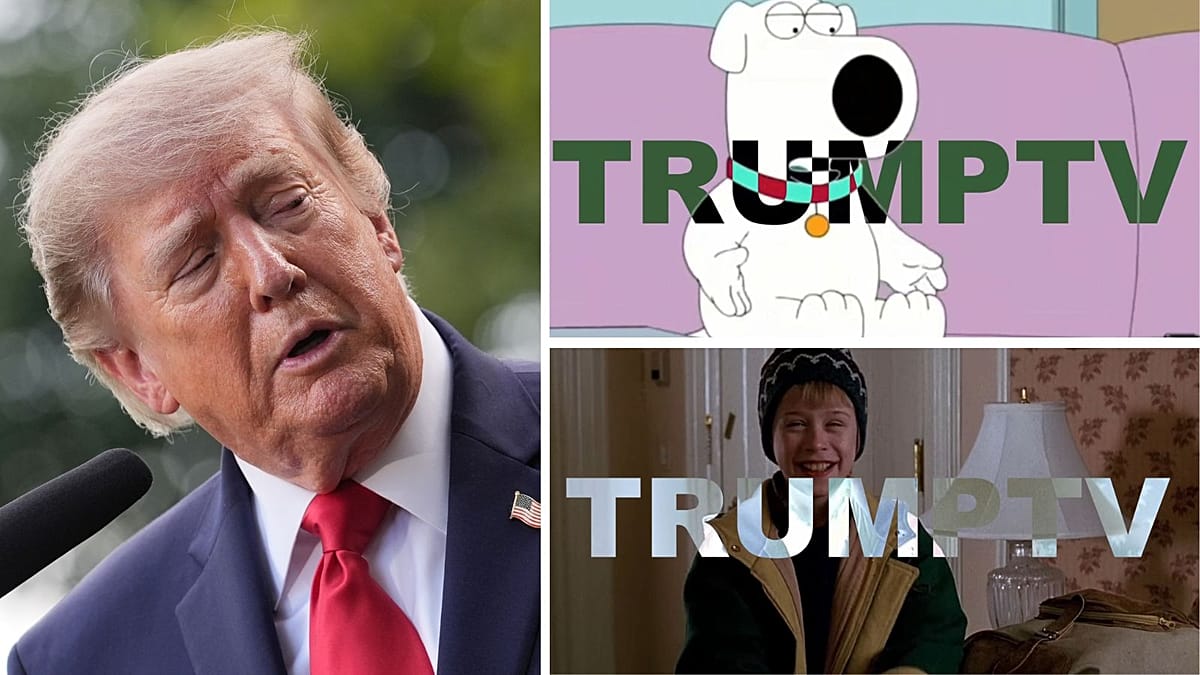
Following the networks’ boycott, the administration launched its own streaming channel, dubbed Trump TV, to broadcast the president’s activities directly to the public, bypassing traditional pool feeds and editorial gatekeepers.
Mamdani: “All of the Press” will be present
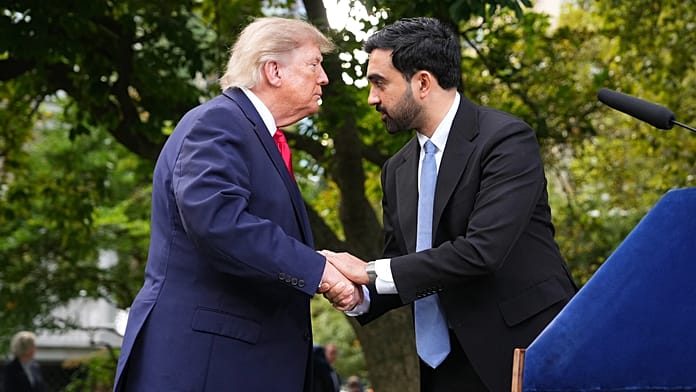
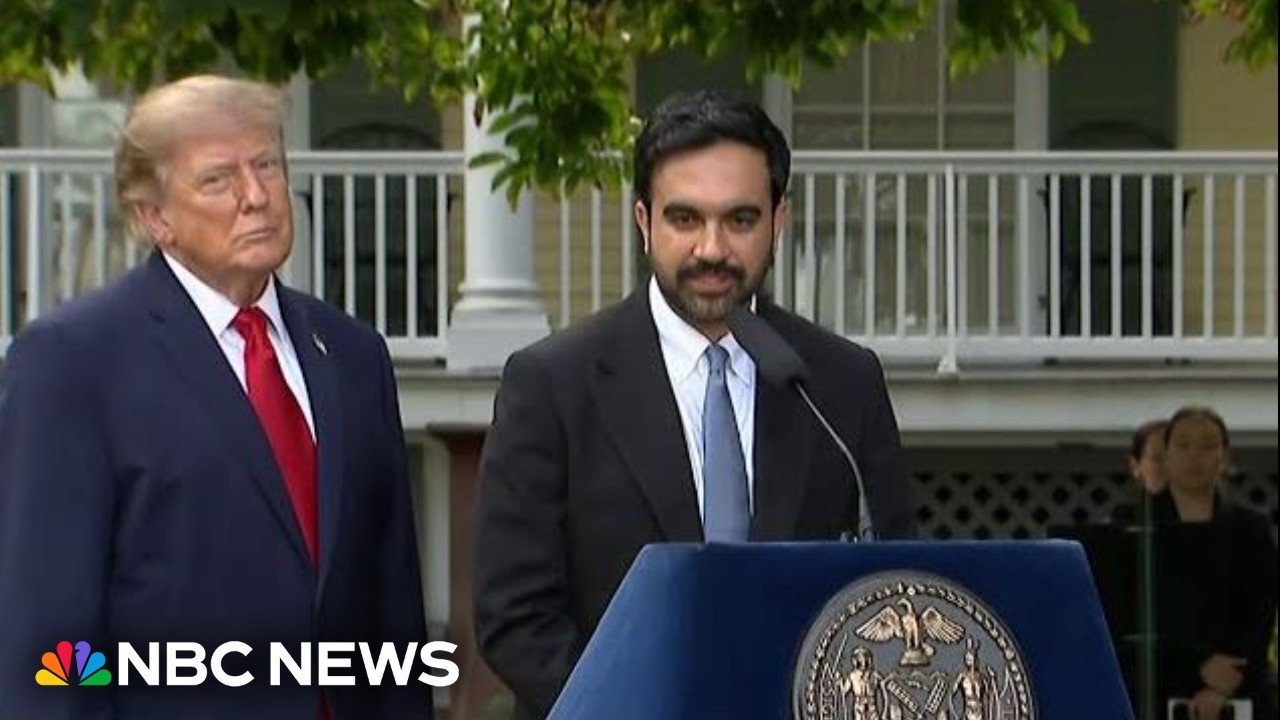
At their Monday, September 21, 2026 meeting in New York — held at Gracie Mansion ahead of the UN General Assembly — New York City Mayor Zohran Mamdani was asked whether he confronted President Donald Trump over the ban on CNN, MS NOW and Politico.
Mamdani said he told Trump he would ensure “all of the members of the press” would be present on the lawn for the event, framing it as a matter of principle.
I told the president that we’re going to have all of the members of the press here on the lawn, and that is something that I believe in.
New York City Mayor Zohran Mamdani
Reports describe the overall meeting as unexpectedly cordial despite sharp policy differences, with housing, affordability and federal funding among the topics discussed.
In other words: there was no dramatic public showdown, but Mamdani signalled support for full press access and made clear he intended to include all media at the associated events.
Why this matters: Precedent and Press access
While the White House complex is not a public forum in the same way as a park or sidewalk, courts have repeatedly held that the government cannot exclude journalists from official press areas for retaliatory or viewpoint-based reasons.
Legal experts note that prior attempts by administrations to ban specific reporters or outlets have been struck down when tied to criticism of the president, because such actions chill newsgathering and distort the information available to the public.
The WHCA and constitutional lawyers have condemned the ban as an unconstitutional effort to censor critical coverage, warning that allowing a president to pick and choose which outlets may report from the White House sets a dangerous precedent for future administrations.
What’s next in court
The plaintiffs are asking the court to issue emergency relief — a temporary restraining order — to reinstate their credentials while the case proceeds. A hearing was scheduled for Wednesday, September 23, 2026, where a judge will weigh the government’s control over access against the outlets’ claims of retaliation and due-process violations.
The outcome could reshape how future presidents manage press access, and whether the executive branch can lawfully exclude entire organisations from White House grounds based on the tone or substance of their reporting.