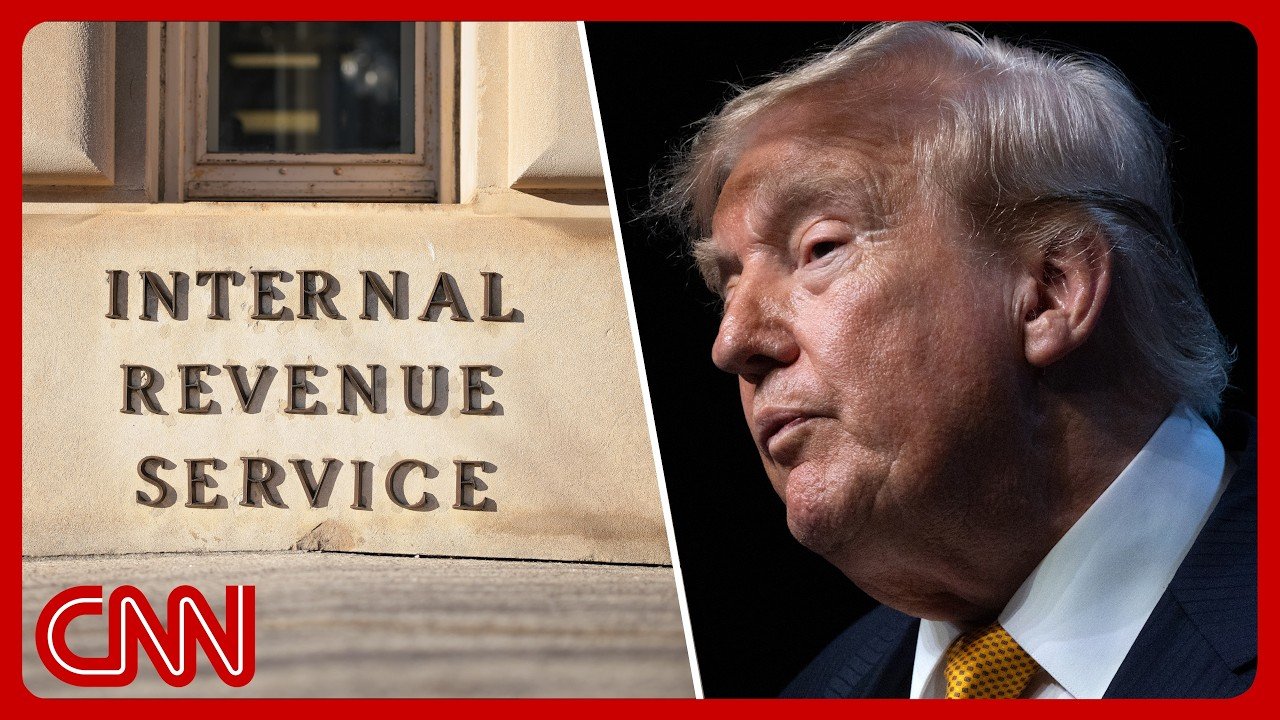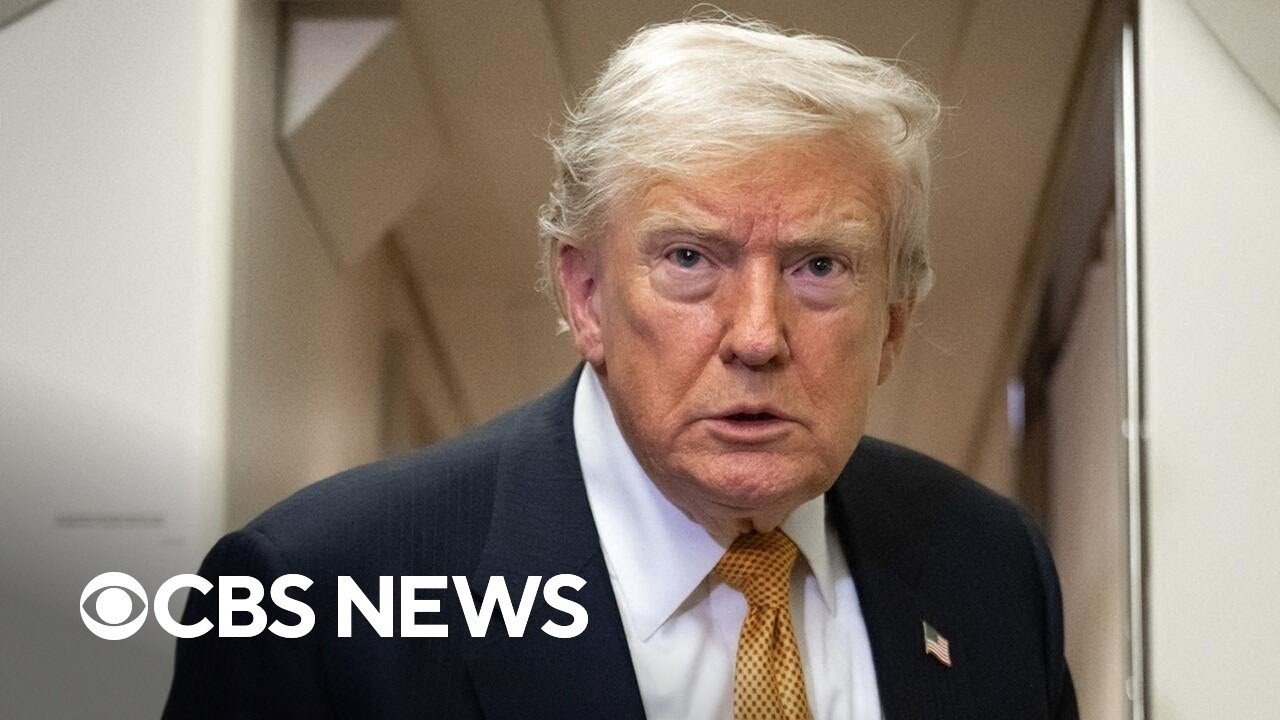



A federal judge in Miami has voided President Donald Trump’s settlement with the Internal Revenue Service, ruling that the lawsuit was filed for an improper purpose and did not present a genuine legal dispute. Judge Kathleen Williams also referred attorneys involved in the deal for possible discipline.
The ruling strips the settlement of legal effect and rejects the idea that it could stand as a valid resolution of the case. Williams said the proceeding was not a real adversarial contest and described it as a misuse of the court system.
Williams found that Trump effectively controlled both sides of the litigation, making the case collusive rather than adversarial. The judge said the lawsuit was used to pursue personal benefit, including tax protection and other advantages, instead of resolving an authentic legal controversy.
Key elements of the ruling
- Lack of Adverseness: Judge Williams determined that because Trump currently oversees the federal agencies he was suing, there was no genuine legal controversy or opposing parties as required by the US Constitution.
- Improper Self-Dealing: The court described the lawsuit as an attempt to leverage a judicial proceeding to obtain personal benefits, including tax protection and taxpayer funds.
- Bar on Citations: The 56-page order explicitly bars Trump, his adult sons, and the Trump Organization from citing or referring to any terms of the settlement in future legal or regulatory proceedings.
The voided settlement terms
The legal dispute originated in January 2026 when Trump filed a personal $10billion lawsuit against the IRS over the unauthorized leak of his tax returns by a former contractor.
The May 2026 settlement reached between Trump’s private lawyers and his administration’s Department of Justice (DOJ) included:
- Sweeping Audit Protection:
- A memo signed by Acting Attorney General Todd Blanche that sought to “forever bar and preclude” the government from executing tax audits or investigations against Trump, his family, and his businesses.
- Judge Williams noted this provision directly contravenes federal law prohibiting executive branch influence over taxpayer audits.
- The “Anti-Weaponization” Fund:
- The initial creation of a $1.8billion government fund intended to compensate individuals claiming government targeting.
- Though the administration had already backed away from this fund following intense bipartisan pushback from Congress, the court order officially strips the deal of legal effect.
Professional sanctions and referrals
Finding that the litigation constituted an abuse of the court system, Judge Williams issued formal disciplinary referrals for the involved attorneys:
- Alejandro Brito: Trump’s private lawyer was referred to the Florida State Bar for potential disciplinary action.
- Todd Blanche & Stanley Woodward: The order was sent to bar associations in New York and Washington, D.C., to review the conduct of the Acting Attorney General and Associate Attorney General.
- Court Appearances: Another Trump attorney was barred from appearing in Williams’ South Florida federal court for a period of one year.
A spokesperson for Trump’s private legal team criticized the ruling as partisan, defending the original lawsuit as a necessary measure to hold the government accountable for the illegal leaking of private tax records.
Why it matters
The ruling is significant because it tests the limits of what a sitting president can seek through litigation involving agencies under his own control. It also underscores how closely federal courts can scrutinize settlements that appear to blur the line between public power and private benefit.