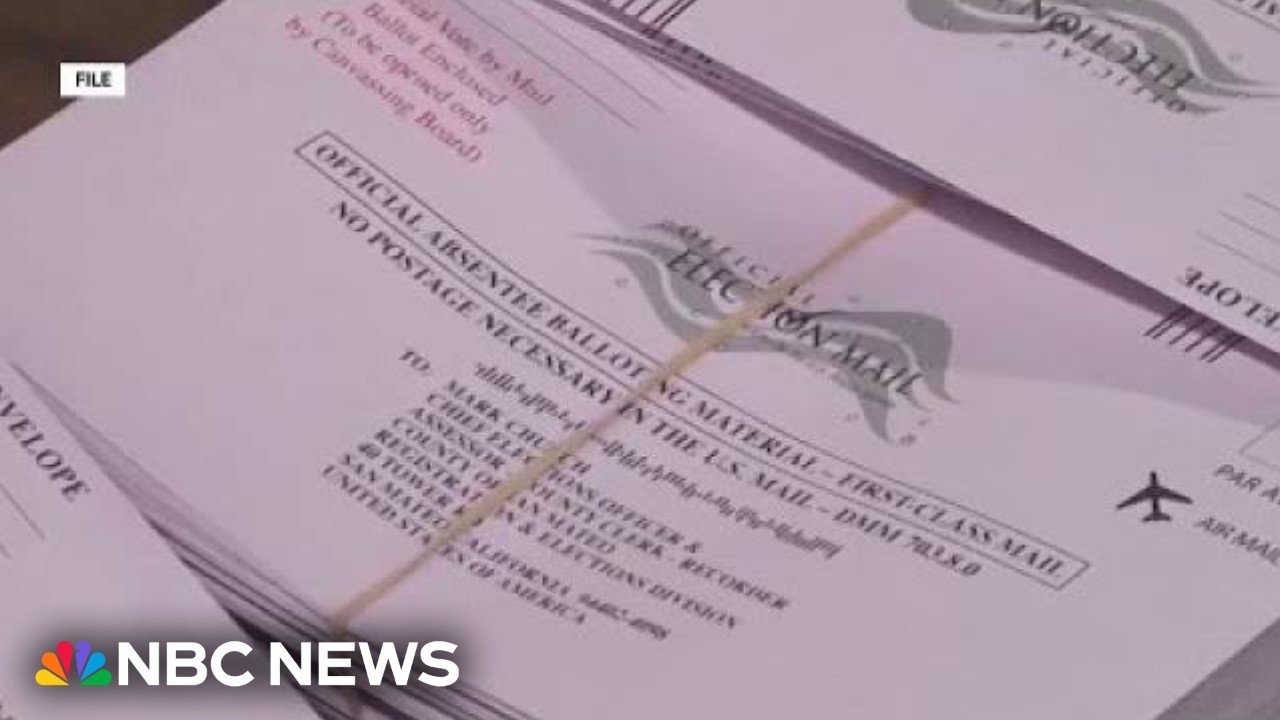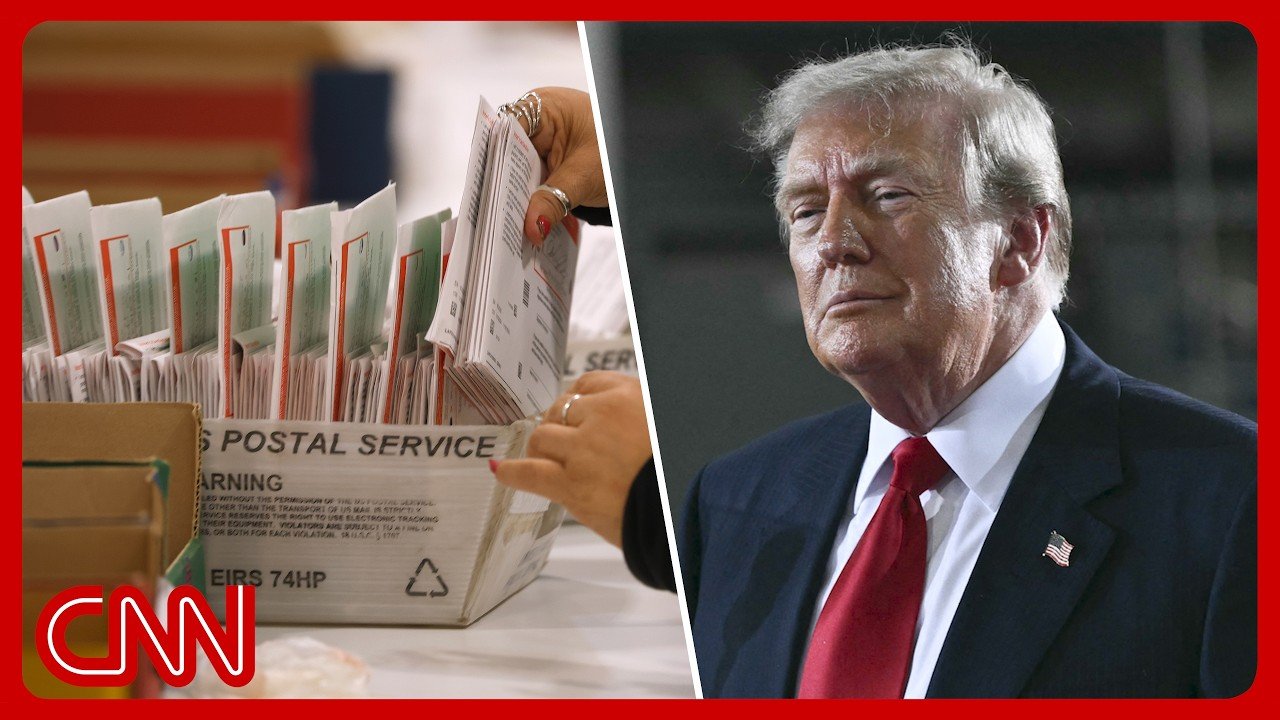




The Trump administration has asked the US Supreme Court to let it enforce a sweeping executive order tightening mail-in voting rules before the November midterm elections, after federal courts blocked the plan in 23 states and Washington, D.C.
The emergency appeal sets up a fast-moving fight over whether the White House can use federal agencies and the Postal Service to reshape how states handle ballot delivery in federal elections.
Filed by US Solicitor General D. John Sauer on Monday, July 27, the appeal seeks to lift rulings that stopped enforcement of the March 31 executive order, titled “Ensuring Citizenship Verification and Integrity in Federal Elections”.
The administration argues the restrictions need to be in place by mid-August to have any effect on the November contests, warning that delays could permanently undermine election integrity.
What the order would do
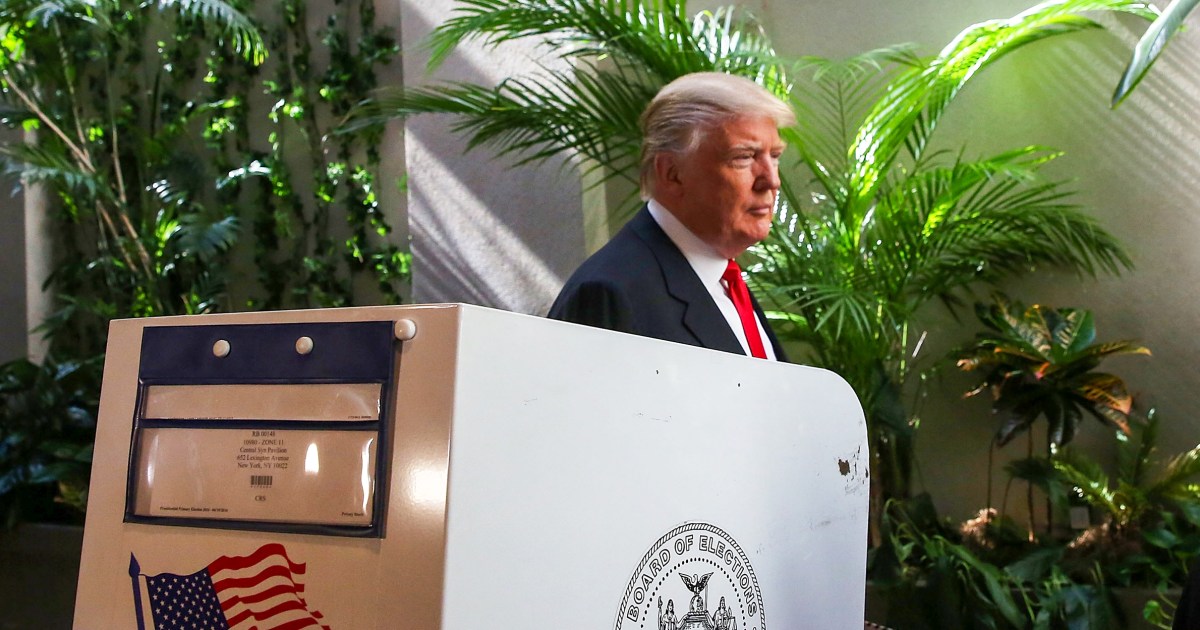
At the center of the dispute is a directive ordering the Department of Homeland Security and the Social Security Administration to help build state-by-state federal citizenship lists. Under the plan, mail ballots would be delivered only to voters appearing on those approved lists, and the Postal Service would be asked to align ballot handling with the new federal verification system.
The administration says the approach is aimed at preventing ballots from being sent to ineligible voters and standardizing procedures across states. Critics, including the states that sued, say the plan would inject the federal government into a core state function and could wrongly exclude eligible voters if the underlying databases contain errors.
Courts have blocked it
A federal judge in Boston first concluded in June that key parts of the order were unconstitutional and barred enforcement in the states challenging it. Last week, the Boston-based 1st US Circuit Court of Appeals upheld that injunction in a 2-1 decision, saying the government’s plan would impose “unprecedented levels of involvement” by federal officials in how states administer elections.
The appeals court also said allowing the order to take effect before the midterms would “sow confusion and threaten disenfranchisement of many eligible voters.” The Supreme Court has now asked the states challenging the order to file a response by August 3.
The SAVE America Act
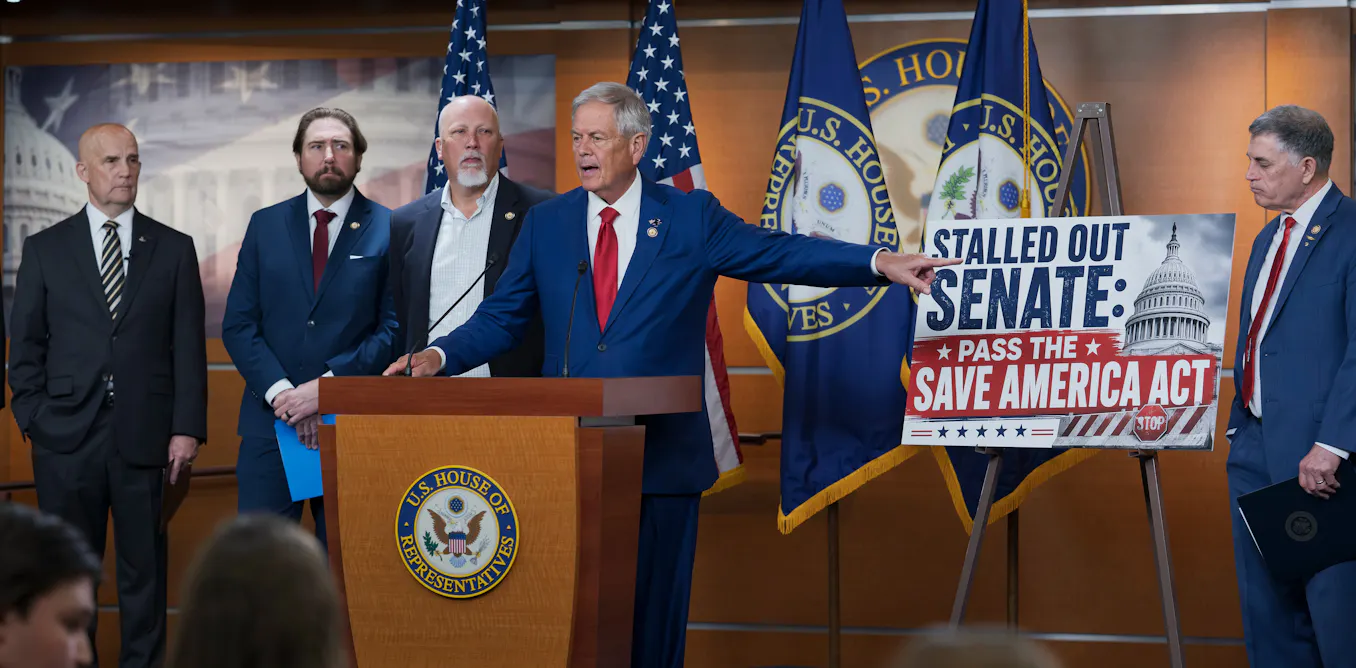
The Supreme Court fight comes as Trump continues to press Congress to pass the SAVE America Act, a separate but related elections bill that would impose a nationwide proof-of-citizenship requirement for voter registration, require photo identification to vote, and sharply curtail mail voting. The measure has passed the House but faces steep odds in the Senate, where Republicans do not have the 60 votes needed to advance it over Democratic opposition.
Trump has signed executive order on March 31, 2026, called “Ensuring Citizenship Verification and Integrity in Federal Elections”. It directs federal agencies to create state-by-state lists of verified US citizens and tells the Postal Service to restrict mail-in ballot delivery to voters on those lists.
The executive order and the SAVE America Act are part of the same political project, but they operate differently. The order tries to move immediately through federal agencies and the Postal Service, while the bill would change election rules through Congress if it ever became law.
Broader voting fight
The emergency petition lands amid a broader push by Trump to tighten election rules, including proof-of-citizenship requirements and limits on mail voting. In a separate development, the Supreme Court recently left intact post-Election Day grace periods for mailed ballots in Mississippi, a ruling that preserved similar rules in 29 states.
That earlier decision did not address executive authority over ballot distribution, but it underscored how divided the legal landscape remains heading into the 2026 midterms. For now, the Trump administration is asking the justices to intervene quickly enough to make the order operational before ballots go out this fall.