

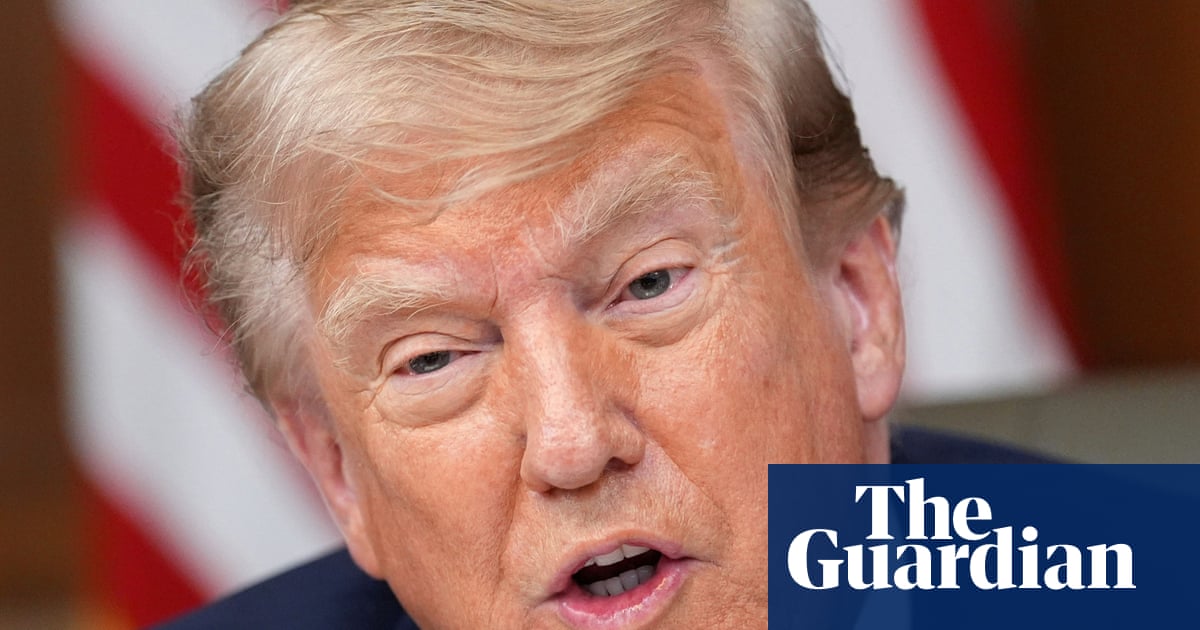






President Donald Trump broke with his usual pro-business rhetoric publicly rebuking ExxonMobil and Chevron for what he called excessive profits earned during the Iran conflict — and demanding they cut pump prices and “give some of that back to the public”.
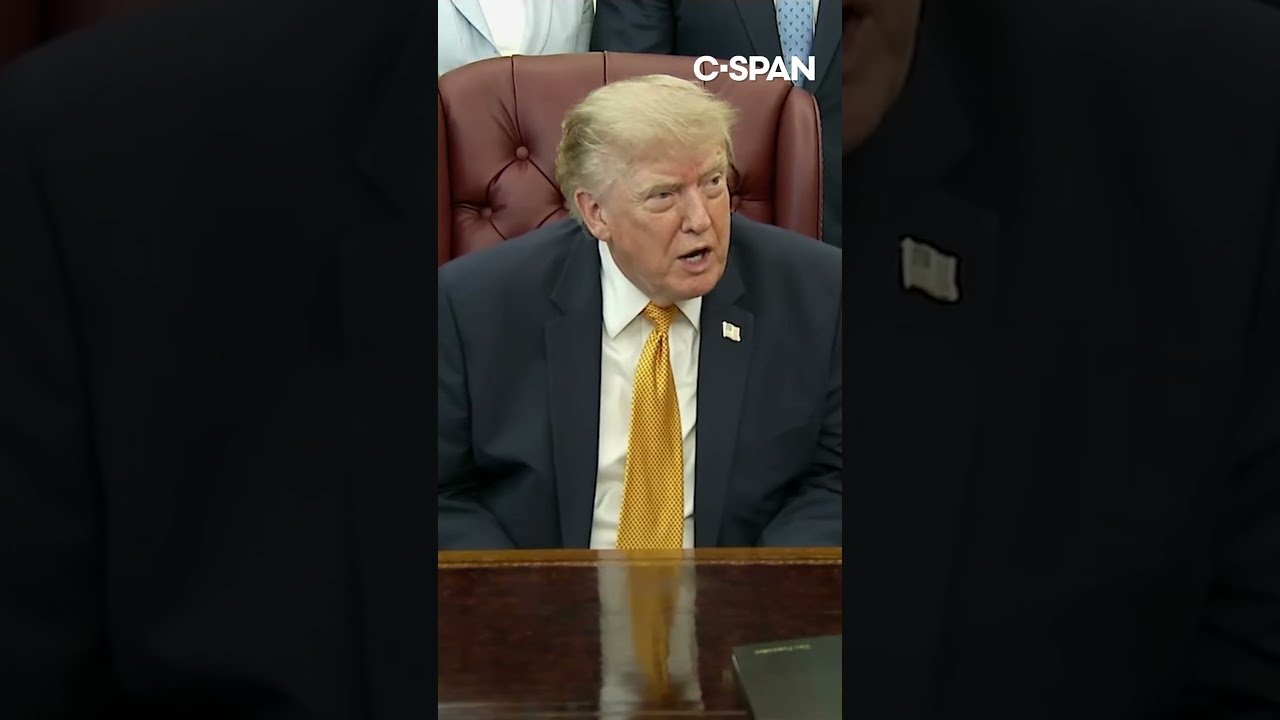
Speaking to reporters in the Oval Office on Monday, August 3, 2026, Trump singled out the two Texas-based majors by name, saying they were “making too much money based on a shortage” and adding, “I don’t like it”.
He framed the criticism as a consumer protection move, insisting the companies “better cut the retail price, the consumer price” even as he acknowledged his own free‑market leanings: “I’m a big free enterprise guy. Nobody bigger.”
The remarks came just days after ExxonMobil and Chevron posted blockbuster second‑quarter earnings that executives and analysts tied directly to war‑driven supply shocks and elevated crude prices.
Windfall profits from a war‑tightened market
The financial backdrop is stark. In Q2 2026 (April–June), ExxonMobil reported $14.5billion in profit, more than doubling its $7.billion from the same period a year earlier. Chevron posted $12billion in quarterly profit, a surge of roughly 380–400% over the $2.5billion it earned in Q2 2025. Together, the two companies generated about $29billion in the quarter — roughly $318million a day— and more than triple their combined earnings from a year ago.
Executives have pointed to higher crude prices and strong refining margins as the key drivers. The conflict that began with US and Israeli strikes on Iran in late February helped push US crude up about 20% year to date and kept global supplies tight after Iran moved to restrict flows through the Strait of Hormuz, a chokepoint for roughly one‑fifth of the world’s oil.
Saudi Aramco: The Quiet Colossus
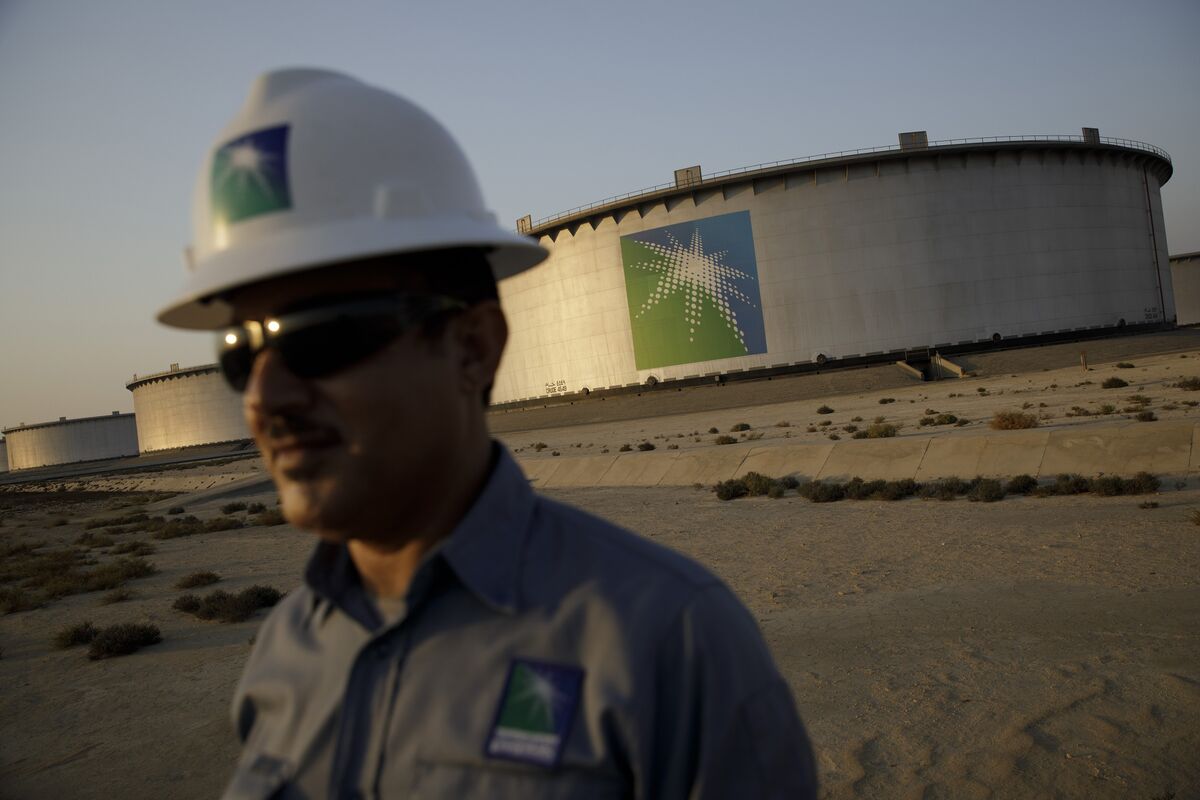
While Trump’s ire focused on US majors, the world’s largest oil exporter was quietly posting even bigger numbers. On Tuesday, August 4, Saudi Aramco reported second‑quarter adjusted net income of $33.4billion, up 33% year over year and beating analyst expectations of about $31.6billion.
Measured on a statutory net income basis, Aramco’s Q2 profit rose 44% to $32.69billion, from $22.67billion in the same quarter of 2025. The company attributed the surge to higher realized crude prices—averaging $108.1 per barrel in Q2 2026, up from $66.7 a year earlier — and stronger refining and chemicals margins, even as it sold and produced fewer barrels due to Hormuz disruptions.
For the first half of 2026, Aramco posted adjusted net income of $67.2billion, up 29% year over year, and maintained a quarterly base dividend of $21.9billion, underscoring its role as a cash machine for the Saudi state amid the crisis.
Consumers feel the pinch at the pump
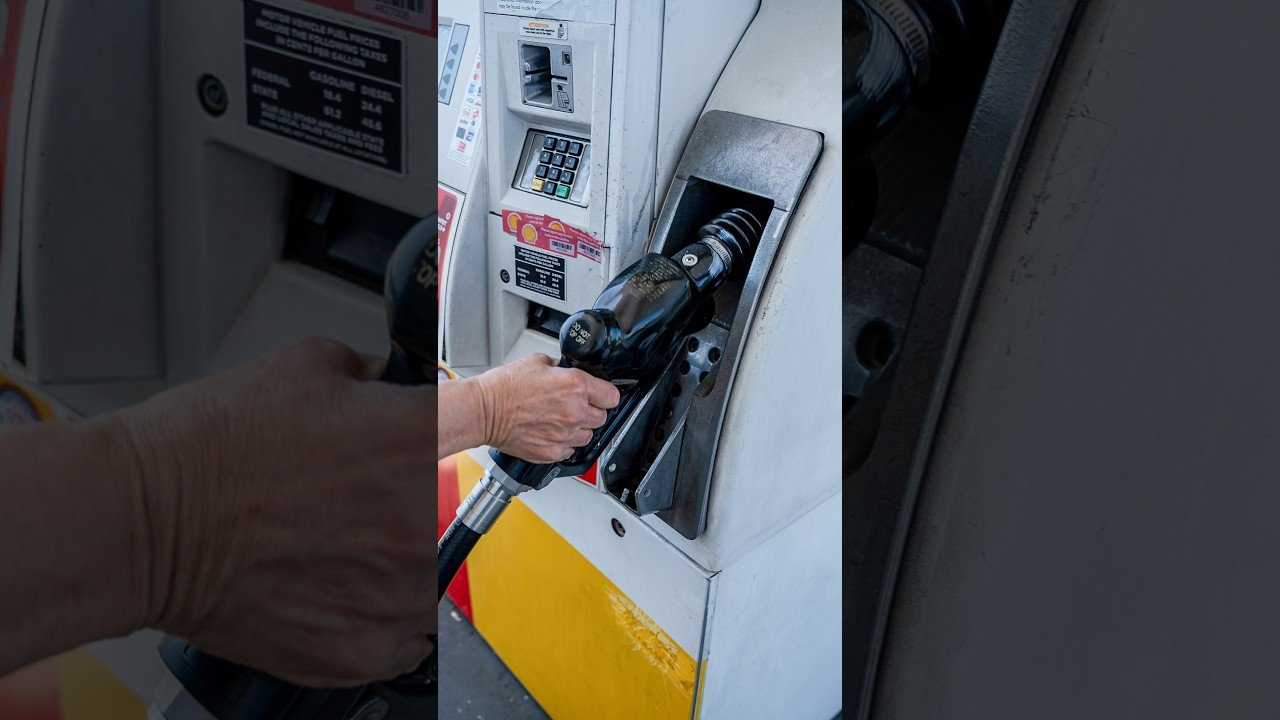
For American drivers, the macroeconomics show up at the gas station. The national average price for regular gasoline climbed to around $4.10 per gallon, up sharply from about $2.98 before the Iran fighting escalated earlier this year — a jump of roughly 30% to 40%. AAA and other trackers have tied the move to higher crude costs and geopolitical risk, not just company pricing decisions.
Trump’s message landed against that backdrop of stubbornly high pump prices, even as crude futures have pulled back from May peaks. Industry executives have warned that retail fuel prices may remain elevated for months because refining capacity and global logistics have been disrupted by the wider Middle East and Russia conflicts.
The DOJ investigation: A shadow over big oil
The president’s latest broadside is being amplified by a live federal probe. In late June, Trump announced on social media that he had instructed the Department of Justice to “immediately start looking into” oil companies for alleged price gouging, arguing that pump prices were not falling fast enough even as crude costs dropped. He explicitly named ExxonMobil, Chevron, Shell, and BP, accusing them of keeping prices artificially high and “gouging” customers.
By early July, the DOJ had reached out to state attorneys general, urging them to “use all tools available” under state laws to investigate any misconduct contributing to high gasoline prices. In its letter, the department said “past increases in crude oil prices, which are now coming down, do not excuse wrongdoing”, signaling a willingness to scrutinize pricing behavior beyond simple pass‑through of costs.
Now, with crude prices elevated again due to the Iran war, the political narrative has shifted rather than disappeared: the same companies under investigation for not lowering prices quickly enough are now being attacked for profiting from high prices in the first place. Analysts note the contradiction — in June, the complaint was that oil firms weren’t passing on cheaper crude; in August, it’s that they’re cashing in on genuinely expensive crude.
The probe remains active, and the White House has not ruled out more aggressive measures, including a potential ban on crude exports — a step Chevron has warned would discourage investment and ultimately shrink future supply
Political Stakes: Midterms, Inflation, and Blame
Analysts see a clear political calculation. With midterm elections approaching and inflation top‑of‑mind for voters, the president’s broadside shifts attention away from the administration’s own role in triggering the supply shock and toward corporate profiteering.
The timing is notable: gas prices had eased toward $3.70 in June before climbing again as fighting intensified, denting consumer confidence just as the White House seeks economic credibility.
Market reaction was mixed. Shares of Chevron and ExxonMobil dipped after the comments, while broader oil futures fell roughly 5% on hopes of de‑escalation and possible peace talks. Still, the structural drivers—Hormuz disruptions, refining bottlenecks, and war risk premiums—remain the dominant factors behind the price level.
What this means for energy policy and accountability
Trump’s rhetoric raises several mission‑critical questions for policymakers and the public:
- Corporate responsibility vs. market mechanics: While the president demanded price cuts and profit givebacks, economists note that retail prices mainly track crude and refining costs shaped by geopolitics, not unilateral corporate decisions.
- Strategic petroleum reserves and emergency tools: The episode revives debate over whether Washington should deploy additional strategic reserves or other emergency levers to temper price spikes during wartime supply shocks.
- Long‑term resilience: Persistent high prices underscore the vulnerability of transport fuels to Middle East chokepoints, reinforcing arguments for diversified supply, efficiency gains, and alternative energy investments to blunt future shocks.
For now, the president’s message is simple: war profits should not come at the public’s expense. Whether that translates into concrete policy — or remains a political message ahead of the midterms—will likely depend on how quickly the Iran conflict de‑escalates and whether pump prices retreat meaningfully from the $4.10 level.