




South Korea is battling an unprecedented heatwave that has shattered national temperature records, strained hospitals and claimed at least 23 lives.
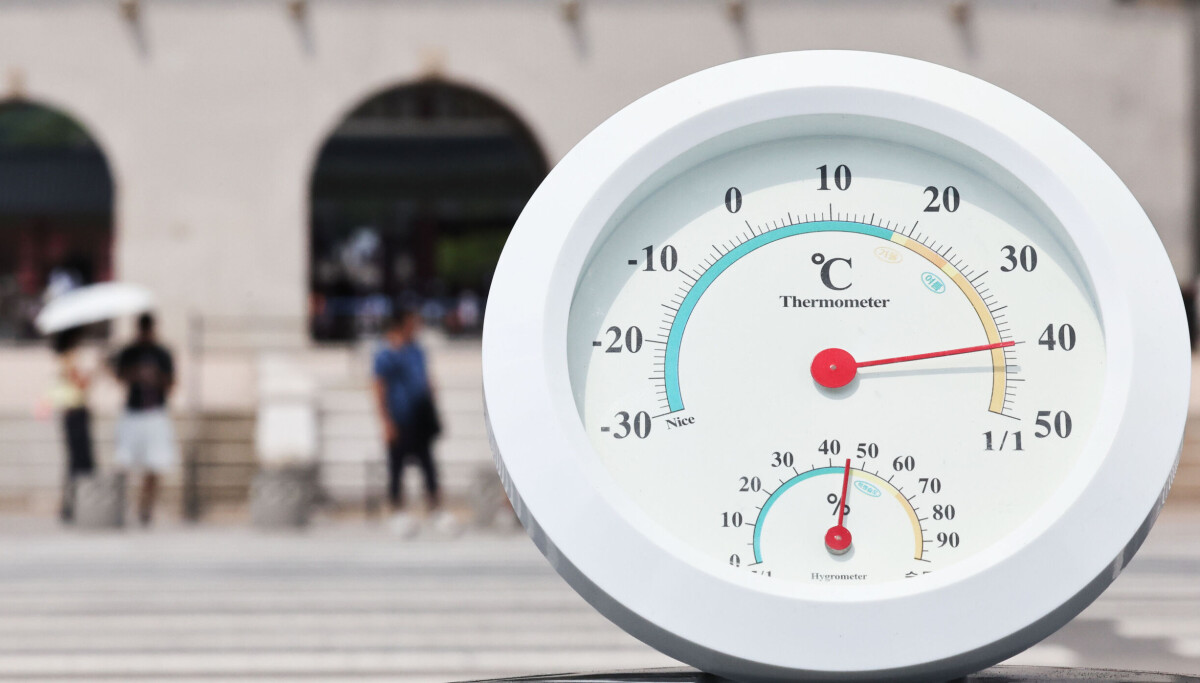
The southeastern city of Yangsan reached 42.5°C (108.5°F) on 2 August — the highest temperature recorded in South Korea since modern weather observations began in 1904, according to the Korea Meteorological Administration. Temperatures in Yangsan exceeded 40°C for a fifth consecutive day.
President Lee Jae Myung has described the extreme heat as a national disaster and ordered authorities to mobilise all available resources to protect vulnerable residents and prevent further deaths. The response comes as the heatwave spreads from the country’s southeast towards Seoul and other densely populated regions.
Deaths and medical emergencies rise
At least 23 people have died from suspected heat-related illnesses, while nearly 2,500 people have sought emergency medical treatment for heatstroke, heat exhaustion and dehydration since mid-May, according to reports citing South Korean authorities.
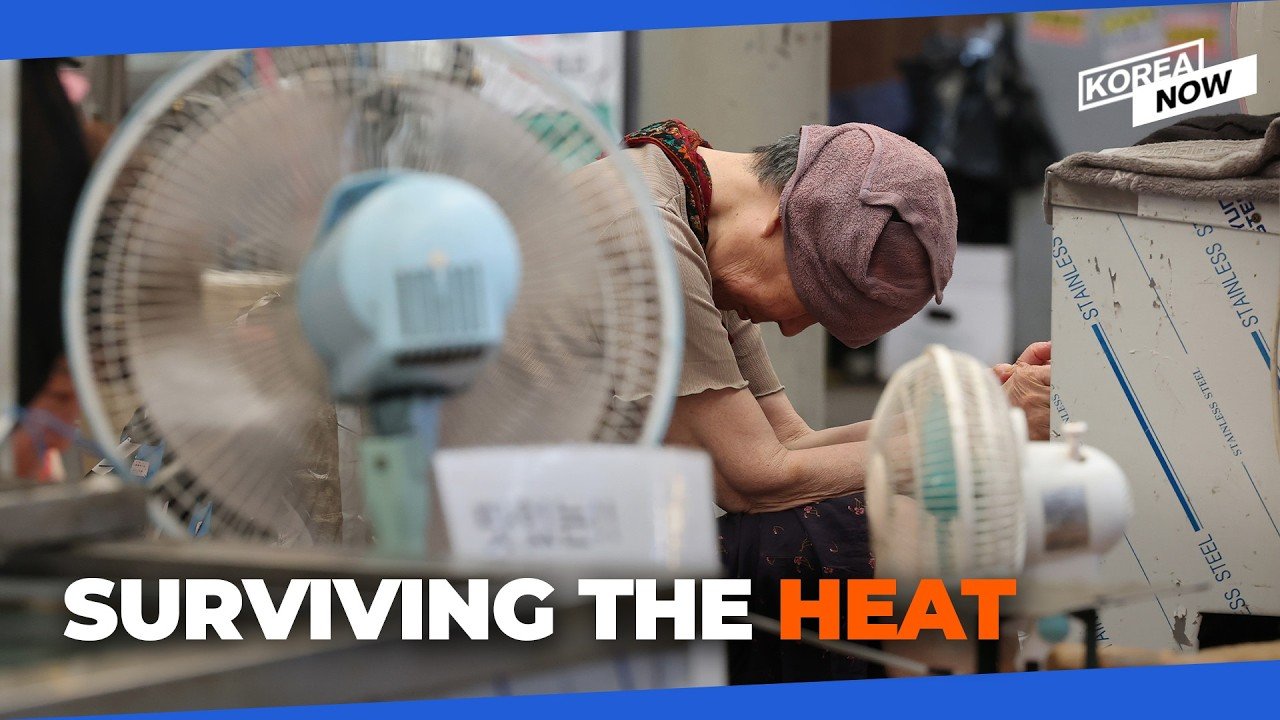
Older people and outdoor workers have been among the most vulnerable. Health officials have urged residents to avoid strenuous activity during the hottest hours, remain hydrated and move to air-conditioned locations or designated cooling shelters.
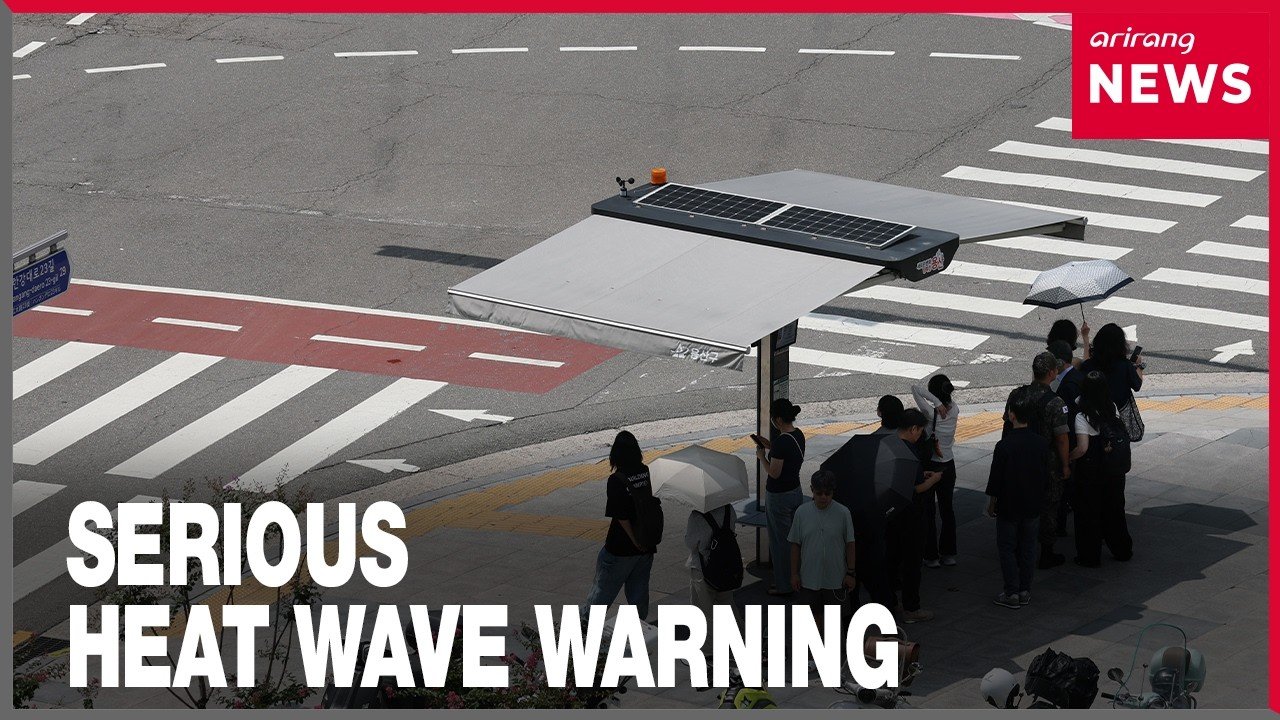
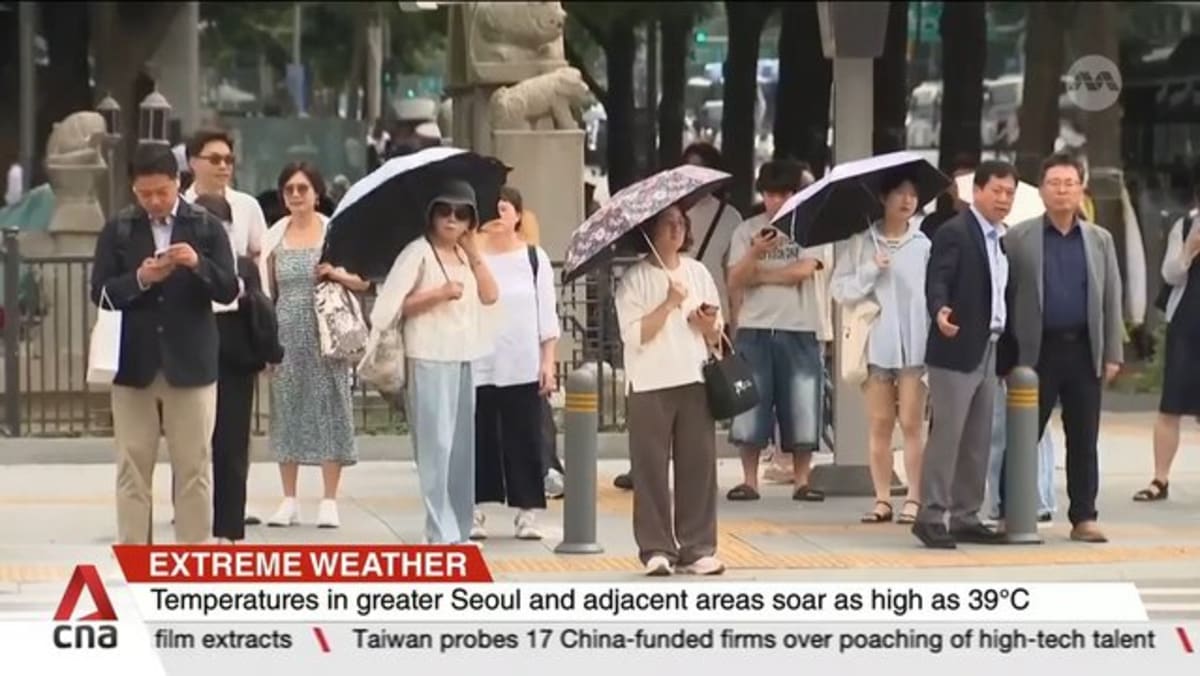
Seoul has also been placed under the country’s highest-level severe heat warning for the first time since the new alert system was introduced. The warning is triggered when the perceived temperature is expected to reach 38°C or the actual temperature is forecast to hit 39°C.
Baseball and cultural events disrupted
The heat has begun to disrupt South Korea’s sporting and cultural calendar.
The Korea Baseball Organization cancelled all 10 professional games scheduled for 5 and 6 August after spectators reportedly fainted in stadiums. The league said the decision was necessary while comprehensive safety measures were reviewed.
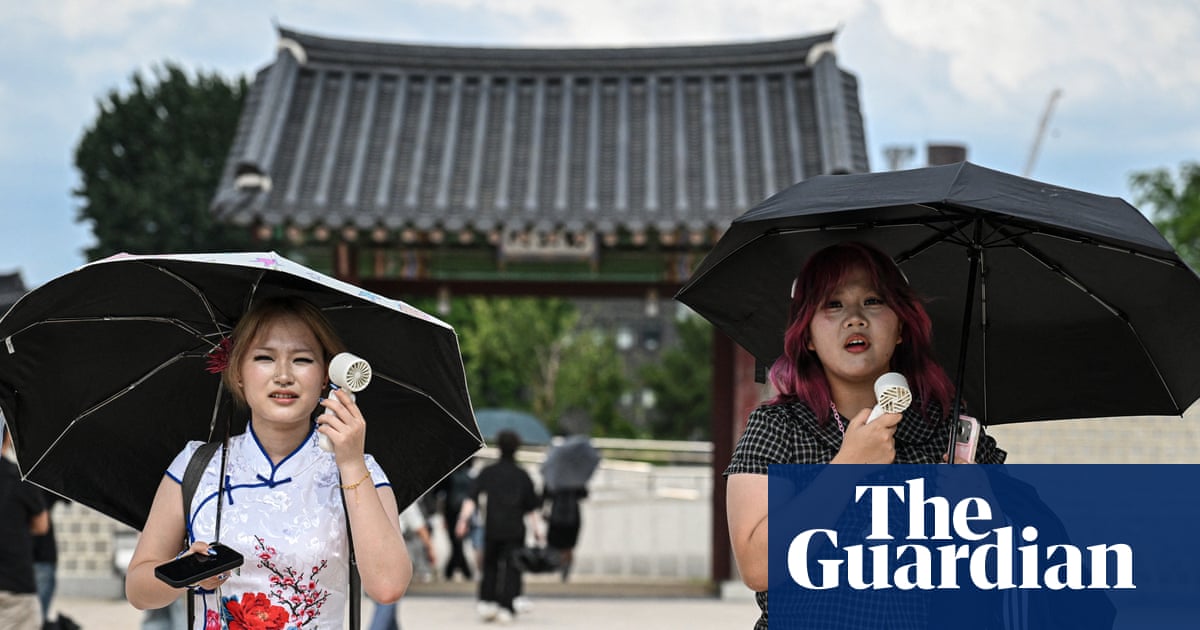
In Seoul, the daily changing-of-the-guard ceremony at Gyeongbokgung Palace has also been suspended as authorities limit outdoor activities during the most dangerous conditions.
Overnight temperatures have provided little relief. Several major cities are experiencing “tropical nights”, when temperatures remain above 25°C after sunset and can stay close to 30°C. The lack of nighttime cooling is particularly dangerous for people without reliable air conditioning.
Technology joins emergency response
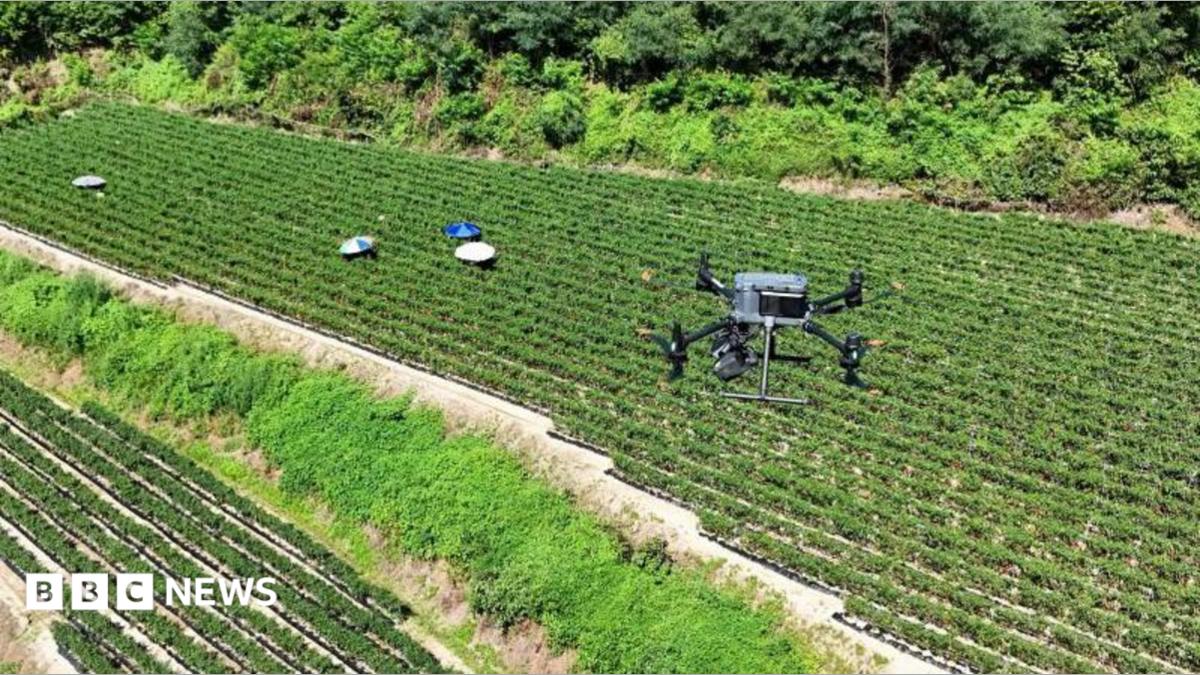
Authorities are deploying drones equipped with thermal-imaging cameras and loudspeakers across rural areas. The drones broadcast warnings to farmers — many of them elderly — urging them to stop working and move indoors.
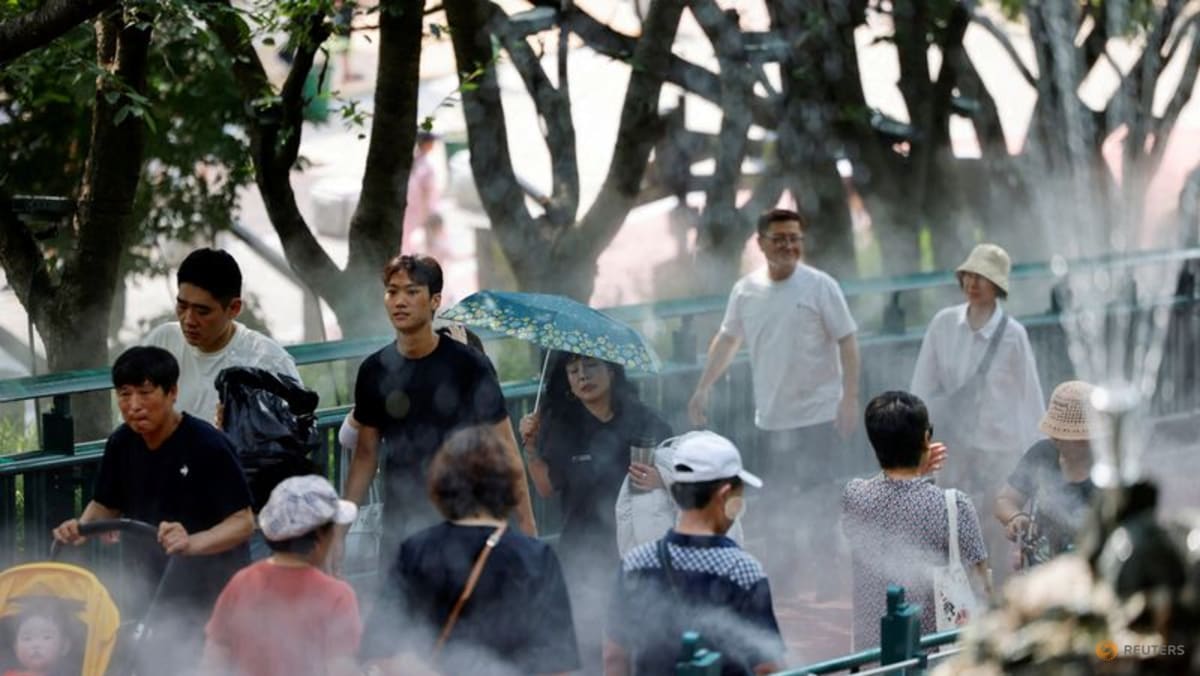
In urban areas, sprinkler trucks are spraying water on roads to reduce surface temperatures. Some vulnerable residents and homeless people have sought refuge in heavily air-conditioned transport hubs, including Incheon and Gimpo airports.
A student-developed mobile application called Geuneulro, or “Shaded Road”, is also helping people navigate the heat. The app uses data on shadows cast by trees and high-rise buildings to suggest cooler walking routes through the city.
Watch: BBC report on South Korea’s record heatwave
A warning of harsher summers
Meteorologists have linked the current conditions to overlapping high-pressure systems trapping hot air over the Korean Peninsula. Researchers and climate scientists have warned that climate change is increasing the likelihood and intensity of prolonged heatwaves, while seasonal climate patterns may further amplify the danger.
With forecasts showing continued extreme temperatures across parts of the country, officials are expanding cooling shelters, checking on vulnerable residents and warning people to avoid outdoor work wherever possible.