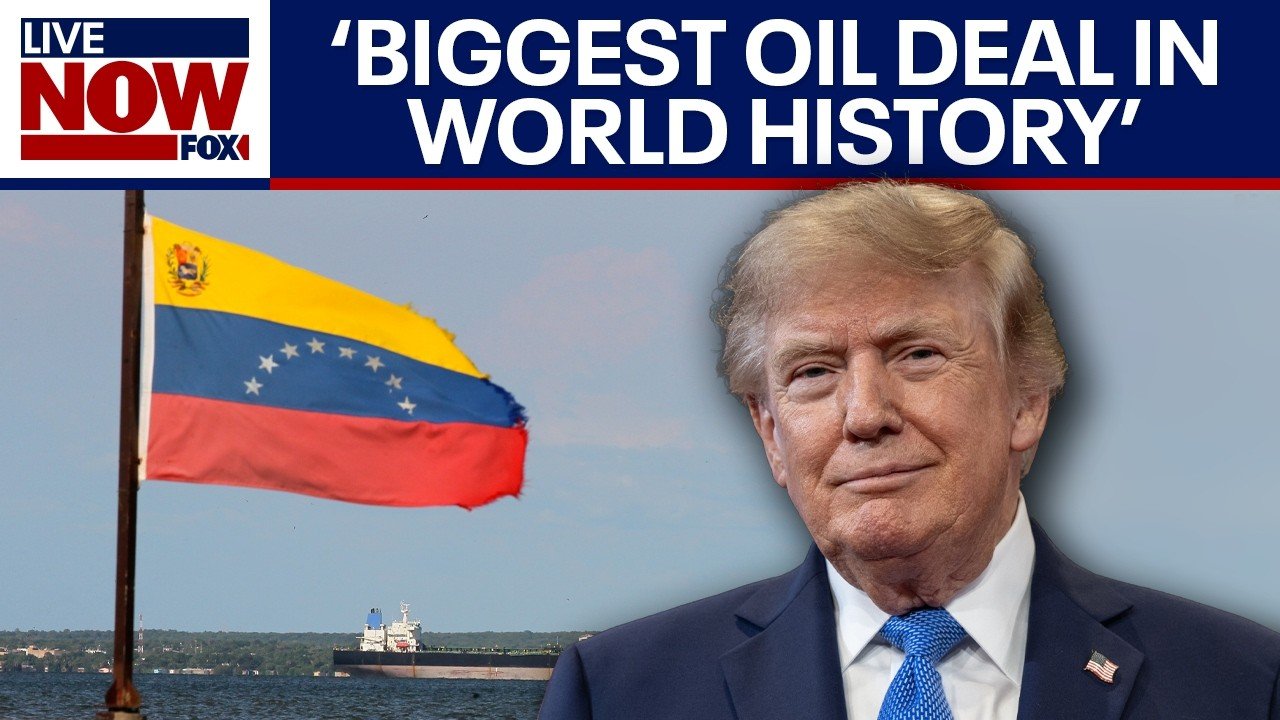


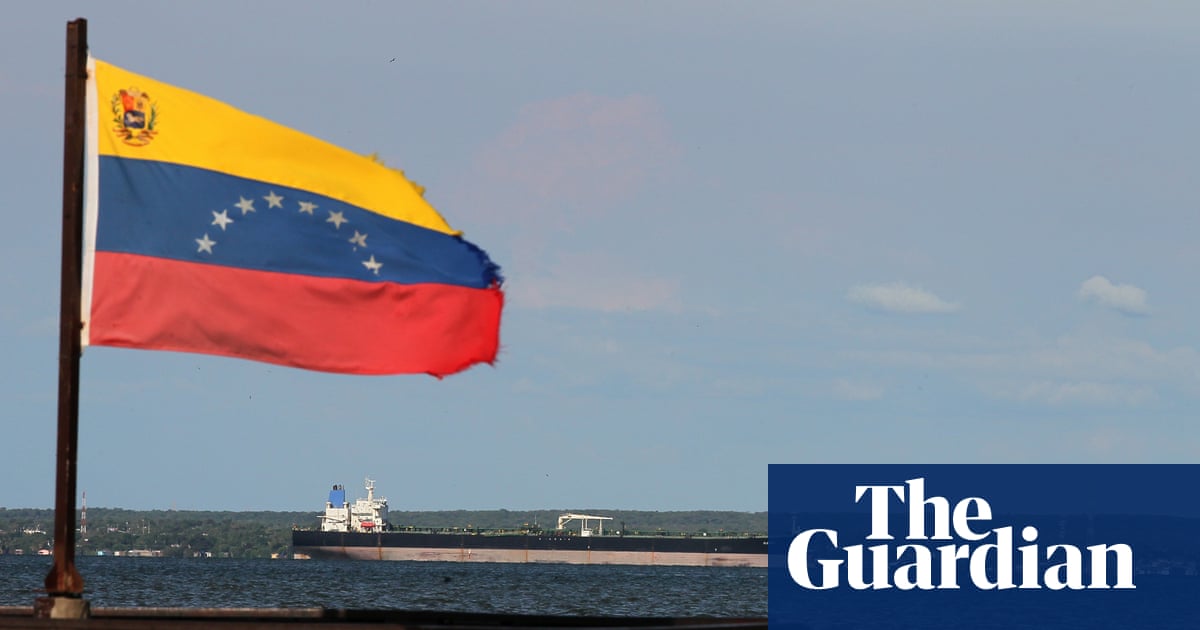

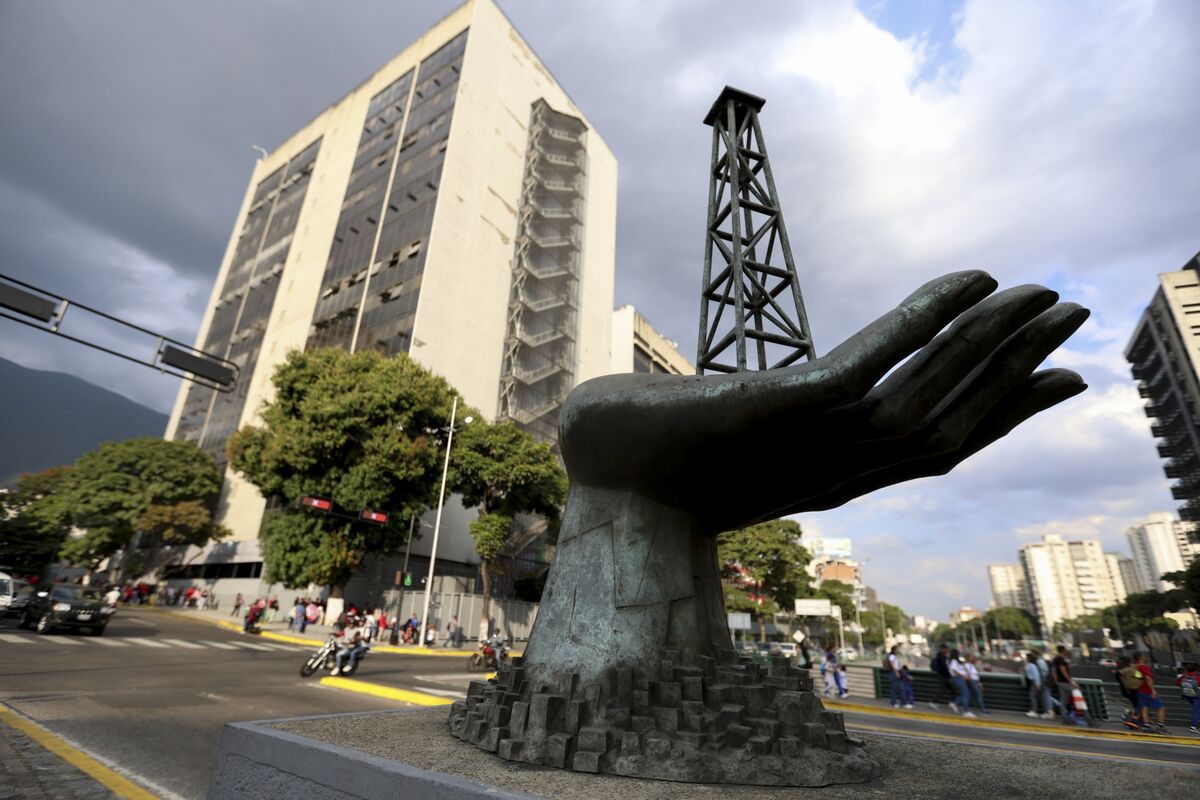

President Donald Trump announced on 28 August 2026 that the United States has entered into a historic agreement with Venezuela to take majority control of more than 65 billion barrels of the country’s proven oil reserves, a move he called “the biggest oil deal in world history” that will more than double US reserves and help lower domestic fuel prices at no cost to American taxpayers.
The deal comes after months of intense behind‑the‑scenes negotiations between Washington and Caracas, and against a backdrop of surging US gasoline prices, a six‑month war with Iran disrupting shipments through the Strait of Hormuz, and a devastated Venezuelan economy reeling from sanctions and recent earthquakes.
What the agreement covers
According to Trump’s Truth Social post and statements from Venezuela’s interim government, the pact focuses on the development of 17 strategic oil fields containing roughly 65 billion barrels of proven crude, representing about one‑fifth to one‑third of Venezuela’s total mapped reserves.
Venezuelan officials say the agreement calls for more than $100billion in private investment into the country’s oil sector and is projected to generate over $209billion in tax revenue for Venezuela’s reconstruction efforts.
The arrangement reportedly creates a new private joint venture company to develop the fields, with the United States securing around 55% effective output rights—including an ownership stake and the right to purchase oil “at cost”—under long‑term (reportedly 100‑year) development rights granted by the Rodríguez administration.
Who is involved and what happens next
Trump credited Secretary of State Marco Rubio, Defense Secretary (referred to in some reports as “Secretary of War”) Pete Hegseth and Venezuela’s interim President Delcy Rodríguez for negotiating the deal, which he said was structured “through a partnership with private business.”
While Trump did not name specific companies, multiple reports indicate that major US energy firms, including Chevron and several independent producers, are expected to sign formal exploration and production contracts with Venezuela’s state oil company, PDVSA, as early as next week.
Under the reported terms, a portion of the resulting “at‑cost” crude will be used to replenish the US Strategic Petroleum Reserve, which fell below 300 million barrels in early August, and to meet logistical needs of the US military.
Why the deal matters for the US and Venezuela
US energy security and gas prices
The announcement comes as the US national average for gasoline has climbed to around $4.09 a gallon, driven largely by a six‑month conflict with Iran that has severely constrained crude shipping traffic through the Strait of Hormuz.
With midterm elections approaching and domestic pressure mounting to bring down fuel costs, the White House has framed the Venezuelan arrangement as a way to secure a large, geographically closer source of crude that can stabilize supply and put downward pressure on prices without direct taxpayer funding.
Venezuela’s economic lifeline
For Venezuela, already crippled by years of sanctions and hyperinflation, the deal is being presented by the interim government as essential to national recovery after two consecutive earthquakes in June 2026 that killed thousands and caused widespread infrastructure damage.
Rodríguez’s administration has argued that the influx of foreign capital, technology, and operational expertise is necessary to revive an oil industry that, despite holding the world’s largest proven reserves, has seen production collapse to roughly 1.25 million barrels per day.
Venezuela announces a historic agreement with the United States government, which will have a significant impact on our nation’s revival. pic.twitter.com/qi9Q9qO4d0
— Delcy Rodríguez (@delcyrodriguezv) August 29, 2026
Geopolitical ripple effects
The agreement is expected to reshape global energy diplomacy in several ways:
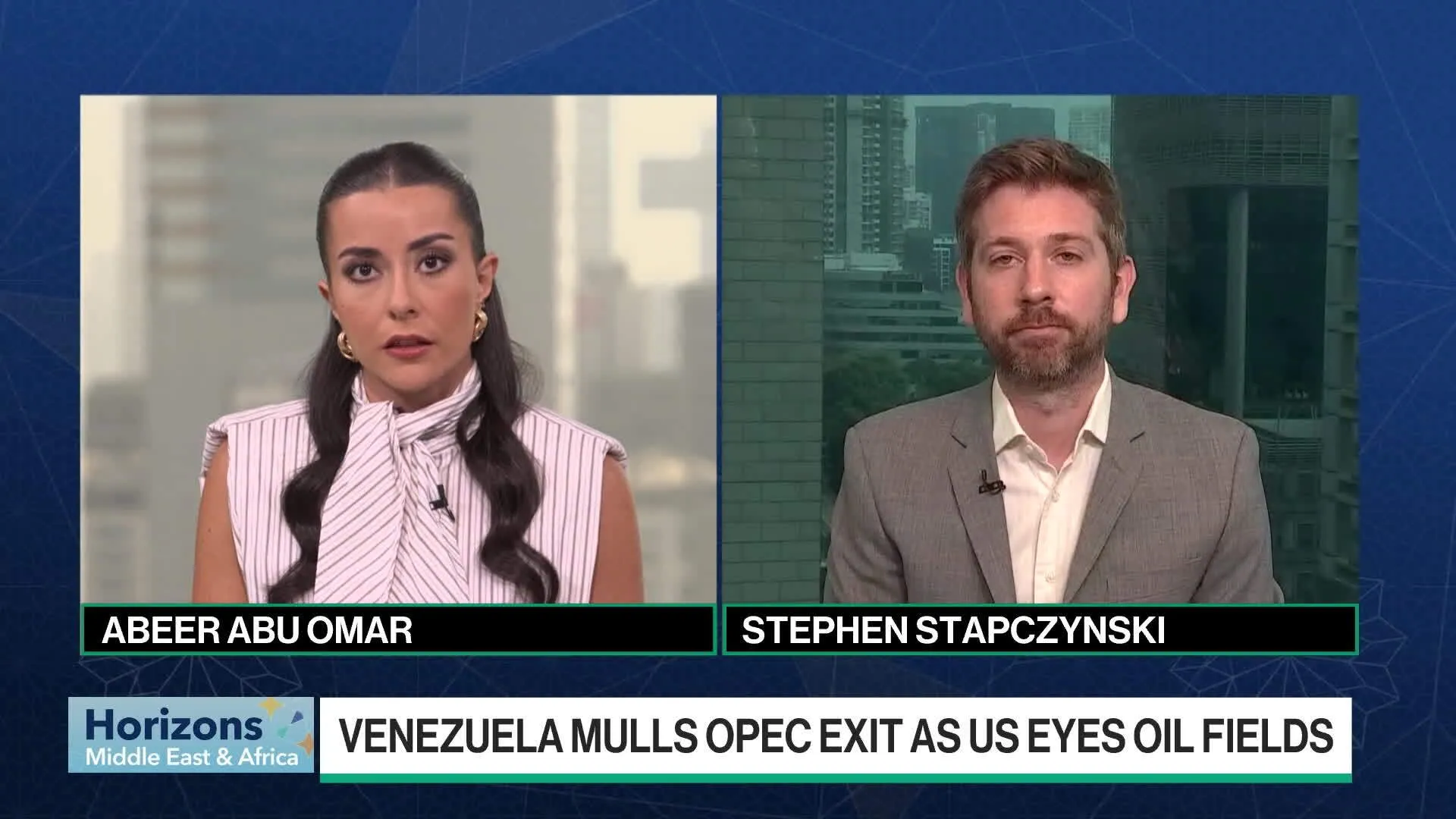
- OPEC realignment: Reports indicate Venezuela is actively considering withdrawing from OPEC, the cartel it helped found in 1960, which would mark a dramatic shift in the organization’s composition and influence.
- US–Latin America relations: The deal deepens Washington’s strategic footprint in the hemisphere at a time when China and Russia have sought greater influence in Venezuela’s energy and mining sectors.
- Market signal: By effectively locking in long‑term access to a massive reserve base, the US is signaling to global markets that it intends to use Venezuelan crude as a structural buffer against future supply shocks in the Middle East.
Criticism and legal questions
Despite the fanfare, the agreement has drawn sharp criticism from multiple quarters.
Accusations of exploitation
Some members of Venezuela’s political opposition and civil society have denounced the pact as a “rapacious, mafioso land grab,” arguing that the US is exploiting Venezuela’s post‑Maduro vulnerability and post‑earthquake desperation to secure control over the country’s most valuable natural resource.
Critics contend that the interim government, installed after the US‑backed operation that removed Nicolás Maduro roughly nine months earlier, lacks the democratic legitimacy to sign away long‑term rights to such a large share of national reserves.
Constitutional and legal hurdles
Energy analysts and legal experts note that the lease and ownership structures may face steep challenges under Venezuelan law, which has historically mandated strict state monopoly over core oil and mineral extraction assets.
Reports suggest the arrangement relies on a newly created private joint venture and special regulatory frameworks introduced by Rodríguez’s government last month, which opponents could argue exceed constitutional limits or require broader legislative approval.
What remains unclear
Several key details about the deal have not been publicly disclosed:
- Exact field locations: While 17 fields are referenced, their specific names and locations have not been released.
- Final corporate structure: The precise ownership split, governance model, and dispute‑resolution mechanisms for the new joint venture remain opaque.
- Production timeline: Estimates for when additional barrels will actually reach the market vary, with some industry sources cautioning that near‑term gains may be modest until infrastructure is rebuilt.
- Legal durability: It is not yet clear how the agreement would withstand potential challenges in Venezuelan courts or under future administrations.
Context: how this fits into broader 2026 developments
The oil deal is the latest in a series of dramatic geopolitical shifts in 2026:
- Removal of Maduro: Roughly nine months earlier, the US military carried out an operation that captured and removed Venezuelan President Nicolás Maduro, paving the way for an interim government under Rodríguez.
- Iran war and energy shock: A six‑month conflict with Iran has disrupted global crude flows, drained US strategic reserves, and pushed gasoline prices to multi‑year highs.
- Natural disasters in Venezuela: Two major earthquakes in June 2026 compounded Venezuela’s humanitarian and economic crisis, killing thousands and damaging critical infrastructure.
Against this backdrop, the Trump administration is positioning the Venezuelan agreement as both an “America First” energy victory and a stabilization measure for a fragile neighbor.