Thailand’s political landscape was thrown into renewed uncertainty in 2025 following the removal of Prime Minister Paetongtarn Shinawatra, underscoring a long-running power struggle between the Shinawatra family and the country’s conservative, military-aligned establishment.
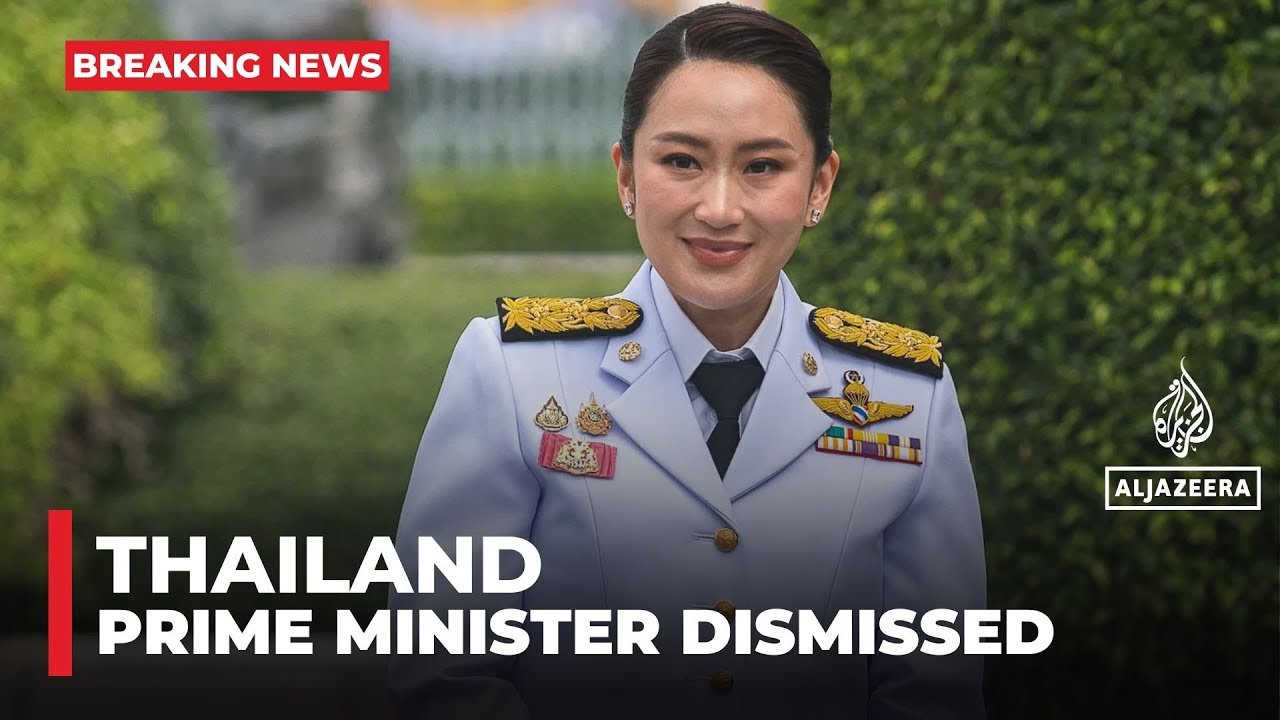
Paetongtarn Shinawatra was removed from office in August 2025 after Thailand’s Constitutional Court ruled against her in a leaked phone call controversy.
The call, which involved former Cambodian leader Hun Sen, showed Paetongtarn referring to him as “uncle” and criticising a senior Thai military figure. The court found the remarks breached ethical standards expected of a prime minister and risked undermining national interests.
Paetongtarn defended the conversation as a personal effort to de-escalate tensions and resolve cross-border issues without violence. The court rejected this explanation, stating the exchange had damaged public trust and raised concerns about whether her actions prioritised foreign over national interests.
The ruling passed by a 6–3 majority, making her the fifth Thai prime minister since 2008 to be removed by judicial intervention.
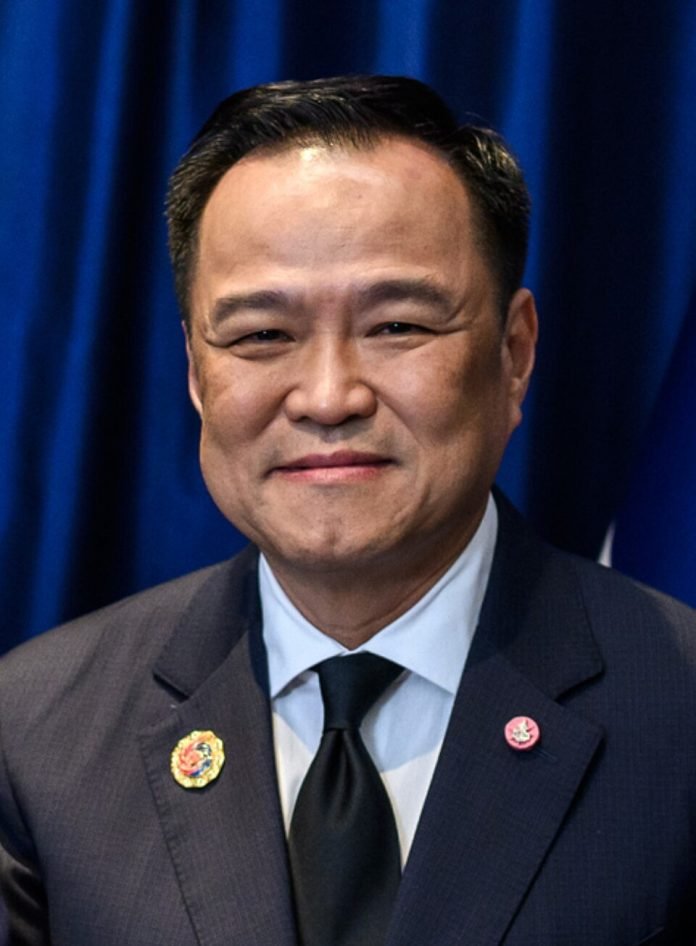
Anutin Charnvirakul appointed PM
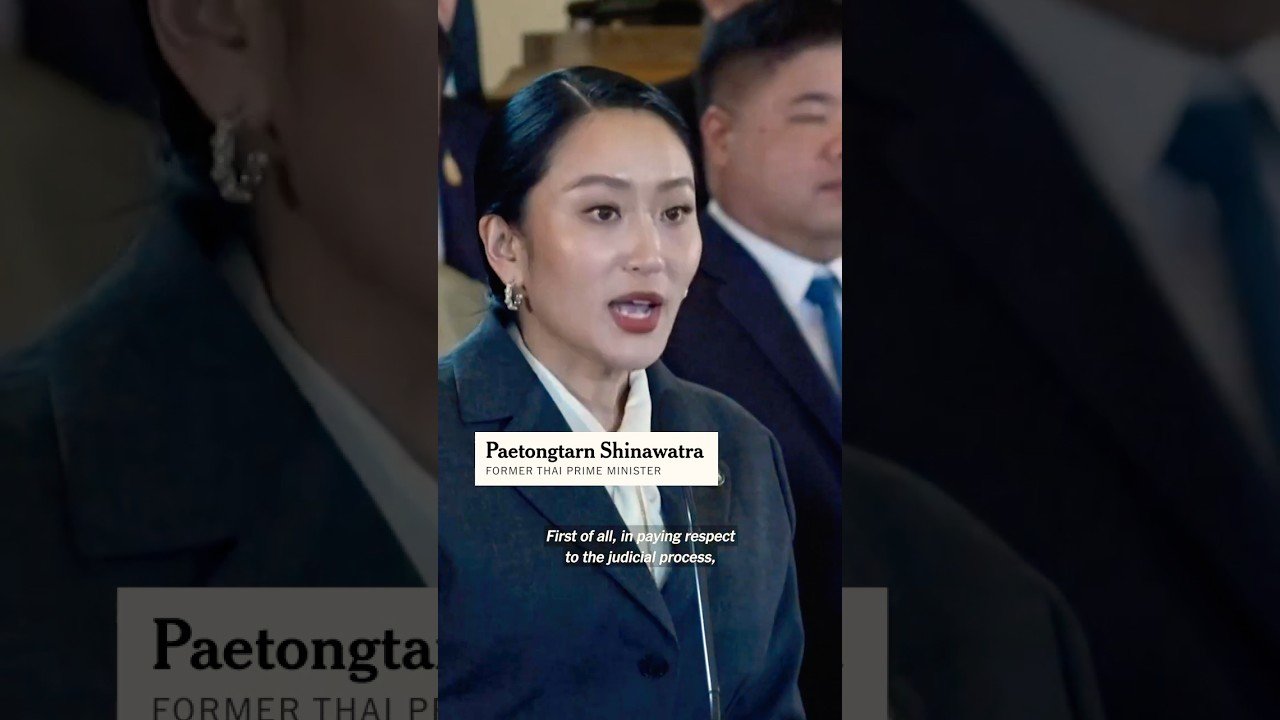
Following her removal, Paetongtarn called for unity and political stability, maintaining that her actions had been in the country’s best interest.
Today’s court verdict caused yet another abrupt political change. We now have to help each other— every side, including the government, the opposition and the people — everyone must join hands to create a political stability and bring it back to strength, so that this kind of abrupt change can no longer occur.
Former Prime Minister Paetongtarn Shinawatra
Thailand’s parliament subsequently elected Anutin Charnvirakul, leader of the conservative Bhumjaithai Party, as Prime Minister on 5 September 2025, signalling a shift in the governing balance.
In October, Paetongtarn stepped down as leader of the Pheu Thai Party, a move seen as a potential retreat by the Shinawatra family from frontline politics, at least temporarily.
Shinawatra political dynasty
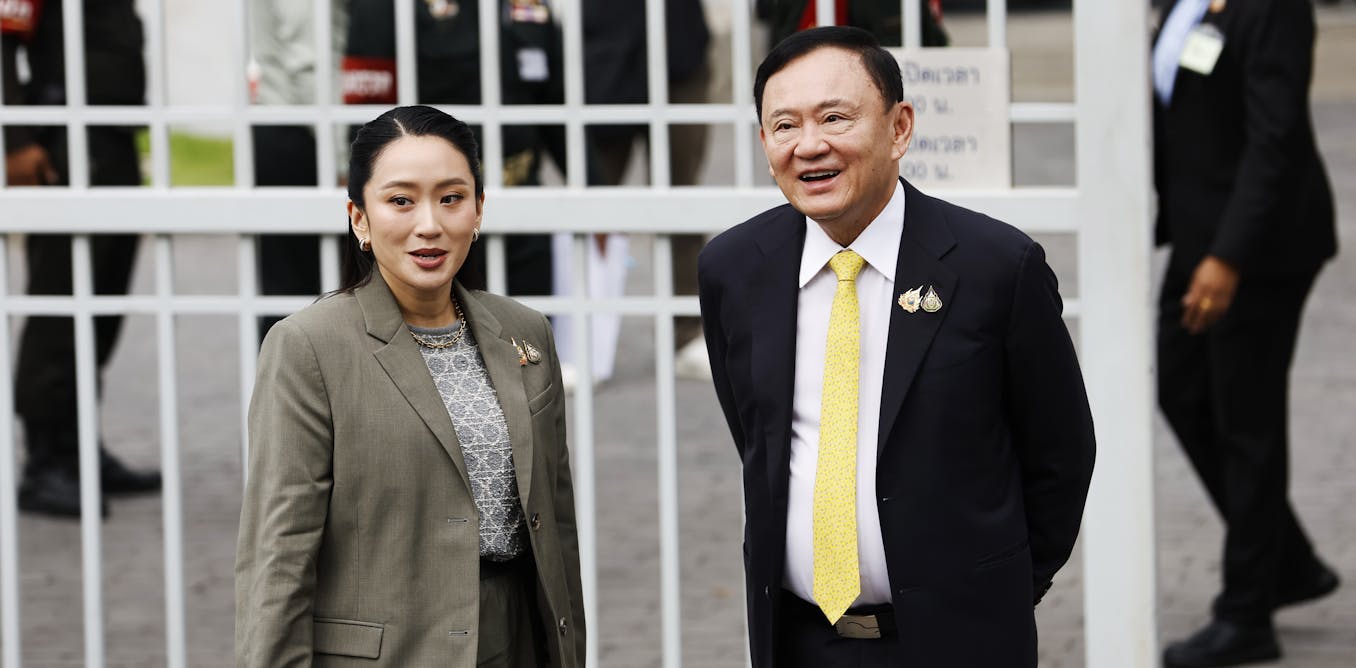
Paetongtarn, who became Thailand’s youngest prime minister at 37, is part of the influential Shinawatra political dynasty. She is the daughter of former prime minister Thaksin Shinawatra, whose allies have dominated electoral politics but repeatedly faced removal through military or judicial action.
Her ousting marks the latest episode in a nearly two-decade struggle between elected governments linked to the Shinawatras and the country’s royalist-military establishment.
The Constitutional Court, which has the authority to dissolve parties and remove officeholders, has long been a central player in this dynamic. Critics argue its rulings have disproportionately favoured conservative and military-aligned interests.
Politically fragile
As of late 2025, Thailand remains politically fragile, with coalition dynamics still evolving and underlying tensions unresolved.
The episode reinforces persistent questions about the durability of elected governments in Thailand and the balance of power between democratic institutions and entrenched elites.
Read more:
Thai Queen Sirikit dies at 93
2025 Cambodian–Thai border crisis