Cambodia and Thailand erupted into their worst border fighting since 2008–2011 in 2025, with clashes over ancient Khmer temples and nearby highlands killing at least 29 people, displacing 285,000 civilians, and triggering repeated ceasefire collapses amid nationalist rhetoric from both governments.
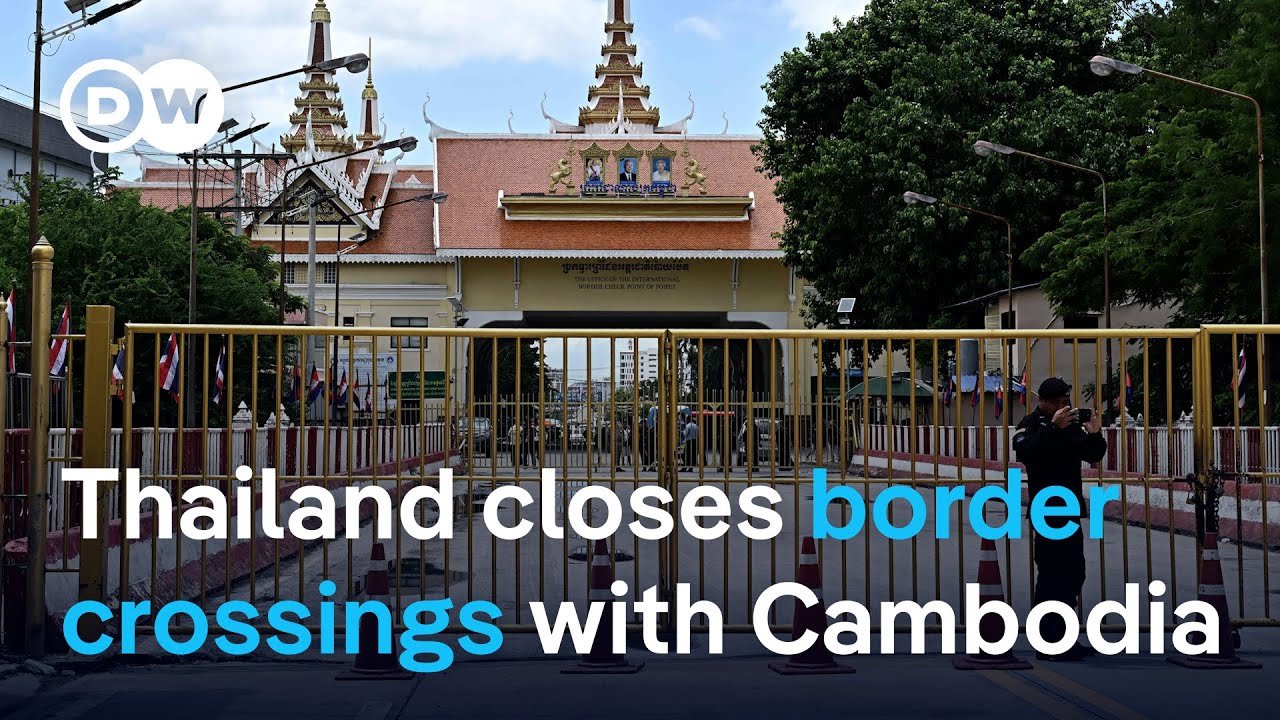
A skirmish on 28 May 2025 in the Emerald Triangle near Preah Vihear temple killed one Cambodian soldier when Thai troops allegedly crossed into disputed territory. Cambodia responded with artillery, Thailand reinforced positions, and mutual accusations led to immediate trade bans. Cambodia halted Thai fruits and TV imports while Thailand closed border crossings.
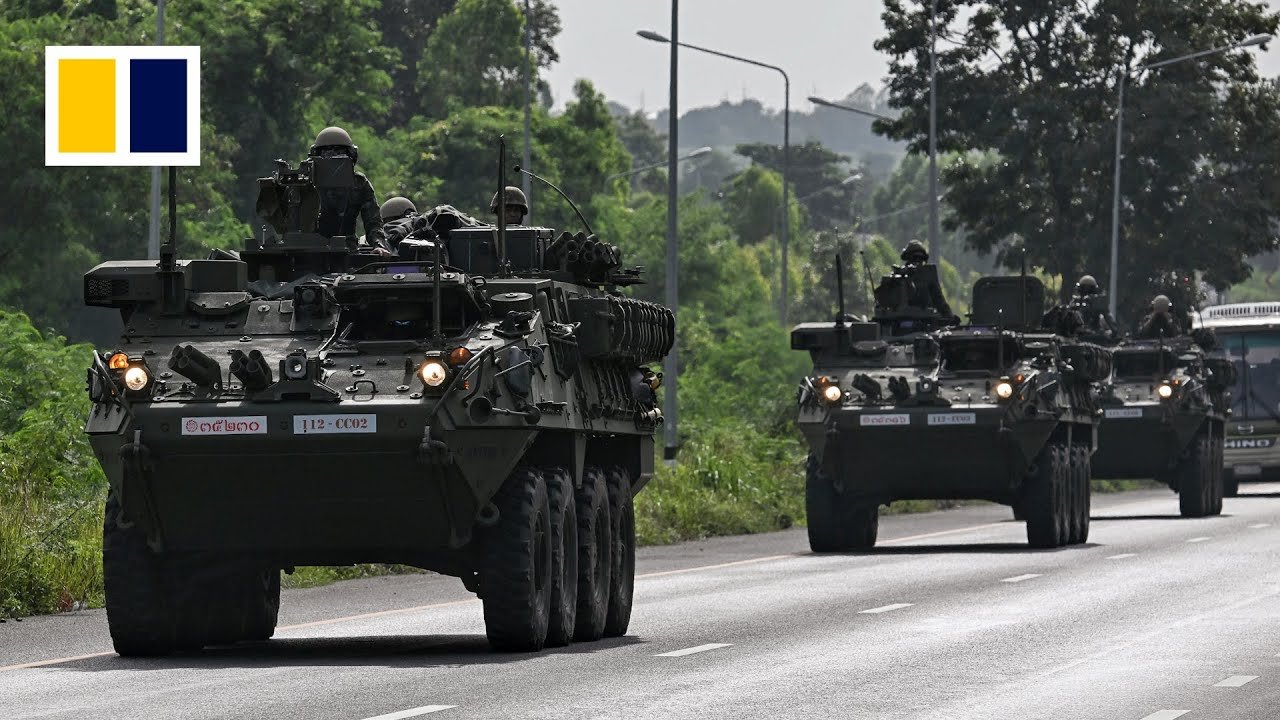
Tensions boiled over with full-scale clashes near Ta Muen Thom and Ta Krabey temples. Thai F-16 airstrikes hit Cambodian rocket sites. Cambodia fired artillery and cluster munitions into Thailand, killing 16 Thais (soldiers and civilians) and 13 Cambodians. Heavy fighting damaged the Preah Vihear UNESCO site, prompting approximately 285,000 evacuations and martial law in Thai border provinces.
Ceasefire attempts and peace accord
An initial ceasefire was agreed on 28 July in Putrajaya, Malaysia, brokered by Prime Minister Anwar Ibrahim with US and China envoys present. An extraordinary GBC meeting on 7 August in Kuala Lumpur produced a 13-point deal including ASEAN observers, demining and POW swaps.
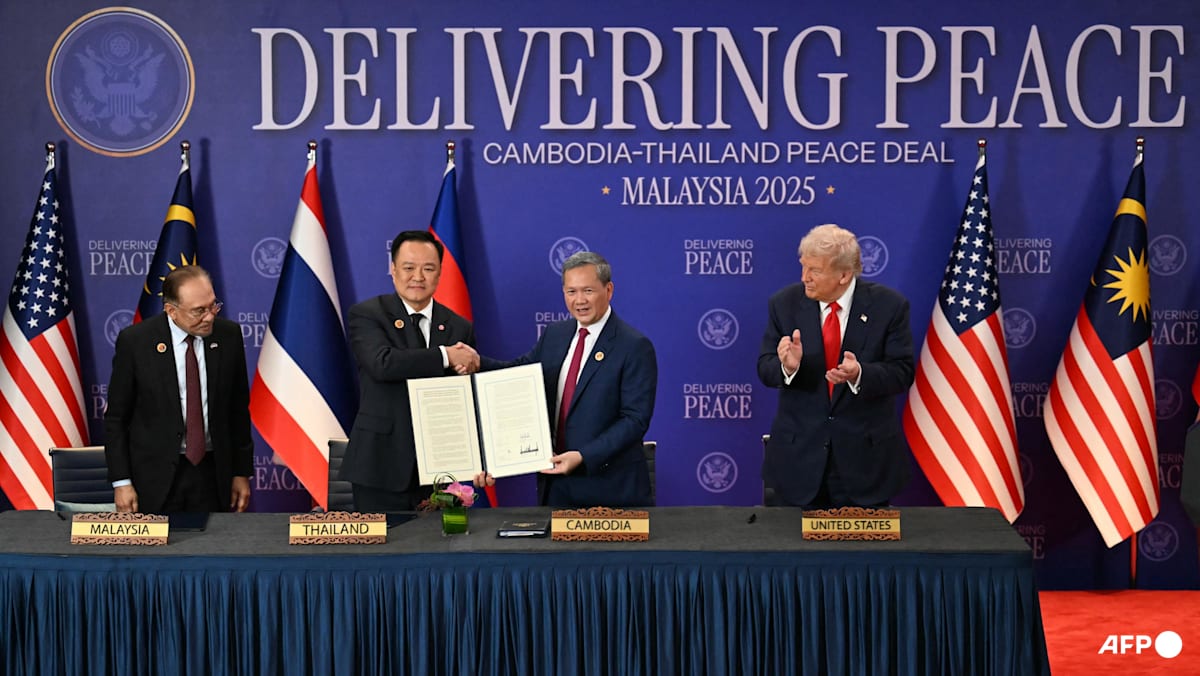
Subsequently, both sides signed the Kuala Lumpur Peace Accord on 26 October at the ASEAN Summit, witnessed by US President Donald Trump, committing to weapons pullback and joint patrols.
Fragile truce amidst escalating conflict
On 10 November, a landmine exploded in Sisaket province, Thailand, severely injuring two Thai soldiers while patrolling near the border. Thailand blamed Cambodia for planting fresh PMN-2 mines in violation of the Ottawa Treaty and immediately suspended the Kuala Lumpur Peace Accord, demanding an apology and halting joint demining and patrols.
Cambodia rejected the accusations, calling the mines old remnants from past conflicts and urging Thai troops to avoid known contaminated zones. Phnom Penh reaffirmed Ottawa compliance and accused Thailand of provocation.
On 12 November, gunfire erupted near Nong Ya Kaeo (Thai side) and Prey Chan Village in Cambodia’s Banteay Meanchey and Oddar Meanchey provinces. Cambodia reported five civilians injured (one dead), blaming Thai forces, while Thailand claimed Cambodian fire started it, triggering fresh evacuations.
Both armies massed troops along a 40km disputed stretch but held fire to avoid full war. ASEAN (via Malaysia) and the UN urged restraint, with Trump phoning leaders on 14 November to cool things down. ICJ demarcation talks remained stalled as Thailand insisted on bilateral resolution first. A fragile truce holds amid mutual accusations, economic strain and domestic nationalist pressure.
Historical and political context
The crisis blended territorial claims with internal politics. The International Court of Justice awarded Preah Vihear temple, the main flash point of this ongoing dispute, to Cambodia in 1962 and reaffirmed this in 2013. The dispute comes from unclear maps drawn during French colonial rule. Parts of the border were never fully marked.
Thailand’s acting PM Phumtham used it to rally nationalists amid coalition woes. Cambodia’s Hun Manet framed it as defending sovereignty against expansionism. Economic fallout included border closures costing millions in trade. ASEAN mediation stalled as both rejected third parties initially.
Analysts see domestic unrest, not genuine irredentism, as the trigger, with highlands’ resources including timber and gems as underlying stakes.
Broader implications
The conflict demonstrates how historical territorial disputes can be weaponized for domestic political gain, with both leaders using nationalist rhetoric to consolidate support. The repeated ceasefire collapses highlight the fragility of ASEAN-mediated peace efforts and the challenges of resolving disputes rooted in colonial-era boundary ambiguities, while the economic costs and civilian casualties underscore the human toll of border conflicts in Southeast Asia.
Read more: Thai court removes PM Paetongtarn Shinawatra