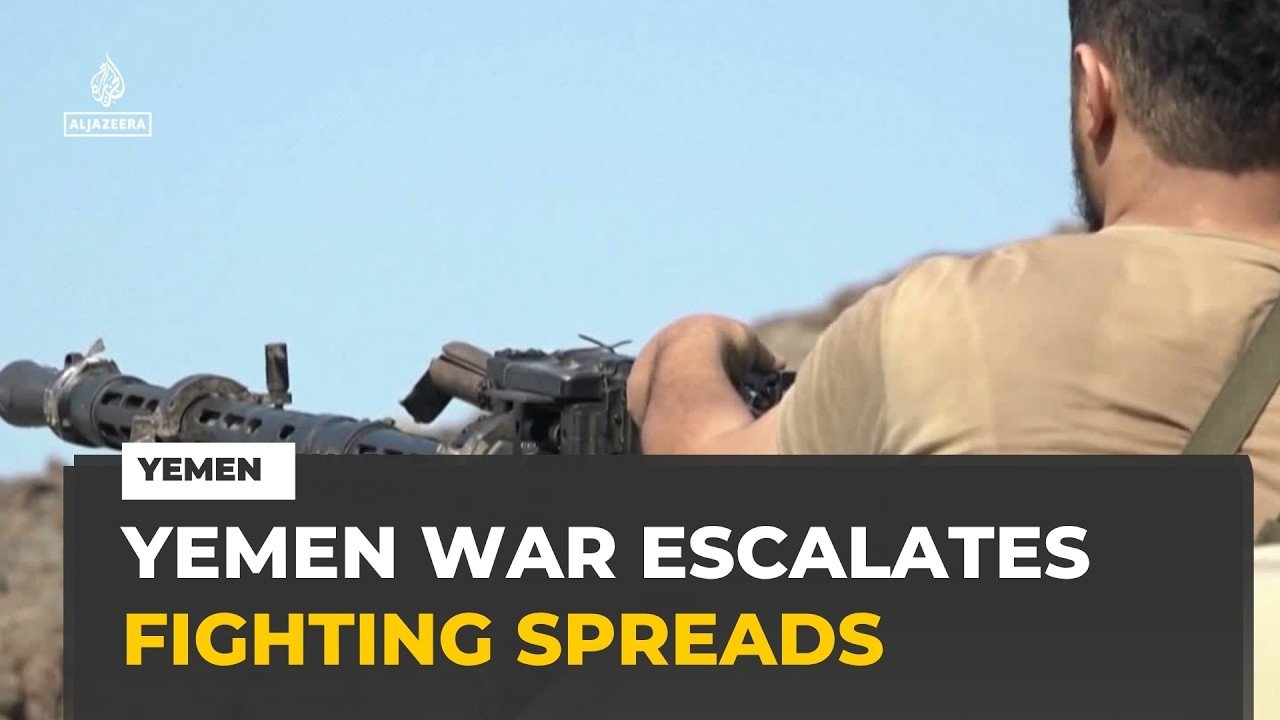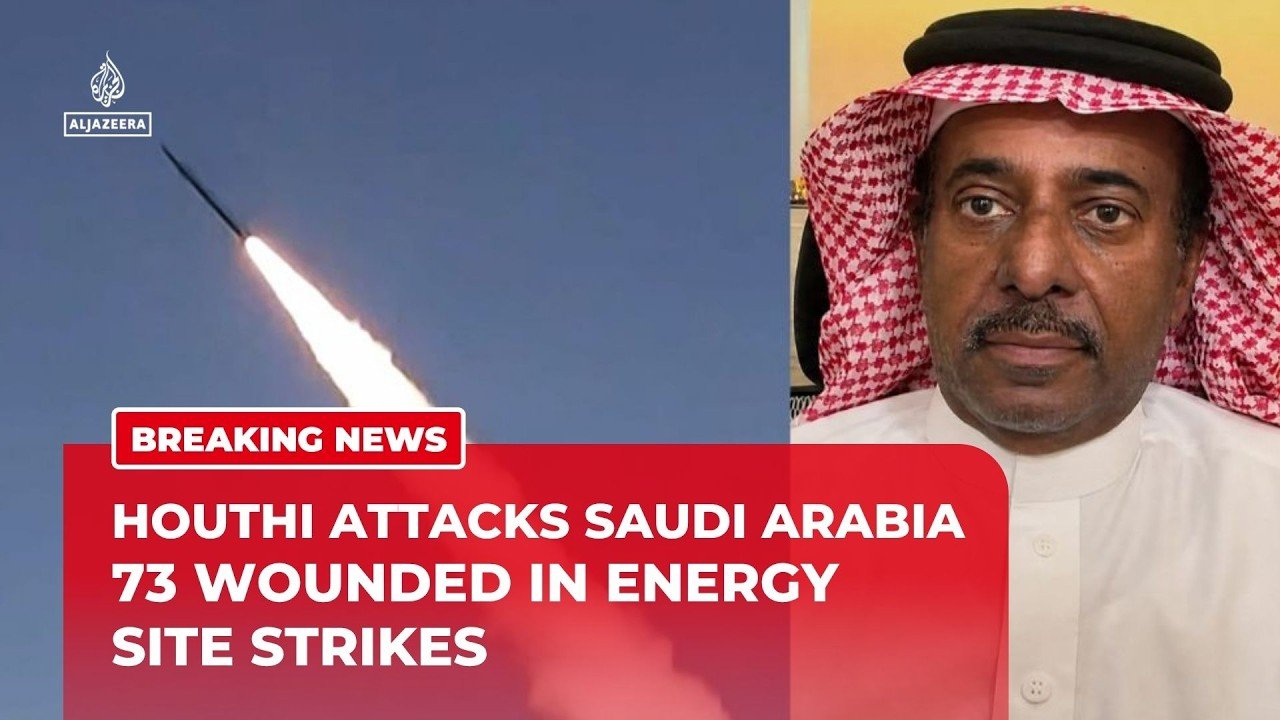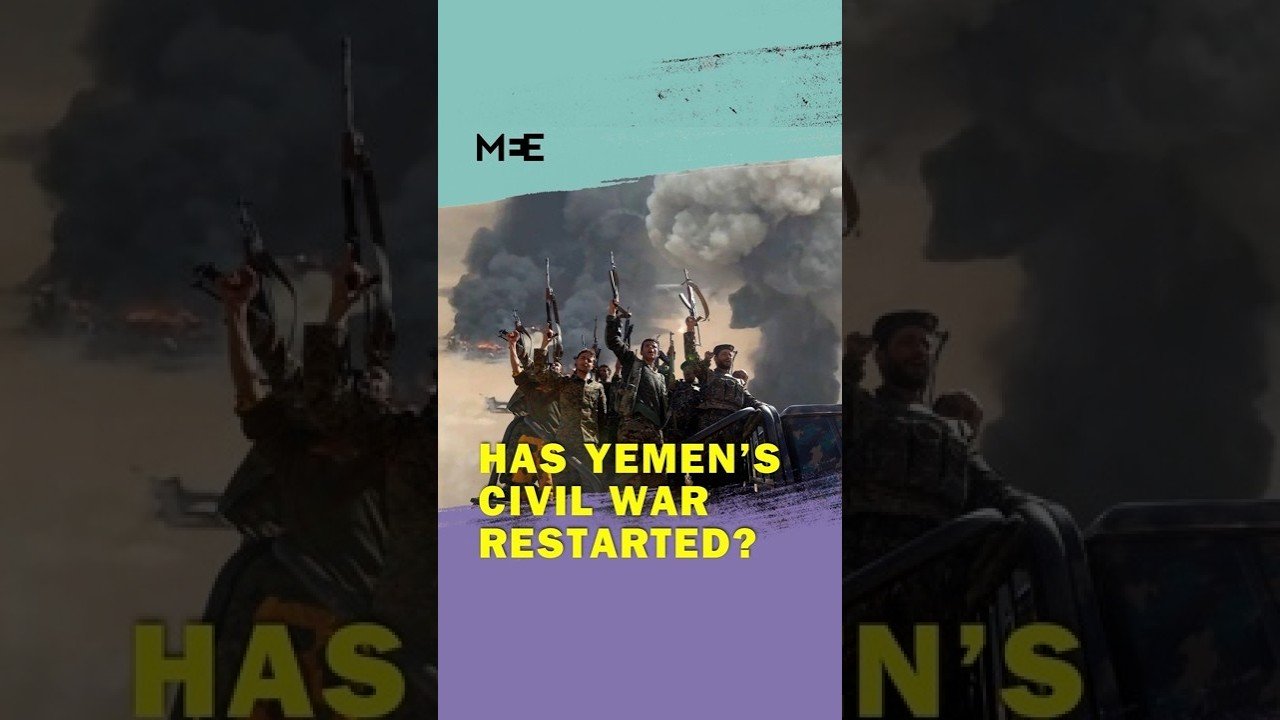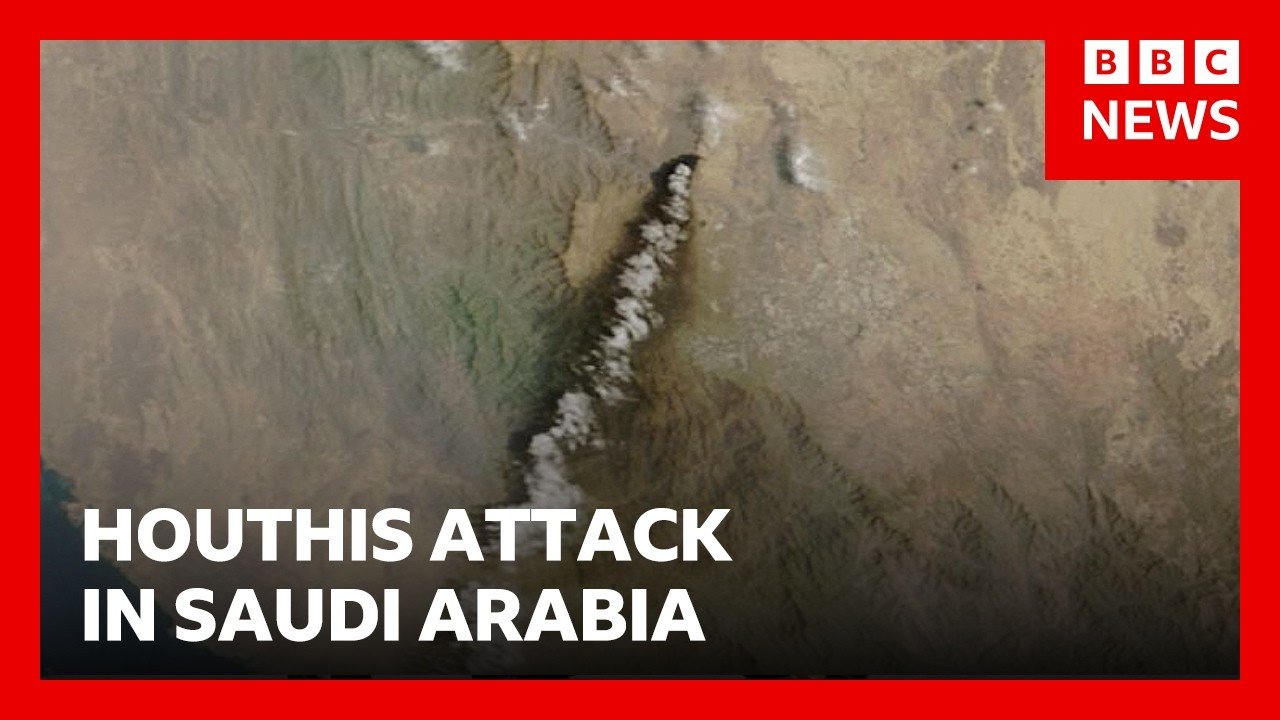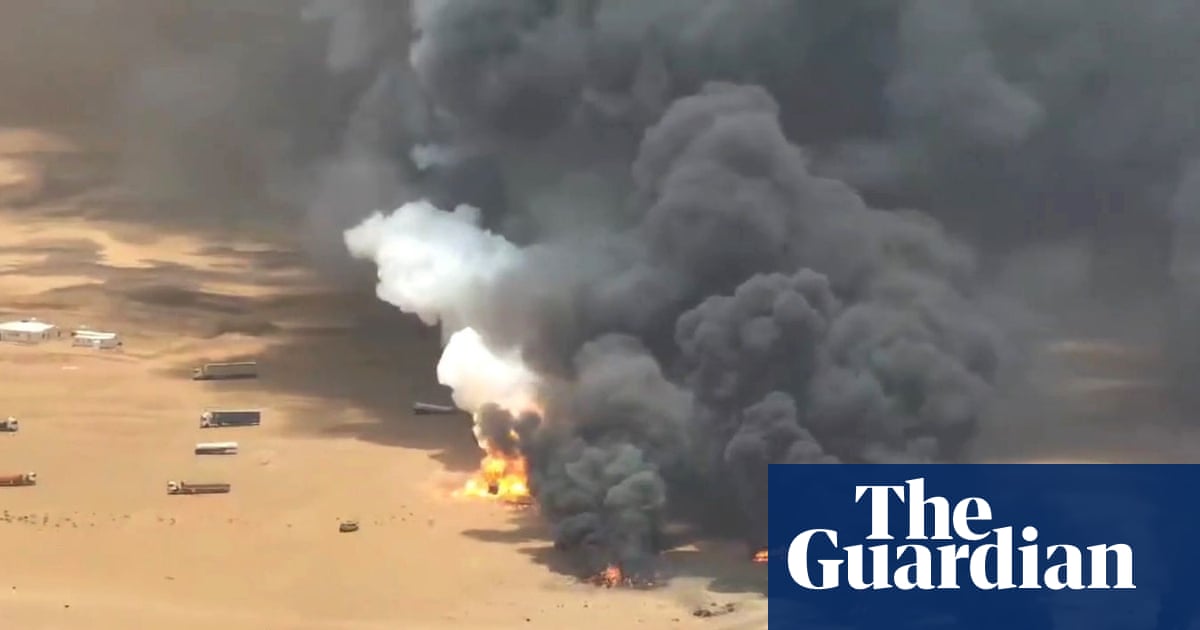

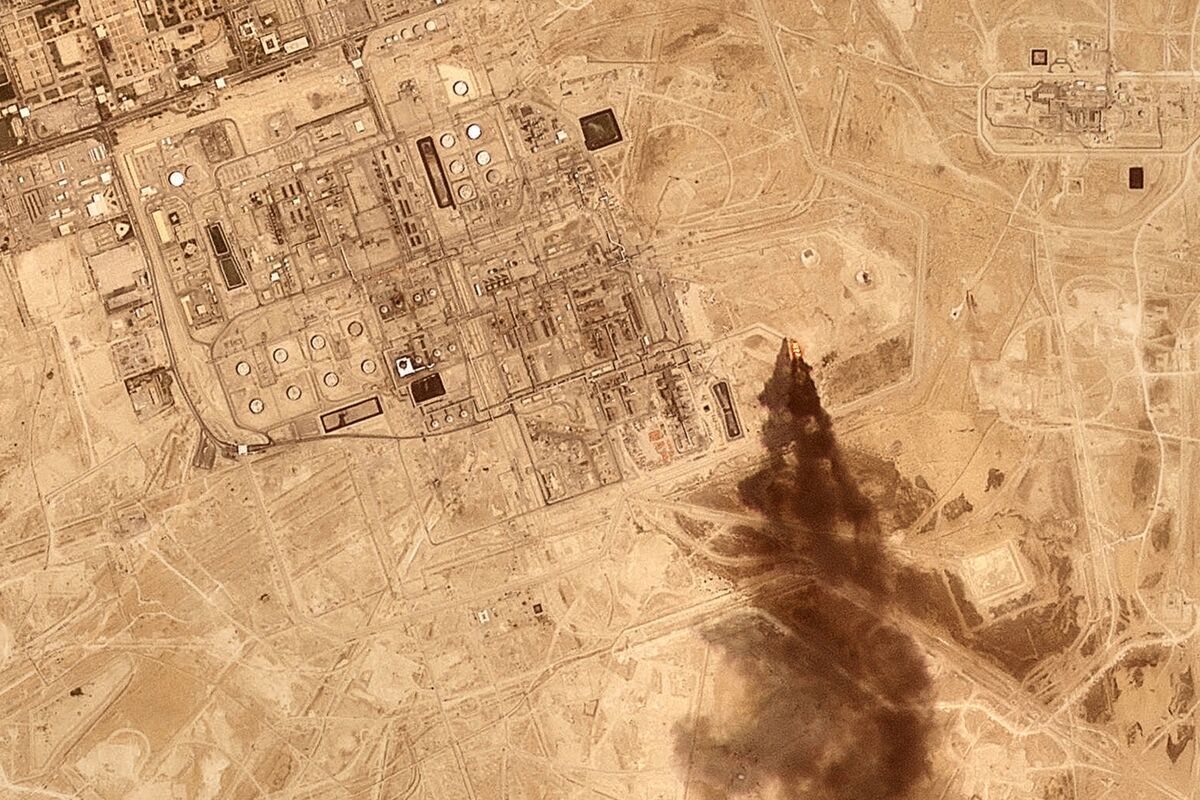


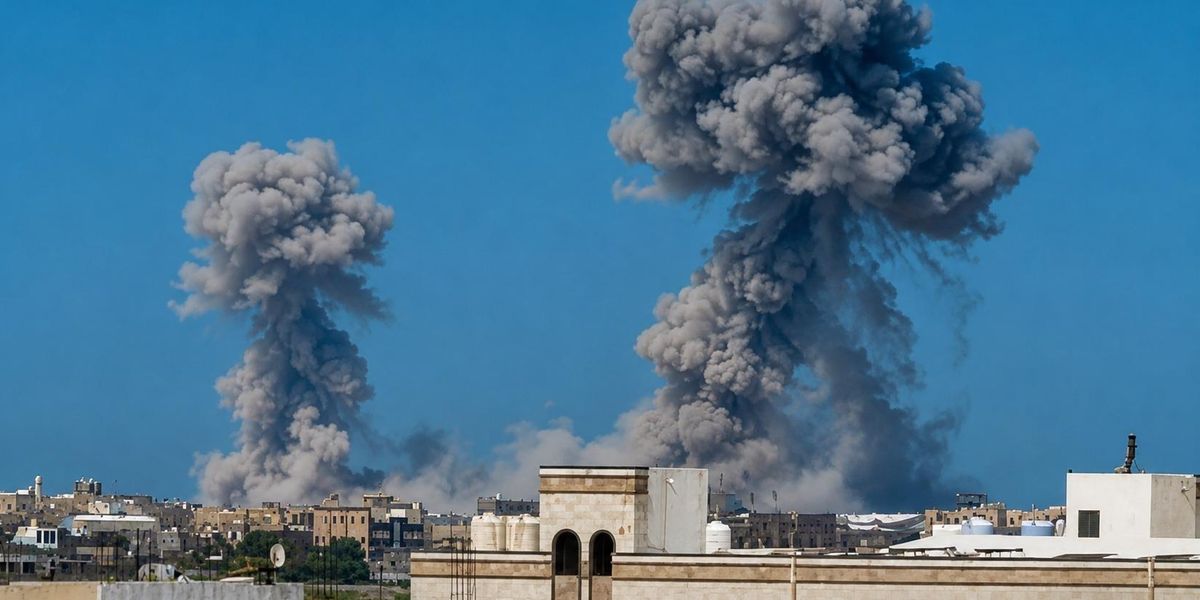


Yemen’s multi-year civil war has tipped into its most dangerous phase since 2022 after Iran-aligned Houthi rebels launched one of the largest cross-border missile and drone barrages in years against southern Saudi Arabia, wounding 73 civilians and igniting fires at energy facilities.
Riyadh has vowed retaliation as Saudi-led coalition air raids intensified over multiple Yemeni provinces and ground fighting surged around Taiz and the Red Sea coast.
From prison strike to cross-border barrage
The latest escalation unfolded over a compressed timeline, with each side citing the other’s attacks as justification for further strikes.
Alleged Saudi airstrike on Al-Hazm prison
Houthi-affiliated media reported an airstrike on September 7 on the Central Corrective Facility in Al-Hazm, the capital of Al-Jawf province, killing at least seven people, including a child, and wounding several others; later updates from Houthi health officials put the death toll at 17, with dozens trapped under rubble. Saudi Arabia has not publicly claimed responsibility for the strike.
Houthi missile–drone offensive into Saudi Arabia
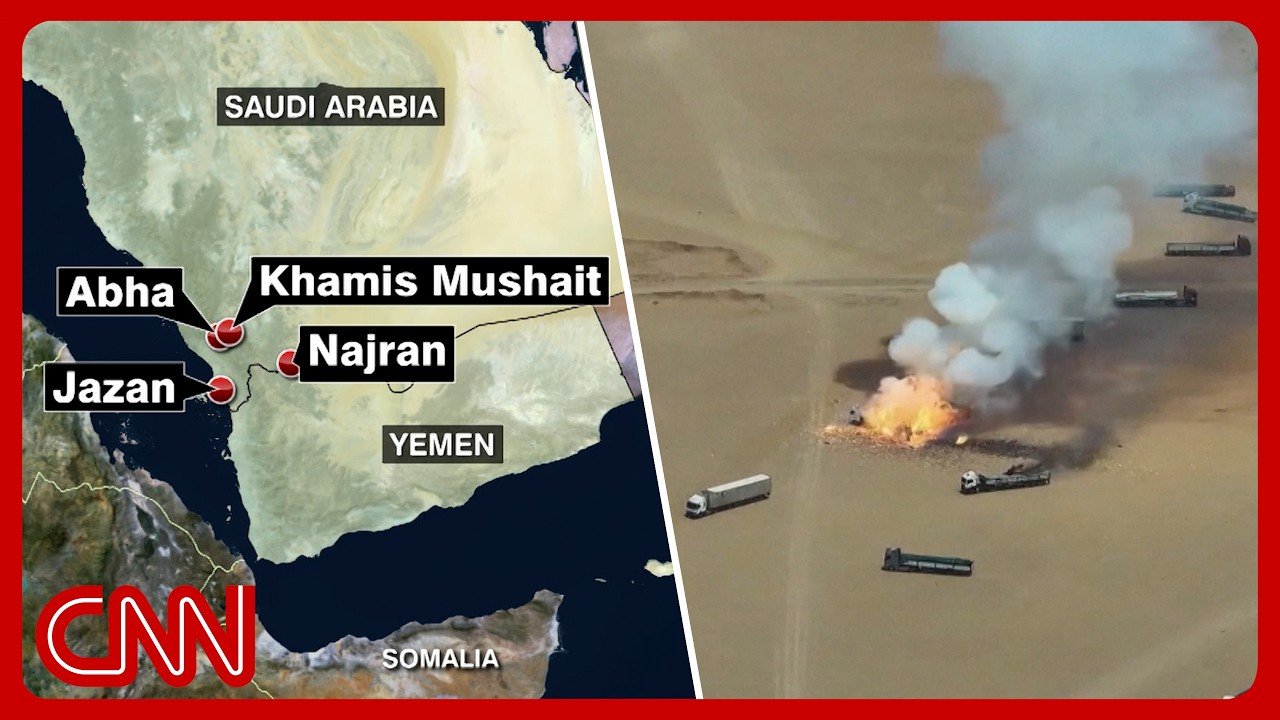
In what the Saudi-led coalition called a “dangerous escalation,” the Houthis fired dozens of ballistic missiles and drones at civilian and economic sites across four southern Saudi cities on September 8: Abha, Khamis Mushait, Jazan and Najran.
Targets included Saudi Aramco facilities in Abha, Najran and Jazan, the Jazan City for Primary and Downstream Industries complex, and King Khalid Air Base near Khamis Mushait. Fires broke out at several energy sites, operations were temporarily halted at some facilities, and civil defense alerts were issued across border regions.
On September 9, The Houthis launched another wave of missiles and drones at Khamis Mushait, Abha and Jazan, marking consecutive days of deep strikes inside the kingdom.
In response, the Saudi-led coalition conducted heavy air operations; Houthi media reported 32 airstrikes across Marib, Al-Jawf, Taiz and Hodeidah overnight, while other Houthi statements claimed 54 sorties over a 12-hour span across five regions.
Since early September, fighting has intensified most sharply in western Taiz governorate, with Houthi forces pushing through Maqbanah, Mawzaa and Jabal Habashi districts toward the coastal corridor that links Taiz to the port of Mokha (Al-Makha).
Saudi-backed Yemeni government forces say they are repelling advances and have retaken some positions, even as thousands of civilians flee toward coastal enclaves such as Al Khokha (Al-Khawkhah).
Strategic drivers: Red Sea choke points and a new defense pact
Several overlapping strategic calculations are fueling the spike in violence.
- Control of Red Sea shipping lanes: The Houthis have long sought greater leverage over maritime traffic by threatening routes near Bab al-Mandab and the Saudi-led coalition’s supply lines. Recent fighting has focused on the Taiz–Mokha–Hodeidah axis, a critical stretch where control of ports and coastal roads translates directly into influence over Red Sea commerce. With commercial shipping already disrupted in the Strait of Hormuz due to the wider U.S.–Iran conflict, both sides are using pressure on oil infrastructure and sea lanes to signal reach and extract concessions.
- Saudi energy security under direct fire: By striking Aramco facilities and the Jazan industrial hub, the Houthis are testing Saudi air defenses and aiming to raise the political and economic cost of Riyadh’s support for Yemeni government forces. Saudi officials have described the attacks as an attempt to drag the kingdom deeper into the regional war and to punish its role in the coalition.
- The Makkah defense pact enters the calculus: In August 2026, Pakistan, Saudi Arabia and Turkey signed a trilateral defense agreement in Makkah that treats an unprovoked attack on one member as an attack on all. Following the Houthi barrages, Pakistan’s Defence Minister Khawaja Asif warned that the pact could be activated if the conflict spills further onto Saudi territory, signaling that any sustained campaign against the kingdom could draw in additional military partners.
Humanitarian fallout: Displacement, civilian casualties and famine risk
The humanitarian situation is deteriorating rapidly as fighting spreads across multiple governorates.
- Civilian casualties and contested accountability. The September 7 strike on Al-Hazm prison has become a flashpoint: Houthi authorities initially reported seven dead, then revised the toll to 17, including a child and a woman, with about 20 detainees still trapped under rubble. Human rights monitors have called for an independent investigation, warning the incident could amount to a war crime if a civilian facility was intentionally targeted.
- Mass displacement along the western front. Intensified clashes in Taiz and Hodeidah have triggered a new wave of internal displacement, with thousands of families moving toward coastal towns such as Al Khokha where shelter, food and medical supplies are already scarce. Aid groups report that artillery and drone strikes have hit or threatened sensitive civilian infrastructure, including residential areas and transport routes used by displaced people.
- UN warnings of renewed famine conditions. The United Nations has issued urgent appeals for restraint, cautioning that renewed large-scale fighting risks pushing millions closer to acute food insecurity in a country that has hovered near famine for years. With energy facilities damaged, border alerts disrupting trade, and fighting near key ports, the prospects for humanitarian access and commercial imports look increasingly fragile.
What to watch next
- Saudi retaliation and possible coalition expansion. Riyadh has promised to respond “responsibly” to the Houthi attacks; the scale and targets of any counterstrikes—and whether the Makkah pact is formally invoked—could determine whether this remains a bilateral Saudi–Houthi escalation or widens into a broader regional confrontation.
- Ground battle for the Taiz–Mokha corridor. Control of the road linking Taiz to the Red Sea coast, and of ports such as Mokha and Hodeidah, will shape both military logistics and the leverage each side holds over shipping.
- Humanitarian access and cease-fire prospects. With the 2022 U.N.-brokered truce effectively collapsed, international efforts to re-establish humanitarian corridors and a new cease-fire will face stiff headwinds unless both sides perceive a strategic pause as advantageous.