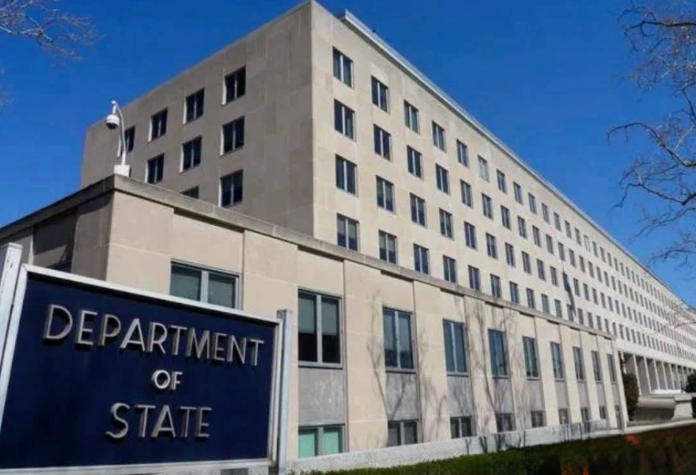
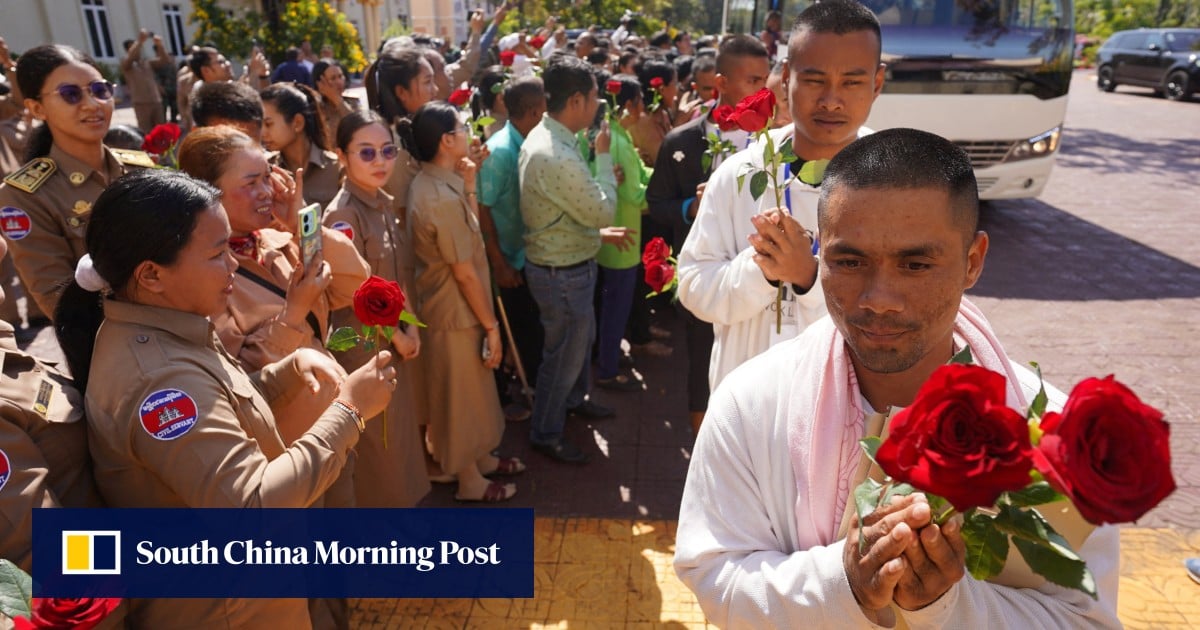
On 9 January 2026, the United States announced a $45million aid package for Thailand and Cambodia to support regional stability and reinforce a ceasefire after deadly border clashes along their shared frontier. The announcement came during a visit to Thailand by Michael George DeSombre, the US Assistant Secretary of State for East Asian and Pacific Affairs.
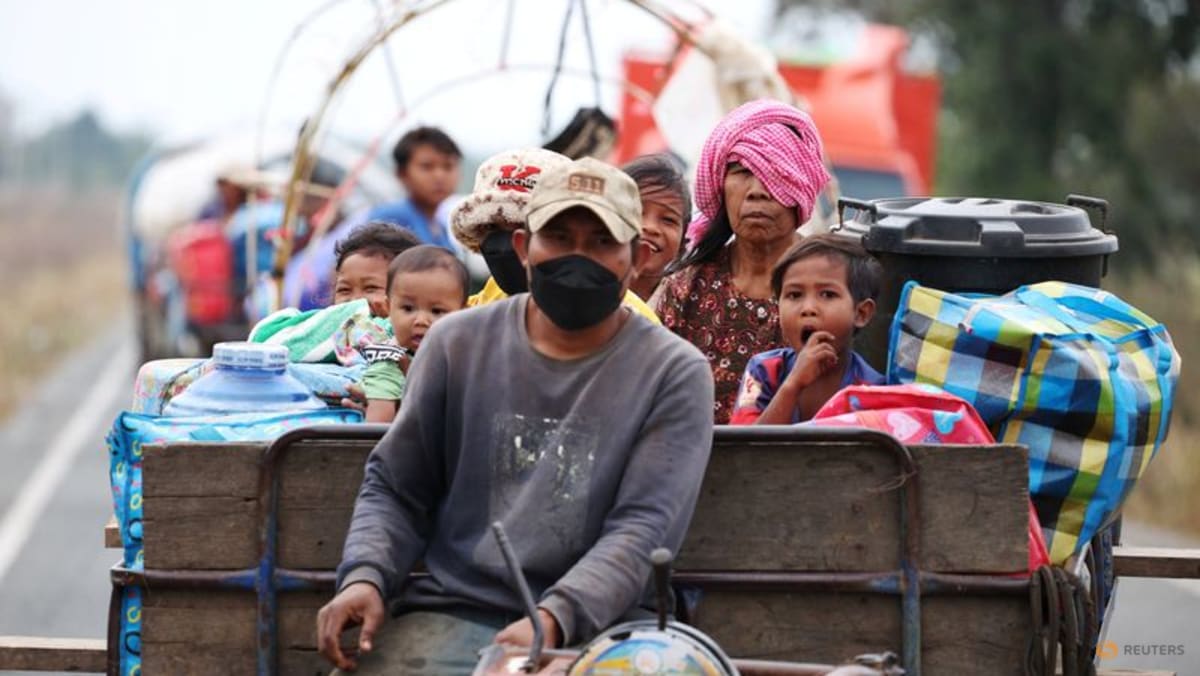
In a digital press briefing, he said the package would be divided into three parts: $20million for joint efforts to combat cyber scam operations and drug trafficking, $15million for border stabilization and humanitarian support for displaced communities, and $10million for demining and clearing unexploded ordnance along the border.
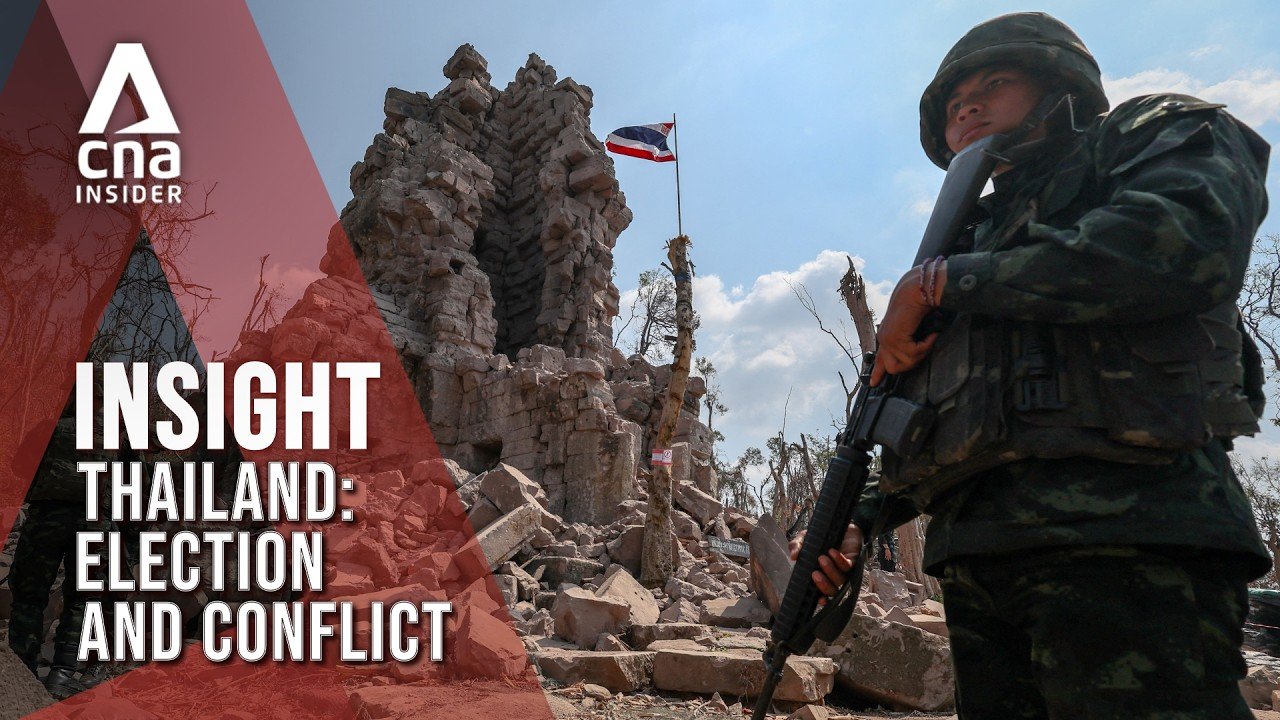
The aid followed renewed fighting along the 817-kilometre border, where longstanding territorial disputes have repeatedly flared into violence. The conflict killed at least 100 people and displaced roughly 1 million, making the ceasefire a regional priority.
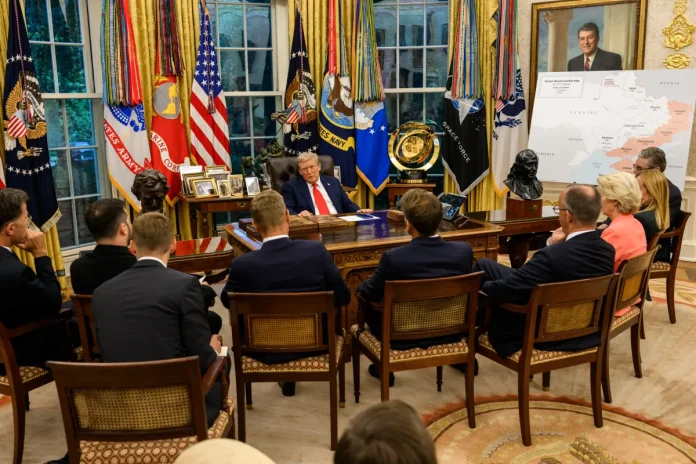
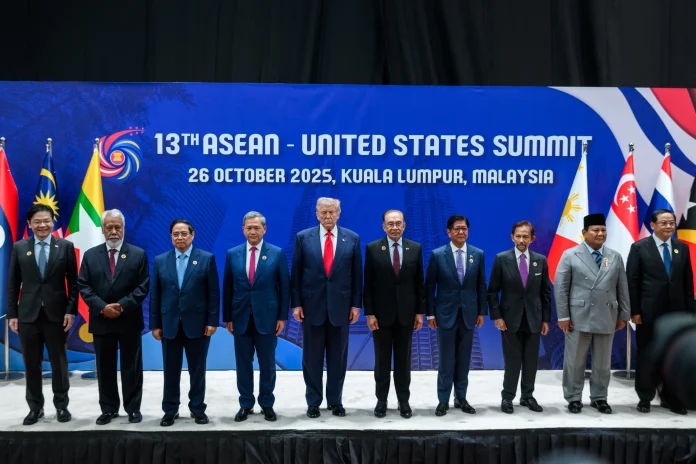
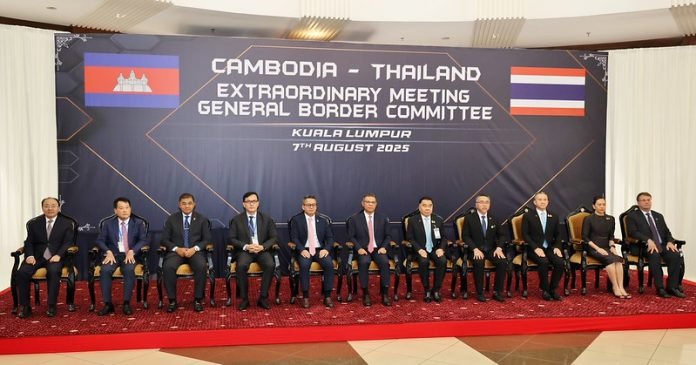
The renewed pact, signed on 27 December 2025, built on the Kuala Lumpur Peace Accords previously brokered by the United States and Malaysia.
What broke the truce
The ceasefire began to unravel in November 2025 after landmine explosions wounded Thai soldiers. Bangkok accused Cambodia of laying fresh mines in areas that had already been cleared, while Phnom Penh said the blasts were caused by old ordnance.
Tensions escalated further after political upheaval in Thailand, including the removal of Prime Minister Paetongtarn Shinawatra and the hardening of Bangkok’s nationalist stance under her successor, Anutin Charnvirakul.
Countering China’s influence in Southeast Asia
Analysts see the aid package as part of Washington’s effort to reassert influence in Southeast Asia and counter China’s growing diplomatic outreach. Beijing had already offered its own emergency assistance, and the US pledge was interpreted as a signal that Washington intended to remain a key player in the region’s security architecture.
Some observers also noted the irony of the move after earlier US aid cuts and the dismantling of USAID-related support.
China has said it is ready to support the peace process as well, raising the possibility of a broader power-sharing approach to the dispute through ASEAN frameworks. Some analysts argue that lasting peace will require cooperation rather than competition between Washington and Beijing. The challenge, however, is that the ceasefire remains fragile, and even small incidents of mortar fire could still derail the process.
Reactions from the region
Thailand welcomed the US role cautiously, with Foreign Minister Sihasak Phuangketkeow expressing appreciation while warning that the situation remained fragile.
Cambodia was more enthusiastic, with Prime Minister Hun Manet praising the American role and presenting the aid as part of a broader peace process. Phnom Penh has also sought to internationalize the dispute, viewing US involvement as a way to strengthen its territorial claims.
UN High Commissioner for Human Rights Volker Türk urged both governments to use the aid to protect civilians, ensure redress for victims, and safeguard cultural sites such as Preah Vihear. He also warned against inflammatory rhetoric that could once again unravel the truce.
For now, skepticism remains over whether the package can be effectively implemented without a more durable peace on the ground.
Read also:
2025 Kuala Lumpur Peace Accord
2025 Cambodian–Thai border crisis
2026 Thailand snap general elections
Thai court removes PM Paetongtarn Shinawatra