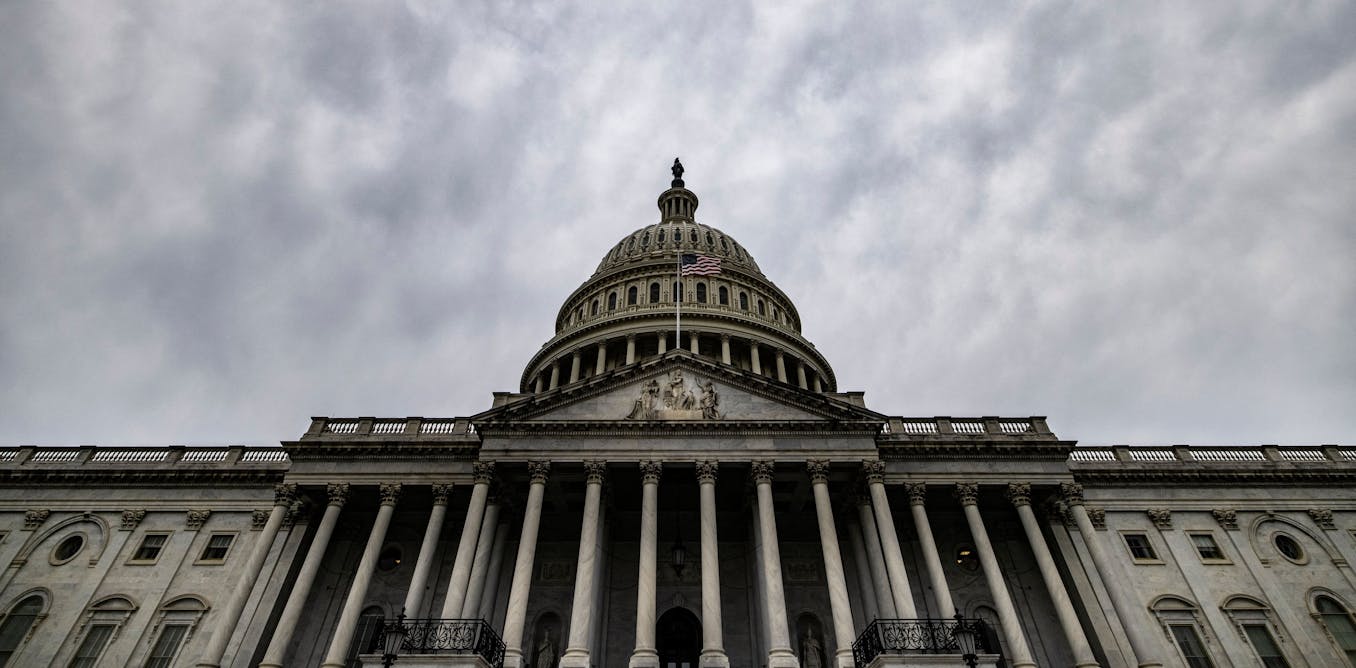
The United States federal government shut down for 43 days from October 1 to November 12, 2025, after Congress failed to pass funding for the 2026 fiscal year. It became the longest government shutdown in US history and left hundreds of thousands of federal workers furloughed or working without pay.
The impasse centered on a Republican-backed continuing resolution that Senate Democrats repeatedly blocked. After 14 failed votes, a bipartisan group of eight Senate Democrats and one independent broke from party leadership and helped pass a compromise bill.
The House approved the measure on November 12, and Trump signed it the same day, formally ending the shutdown.
What drove it
The biggest fight was over Affordable Care Act subsidies. Democrats wanted the enhanced premium tax credits, which help roughly 24million Americans afford health insurance, extended as part of the funding deal. Republicans insisted that health care policy should be negotiated separately from the budget process.
Tensions also rose after Trump signed a broad tax-and-spending package earlier in 2025 that increased defense spending while cutting Medicaid and adding new work requirements. Democrats tried to use the shutdown deadline to reverse some of those changes and roll back restrictions on coverage for legal immigrants.
Another flashpoint was the administration’s use of “pocket rescissions” to cancel previously approved funding for agencies such as USAID and the State Department, which critics said undermined Congress’s power of the purse.
How it affected people
The shutdown disrupted public benefits, including a major freeze in SNAP payments before courts stepped in. The FAA ordered flight cuts at 40 major airports because of staffing shortages among air traffic controllers, leading to more than 1,700 cancellations.
National parks stayed mostly open with limited staff, creating safety and sanitation problems. The Congressional Budget Office estimated the shutdown could permanently erase between $7billion and $14billion from the US economy.
The resolution
The agreement funded the government through January 30, 2026. It provided full funding for the Agriculture Department, Veterans Affairs and military construction, required the rehiring of federal workers laid off during the shutdown, and promised a separate vote on ACA tax credits by mid-December.
The resolution ended the immediate crisis, but it left unresolved the deeper fight over health care subsidies, federal spending power and how much leverage either party can extract in future budget battles.
Read also:
House Report: The “Biden Autopen Presidency”
2025 US government group chat leak (Signalgate)
US President Trump deploys National Guard across cities