In 2025, the Trump administration escalated its fight with the International Criminal Court by imposing sanctions on ICC officials over the court’s investigations into alleged war crimes involving US personnel in Afghanistan and Israeli leaders in Gaza. The measures marked one of the most aggressive US confrontations with the court in years.
On February 7, 2025, Trump signed an executive order authorizing sanctions against ICC officials and, in some cases, their family members if Washington determined they were involved in probes of US citizens or close allies. The administration argued the court was pursuing “illegitimate and baseless actions” and interfering with US and allied sovereignty.
This malign conduct in turn threatens to infringe upon the sovereignty of the United States and undermines the critical national security and foreign policy work of the United States government and our allies, including Israel.
US President Donald Trump wrote in his Executive Order
The first target was ICC Chief Prosecutor Karim Khan. Later sanctions expanded to include several judges and deputy prosecutors, with the administration saying the court was engaging in “lawfare” against the United States and Israel.
Why it escalated
The move followed the ICC’s November 2024 push for arrest warrants for Israeli Prime Minister Benjamin Netanyahu and former defense minister Yoav Gallant over alleged war crimes and crimes against humanity in Gaza. The administration framed the court’s actions as an attack on Israel and a threat to US national security.
Trump said the ICC should respect the choice of countries that do not accept its jurisdiction. Netanyahu praised the move, calling the court corrupt and antisemitic.
Thank you, President Trump, for your bold ICC executive order. It will defend America and Israel from the anti-American and antisemitic corrupt court that has no jurisdiction or basis to engage in lawfare against us.
Israel’ prime minister Benjamin Netanyahu said in response
Further sanctions
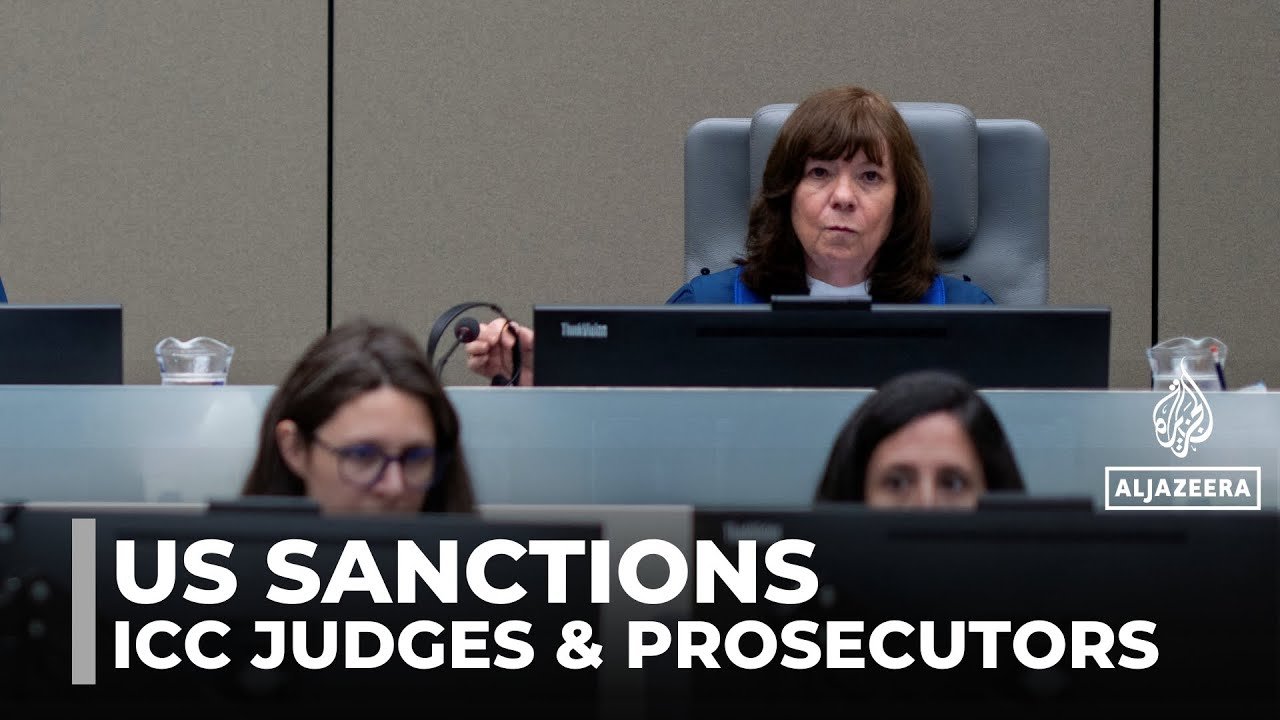
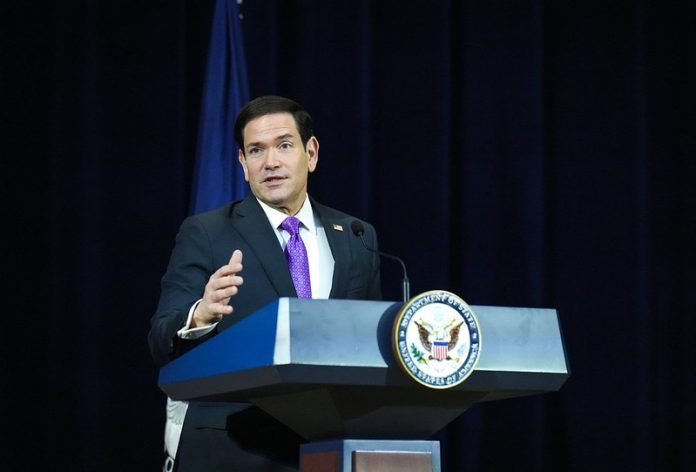
On June 5, Secretary of State Marco Rubio expanded sanctions to include four judges: Solomy Balungi Bossa (Uganda), Luz del Carmen Ibanez Carranza (Peru), Reine Adelaide Sophie Alapini Gansou (Benin), and Beti Hohler (Slovenia). He characterized the ICC as a “bankrupt institution” and a “national security threat” that engages in “lawfare” against the US and Israel.
In August, sanctions were also imposed on two additional judges and deputy prosecutors: Kimberly Prost (Canada), Nicolas Yann Guillou (France), Nazhat Shameem Khan (Fiji) and Mame Mandiaye Niang (Senegal).
On December 18, judges Gocha Lordkipanidze (Georgia) and Erdenebalsuren Damdin (Mongolia) were also sanctioned for their role in rejecting Israel’s challenge to the ICC’s jurisdiction.
The sanctions have had sweeping effects: they freeze any property or financial interests the targeted officials hold within US jurisdiction, bar American individuals and companies from providing them with funds, goods or services, and block them and their immediate family members from entering the United States.
Judges have said the fallout has been deeply disruptive in their personal lives, with banks cutting off credit cards, online accounts such as Amazon becoming inaccessible, and family members’ visas being revoked.
Legal pushback
The sanctions triggered legal challenges in the United States. In July 2025, US District Judge Nancy Torresen blocked enforcement of parts of the order, ruling that the government could not punish Americans for providing speech-based services to the ICC.
The injunction did not block the underlying sanctions already imposed on foreign individuals, such as ICC Chief Prosecutor Karim Khan or the various judges. These individuals remain on the US Treasury’s sanctions list, meaning their US assets are frozen and they remain barred from entering the country.
Wider fallout
ICC condemned the moves as a direct attack on judicial independence, while human rights groups and international legal bodies warned that the measures undermined the global rules-based order.
In December 2025, reports also suggested the Trump administration privately warned the ICC that it could broaden the sanctions from individuals to the institution itself unless the court dropped its Gaza-related cases and ended its Afghanistan probe.
The administration set three primary conditions to avoid these broader “entity-wide” sanctions. It demanded the ICC to amend its founding Rome Statute to explicitly exempt President Trump, the Vice President, and senior officials from prosecution after Trump’s term ends in 2029. It also required the court to cancel arrest warrants and drop all investigations into Israeli leaders and formally and permanently end investigations into alleged war crimes by US troops in Afghanistan. The ICC’s presidency and Assembly of States Parties (the 125 member nations) have stated that amendments to the Rome Statute are the “prerogative of states parties” and cannot be changed by an external ultimatum.
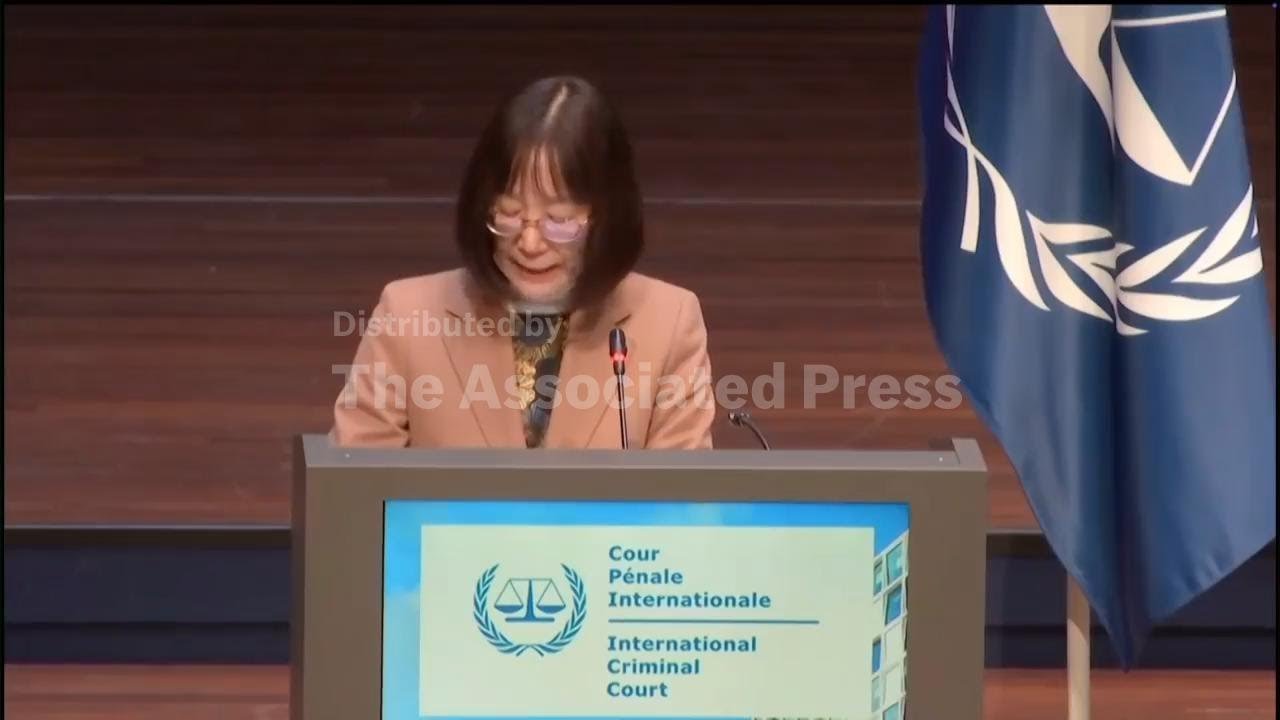
Current ICC President Tomoko Akane vowed that the institution would not yield to outside pressure.
Why it matters
The sanctions turned a long-running dispute over the ICC into a broader test of US power, international law and accountability for wartime conduct. They also deepened the rift between Washington and the court just as the ICC was pursuing some of the highest-profile cases in its history.