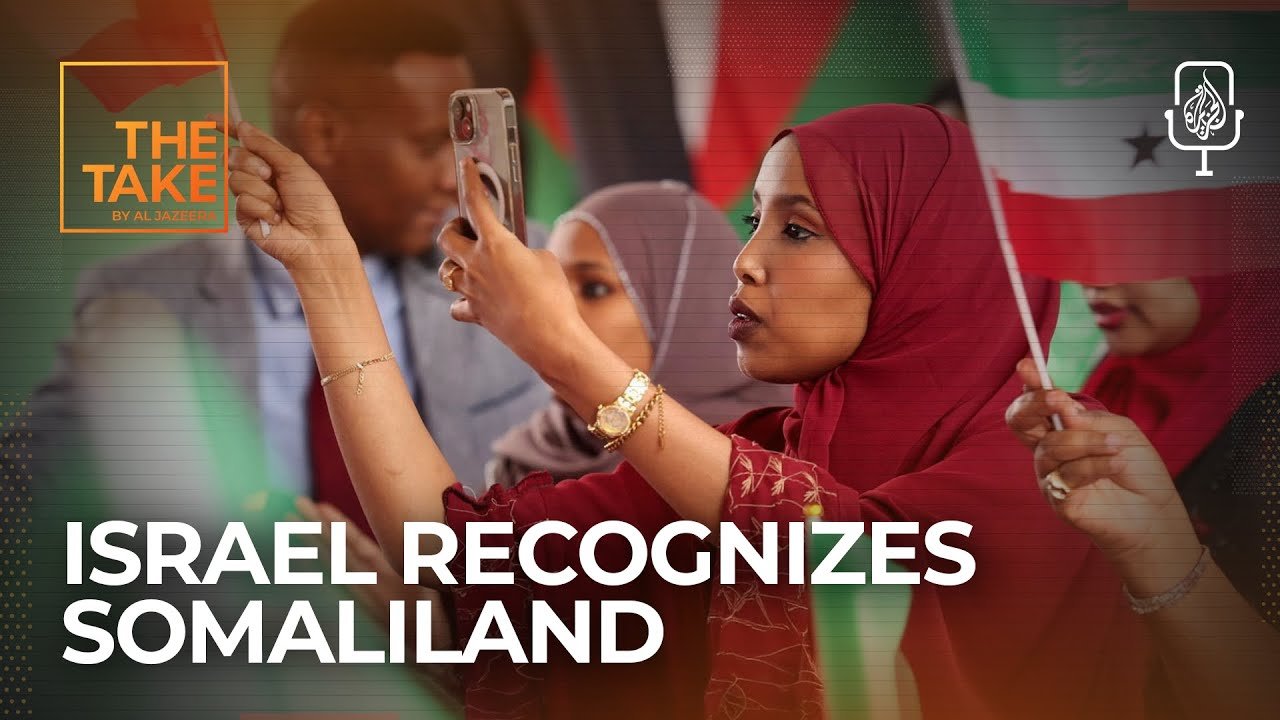
On Dec. 26, 2025, Israel became the first UN member state to formally recognize Somaliland as a sovereign and independent nation, ending more than three decades of diplomatic isolation for the breakaway territory. Somaliland has functioned as a de facto state since declaring independence from Somalia in 1991.
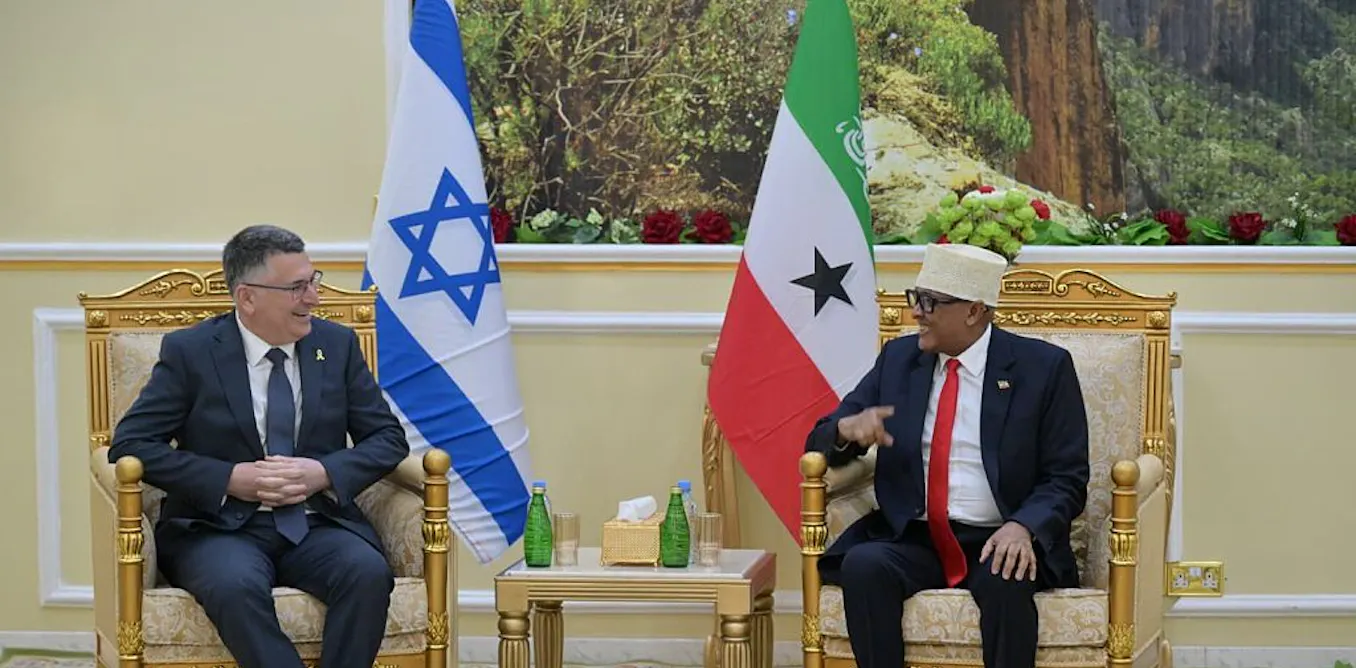
The recognition was finalized through a joint declaration signed by Israeli Prime Minister Benjamin Netanyahu and Somaliland President Abdirahman Mohamed Abdillahi, also known as Irro. In early January 2026, Israeli Foreign Minister Gideon Sa’ar visited Hargeisa, where the two sides agreed to open full embassies.
Strategic motivations
Israel has framed the move partly in strategic terms, seeking a stable partner in the Horn of Africa as it looks to counter Houthi activity in Yemen. Somaliland’s 850-kilometer coastline along the Gulf of Aden also offers potential value for maritime monitoring and intelligence sharing.
The two sides have also discussed broader cooperation in water management, agricultural modernization, and technology. Reports have also pointed to possible interest in Somaliland’s mineral wealth, including a so-called “Lithium-for-Tech” framework.
Regional backlash
Somalia condemned the recognition as a “flagrant assault” on its sovereignty and declared it null and void. In response, Mogadishu terminated several security and defense agreements with the UAE, accusing Abu Dhabi of helping facilitate the deal.
More than 30 countries and regional blocs, including the African Union, Arab League, and Organization of Islamic Cooperation, rejected the move. They warned it could undermine Somalia’s territorial integrity and encourage separatist movements elsewhere in Africa.
International response
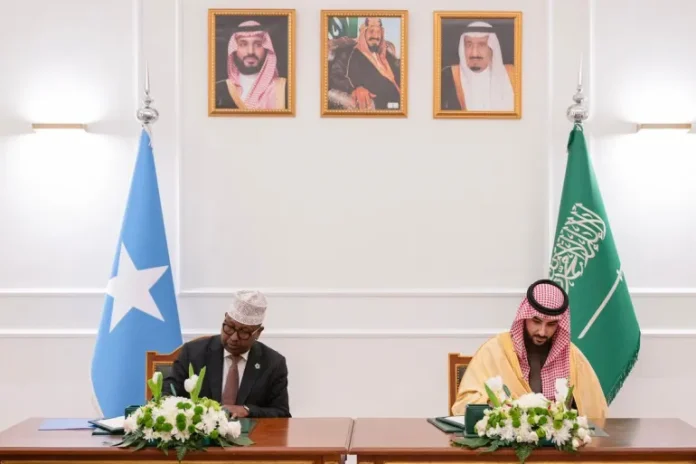
The Organization of Islamic Cooperation held an extraordinary meeting in Jeddah on January 1, 2026, calling Israel’s action a gross violation of international law and a threat to Red Sea security.
On January 6, the African Union Peace and Security Council met in a ministerial session and rejected the move as a dangerous precedent for secessionist movements across the continent.
UN Security Council
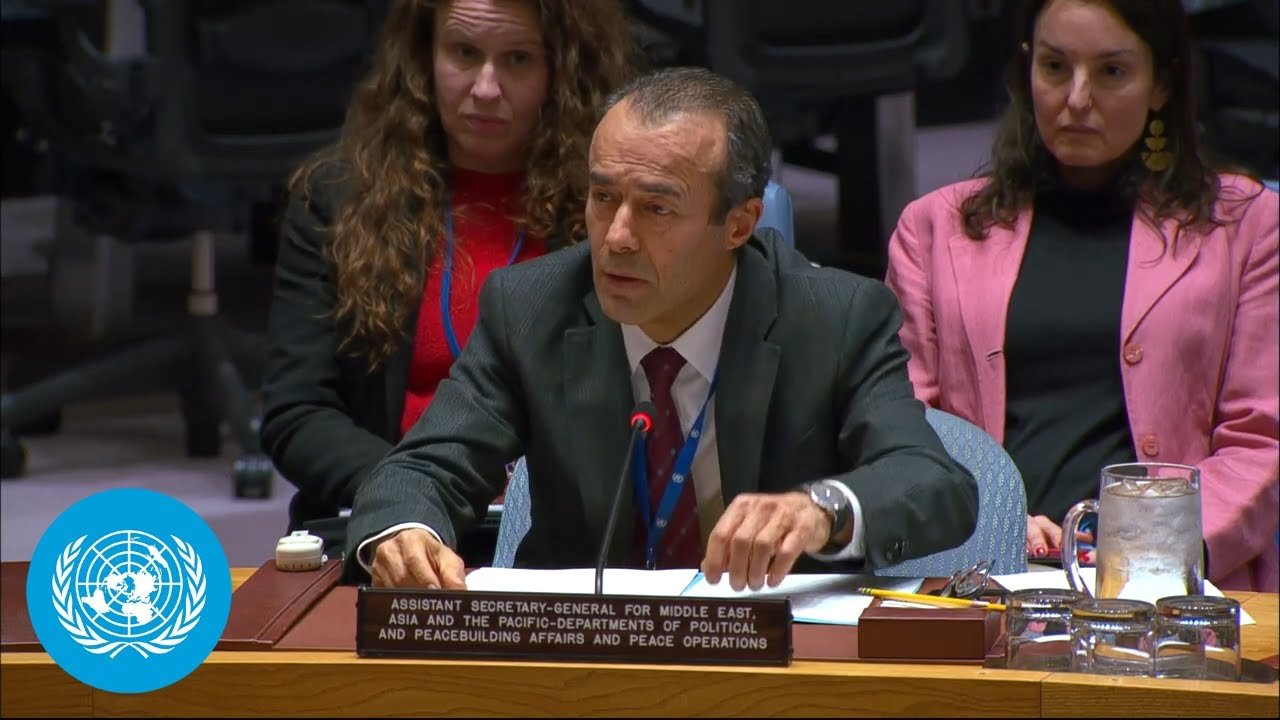
The issue was also taken up at an emergency session of the United Nations Security Council on December 29, 2025, requested by Somalia and backed by Algeria, Guyana, and Sierra Leone. Fourteen of the 15 council members criticized or condemned the recognition and reaffirmed support for Somalia’s territorial integrity.
The United States did not condemn Israel’s move. Deputy Representative Tammy Bruce defended Israel’s right to conduct its own diplomatic relations, while saying Washington’s policy on a “One Somalia” remained unchanged.
Broader dispute
During the meeting, Somali and Arab League representatives accused Israel of seeking to use Somaliland as a destination for the forced relocation of Palestinians from Gaza. Israel rejected that claim and described the recognition as a principled acknowledgment of Somaliland’s long-running de facto independence.
The US also criticized what it called double standards, arguing that recognition of Somaliland had triggered an emergency session while recognition of a Palestinian state had not prompted the same response. Other members rejected that comparison, noting that Somaliland is part of a UN member state, while Palestine has observer-state status.
By early February 2026, the United Nations still recognized Somaliland only as part of the Federal Republic of Somalia.