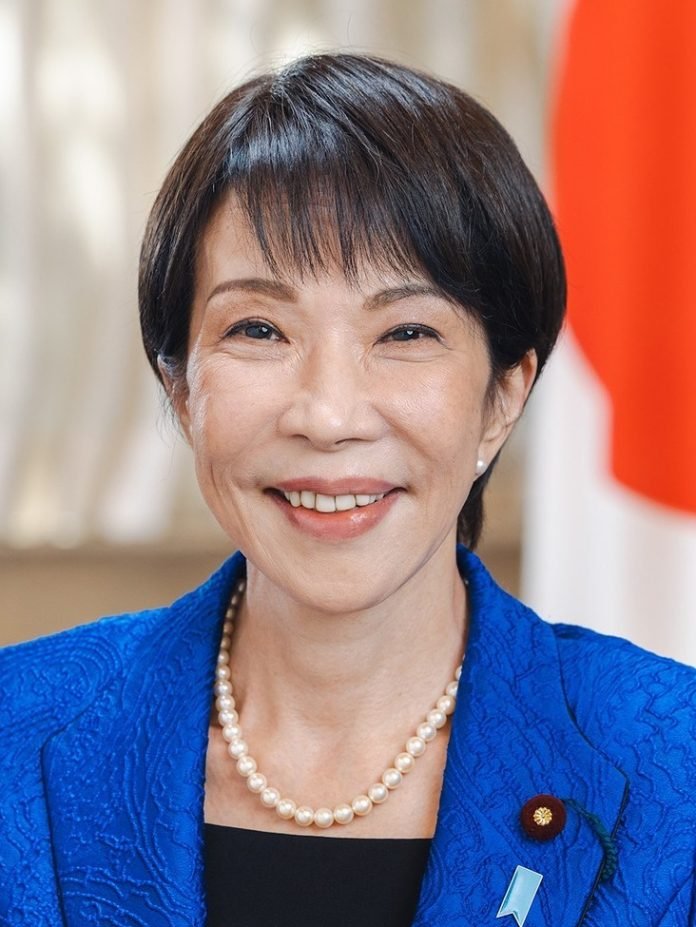
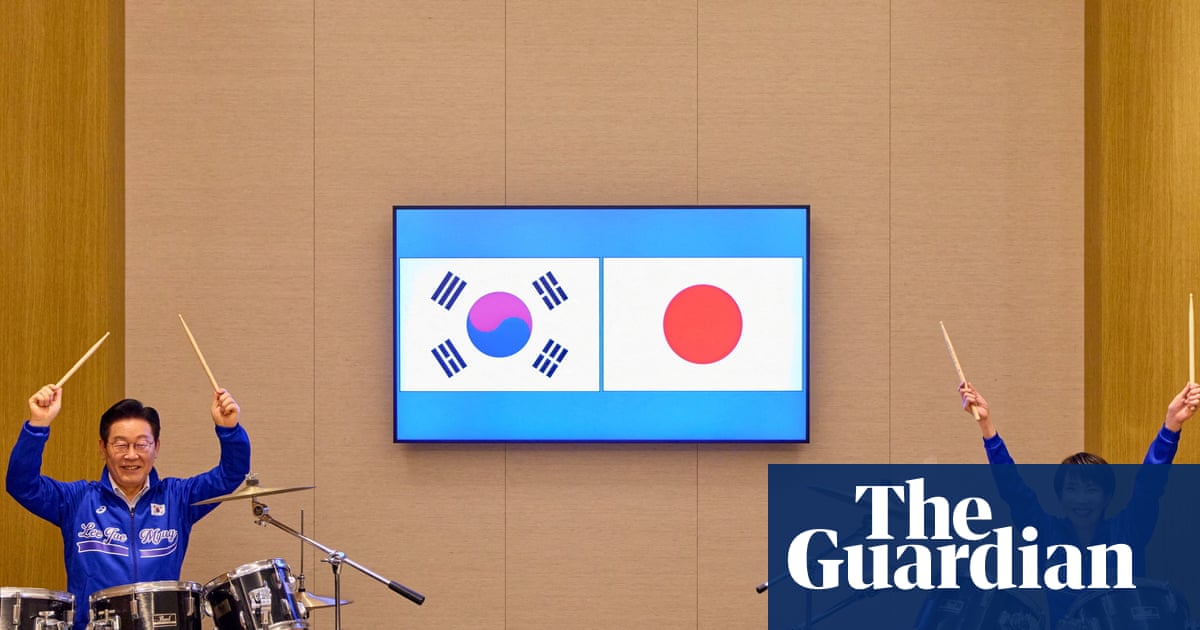
On January 13, 2026, Japanese Prime Minister Sanae Takaichi and South Korean President Lee Jae-myung held a pivotal summit in Nara, Japan to reinforce bilateral ties amid rising regional tensions. Choosing Nara, an ancient capital with deep historical ties to the Korean Peninsula, was intended to symbolize a “future-oriented” relationship rooted in long-standing cultural exchange.
In their joint press statement, President Lee Jae-myung and Prime Minister Sanae Takaichi described the summit as a “vigorous step together toward a new 60 years” of relations, following the 60th anniversary of normalized ties in 2025.
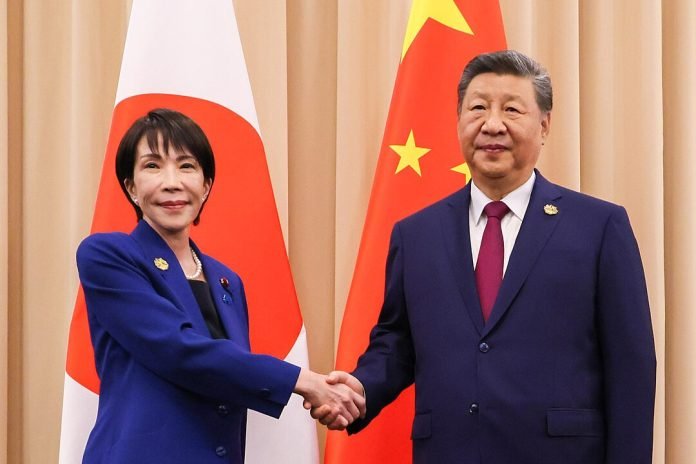
The meeting occurred shortly after President Lee’s visit with Chinese President Xi Jinping. It served as a critical platform for both nations to align their positions as they navigate a complex “new Cold War” dynamic involving the US, China, and Russia.
Leaders align on security, economy amid US-China-Russia tensions
The meeting occurred shortly after President Lee’s visit with Chinese President Xi Jinping, serving as a critical platform for both nations to align their positions as they navigate a complex “new Cold War” dynamic involving the US, China, and Russia.
The leaders focused on economic security and regional stability, specifically discussing securing rare earth supply chains and industrial resilience, cooperation on Artificial Intelligence (AI) and science and technology, addressing the denuclearization of North Korea, and combating transnational crimes such as cross-border online scams.
The leaders reaffirmed their commitment to “shuttle diplomacy,” regular reciprocal visits to maintain steady communication, with Prime Minister Takaichi accepting an invitation to visit South Korea later in the year to further elevate the strategic partnership.
In their joint press statement, President Lee Jae-myung and Prime Minister Sanae Takaichi described the summit as a “vigorous step together toward a new 60 years” of relations, following the 60th anniversary of normalized ties in 2025.
Concrete agreements on supply Chains, forced Laborers, anti-scam taskforce
Both nations agreed to launch formal talks to stabilize supply chains, specifically focusing on rare earth minerals and semiconductors to reduce reliance on China, and committed to deepening cooperation in Artificial Intelligence (AI), intellectual property protection, and broader science and technology.
In a landmark humanitarian agreement, the two countries will conduct DNA analysis to identify the remains of Korean forced laborers found at the Chosei undersea coal mine in Yamaguchi, which flooded in 1942.
On security, they reaffirmed commitment to the complete denuclearization of the Korean Peninsula and close coordination with the US, while Japan agreed to join a South Korean-led international anti-scam task force to combat cross-border fraud and phishing.
The leaders also pledged to translate discussions on low birthrates, aging populations, and disaster prevention into concrete policies via the Korea-Japan Common Social Issues Council, and committed to simplifying immigration procedures for students and expanding mutual recognition of professional qualifications to foster ties between younger generations.
Drumstick diplomacy: K-Pop duet signals soft power approach
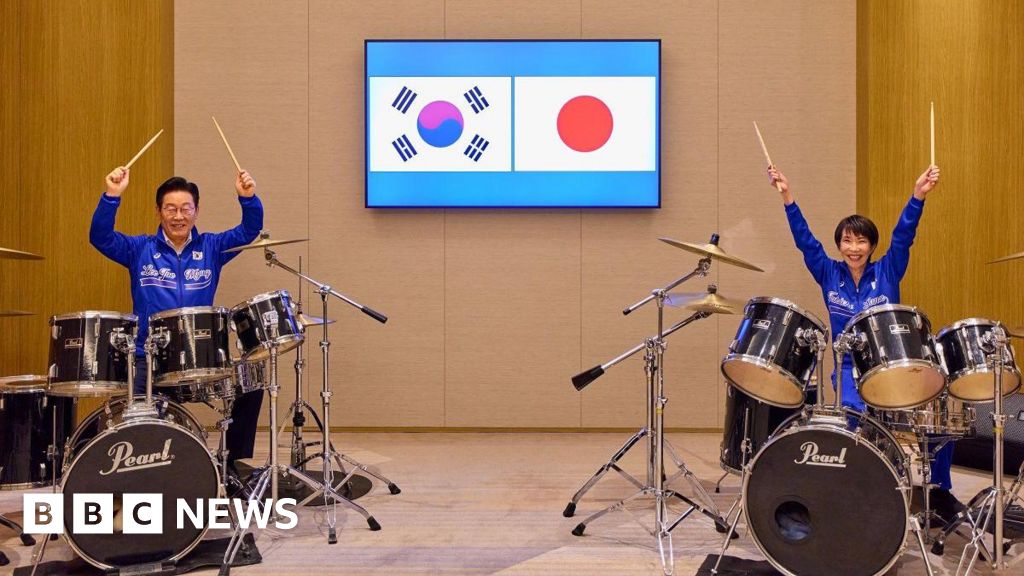
In a highly publicized “surprise” moment that drew international attention, the two leaders performed a K-pop drum duet to showcase their amicable personal rapport. Prime Minister Takaichi organized the session as a surprise after President Lee mentioned at the 2025 APEC summit that playing the drums was a “lifelong dream.”
They performed a 20-minute medley of K-pop hits, including BTS’s “Dynamite” and “Golden” from the Netflix animated film KPop Demon Hunters. Takaichi, a former heavy metal drummer in a college band and a self-confessed fan of bands like Iron Maiden and Black Sabbath, led the session, while President Lee, an “aspiring novice,” reportedly learned the basics in just 5–10 minutes for the event.
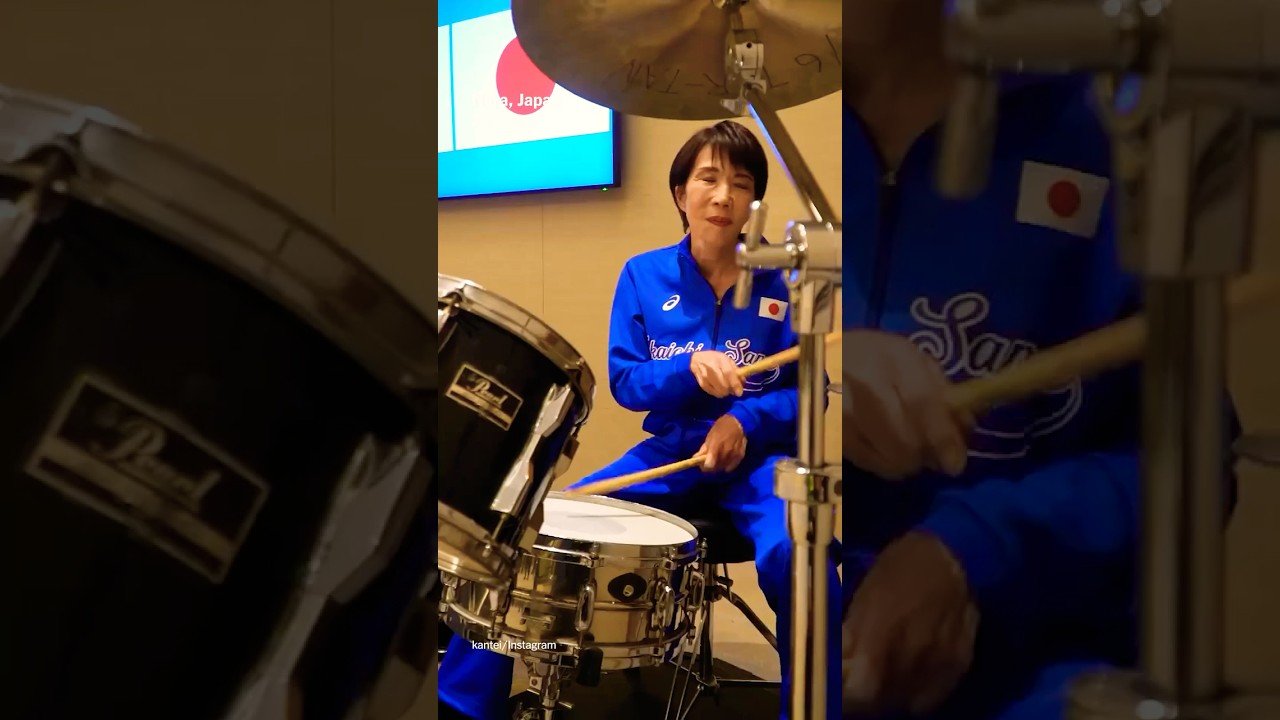
The theme extended to their official gifts: Takaichi gave Lee personalized drumsticks engraved with his name, while Lee reciprocated with a Markers brand drum set and drumsticks embellished with traditional Korean lacquerware.
President Lee later likened the duet to their diplomatic efforts, posting on X that even though their “timing was slightly different,” their shared intention to “find the same rhythm” reflected a commitment to a future-oriented relationship.
Analysts viewed the event as a calculated use of soft power to signal a new era of cooperation despite lingering historical tensions, comparing it to “panda diplomacy” that uses shared cultural interest (K-pop) to break the ice and humanize the leadership for a younger domestic audience in both countries.
Read also: Japan-China Diplomatic Crisis 2025