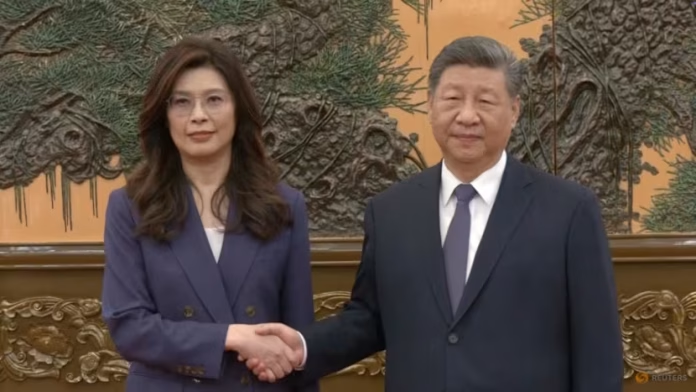
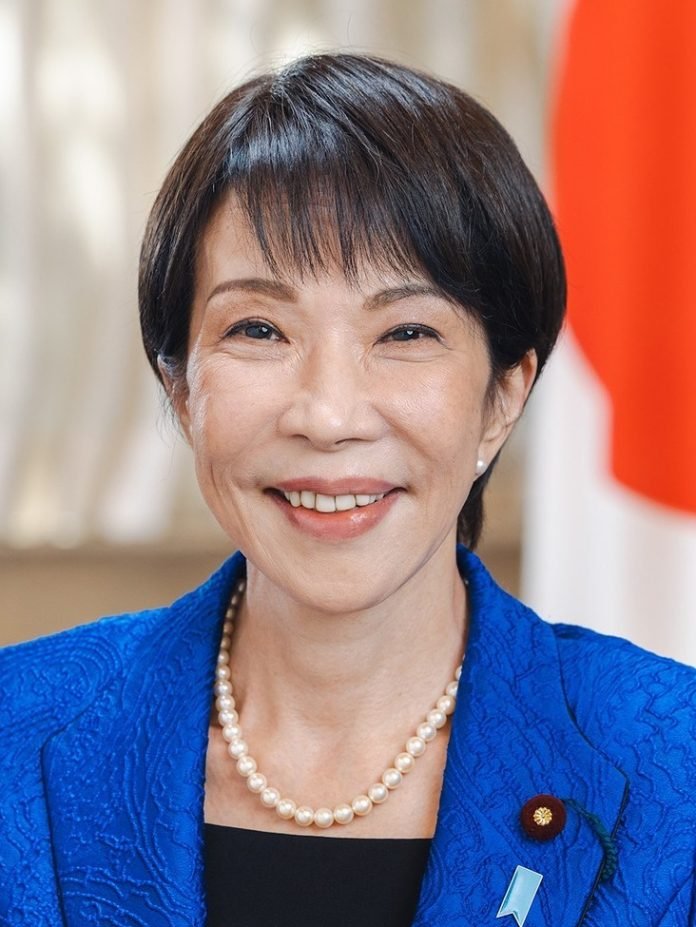
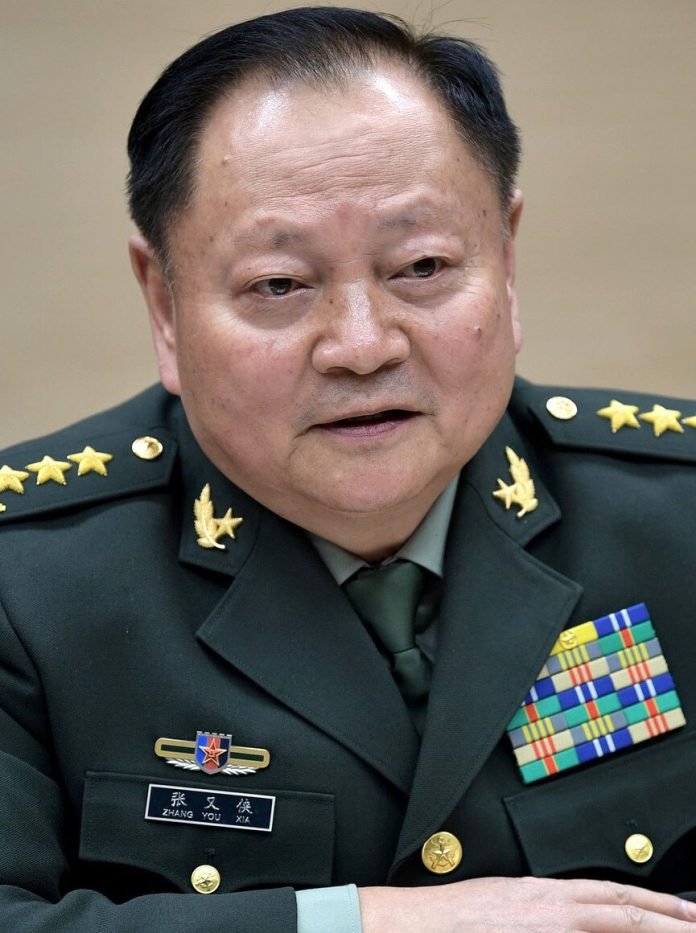
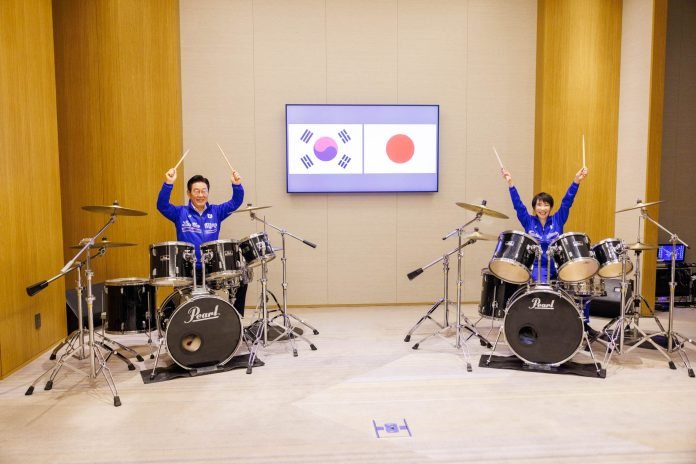
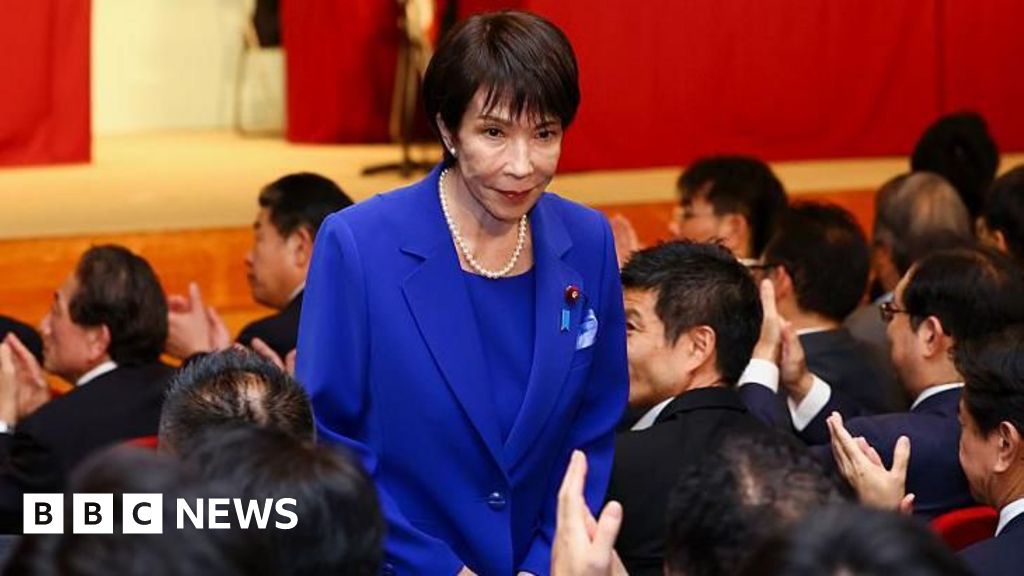
China-Japan relations have long swung between cooperation and confrontation, but economic interdependence usually kept disputes from spiraling. That changed in 2025, when remarks by Prime Minister Sanae Takaichi on Taiwan triggered one of the sharpest diplomatic rifts in years.
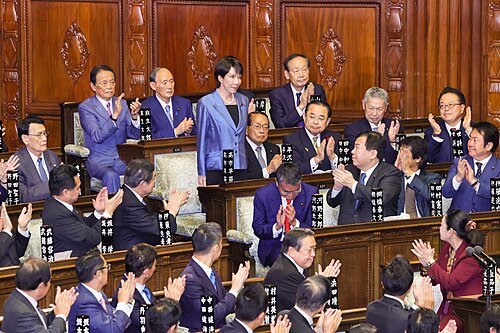
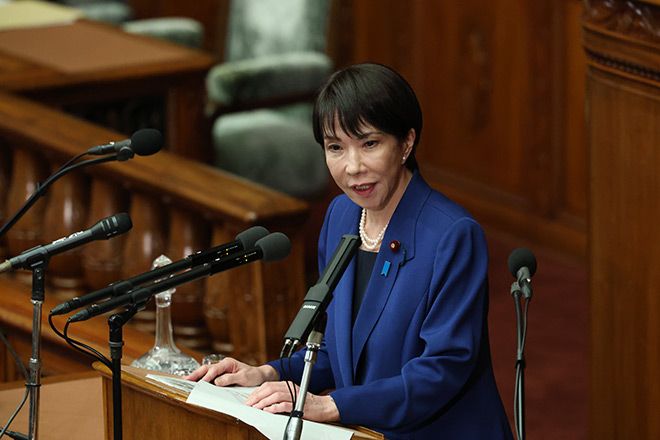
The crisis began on November 7, 2025, when Takaichi told parliament that a Chinese military attack on Taiwan could amount to a “survival-threatening situation” under Japan’s security laws, potentially justifying a military response. Beijing reacted quickly, summoning Japan’s ambassador and condemning what it called interference in China’s internal affairs.
The row intensified after Chinese officials, including Consul General Xue Jian, issued increasingly combative warnings online. Japan then called for discipline, while both governments traded accusations over Taiwan and the risk of military escalation.
If warships are used, accompanied by an act of force (in a Taiwan contingency), I believe this would undoubtedly constitute a case that could become a survival-threatening situation.
Sanae Takaichi’s original translated comment in parliament
China’s retaliation
China responded with economic and diplomatic pressure. It banned Japanese seafood imports, cut cultural exchanges, restricted Japanese films, and issued travel warnings that hit tourism hard.
Chinese airlines also scaled back Japan routes, with more than 1,900 flights reportedly canceled and roughly 500,000 tickets already voided. The fallout quickly spread to restaurants, tourism businesses and real estate investment tied to Chinese visitors.
If Japan dares to attempt an armed intervention in the cross-Strait situation, it would be an act of aggression. China will resolutely exercise its right to self-defense under the UN Charter and international law, firmly safeguarding its sovereignty and territorial integrity.
China’s UN Ambassador Fu Cong warned in a letter to the UN
Japan’s response
Tokyo has mostly kept its public response restrained, urging dialogue while standing by its position. But the dispute has come alongside a sharper Chinese coast guard presence near disputed islands and fresh safety warnings for Japanese nationals in China.
Analysts say the crisis has revived memories of earlier flare-ups in 2010 and 2012, when tensions over rare earths and island disputes also led to boycotts and anti-Japanese protests.
The feud has reduced Chinese tourism and real estate investment in Japan, hurt Japanese restaurants in China, and strained bilateral trade, echoing past tensions like 2012. Nomura Research Institute projects the boycott could cost Japan approximately 2.2 trillion yen ($14.23 billion) yearly. Japanese tourism-related stocks have dropped sharply since China’s travel warning.
Taiwan factor
Taiwan has watched the dispute closely. Foreign Minister Lin Chia-lung predicted the standoff could last a year, underscoring how central Taiwan has become to regional security calculations.
At the United Nations, China’s ambassador Fu Cong warned that any Japanese armed intervention in a Taiwan contingency would be treated as aggression, with Beijing reserving the right to defend its sovereignty under international law.
Historical backdrop
The current crisis sits on top of a much longer and more painful history. China-Japan ties stretch back centuries but were scarred by Japan’s wars in China, including the Sino-Japanese conflicts and atrocities such as the Nanjing Massacre.
Since 1972, the two countries have maintained formal diplomatic relations, but disputes over Taiwan, the Senkaku/Diaoyu Islands and historical memory have repeatedly derailed progress. Japan’s postwar pacifist constitution and later security reforms have also shaped how far Tokyo is willing to go if a Taiwan conflict erupts.
China-Japan relations are rooted in ancient cultural exchanges but scarred by Japan’s invasions of China, including the First Sino-Japanese War that seized Taiwan and the brutal Second Sino-Japanese War marked by atrocities like the Nanjing Massacre.
Post-World War II, Japan recognized the Republic of China in Taiwan until normalizing ties with the People’s Republic of China in 1972 via the Japan-China Joint Communiqué, followed by the 1978 Treaty of Peace and Friendship.
Tensions persisted over historical memory, disputed Senkaku/Diaoyu Islands, and Taiwan, with flare-ups like 2010 rare earth export curbs and 2012 island nationalizations triggering anti-Japanese protests and economic boycotts.
Japan’s Constitution, particularly Article 9, renounces war and prohibits maintaining forces for settling international disputes, though governments since the 1980s viewed defending sea lanes to the Bashi Channel south of Taiwan as allowable self-defense, not collective action.
In 2015, Shinzo Abe’s administration enacted security legislation permitting limited collective self-defense, such as aiding allies like the United States under attack. Post-resignation in 2021, Abe described a Chinese assault on Taiwan, which he referred to as a “Taiwan emergency”, as a crisis for Japan and the US-Japan alliance.