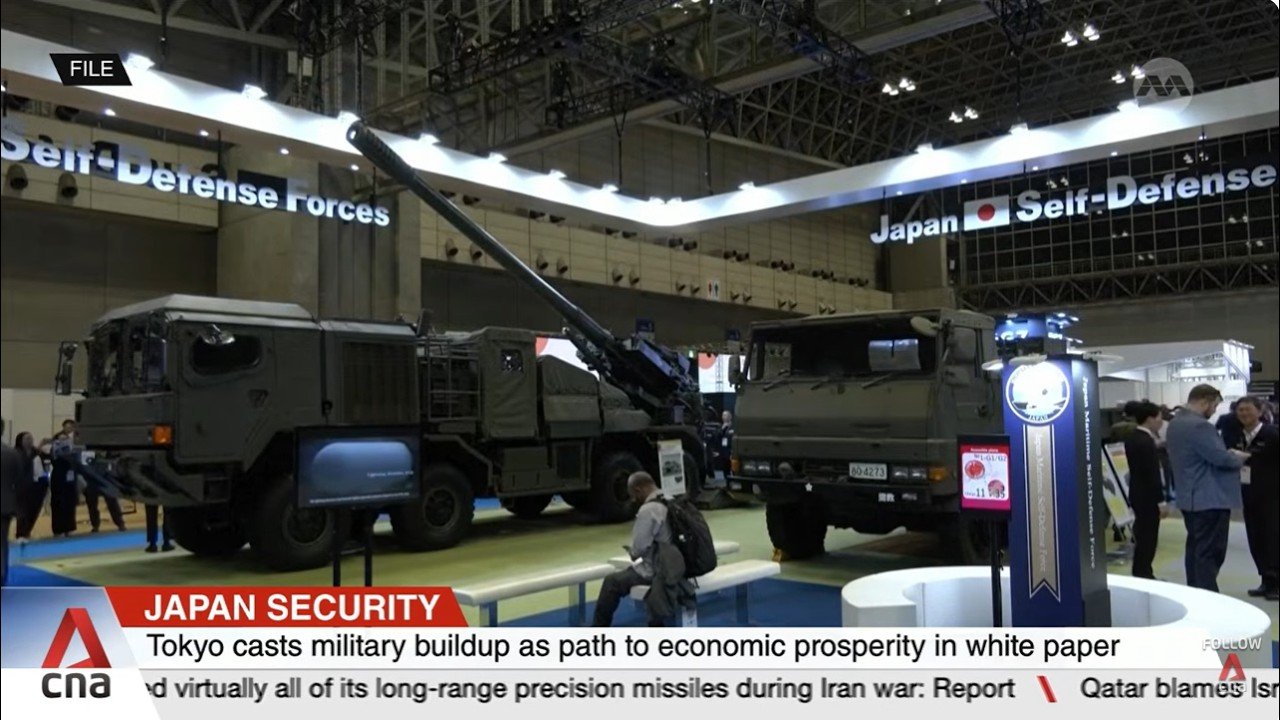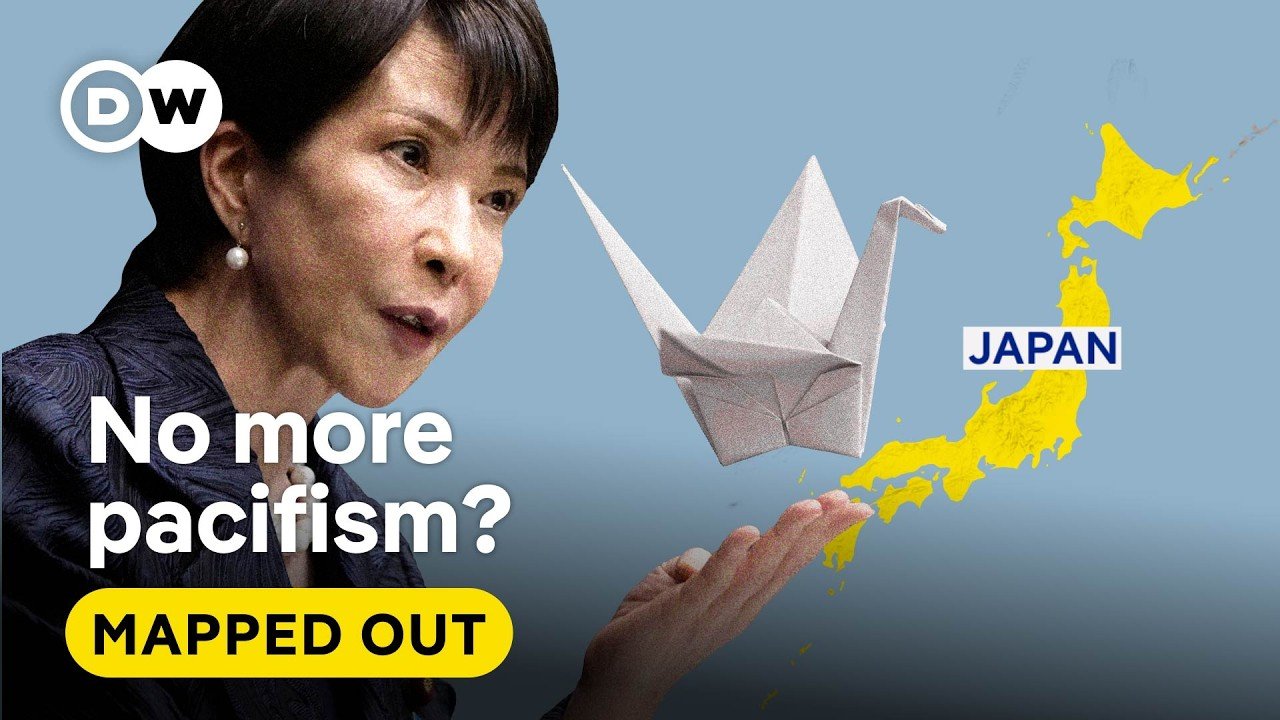




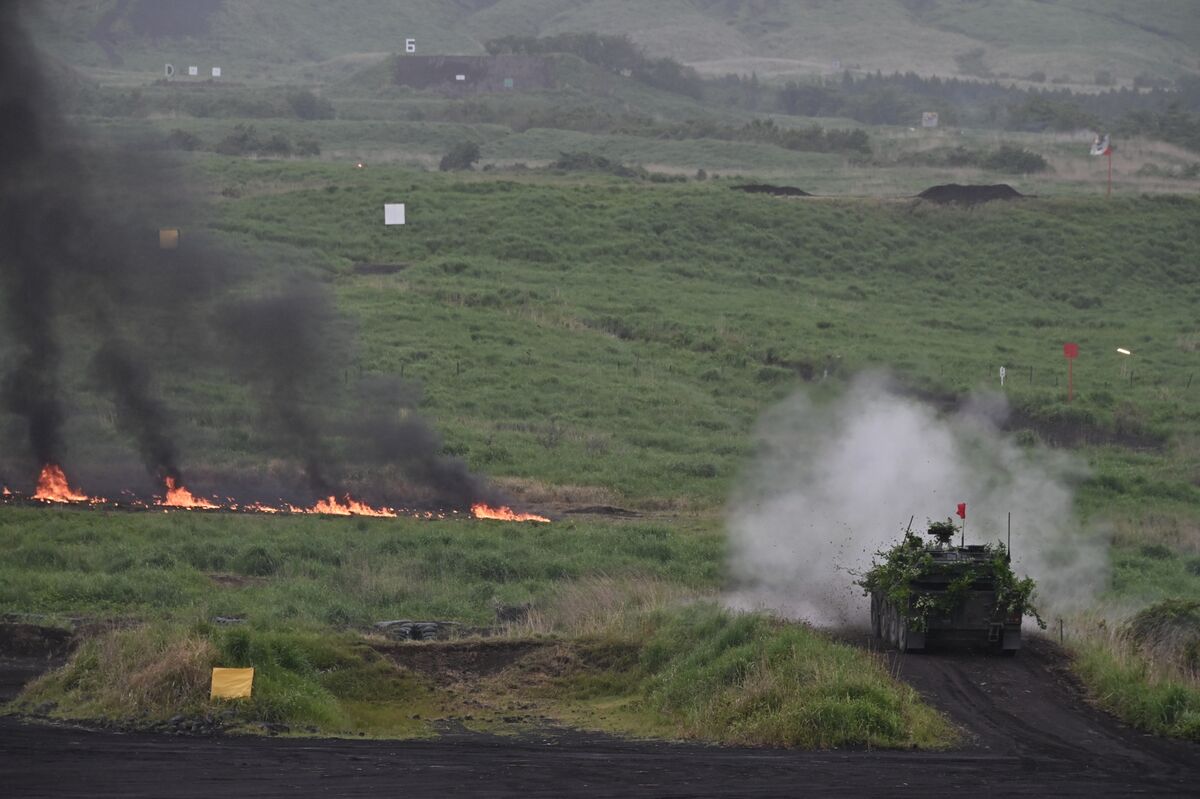


Japan is executing its largest military expansion since World War II, accelerating defense spending to 2% of GDP while recasting rearmament as a catalyst for economic growth and technological innovation.
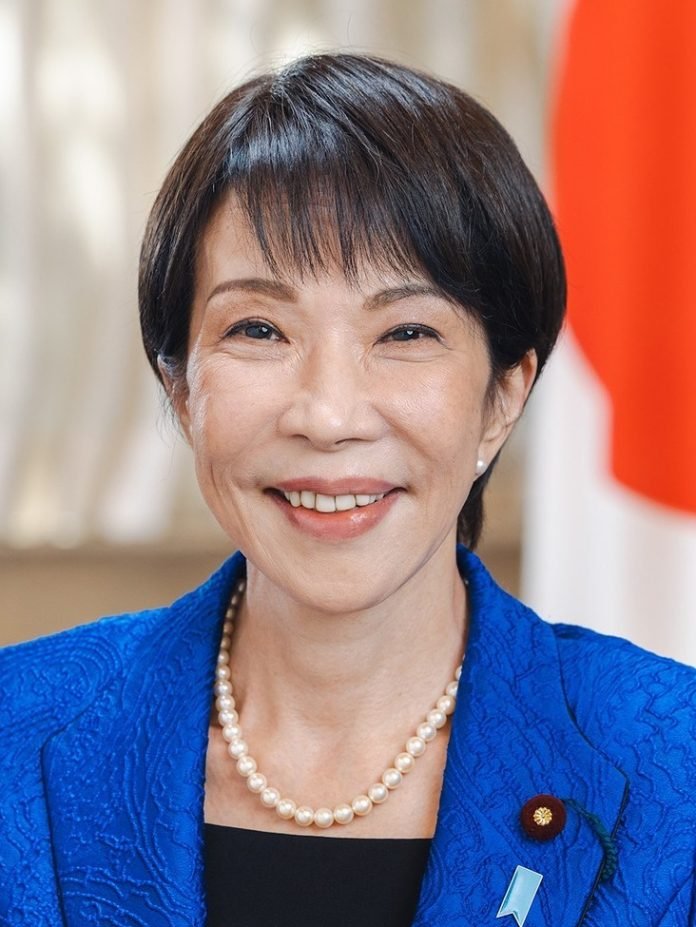
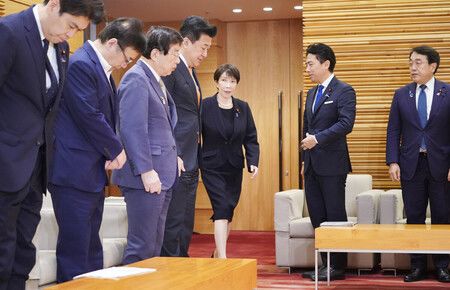
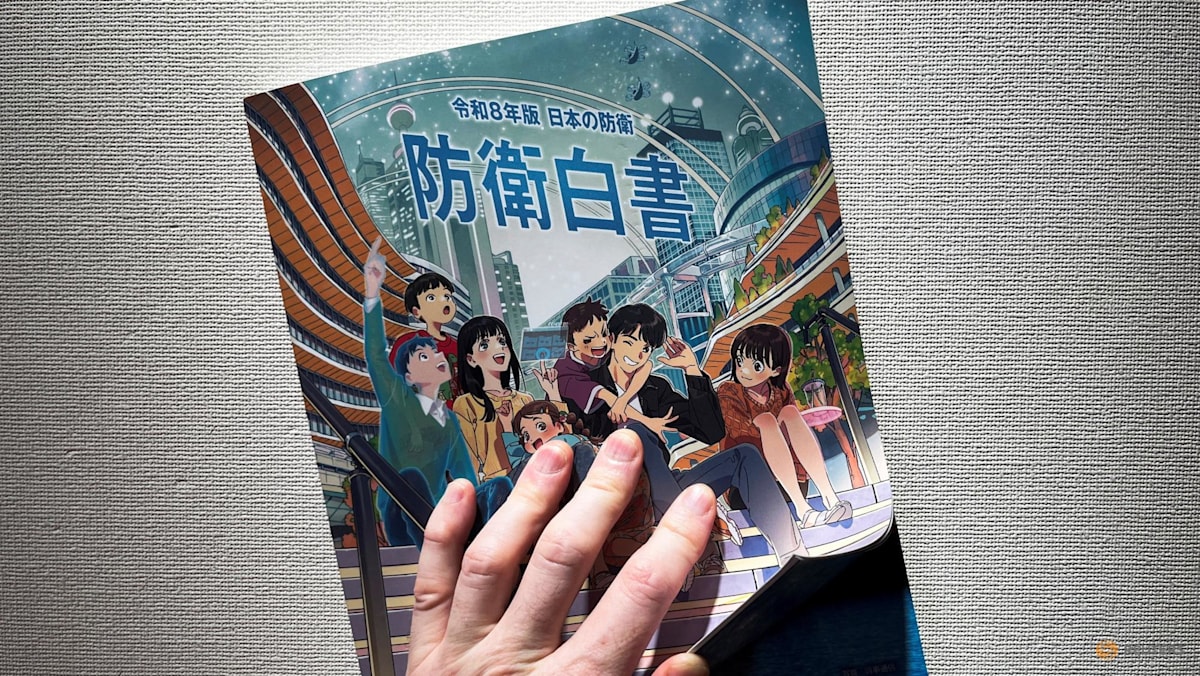
The Takaichi administration’s 2026 defense white paper explicitly ties national security to industrial policy, even as North Korea vows “additional military options” and China denounces Tokyo’s shift as a return to militarism.
Tokyo identifies China’s expanding military activities as its “greatest long-term strategic challenge,” singling out Beijing’s pressure on Taiwan and maritime operations around the Senkaku Islands. The white paper warns that East Asia faces its gravest security test since 1945, highlighting deepening alignment among China, Russia, and North Korea.
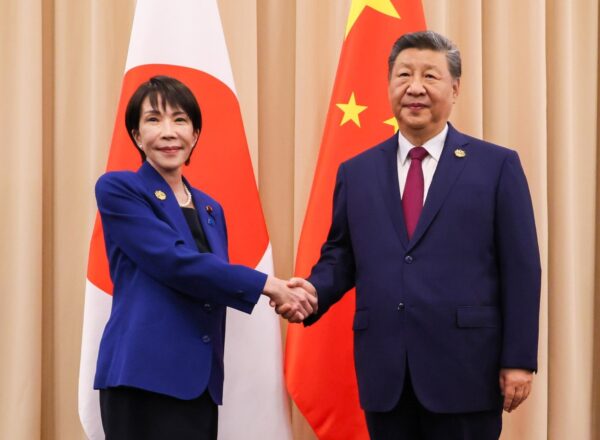
Japan’s doctrine now allows deployment of the Self-Defense Forces if a Chinese assault on Taiwan directly threatens Japanese survival, a red line that has drawn sharp rebukes from Beijing.
Regarding North Korea, Tokyo assesses a “more grave and imminent threat” than ever before, noting Pyongyang’s ongoing transfers of ballistic missiles and artillery to Russia and the deployment of North Korean troops to combat zones—developments that could bolster North Korea’s capabilities over the medium to long term.
Defense priorities and weaponry
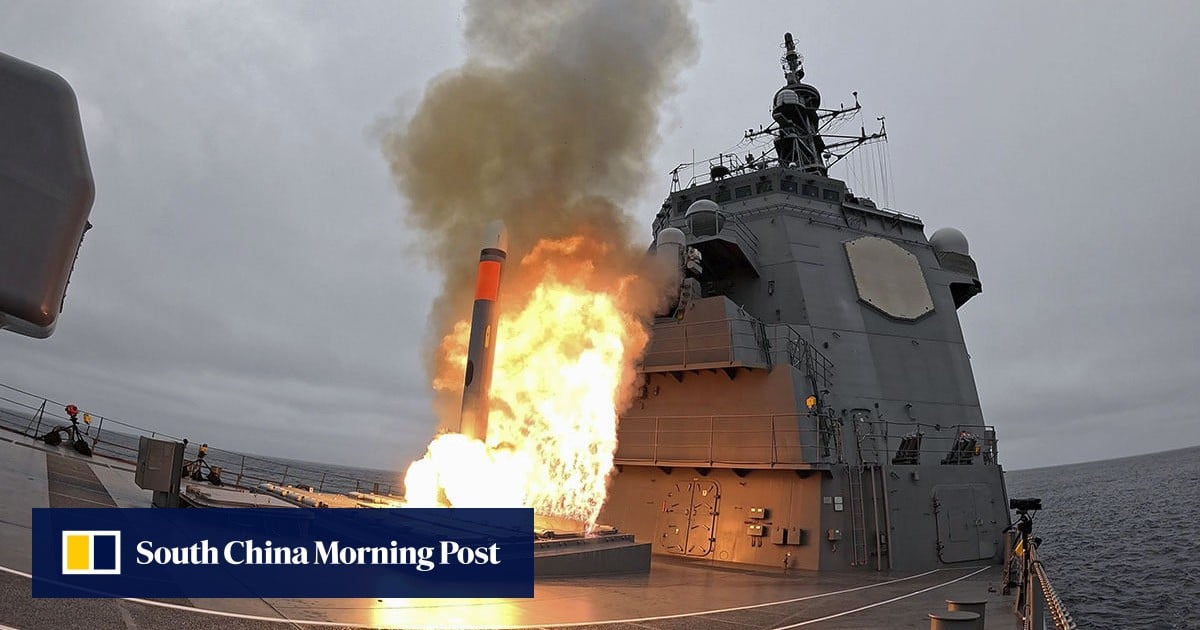
Much of the initial surge in spending has gone to stand-off missiles capable of striking targets more than 1,000 kilometers away, including U.S. Tomahawks and domestically developed systems. Future plans emphasize unmanned systems, AI-enabled command tools, quantum and semiconductor applications, and expanded space and electronic warfare capacities.
Japan is modernizing naval vessels and amphibious units while co-developing a sixth-generation fighter under the Global Combat Air Program with the UK and Italy. Frontline fortifications are advancing across the southwestern archipelago, with islands such as Yonaguni receiving new radar networks and air-defense missile batteries.
The “Defense-as-Growth” pivot
The 2026 white paper frames defense investment as a driver of broader economic benefits, arguing that a stronger defense industry can accelerate technological development, support startups, and integrate commercial technologies into military equipment.
Tokyo is actively mobilizing private-sector firms and tech startups to participate in military development, while companies like Mitsubishi Electric and Toshiba scale production as Japan prepares to finalize a major overhaul of its long-standing restrictions on arms exports.
To foster public acceptance, the document features a futuristic, anime-style cover that emphasizes domestic prosperity and daily life rather than traditional military iconography. Total defense-related outlays have exceeded 9 trillion yen for the first time, with the government assembling a financing mix of tax increases, spending reforms, and one-off revenues to reach the 2% GDP target ahead of schedule.
Fiscal and diplomatic headwinds
Critics warn that further increases risk compounding pressure on Japan’s stretched public finances, and Prime Minister Takaichi has yet to clearly articulate how additional expansion will be funded without imposing new burdens.
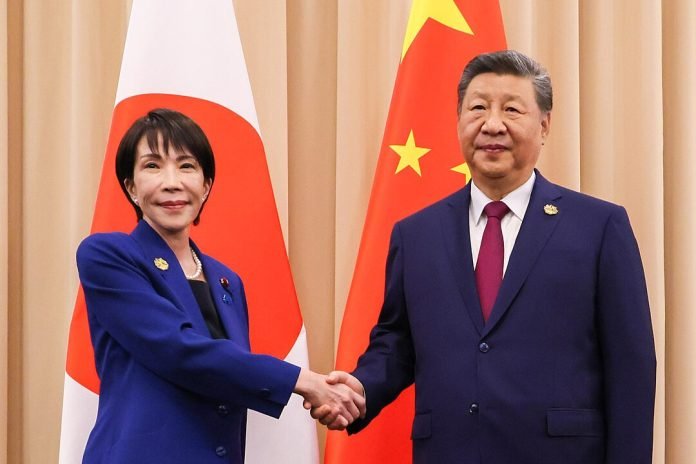
Regionally, the buildup has drawn polarized reactions: the United States, the Philippines, and Poland welcome enhanced Japanese capabilities to bolster a resilient Indo-Pacific, while China accuses Tokyo of abandoning its peace-centered constitution to pursue right-wing militarism.
North Korea’s reaction: “We will never remain a passive onlooker”
North Korea has responded with escalating rhetoric and explicit threats. Kim Yo Jong, sister of leader Kim Jong Un, said Pyongyang would not remain a “passive onlooker” to Japan’s accelerating transformation into a military power, vowing “additional military options” in response.
In a KCNA statement, Kim called Japan a “war criminal state” and warned that Tokyo’s pursuit of preemptive strike capabilities is a “grave threat destroying global peace and security”.
“We will make Japan feel that its security has been exposed to greater danger due to its greediness,” Kim said, adding, “We should make it regret.” Earlier commentaries from KCNA and Rodong Sinmun have accused Japan of plotting “reinvasion,” dismissed Tokyo’s self-defense claims as cover for offensive ambitions, and condemned expanding Seoul–Tokyo military cooperation as “self-destruction”.
North Korean state media has also linked US Forces Japan’s expansion to heightened risk of a Korean Peninsula clash, framing the command’s growth as preparation for a “war command” posture.
Collectively, these statements signal that Pyongyang intends to use Japan’s buildup to justify its own continued nuclear and missile development while warning of tangible countermeasures.
What to watch next
- Funding path: Whether Takaichi can sustain 2% GDP spending without new tax hikes or deeper fiscal strain.
- Arms export rules: Finalization of Japan’s overhaul of arms-export restrictions and the scale of contracts for firms like Mitsubishi Electric and Toshiba.
- North Korean countersteps: The nature of “additional military options”, which could include more frequent missile tests, deployments, or drills aimed at signaling risk to Japan.
- China’s response: Diplomatic and military signaling around Taiwan and the East China Sea as Tokyo hardens its stance.
Japan’s rearmament is no longer just a security project; it is an industrial and economic strategy designed to reshape the country’s role in the Indo-Pacific. The stakes are rising in lockstep, with neighbors reading every missile battery and export rule as a signal of intent.