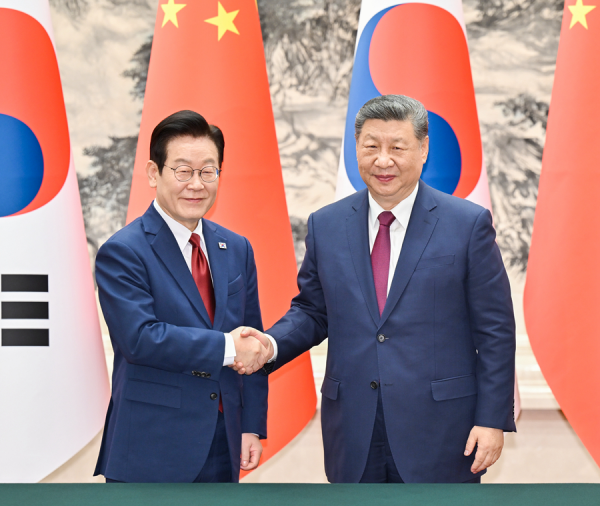
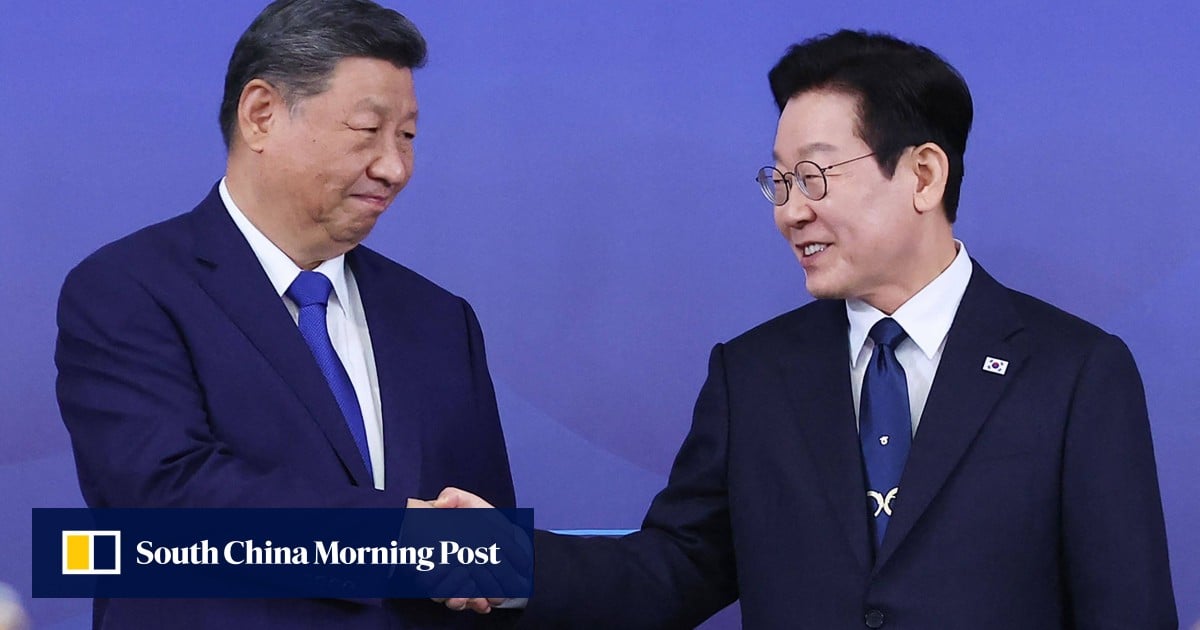
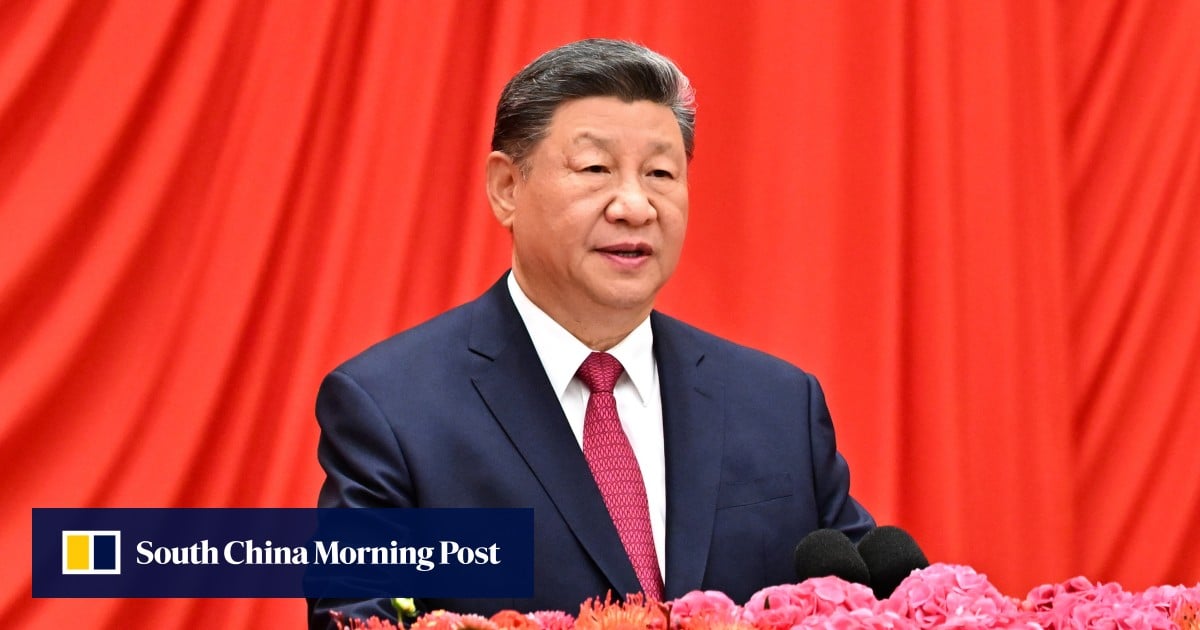
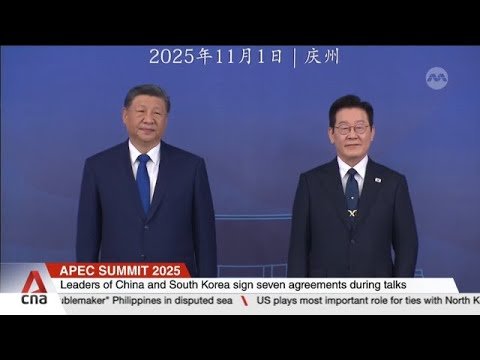
During the 2025 APEC summit in Gyeongju, South Korea, on October 31 and November 1, South Korean President Lee Jae-myung and Chinese President Xi Jinping held a closely watched bilateral meeting aimed at stabilizing and resetting relations between the two countries.
Xi’s visit was his first to South Korea in 11 years and marked the first face-to-face meeting between him and Lee, who took office earlier in 2025. Diplomats and analysts described the encounter as a symbolic restart after years of tension.
Why relations had soured
China and South Korea have seen relations deteriorate sharply since 2017, when Seoul deployed the US THAAD missile defense system. Beijing responded with informal economic pressure, and high-level diplomatic exchanges largely froze for years.
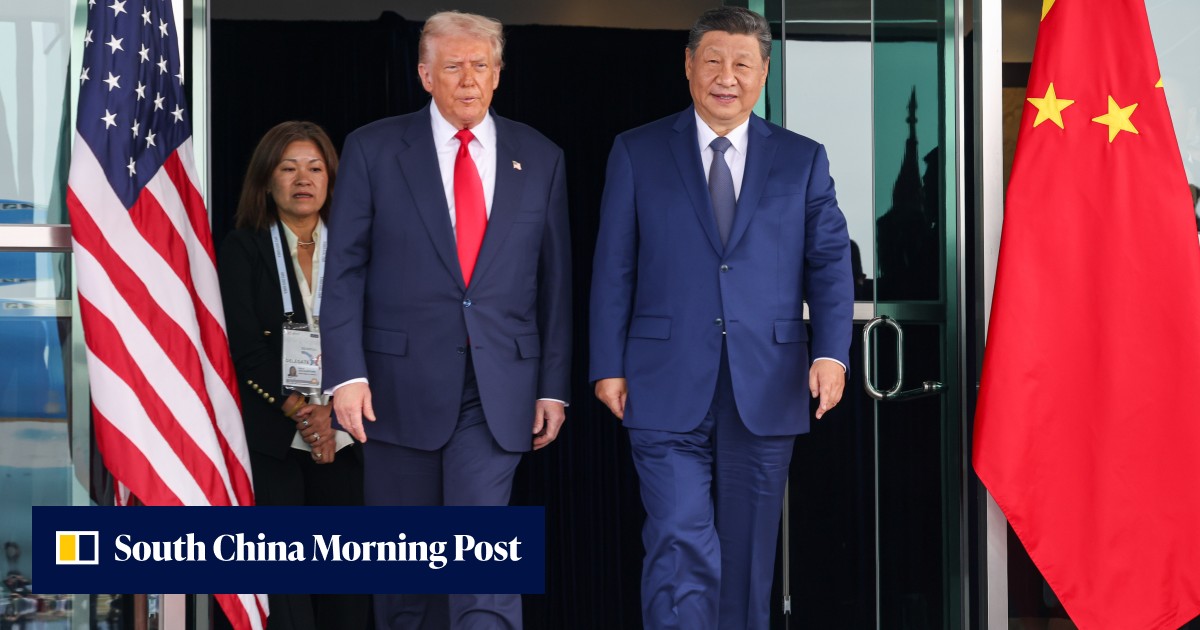
Lee used the summit to advance what his administration calls “bridge diplomacy,” seeking to preserve strong economic ties with China while reinforcing South Korea’s security alignment with the United States. The meeting also took place against the backdrop of a broader APEC summit shaped by a temporary trade truce between Xi and US President Donald Trump.
The phone exchange
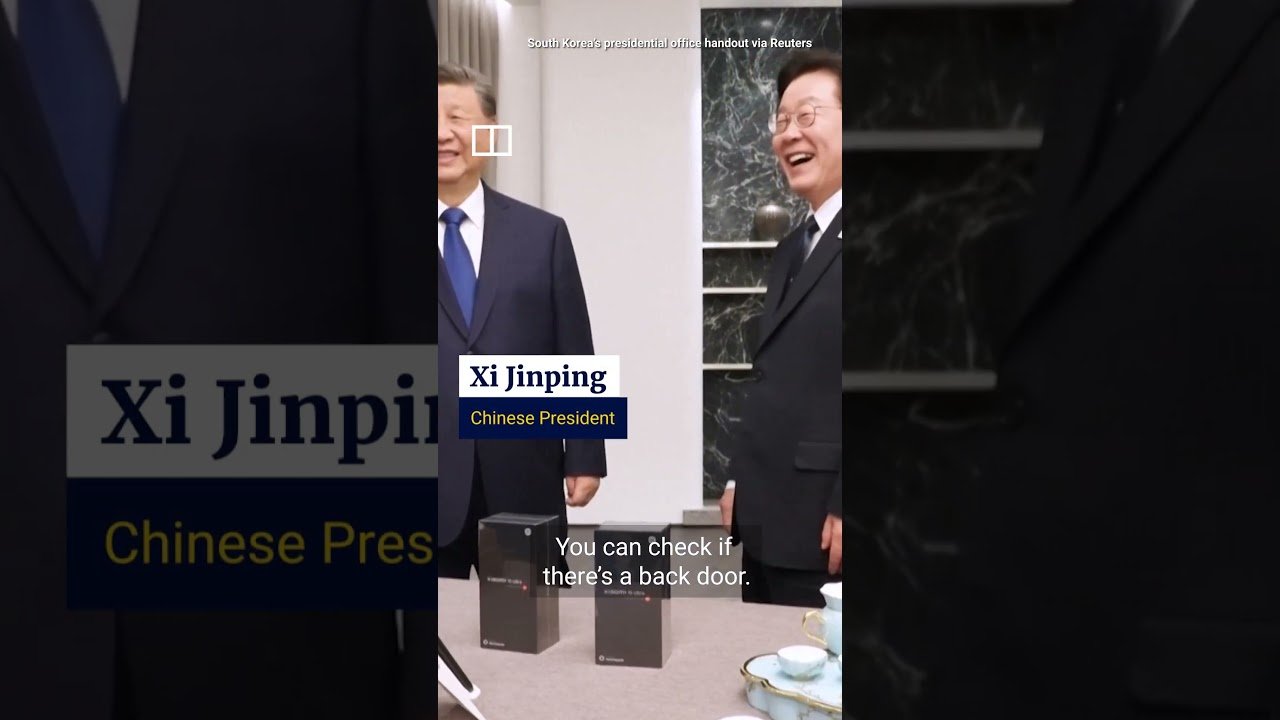
One of the summit’s most talked-about moments came during a gift exchange, when Xi presented Lee with two Xiaomi smartphones, one for the president and one for his wife. The phones reportedly featured Korean-made displays, underscoring the two countries’ economic interdependence.
Lee joked, “How is the communication security?” and Xi replied, “You should check if there is a backdoor,” in a rare public exchange of humor on a sensitive topic. The moment drew wide attention because Xi is usually seen as highly formal in public, and the comment touched on global concerns over Chinese technology and surveillance.
Agreements reached
The two leaders signed seven new agreements and outlined a broader roadmap for economic cooperation. Among the key outcomes were a renewal of the won-yuan currency swap line, a pledge to accelerate the second phase of the South Korea–China free trade agreement, and new memorandums on digital crime prevention, aging, agriculture, and science and technology.
They also discussed reviving joint maritime search and rescue drills, which had been suspended for 15 years. Both sides said they would continue coordinating on regional stability, supply chains, and artificial intelligence governance.
Reactions
Reactions to the 2025 APEC summit talks between South Korea and China were a mix of cautious optimism and strategic skepticism, as the meeting served as a “reset” after a decade of tension. Some observers characterized the final Gyeongju Declaration as “muted”, avoiding controversial security topics in favor of broad pledges on AI cooperation and sustainable growth.
The Lee Jae-myung administration framed the talks as a successful execution of “bridge diplomacy,” showing that South Korea could improve economic ties with China while maintaining its security alliance with the US. Groups like the Korea Chamber of Commerce and Industry praised the summit for generating an estimated 7.4trillion won ($5.3 billion) in total economic impact and providing predictability for exporters facing global tariff pressures.
Washington officially described its own participation as “strong and robust” despite President Trump’s early departure from Gyeongju. With Trump departing early, many analysts viewed the summit as a platform for Xi Jinping to cast China as the champion of “genuine multilateralism”, contrasted against American protectionism. However, analysts noted a “tricky tightrope walk” for Seoul, as the US remains South Korea’s security guarantor while China is its largest trade partner.
Southeast Asian leaders, including Singapore’s Prime Minister Lawrence Wong, expressed “relief” that the broader Trump-Xi meeting in Busan (held alongside APEC) provided a “temporary truce,” though they warned that underlying structural rivalries remain.
Pyongyang reacted with hostility, dismissing the summit’s talk of denuclearization as a “pipe dream” and firing hypersonic missiles just before the talks began to signal its lack of interest in the “peaceful development” discussed by Lee and Xi.
Regional stakes
Lee urged China to play a more active role in encouraging North Korea to return to denuclearization talks. Xi said China would continue working for peace and stability on the Korean Peninsula.
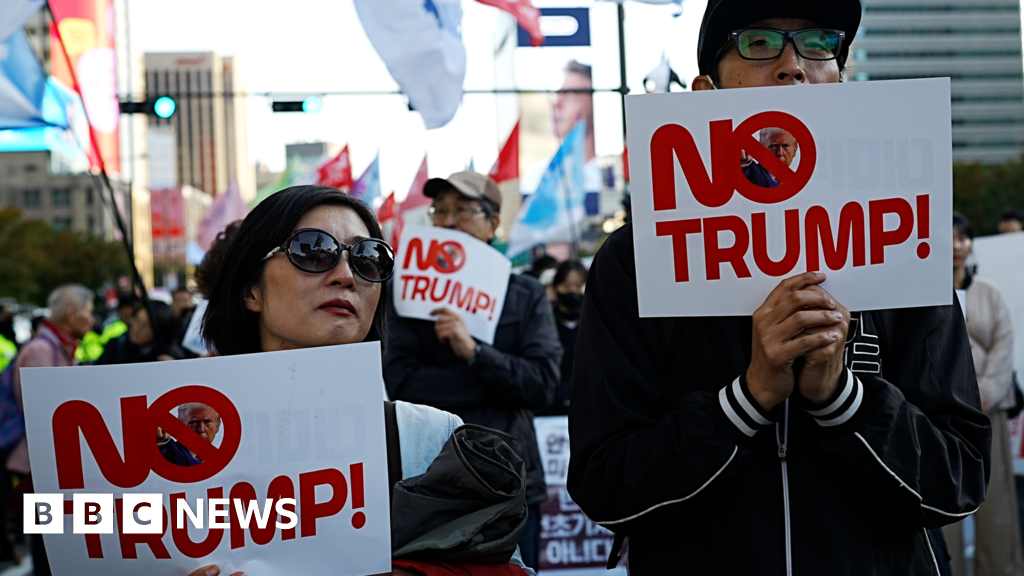
The summit also reflected wider regional tensions, including South Korean protests from anti-China groups and North Korea’s hostile response, which included missile launches before the talks. Analysts said the meeting offered a cautious thaw, but not a full breakthrough.
The Gyeongju meeting gave both leaders a chance to reframe a relationship long shaped by trade dependence, security tensions, and mutual distrust. For Seoul, the goal was to balance economic pragmatism with alliance politics; for Beijing, the summit offered an opportunity to present China as a defender of multilateralism at a time of rising US protectionism.
Read also:
2026 Japan-South Korea Leaders’ Summit
2026 South Korea-China Presidential Summit
US-South Korea Trade Spat revives tariff talk
Lee Jae-myung elected South Korea President
Former South Korean President Yoon indicted