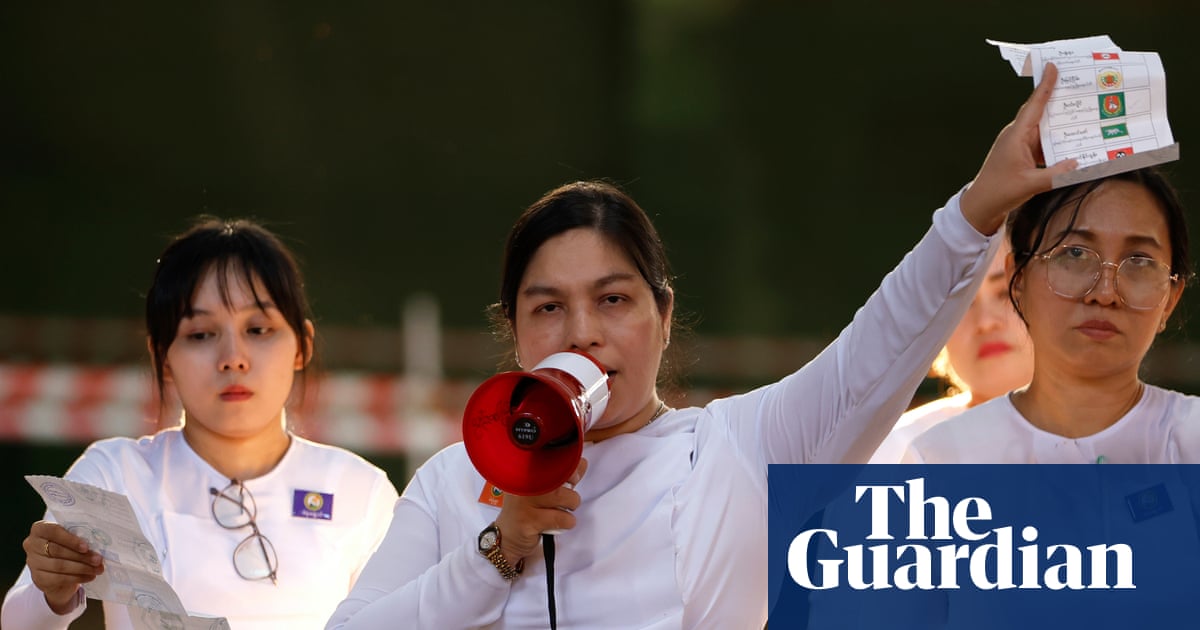
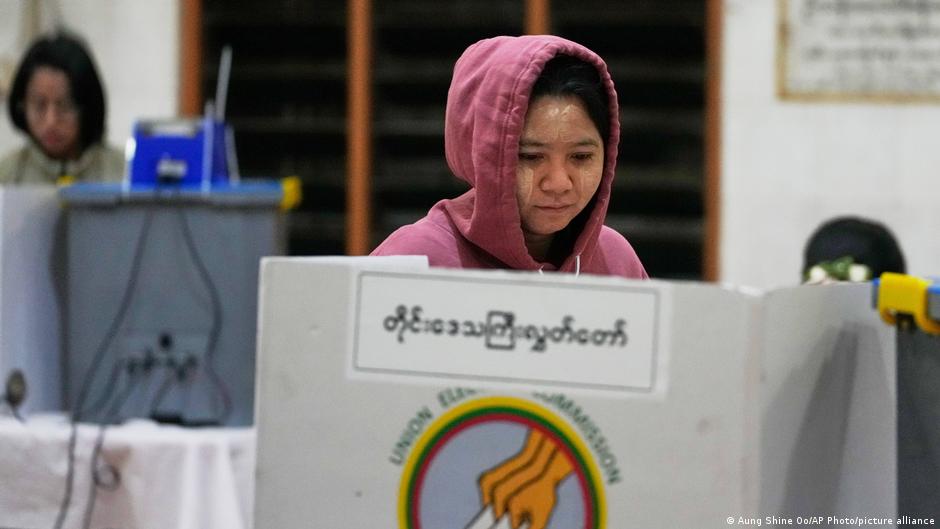
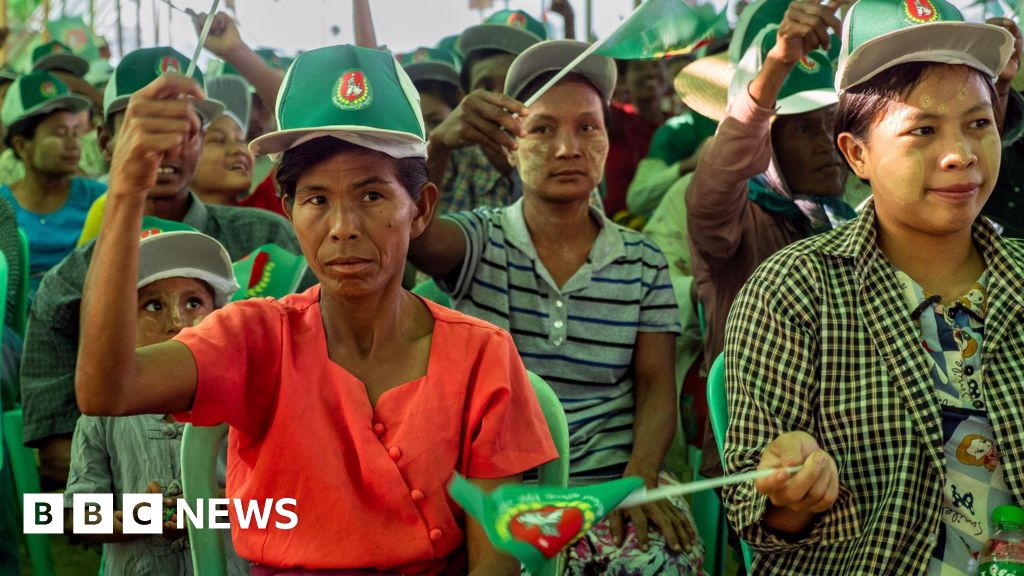
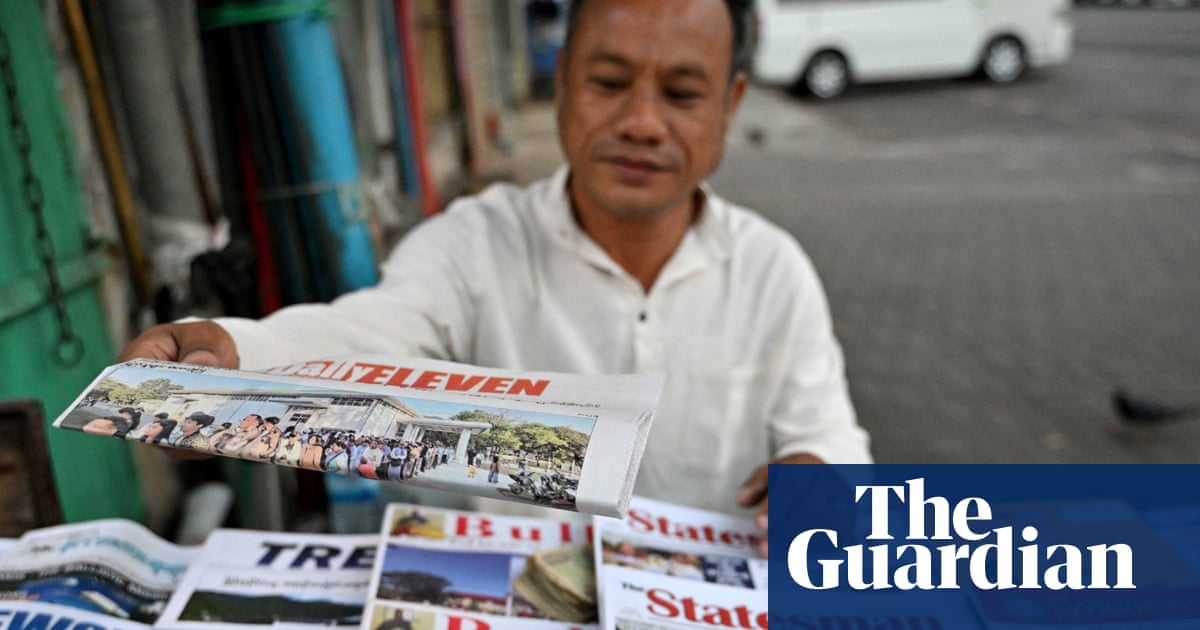
Myanmar’s 2026 general election, held in three phases between December 2025 and January 2026, produced a decisive victory for the military-backed Union Solidarity and Development Party (USDP). The junta’s Union Election Commission formally announced the results on February 10, 2026, confirming the party’s dominance across the country’s legislatures.
Election results
The USDP won more than 72% of the seats contested, taking 739 of 1,025 seats across Myanmar’s various legislatures. The National Unity Party followed with about 13.28% of the vote, while the People’s Party received 8.80%.
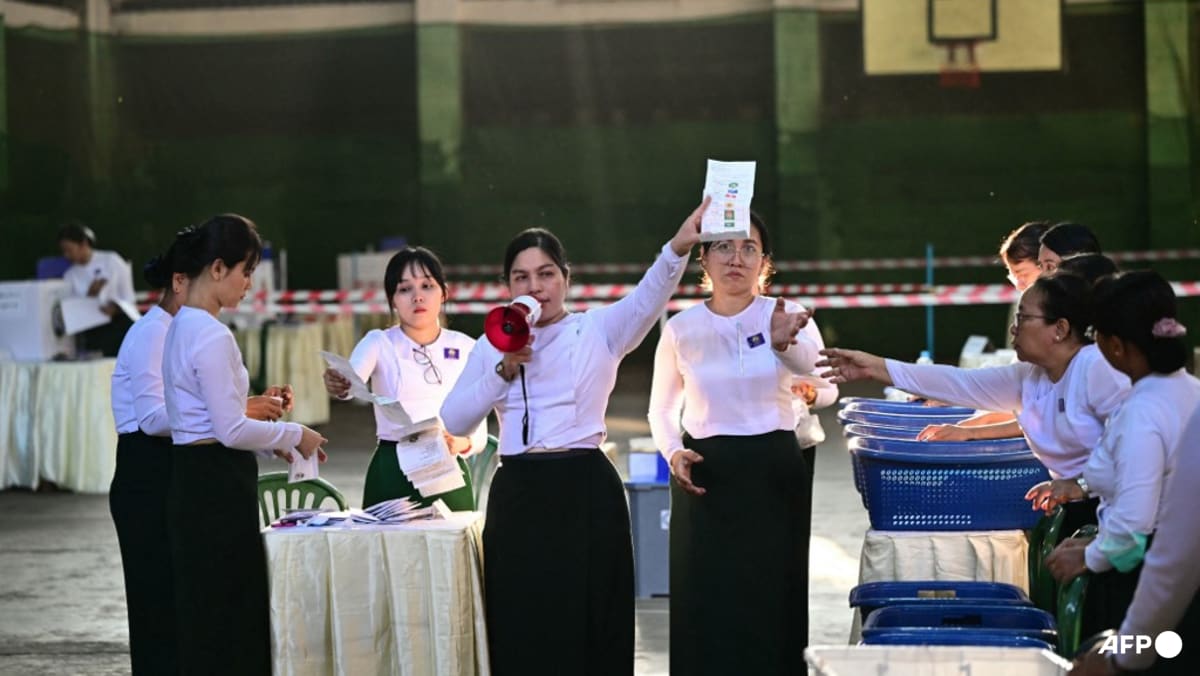
The military also appointed 166 members to the new parliament, further cementing its control over the political process. Official figures put turnout at 54.22%, or 13.14 million voters, though independent observers described participation as thin and said fear shaped much of the voting.
The election was held only in areas under military control, with voting staged on three dates: Dec. 28 in 102 townships, Jan. 11 in 100 townships, and Jan. 25 in 61 townships.
Violence during voting
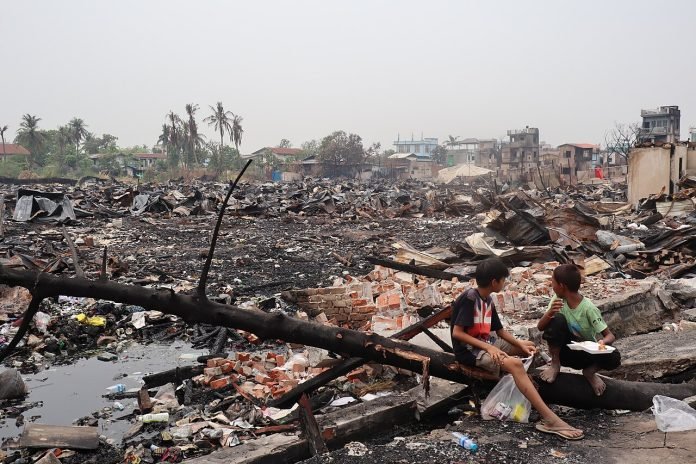
The election period unfolded amid a sharp escalation in military violence. The junta launched airstrikes against armed resistance groups, including the People’s Defence Force and several ethnic armed organizations, which had tried to disrupt the vote.
Resistance forces, in turn, attacked polling stations and electoral personnel with drones and rockets. The military responded with heavy bombardment in places such as Kachin, Sagaing and Chin states, saying it was acting to protect the election process and punish those interfering with it.
The United Nations and human-rights monitors reported more than 400 airstrikes in the two months spanning early December 2025 to late January 2026, with at least 170 civilians killed. Beyond the air campaign, the military also carried out ground offensives and arson attacks in Sagaing, Magway and Mandalay in the weeks before voting began.
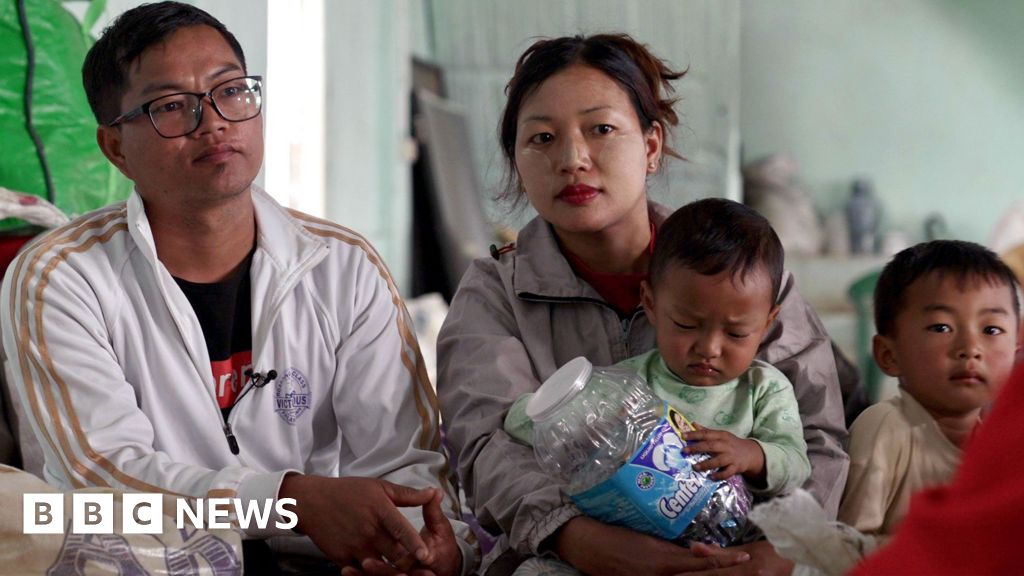
Civilians said they were pressured into voting under threat of forced conscription, loss of food access or denial of travel permits. In Sagaing, more than 100 villagers were briefly detained to force them to cast advance ballots. The junta also used “Election Protection Laws” to arrest at least 404 people, including 324 men and 80 women, for criticizing the process or alleged links to the resistance.
ACLED recorded 79 attacks by resistance forces on polling sites or military personnel overseeing the vote, underscoring the extent to which the election became another front in Myanmar’s civil war.
Questions of legitimacy
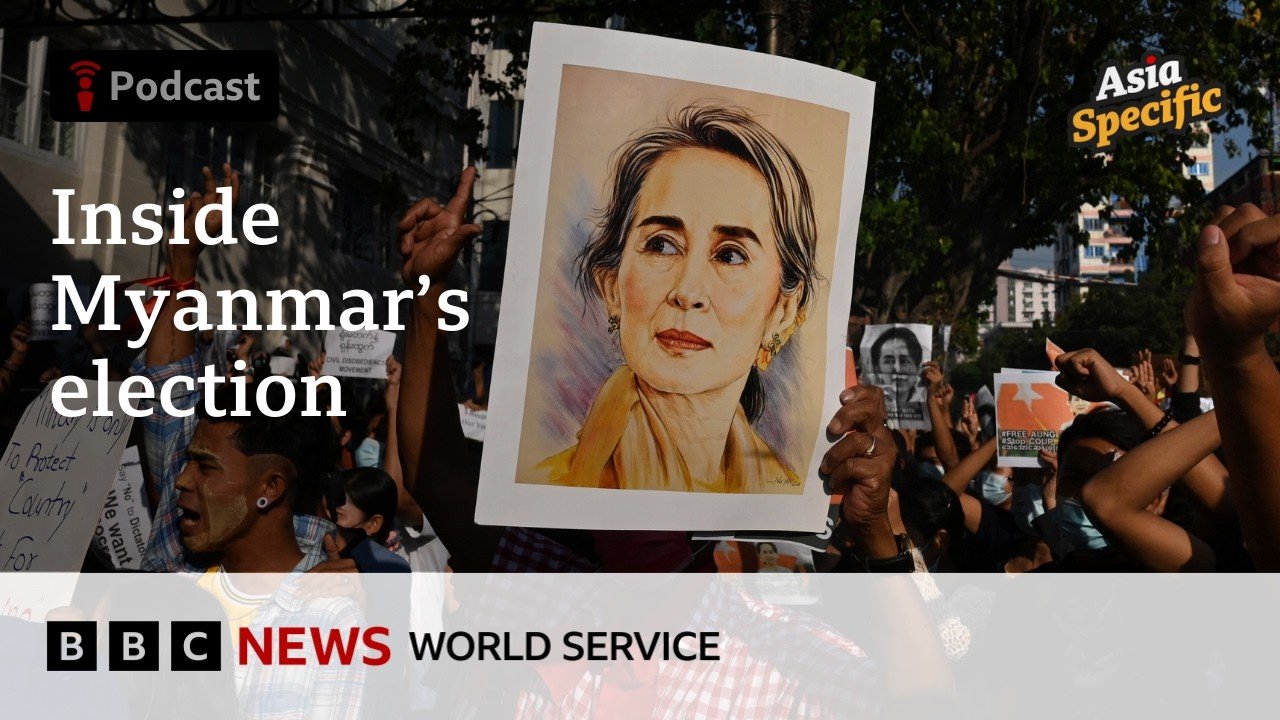
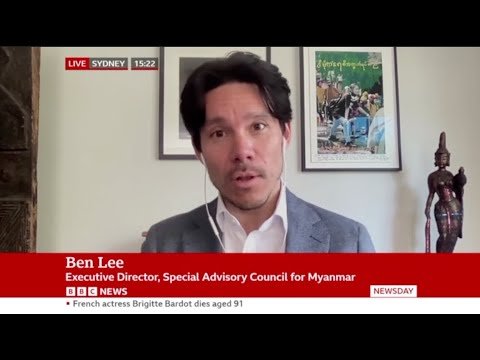
The election was widely condemned by the international community and by local opposition groups as a sham. The United Nations said the polls were illegitimate and amounted to a facade designed to entrench military rule rather than enable a genuine democratic process.
The UN High Commissioner for Human Rights said the violence and intimidation appeared intended to break resistance and force submission through terror. Voting was cancelled in 67 townships because of the civil war and resistance control, further narrowing the electorate.
ASEAN said it did not recognize the results “as of now,” citing the lack of inclusivity. ACLED reported 210 civilian-targeting events by the military during the election period, alongside the 79 disruptive attacks by resistance forces.
China’s support
China emerged as the most significant international backer of the election process, becoming the first foreign country to officially congratulate the junta. While Western governments and the UN condemned the vote, Beijing described it as “steady and orderly.”
Chinese officials sent a delegation to observe voting on the ground, alongside representatives from Russia, India and selected ASEAN countries. Beijing also amplified the junta’s claims of strong turnout, with some officials attributing the election’s “successful” conduct to direct understandings between President Xi Jinping and junta leader Min Aung Hlaing.
Analysts say China’s support is driven less by ideological alignment than by practical concerns. Beijing wants a politically legible partner capable of protecting its economic and strategic interests, including stalled China-backed projects such as the Myitsone Dam and the Muse–Mandalay railway.
A military-dominated but nominally civilian government also gives China a more stable route to the Indian Ocean through the China-Myanmar Economic Corridor. At the same time, Beijing sees the junta as essential to border security along the countries’ 2,000-kilometer frontier, which has been troubled by conflict and criminal activity.
Critics also note that China remains a major supplier of military hardware and aviation fuel despite international efforts to restrict the junta’s capabilities, helping sustain the same air power that defined the election period.