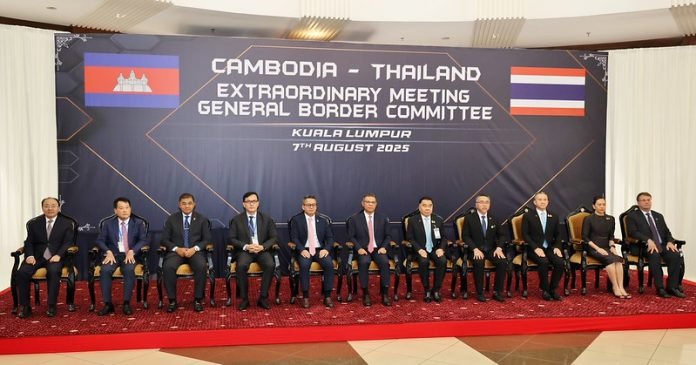
The Kuala Lumpur Peace Accord, officially titled the Joint Declaration by the Prime Minister of the Kingdom of Cambodia and the Prime Minister of the Kingdom of Thailand, was a diplomatic agreement signed on October 25, 2025. It was intended to resolve the 2025 Cambodian–Thai border crisis, which had erupted into deadly military clashes earlier that year.
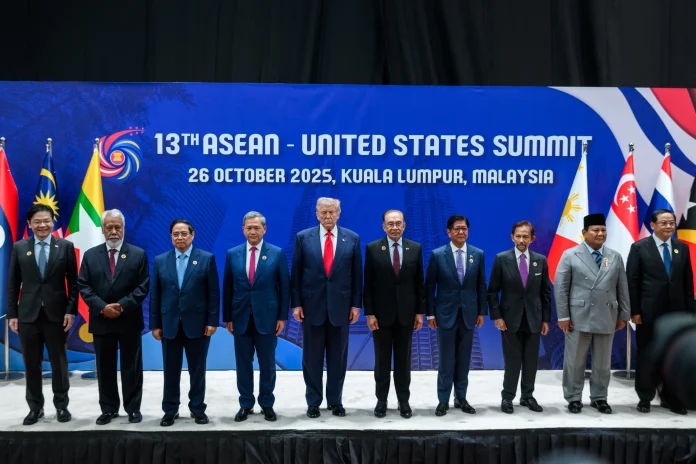
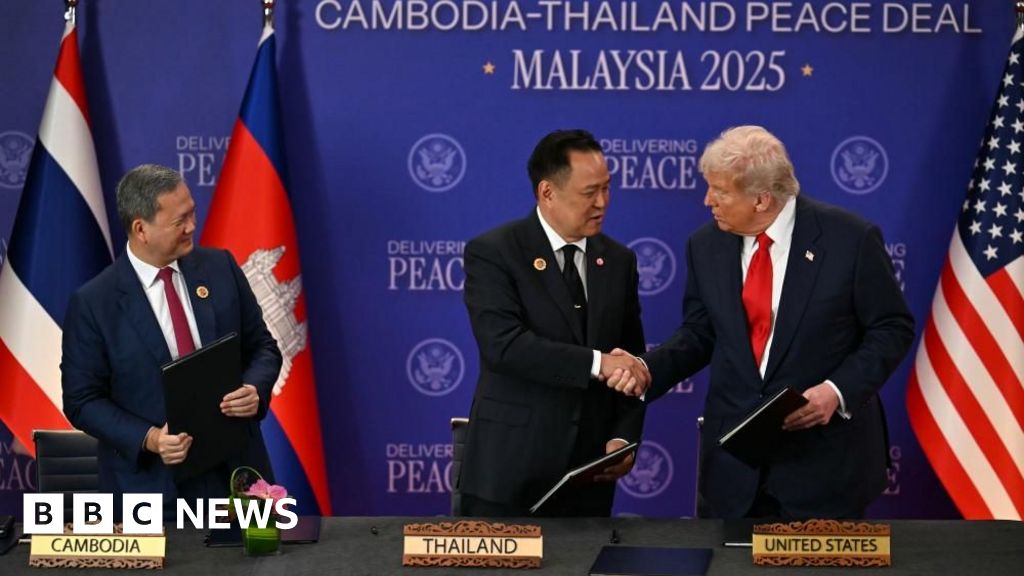
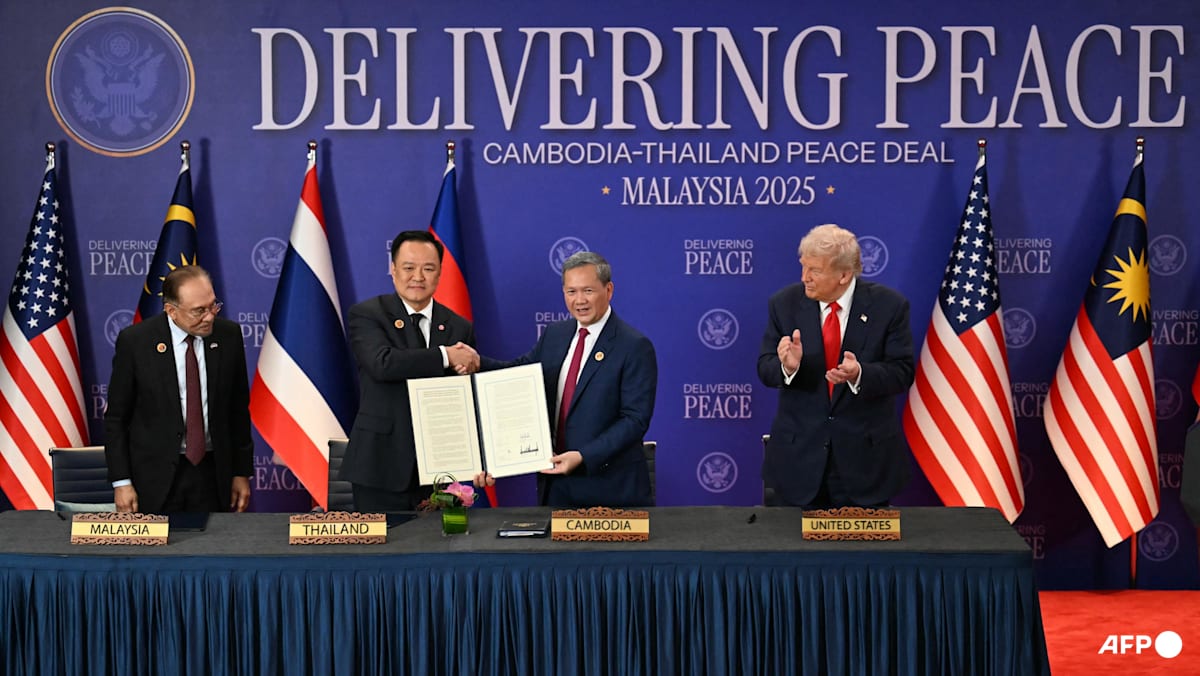
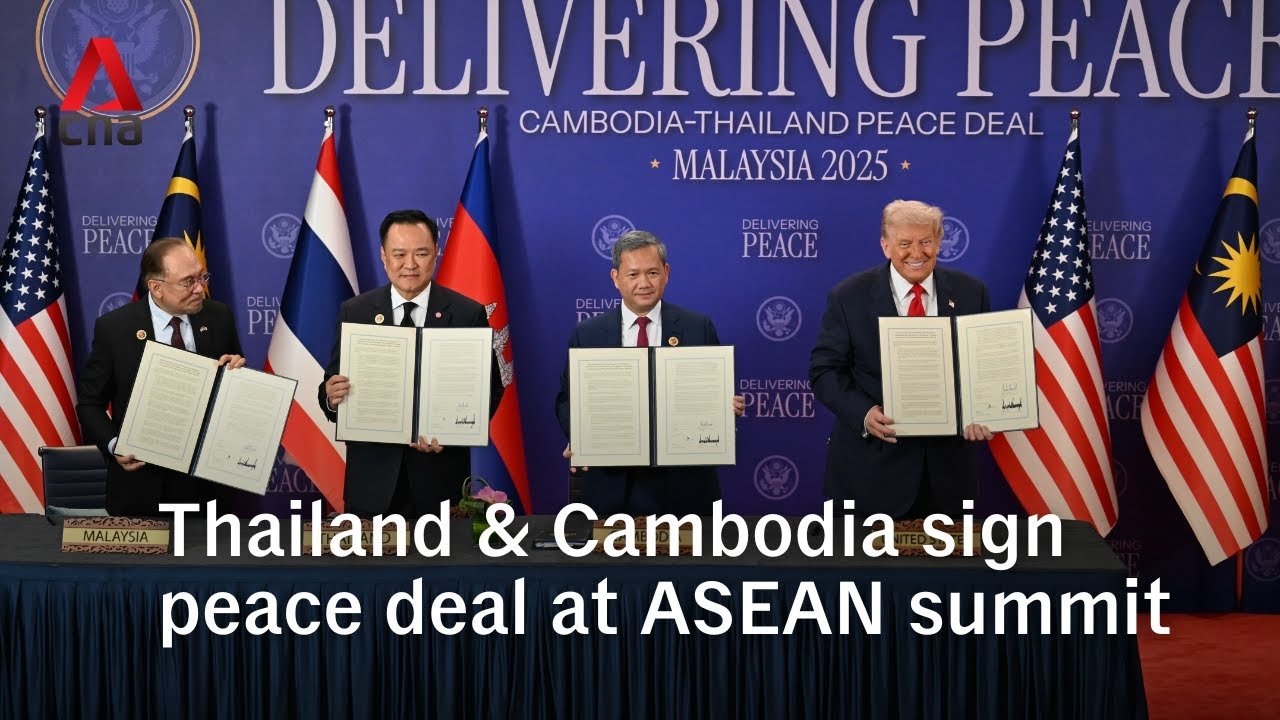
On October 25, 2025, Cambodian Prime Minister Hun Manet and Thai Prime Minister Anutin Charnvirakul signed the Kuala Lumpur Peace Accord in a ceremony overseen by US President Donald Trump and Malaysian Prime Minister Anwar Ibrahim on the sidelines of the 47th ASEAN Summit.
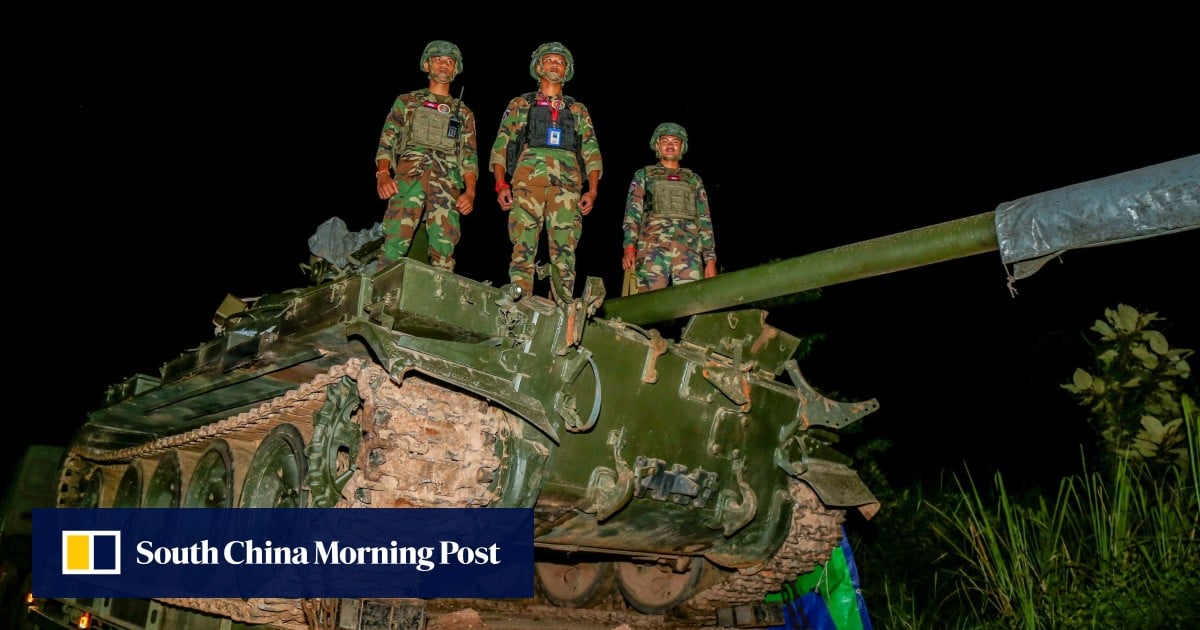
The accord included immediate removal of heavy weapons and equipment from the disputed border areas. An ASEAN Observer Team was deployed to monitor ceasefire implementation and verify troop movements. Thailand committed to releasing 18 Cambodian soldiers captured during the July fighting. Joint operations were launched to remove landmines and unexploded ordnance along the 817-kilometre border. Both nations pledged to refrain from harmful rhetoric and the spread of false information.
Summit discussions and diplomacy
President Trump reportedly applied significant pressure, warning both Prime Minister Hun Manet and Prime Minister Anutin Charnvirakul that the US would not move forward with key trade agreements if hostilities continued.
To incentivize Cambodia, the US offered to lift its long-standing arms embargo and restart the Angkor Sentinel joint defense exercises for the first time since 2017. This carrot-and-stick approach was central to bringing both parties to the table.
As the summit host, PM Anwar Ibrahim acted as the primary facilitator, framing the peace deal as a big win for ASEAN centrality and regional stability.
Parallel to the peace talks, the US signed reciprocal trade deals with Malaysia and Cambodia to solidify regional cooperation and counter Chinese influence.
Collapse of ceasefire deal
Despite the high-profile signing, the accord was short-lived. On November 10, 2025, Thailand suspended the agreement after several Thai soldiers were injured by a landmine in Sisaket province, accusing Cambodia of planting new explosives.
On December 8, 2025, clashes resumed after both nations accused each other of violating the ceasefire. Although a new 72-hour ceasefire was signed on December 27, 2025, the original KL framework remains largely collapsed.
International mediators, including US Secretary of State Marco Rubio, continue urging both parties to honor the October commitments. The US has pledged a $45million aid package to support implementation if the ceasefire holds.
Why it matters
The Kuala Lumpur Peace Accord represented a rare moment of high-level US and ASEAN diplomatic intervention to halt deadly border violence between two Southeast Asian nations. While the accord ultimately collapsed, it highlighted the region’s vulnerability to rapid escalation and the limits of external mediation when trust between parties is fragile. The deal also underscored US efforts to deepen influence in Southeast Asia through security guarantees and trade incentives, even as China’s economic presence continues to grow.
Read also:
2025 Cambodian–Thai border crisis
Thai court removes PM Paetongtarn Shinawatra
2026 Thailand snap general elections