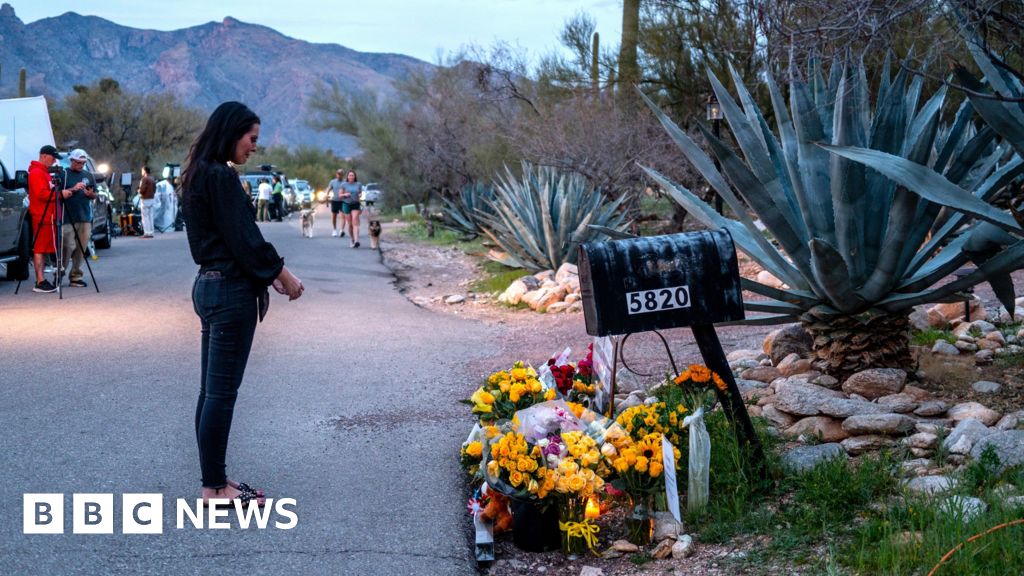
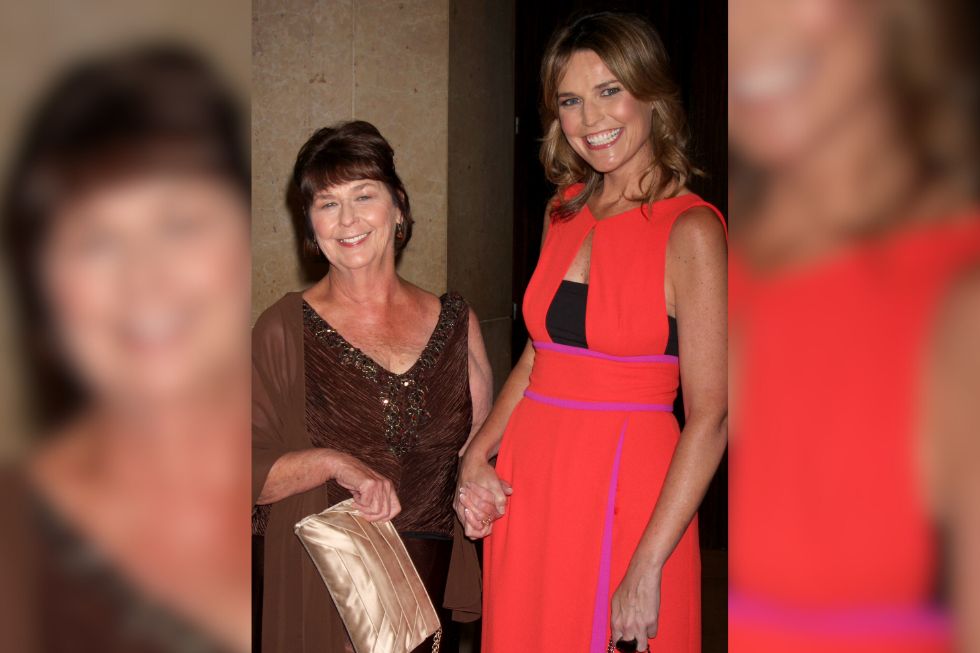
On February 1, 2026, NBC News anchor Savannah Guthrie’s mother, Nancy Guthrie, was reported missing from her home in Tucson, Arizona, setting off a wide-ranging search that authorities later treated as a suspected abduction. The case quickly drew intense attention because of the unusual circumstances surrounding her disappearance, the public profile of the Guthrie family, and the mounting evidence gathered in the days that followed.
The disappearance
Nancy Guthrie was last seen on the evening of January 31, 2026, when she was dropped off at her home by her son-in-law, Tommaso Cioni, who is married to her daughter, Annie. He was the last known person to have seen her before she vanished.
The following morning, when Nancy Guthrie failed to appear for a scheduled church livestream, a church member alerted the family. By noon, relatives had filed a missing-person report, and investigators quickly concluded that the circumstances were more serious than an ordinary disappearance, in part because of her limited mobility and the lack of evidence that she had left on her own.
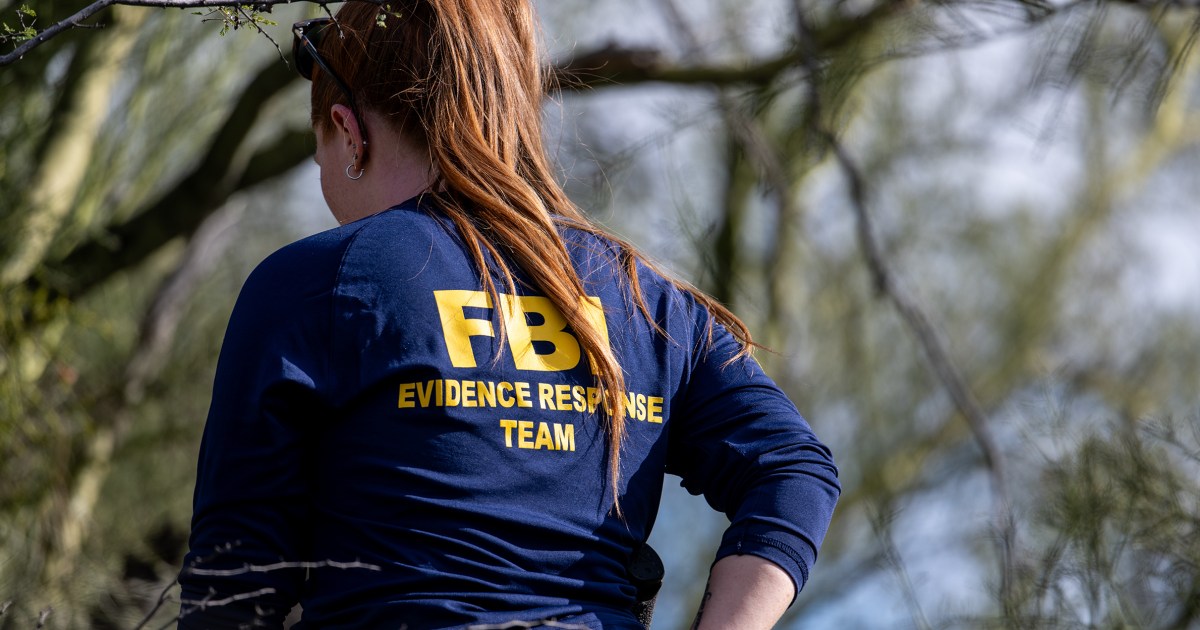
Authorities initially launched an extensive search-and-rescue effort, but after no sign of Guthrie was found, the Pima County Sheriff’s Department shifted the case on February 2 into a criminal investigation, later working with the FBI. Sheriff Chris Nanos said investigators believed she had not left voluntarily and described the case as a crime.
Ransom messages
The investigation escalated after a ransom email was reportedly sent to Tucson television station KOLD, demanding $4 million in bitcoin by February 5 for Nancy Guthrie’s safe return, followed by a second deadline of $6 million in bitcoin on February 9 if the first demand was not met. The message included details about Guthrie’s home and situation that were not publicly known, which made investigators treat it as a credible lead.
Soon after, TMZ said it had received additional ransom-style messages. One, reported on February 5, demanded “millions” in bitcoin and provided a wallet address. Later messages, reportedly sent on February 11 and February 12, claimed to know who abducted Guthrie and demanded 1 bitcoin upfront and another payment after an arrest. A separate February 13 message reportedly asked for $100,000 in two bitcoin transfers in exchange for information about the kidnapper’s name and location, while also suggesting the suspect may have gone “international,” which TMZ interpreted as a possible reference to crossing the border.
None of the messages sent to media outlets has been backed by proof of life, and law enforcement has forwarded them to the FBI while declining to confirm whether any are authentic.
Separately, prosecutors in California charged Derrick Callella with sending hoax ransom-related texts directly to Guthrie family members after they released a public plea video. Authorities said those messages appeared to piggyback on the earlier media reports and referenced bitcoin and “the transaction,” but they do not believe Callella is connected to Nancy Guthrie’s disappearance.
The family also received other threatening letters and messages, including some aimed at Savannah Guthrie herself, which investigators are treating as harassment or possible extortion rather than confirmed ransom demands.
Evidence under review
Investigators have uncovered a series of forensic and digital clues, though none has yet led to an arrest. One reported breakthrough was a third DNA sample recovered from inside the home that did not match Nancy Guthrie or anyone with known access to the residence. A black glove found about two miles away also contained an unknown male DNA profile, though initial testing through CODIS produced no match.
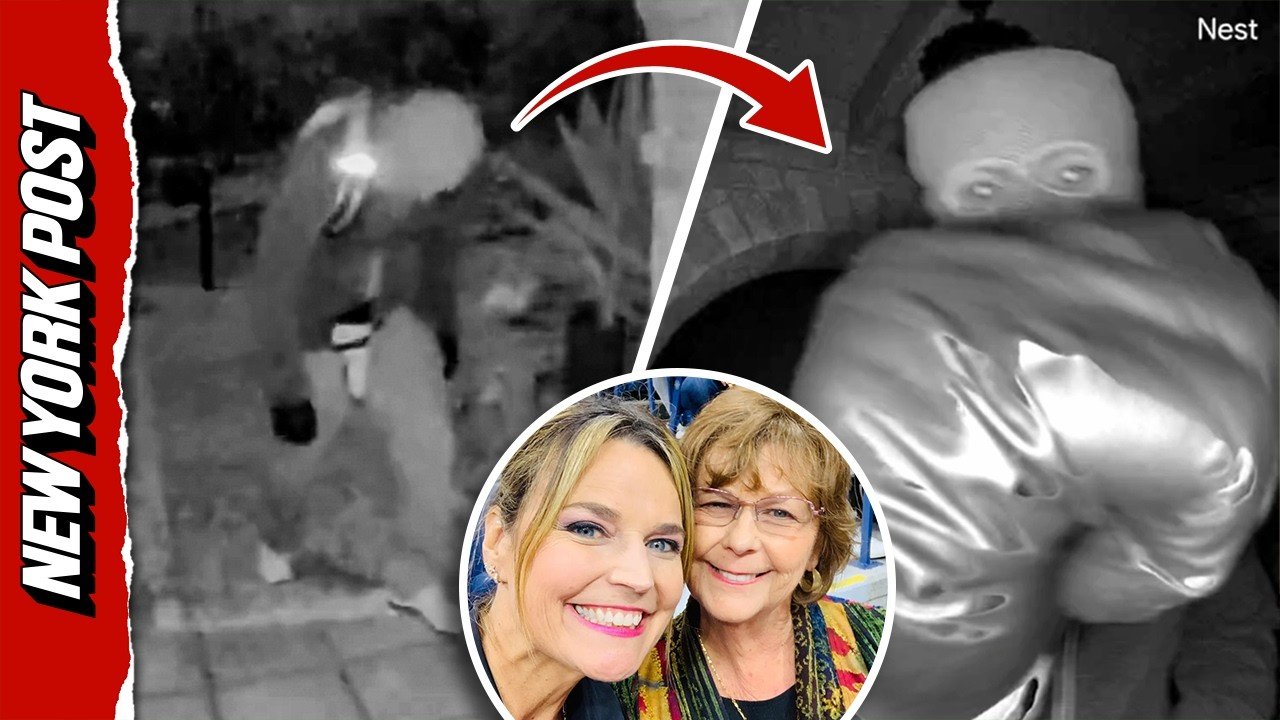
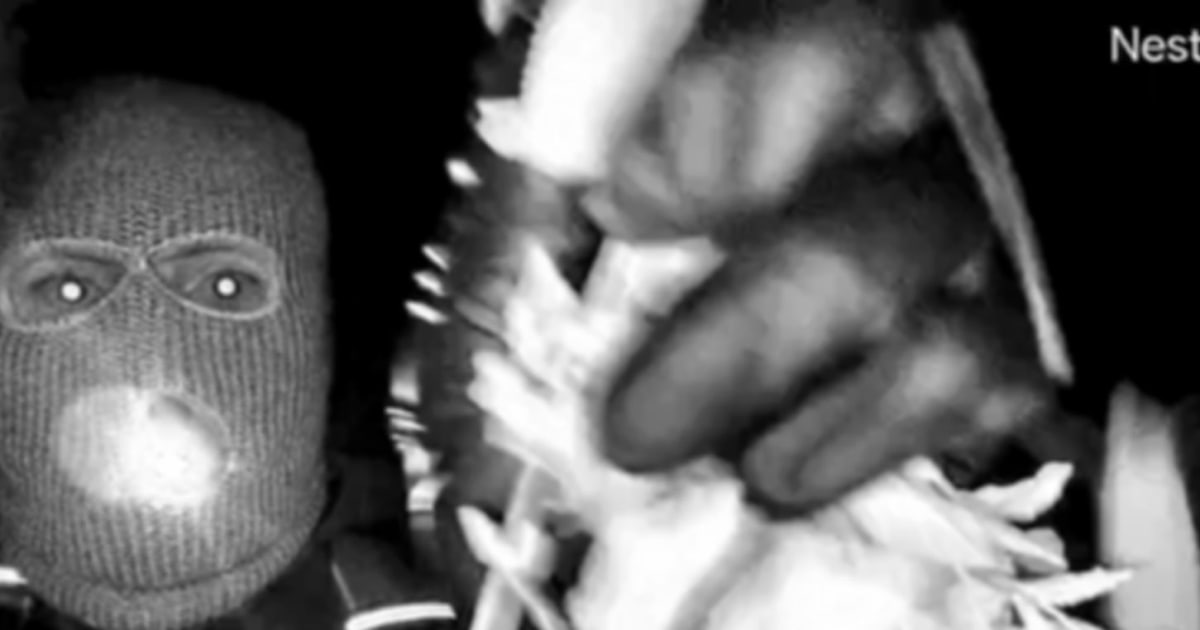
Because of the lack of a database hit, investigators have reportedly turned to investigative genetic genealogy, using public ancestry databases to try to identify the suspect’s relatives. At the same time, they have been working with Google to recover footage from Guthrie’s doorbell camera, despite the fact that she did not have an active cloud-storage subscription. Analysts say residual backend data helped retrieve video of a masked suspect.
Authorities have also examined the signal loss from Nancy Guthrie’s pacemaker app at 2:28 a.m. on February 1 to help narrow the window when she may have been removed from the home. Investigators have additionally explored the use of Bluetooth-sniffer tools to detect whether the device emitted any usable signal.
Search operations
As the investigation broadened, law enforcement carried out several field operations. On February 10, a person of interest was detained during a traffic stop in Rio Rico, Arizona, but was later released after officers found no evidence on the person or in their property. On February 13, authorities raided a residence about two miles from Guthrie’s home and seized a gray Range Rover from a nearby Culver’s parking lot for forensic analysis, though no arrests were made.
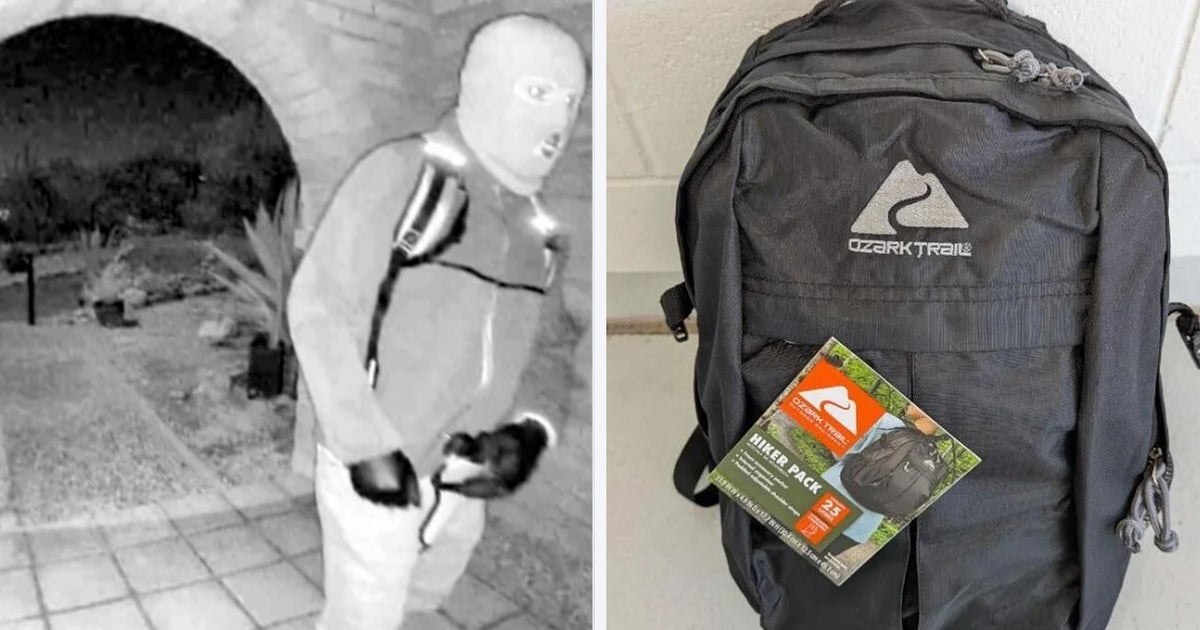
Investigators have also followed retail and weapons-related leads. One clue involved the suspect’s backpack, described as a 25-liter Ozark Trail Hiker Pack sold exclusively by Walmart, prompting police to work with the retailer to identify local buyers. Officers have also visited gun stores to match a “unique holster” seen in the surveillance footage, which was reportedly worn at the front of the suspect’s waist. Separate reports said FBI agents canvassed Tucson-area gun shops with a list of possible suspects and persons of interest.


Border angle
By February 20, investigators had expanded the search into Mexico, with Arizona authorities and federal officials coordinating with Sonora’s attorney general. Mexican officials said there was no indication that Nancy Guthrie had been taken across the border into Sonora, and footage from the Nogales Port of Entry and other crossings reportedly showed no vehicle or individual matching the suspect or the seized Range Rover.
Despite the lack of official evidence suggesting a border crossing, volunteer groups including Madres Buscadoras de Sonora joined the search in desert areas and abandoned properties in southern Arizona. The group, known for helping locate clandestine graves, said it was lending support to local volunteers amid the uncertainty surrounding Guthrie’s fate.
Public reaction
The disappearance has drawn sustained public attention and a growing reward structure. The FBI initially offered $100,000 for information leading to Nancy Guthrie’s whereabouts, and later the family increased the reward to as much as $1million through federal and private contributions. President Donald Trump also warned that those responsible would face the harshest federal consequences, including the death penalty if Guthrie is not returned alive.
At the same time, Pima County Sheriff Chris Nanos has faced criticism over the handling of the case. Former law enforcement officials and internal critics accused the department of releasing the home too quickly, resisting FBI involvement, and sending DNA samples to a private lab in Florida instead of the FBI laboratory in Quantico. Critics also questioned Nanos for attending a college basketball game during an active ransom deadline.
Nanos has dismissed the backlash as political or internal criticism, insisting that his department is working closely with the FBI and that more than 400 personnel are involved in the investigation. He has said the case remains active and complex, particularly because the DNA evidence may take months or even a year to fully resolve.
Suspect description
The suspect seen in surveillance footage is described as a male standing about 5-foot-9 to 5-foot-10 with an average build. He was wearing a balaclava, long pants, a jacket, and dark gloves, and was seen carrying a black 25-liter Ozark Trail Hiker Pack and a handgun in a holster at the front of his waist.
In the footage, the suspect appears to tamper with the camera and then block it with a plant from the yard, a detail that investigators say may suggest familiarity with the property. Authorities have also said the Guthrie family has been cleared of suspicion and has cooperated fully throughout the investigation.