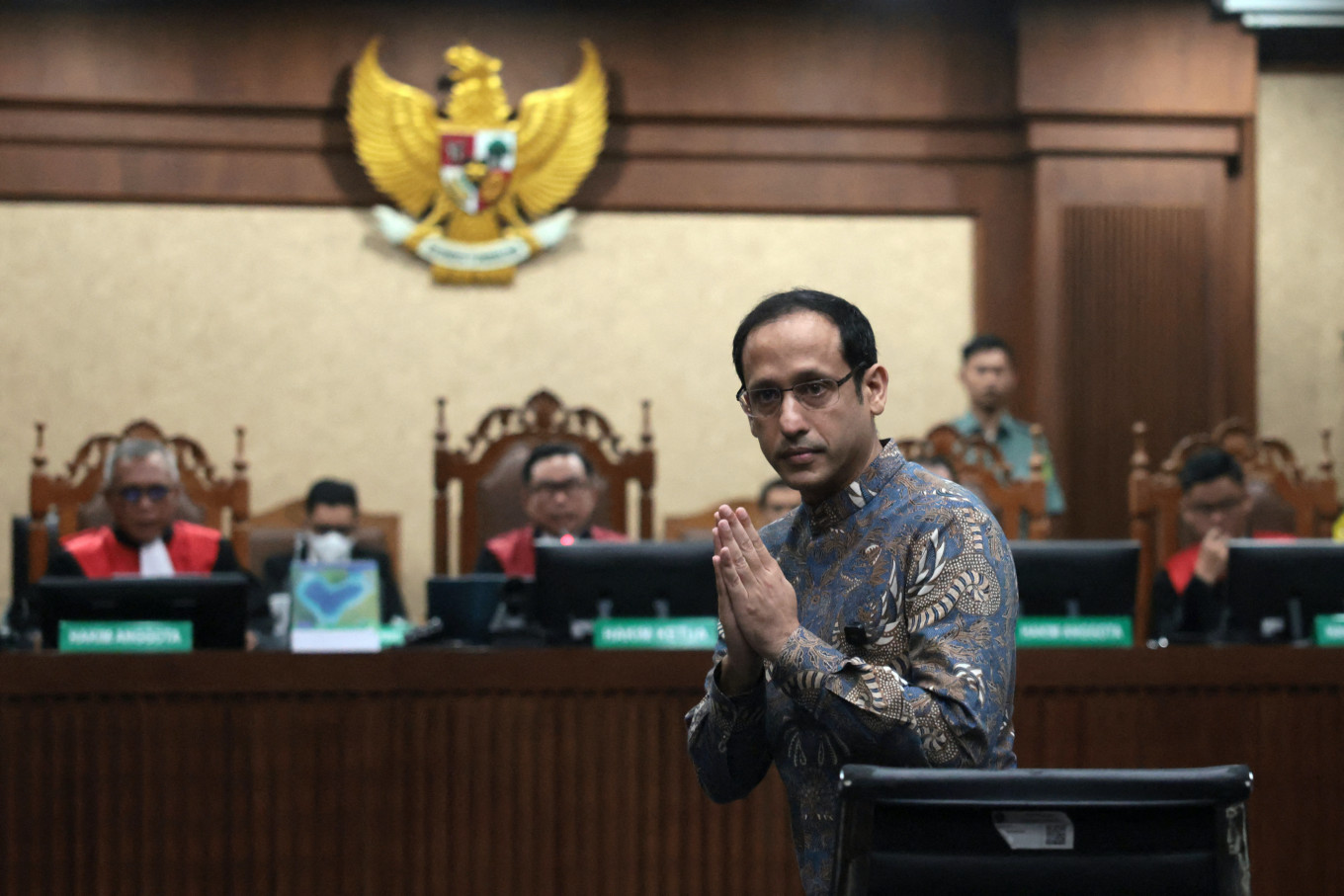

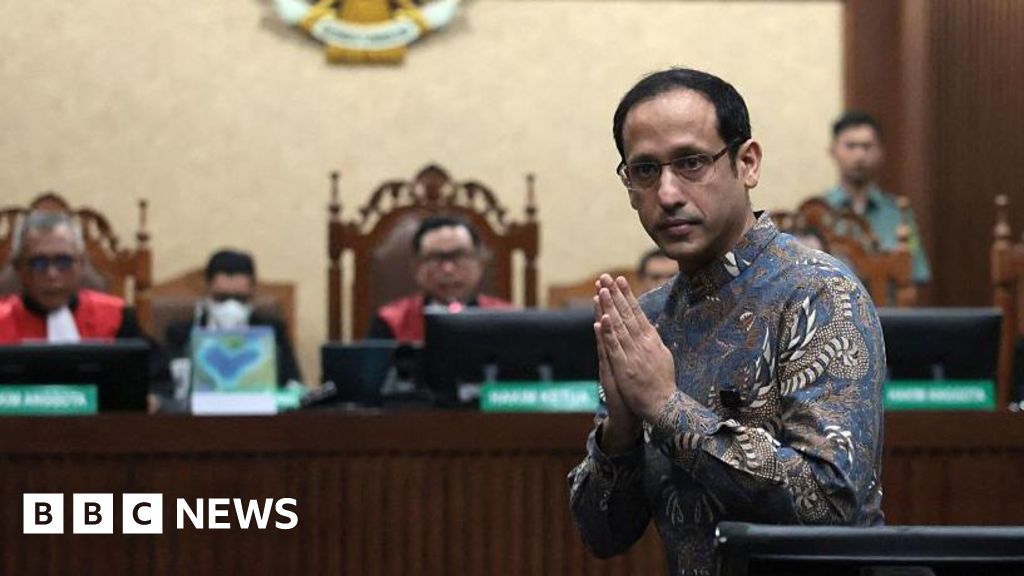

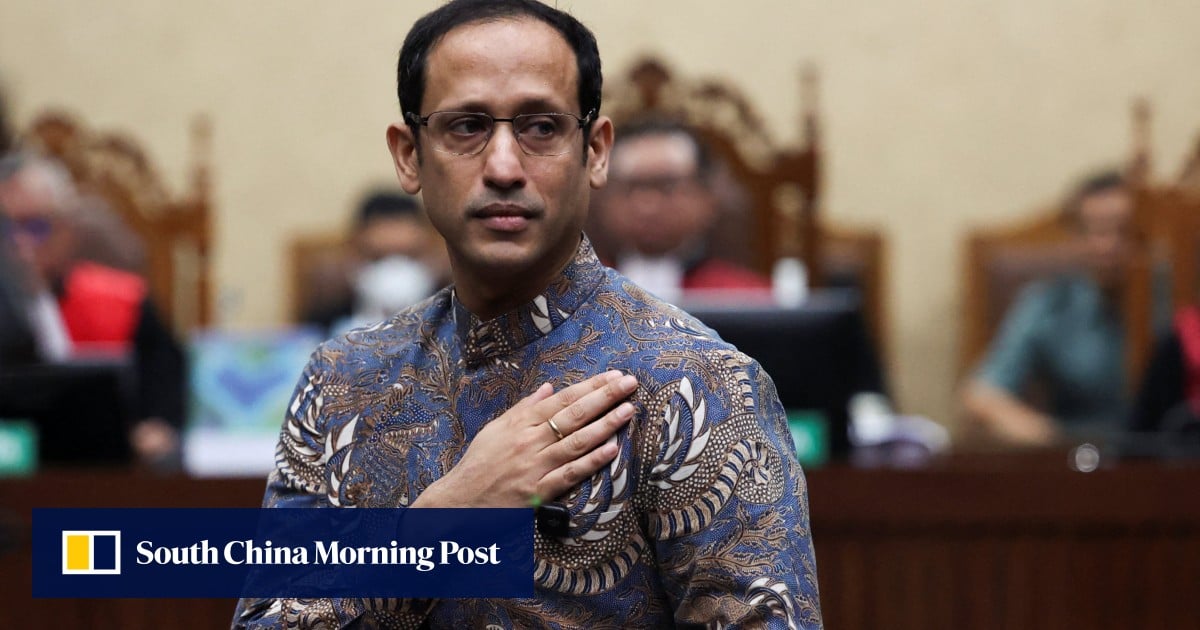
Indonesia’s former education minister and Gojek co-founder Nadiem Makarim has been sentenced to 10 years in prison after a Jakarta court found him guilty in a high-profile corruption case tied to a pandemic-era school technology program.
The Central Jakarta Corruption Court delivered the verdict on June 30, concluding that Makarim had abused his authority in overseeing the procurement of Chromebook laptops for Indonesia’s public schools during the COVID-19 pandemic.
In addition to the prison term, the court imposed a fine of 1billion rupiah and ordered him to pay 809.6billion rupiah (approximately US$45million) in restitution. Failure to pay the restitution would result in an additional five years of imprisonment.
Allegations and state losses
Prosecutors argued that the procurement process was improperly linked to Google’s investment in Gojek, the ride-hailing and digital services company co-founded by Makarim before he entered government. The court found that irregularities in the program resulted in state losses estimated at around US$120 million.
The case has drawn widespread attention due to Makarim’s prominence as both a tech entrepreneur and a reform-oriented minister.
Pandemic policy context
The laptop procurement initiative was launched at the height of the pandemic, when Indonesia—like many countries—was scrambling to transition millions of students to remote learning. The Ministry of Education promoted Chromebooks as a cost-effective solution to expand digital access across the archipelago.
However, critics later questioned whether the devices were suitable for Indonesia’s infrastructure conditions, including inconsistent internet connectivity in rural regions, as well as whether the procurement process met transparency and competitive standards.
Defense and political claims
Makarim has consistently denied wrongdoing. In court statements and through his legal team, he maintained that the program was designed solely to address urgent educational needs during a national crisis.
His defense also argued that the charges were politically motivated, pointing to broader tensions surrounding reform efforts and public procurement oversight.
Appeal and legal outlook
Makarim’s lawyers have confirmed that he will appeal the decision. He has also stated that the restitution amount is beyond his ability to pay, making additional prison time a likely outcome if the ruling is upheld.
Broader implications
The ruling marks one of the most significant corruption convictions involving a former cabinet minister in recent years, reinforcing Indonesia’s ongoing struggle to balance rapid digital modernization with governance and accountability.
The case is expected to have broader implications for Indonesia’s public procurement practices, particularly in the technology sector, where emergency pandemic spending accelerated decision-making and reduced oversight. It also raises questions about the intersection of public office and prior private-sector affiliations, especially in fast-growing digital economies.