Somalia and Saudi Arabia signed a military cooperation agreement in Riyadh on February 9, 2026, in a move that underscores the country’s efforts to reshape its security alliances after a period of sharp regional friction. The pact, signed on the sidelines of the World Defense Show, was finalized by Somali Defense Minister Ahmed Moallim Fiqi and Saudi Defense Minister Prince Khalid bin Salman.
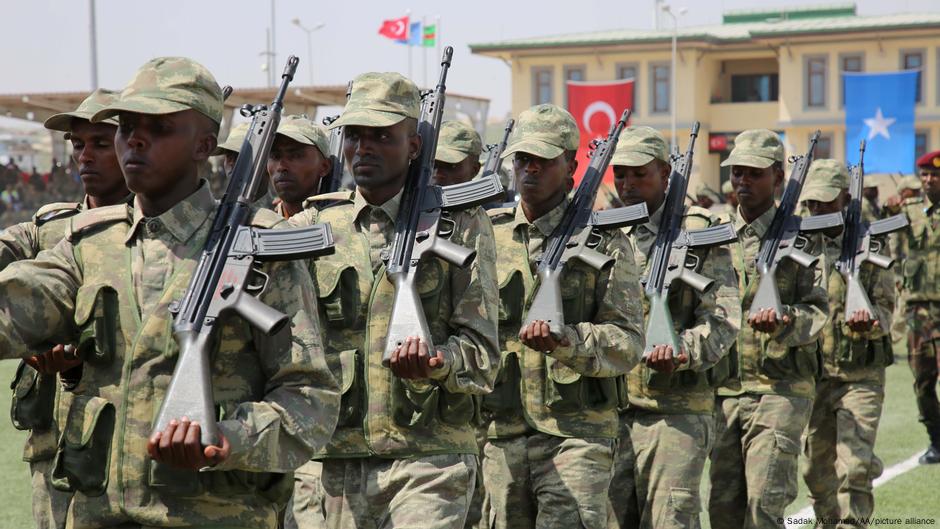
The agreement comes as Mogadishu seeks to deepen ties with partners it sees as more aligned with its sovereignty concerns, especially after tensions with the UAE escalated sharply in early 2026. Somalia has also moved to strengthen military ties with Qatar and Türkiye, while Saudi Arabia has publicly backed Somalia’s territorial unity amid growing controversy over Somaliland.
What the deal covers
The new framework is intended to strengthen military cooperation and regional stability, particularly in the Red Sea and the Horn of Africa. It includes advanced training for Somali forces, technical and logistical support, and cooperation to improve airspace security and territorial defense.
The agreement also calls for closer coordination on maritime security in the Red Sea and Gulf of Aden, where piracy and illicit trafficking remain persistent threats. Intelligence sharing and joint defense planning are also part of the deal, with both sides aiming to strengthen their response to al-Shabaab and other militant groups.
Severing of SAE ties
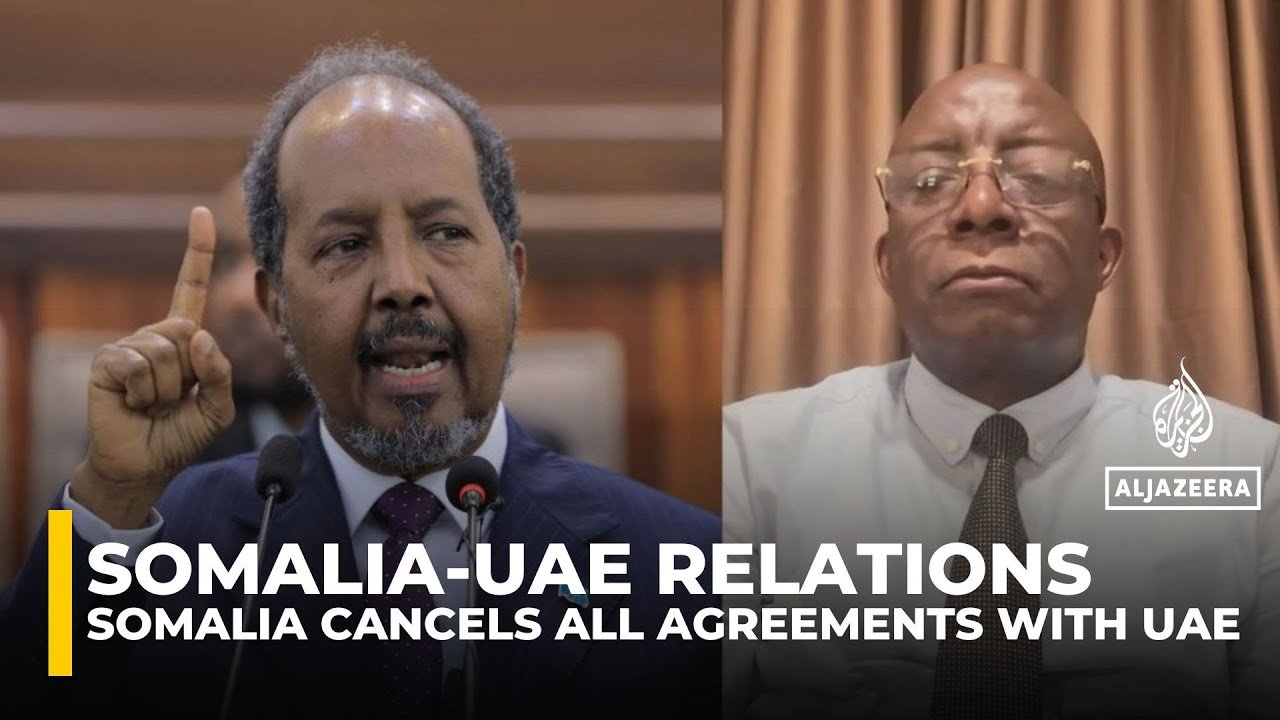
The Saudi deal follows Somalia’s decision to terminate all bilateral agreements with the UAE on January 12, 2026, after accusing Abu Dhabi of actions that undermined Somali sovereignty. This move effectively severed formal security, defense, and economic ties between the two nations.
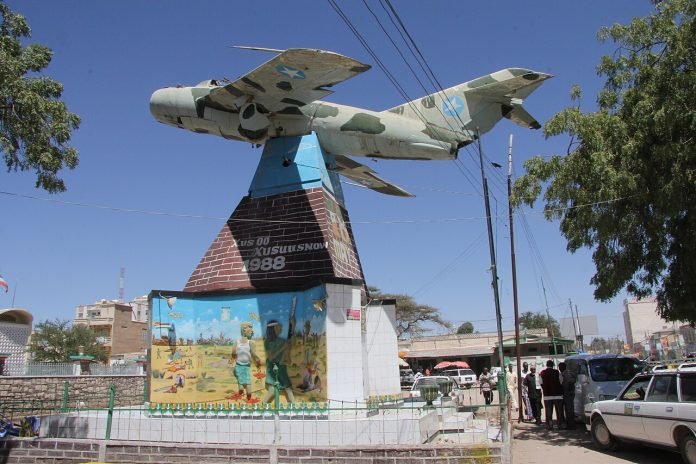
Mogadishu said the UAE had bypassed the federal government by working directly with regional authorities in Puntland, Jubaland and Somaliland, and cited concerns over support for Somaliland and unauthorized activity in Somali airspace. Somalia accused the UAE of facilitating Israel’s recognition of the breakaway region of Somaliland in late 2025.
Tensions spiked after reports that the UAE facilitated the escape of a high-profile Yemeni separatist leader (Aidarous al-Zubaidi) through Somali territory and airspace without federal authorization.
That rupture also affected port and security arrangements, including deals linked to Berbera, Bosaso and Kismayo, as well as UAE-backed training and salary support for Somali soldiers. Agreements involving the ports of Berbera (Somaliland), Bosaso (Puntland), and Kismayao (Jubaland) were declared null and void by the federal government. Formal military training programs and salary payments for approximately 3,400 Somali soldiers funded by the UAE were suspended.
While Somaliland, Puntland and Jubaland rejected Mogadishu’s directive, the federal government has since sought to replace UAE influence by leaning more heavily on Saudi Arabia and Türkiye. DP World, the UAE-based logistics giant, stated its $442 million investment in the Berbera port remains unaffected by Mogadishu’s declaration.
Regional shift
The agreement reflects a broader realignment in the Horn of Africa and the Red Sea corridor, where regional powers are competing for influence through security partnerships, port access and military cooperation. For Somalia, the Saudi accord signals both a search for stronger external backing and a bid to reassert control over its sovereignty after months of escalating diplomatic disputes.

Read also: