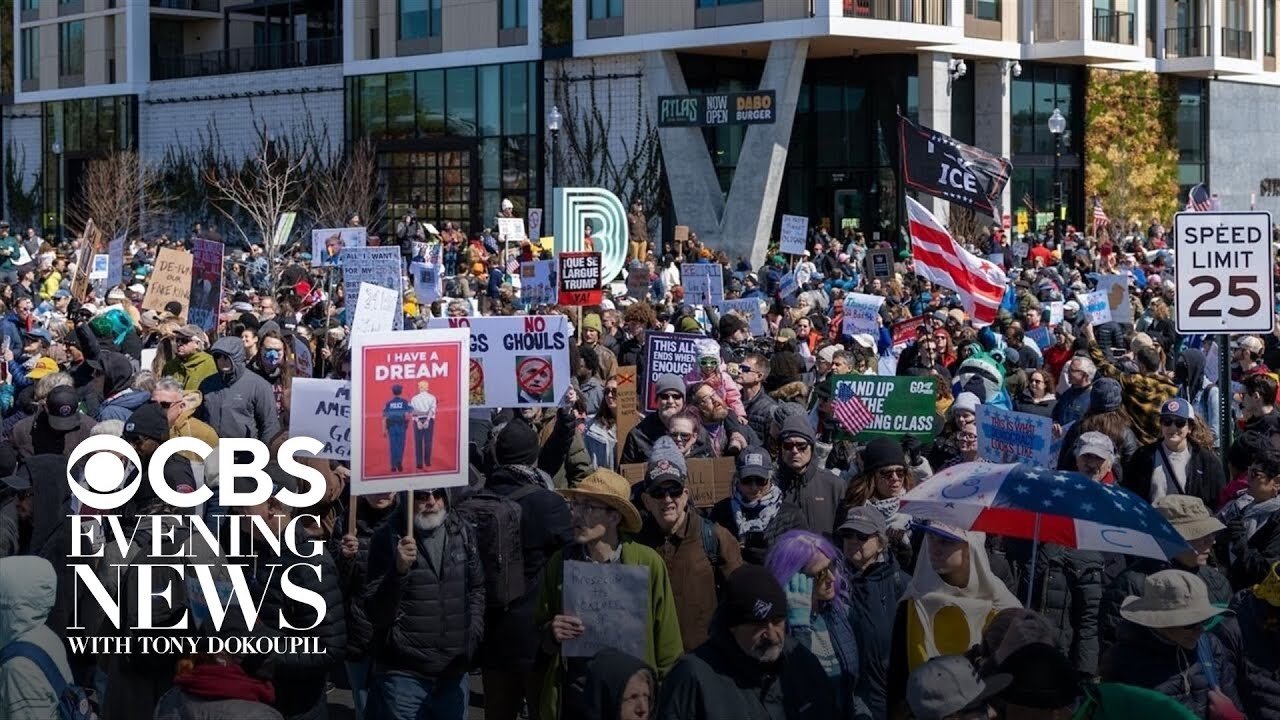
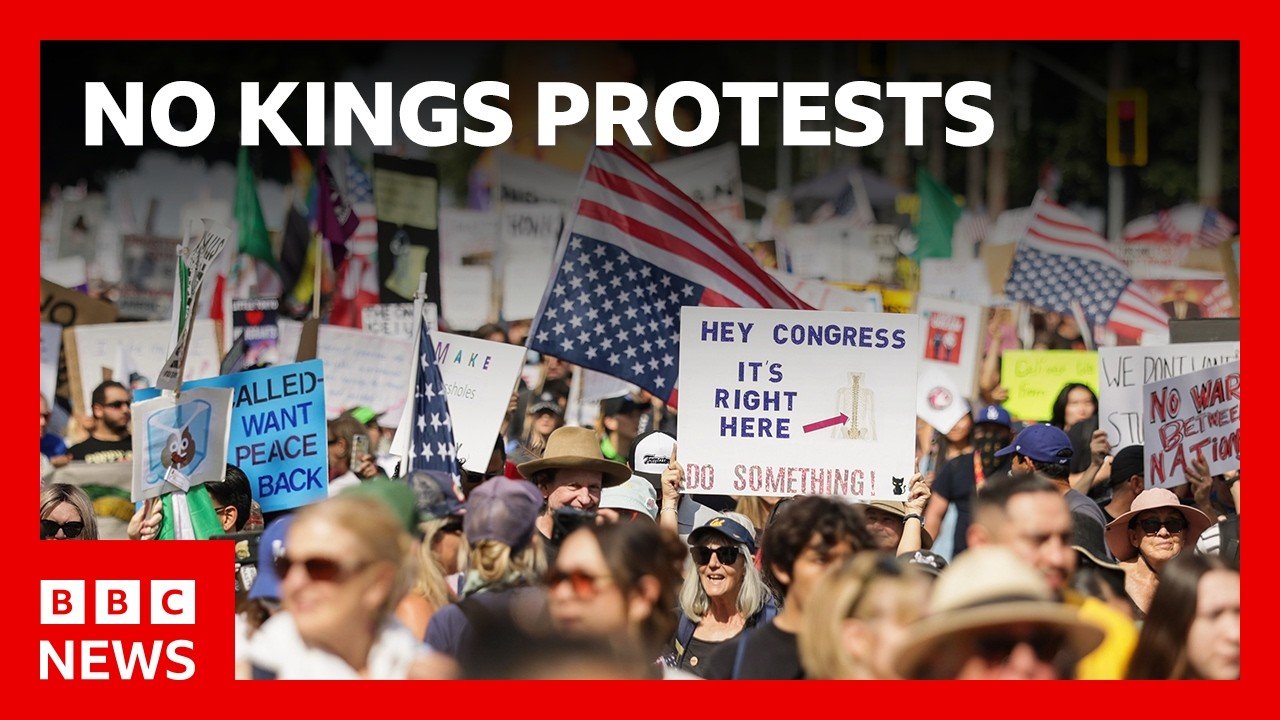
On March 28, 2026, the “No Kings 3” movement staged coordinated protests across more than 3,300 locations in all 50 US states, as well as in several international cities. Organizers estimate that between 8 and 9 million people participated nationwide, with major outlets describing the mobilization as the largest single day of protest in US history.
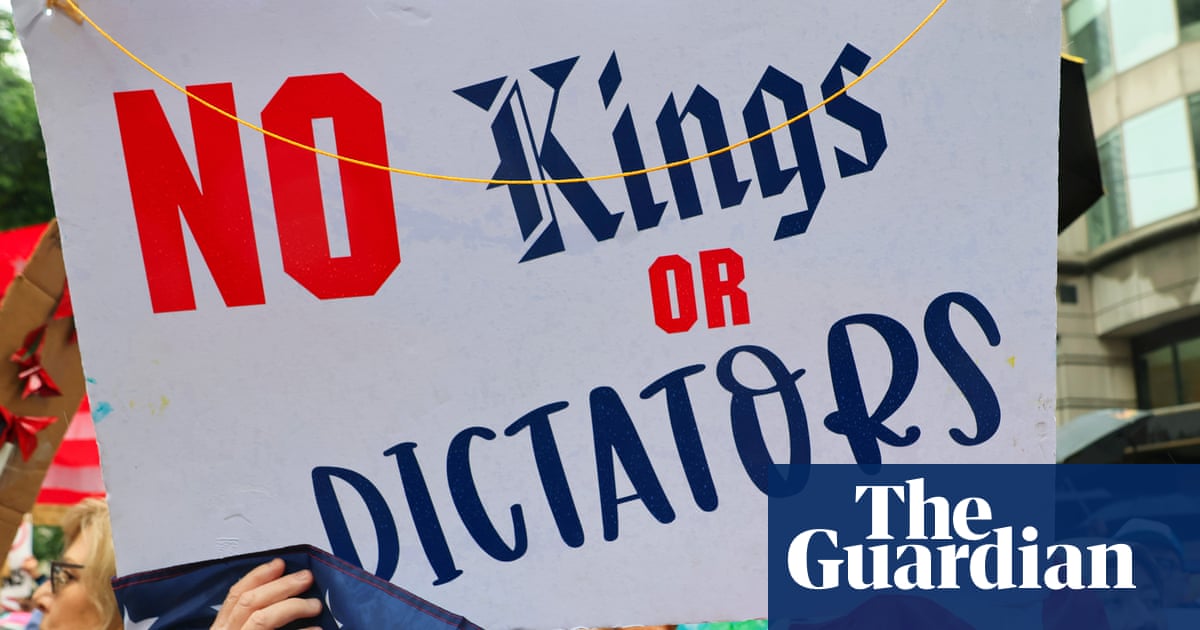
The demonstrations are part of a broader series of mass, non-violent rallies opposing policies under President Donald Trump’s second administration. Organizers say the “No Kings” slogan reflects a rejection of what they view as authoritarian executive overreach, emphasizing that “in America, we don’t have kings.”
Core grievances driving the movement
The March 28 protests coalesced around four primary areas of concern: opposition to the ongoing conflict with Iran, anger over immigration enforcement actions, fears of expanding executive power, and frustration with economic conditions and social spending cuts.
Opposition to the Iran conflict
A central driver of the protests was opposition to the ongoing war involving the United States and Israel against Iran, which had entered its fourth week at the time of the demonstrations.
Many protesters, particularly younger participants, criticized the conflict as unnecessary and destabilizing. Reports of significant US military losses contributed to rising anti-war sentiment. Demonstrators also linked the war to rising fuel costs and broader economic strain, calling for a reallocation of resources toward domestic priorities such as education and employment.
Immigration enforcement and Minneapolis killings
Immigration policy remained a focal point, particularly criticism of Immigration and Customs Enforcement (ICE) operations.
Public anger intensified following two fatal shootings by federal agents in Minneapolis in January 2026, involving Renee Good, a mother of three, and Alex Pretti, a nurse. Protesters cited these incidents as emblematic of what they described as aggressive and unchecked enforcement.
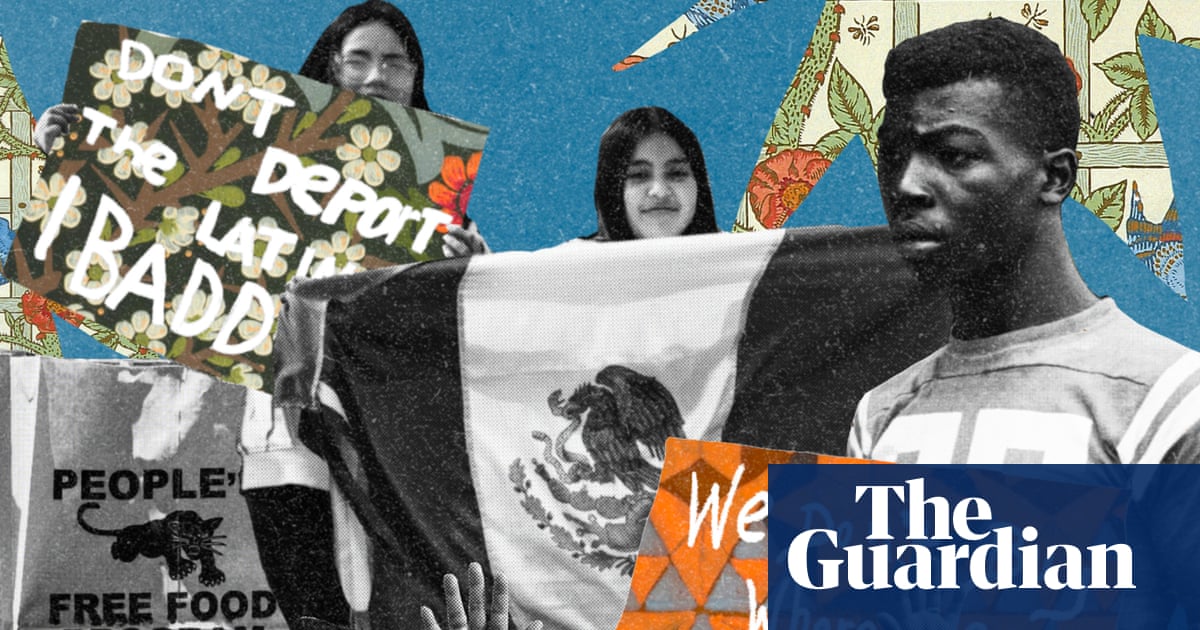
Operation Metro Surge, a large-scale federal initiative, was widely condemned by demonstrators, who characterized it as an overreach into American cities. Calls to end mass deportations and enforcement raids were prominent throughout the rallies.
Concerns over executive power
The protests also reflected broader concerns about the expansion of presidential authority. The “No Kings” slogan itself has become shorthand for opposition to what participants describe as creeping authoritarianism.
Criticism has focused on the perceived politicization of federal agencies, threats to election processes, and the deployment of National Guard troops in major urban centers. Organizers framed the movement as a reminder that government authority derives from the public.
Economic pressures and social policy
Economic concerns were another key factor driving turnout. Many participants cited the rising cost of living, particularly increases in food and fuel prices, as a major source of frustration.
Protesters also opposed cuts to healthcare, public services, and environmental protections. Additional discontent stemmed from disruptions linked to a prolonged shutdown of the Department of Homeland Security, which contributed to operational issues at airports and other infrastructure.
Scale and geographic reach
While a majority of events took place in smaller communities and suburban areas, major cities saw large-scale turnout.
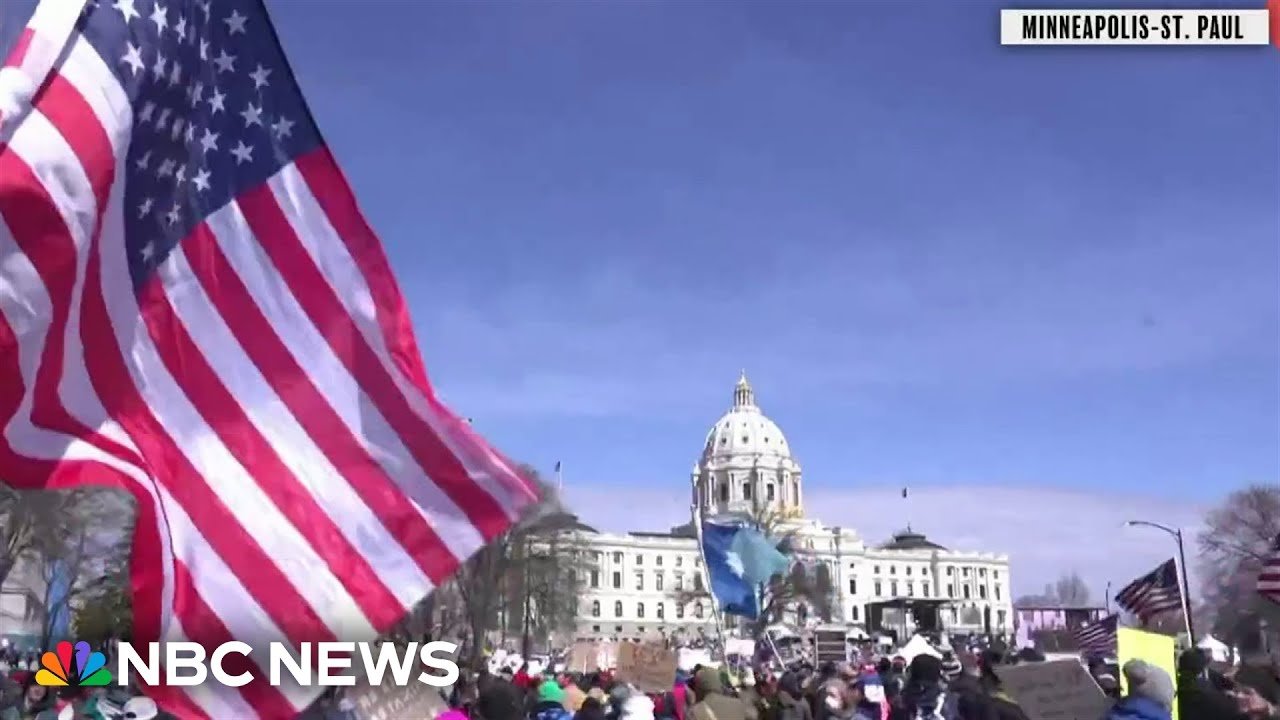
The flagship rally was held at the Minnesota State Capitol in St. Paul, where musician Bruce Springsteen performed a protest song tied to the Minneapolis incidents. Prominent public figures, including Bernie Sanders, Jane Fonda, Robert De Niro, Bill Nye, and Letitia James, appeared at various events.
In New York City, an estimated 350,000 people marched through Manhattan to Times Square. Washington, D.C. drew roughly 100,000 demonstrators to the National Mall, with additional marches crossing into the city from Arlington, Virginia.
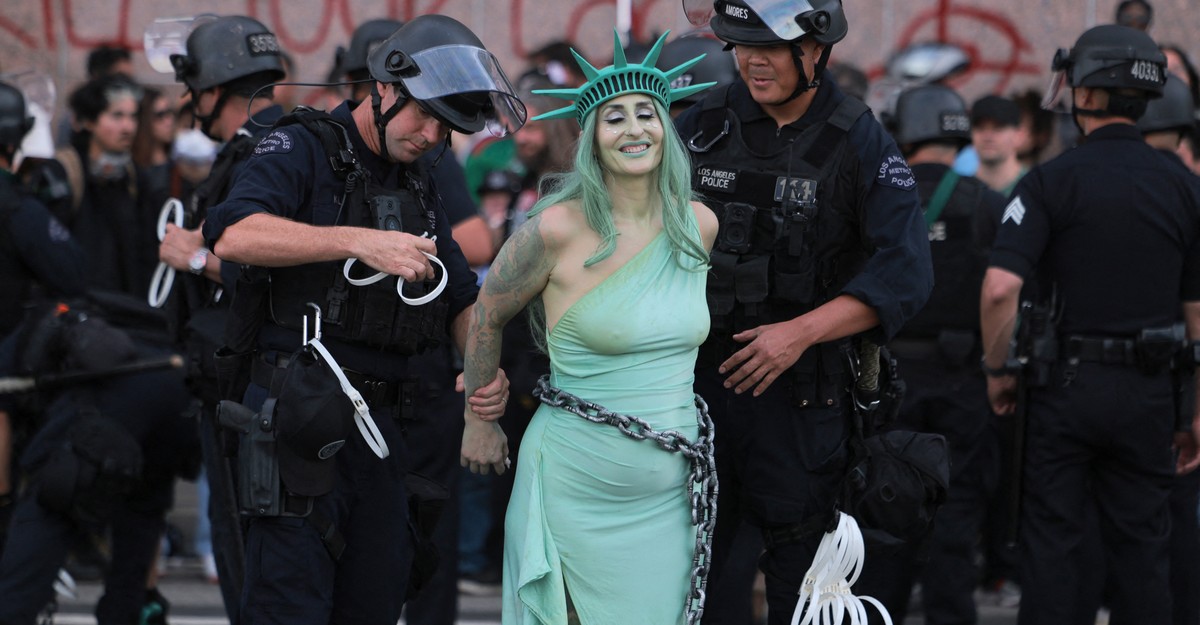
Large crowds were also reported in Los Angeles, Chicago, Boston, San Francisco, San Diego, Dallas, Philadelphia, Portland, and Seattle. Some localized clashes occurred, including reports of tear gas deployment near a federal building in Los Angeles.
International solidarity protests were held in dozens of countries, often under alternative slogans such as “No Tyrants” or “No Dictators” in constitutional monarchies.
Government response
The Trump administration dismissed the demonstrations. White House Deputy Press Secretary Abigail Jackson described the protests as “Trump Derangement Therapy Sessions” and downplayed their significance.
Congressional Republicans echoed similar sentiments, with some previously characterizing earlier protests as anti-American and accusing participants of sympathizing with extremist causes.
Federal and state authorities remained on alert following earlier unrest linked to immigration enforcement actions. In Portland, federal agents moved to secure government facilities after minor damage to perimeters. In Texas, Governor Greg Abbott mobilized National Guard troops and state police in anticipation of large gatherings.