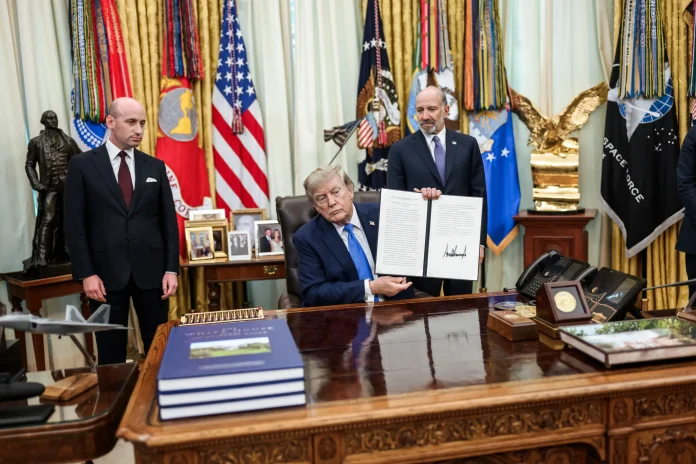
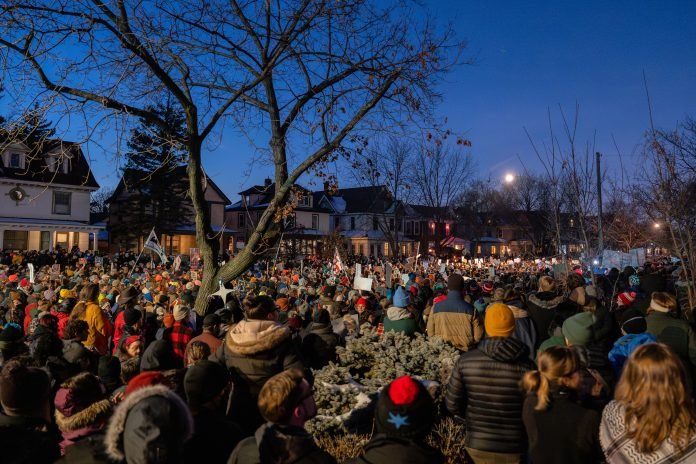
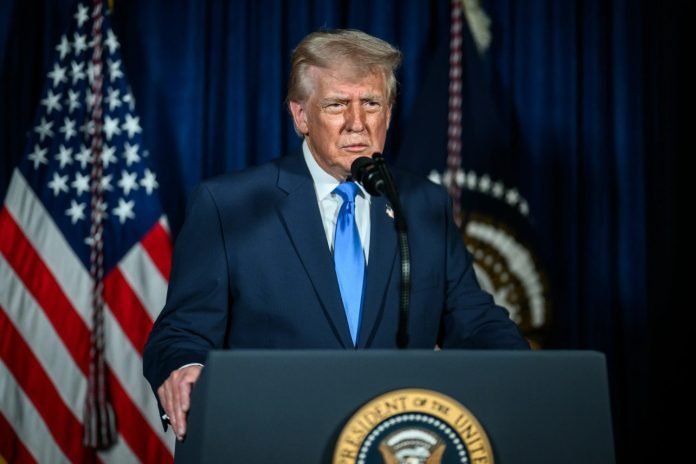
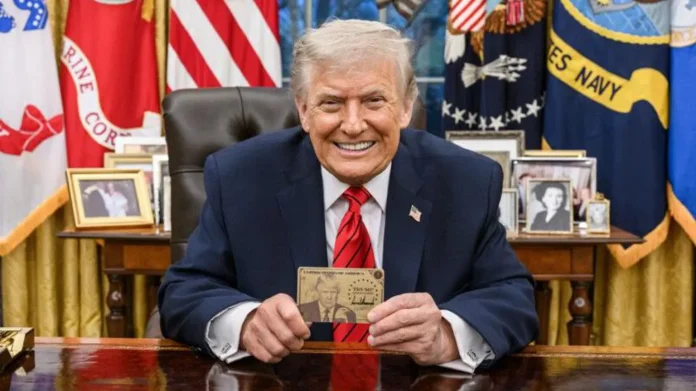
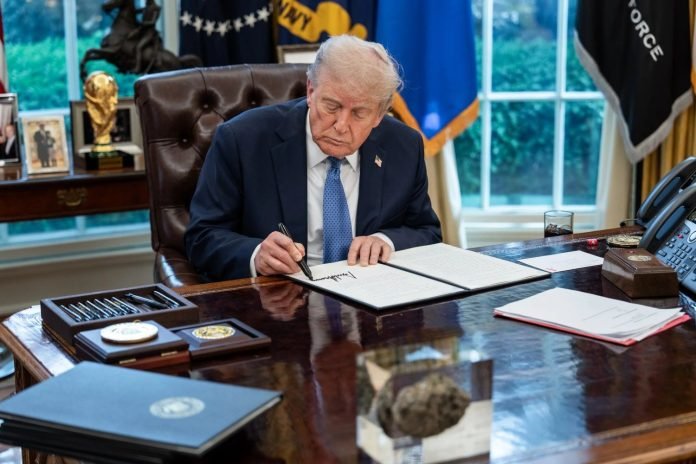
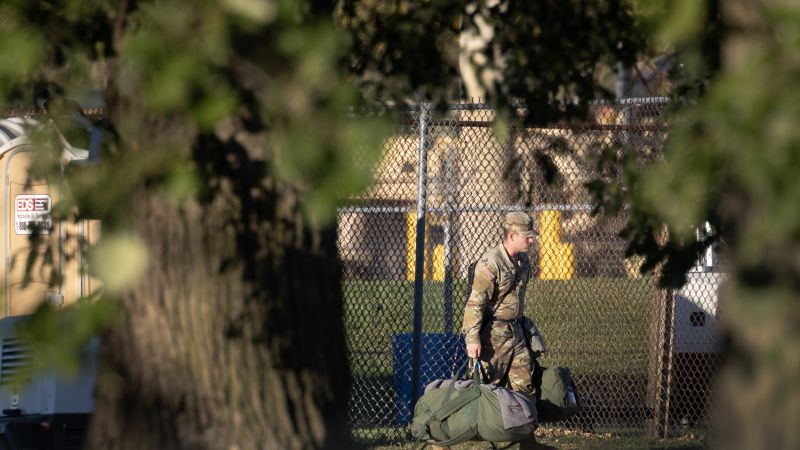
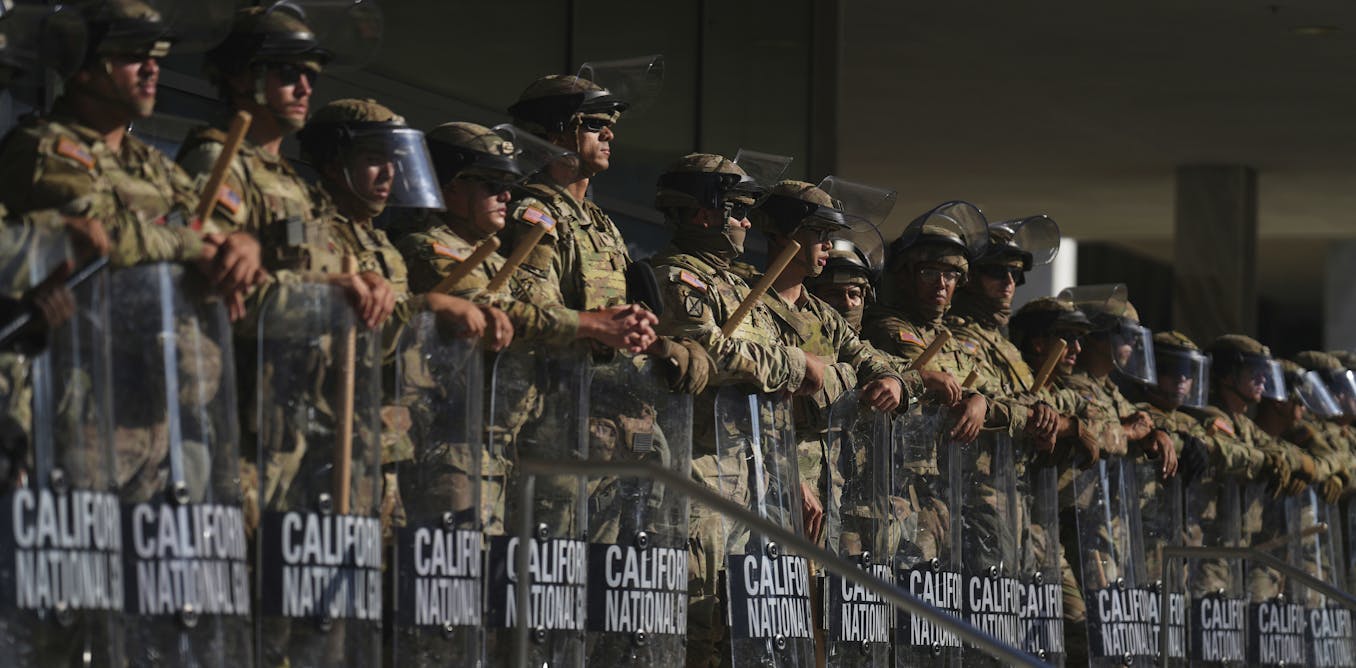
In 2025, President Donald Trump initiated a series of National Guard deployments to multiple US cities, framing the missions as responses to crime, homelessness, illegal immigration and civil unrest, sparking intense legal and political battles over federal authority.
Deployments started in Los Angeles in June 2025 and Washington, DC in August 2025 before expanding to Memphis and Portland in September. By late 2025, the administration launched Operation Midway Blitz in Chicago and moved troops into New Orleans.
Trump offered a range of justifications for these deployments, framing them as a necessary federal response to illegal immigration, homelessness and violent crime, as well as a strategy to suppress civil unrest and unauthorized protests. These actions primarily targeted Democratic-led jurisdictions, sparking intense debate over executive overreach and the Posse Comitatus Act, which restricts military involvement in domestic policing.
While Trump announced a withdrawal of National Guard troops from Chicago and Los Angeles on 31 December 2025, the deployments in New Orleans and Washington, DC have continued into early 2026.
Los Angeles
In June 2025, Trump deployed 700 Marines and 4,000 National Guard troops to Los Angeles during protests over immigration raids, despite objections from California Governor Gavin Newsom. On 2 September, US District Judge Charles Breyer ruled the Trump administration violated the Posse Comitatus Act with its military deployment, deeming the justification fabricated since no rebellion existed and civilian law enforcement could handle the protests. National Guard troops withdrew from the city on 15 December after a court mandated the end of the deployment.
Washington, DC
In August 2025, around 2,000 National Guard troops including roughly 800 from the District of Columbia National Guard were sent to the area. The administration federalized the DC Metropolitan Police Department for 30 days, equipping the troops with firearms for patrols in tourist districts instead of high-crime areas.
By 24 August, officials reported over 700 arrests and the seizure of 91 illegal firearms. A shooting outside Farragut West station on 26 November killed one West Virginia National Guard soldier and injured another, prompting Trump to deploy 500 more National Guard troops. While MPDC federalization ended on 10 September, the National Guard presence was first extended to 30 November and later to February 2026.
Operation Midway Blitz
In October 2025, Trump authorized federal troop deployments in Chicago as part of Operation Midway Blitz, a multi-agency surge that federal officials stated was aimed at criminal illegal aliens in Illinois. The operation was officially launched in early September 2025 and named in honor of Katie Abraham, a 20-year-old killed in a hit-and-run crash involving an undocumented immigrant.
The surge involved hundreds of agents from ICE, Customs and Border Protection, the US Marshals and the DEA. As of early 2026, officials reported over 4,500 arrests under the operation. However, reports also documented the detention of US citizens and the use of extreme tactics such as rappelling from helicopters onto residential buildings.
In January 2026, Illinois and Chicago filed a 103-page lawsuit against the administration, characterizing the federal agents as occupiers and alleging the operation was a campaign of coercion against sanctuary city policies.
Key legal issues
Courts largely determined that Trump lacked the authority under Title 10 to federalize the National Guard for routine law enforcement without a valid exception to the Posse Comitatus Act, such as the Insurrection Act. The 1878 Posse Comitatus Act has been central to the legal battles, as courts have repeatedly found the use of military forces for domestic policing unconstitutional except in rare circumstances.
The cases highlighted the tension between federal intervention and state/local autonomy. Governors and attorneys general in Democratic-led states successfully argued the deployments were an unlawful overreach of executive power designed to punish political opponents. Trump has suggested he may attempt to redeploy the troops in a much different and stronger form in the future, possibly by invoking the Insurrection Act.
Broader implications
The National Guard deployments marked a significant test of presidential power over domestic security and highlighted deep partisan divides over the role of federal military forces in civilian law enforcement. The legal challenges and eventual partial withdrawals underscored the limits of executive authority while setting precedents for future use of military resources in domestic operations.
Read also:
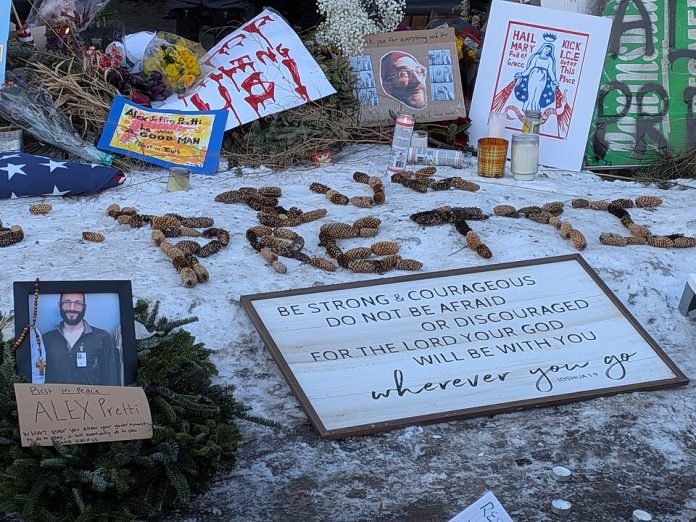
Shooting of Alex Pretti
US shootings spark “ICE Out for Good” protests