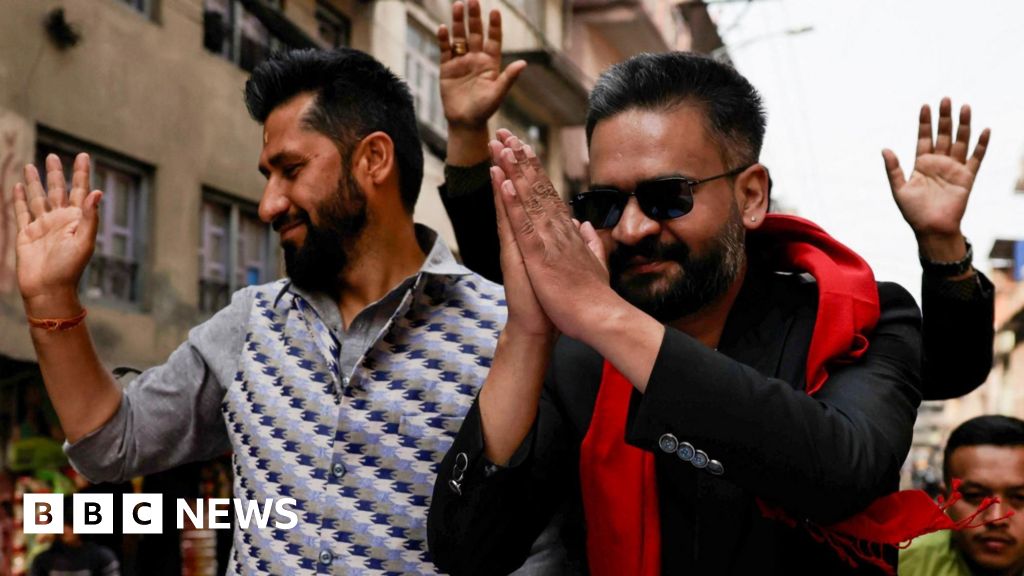
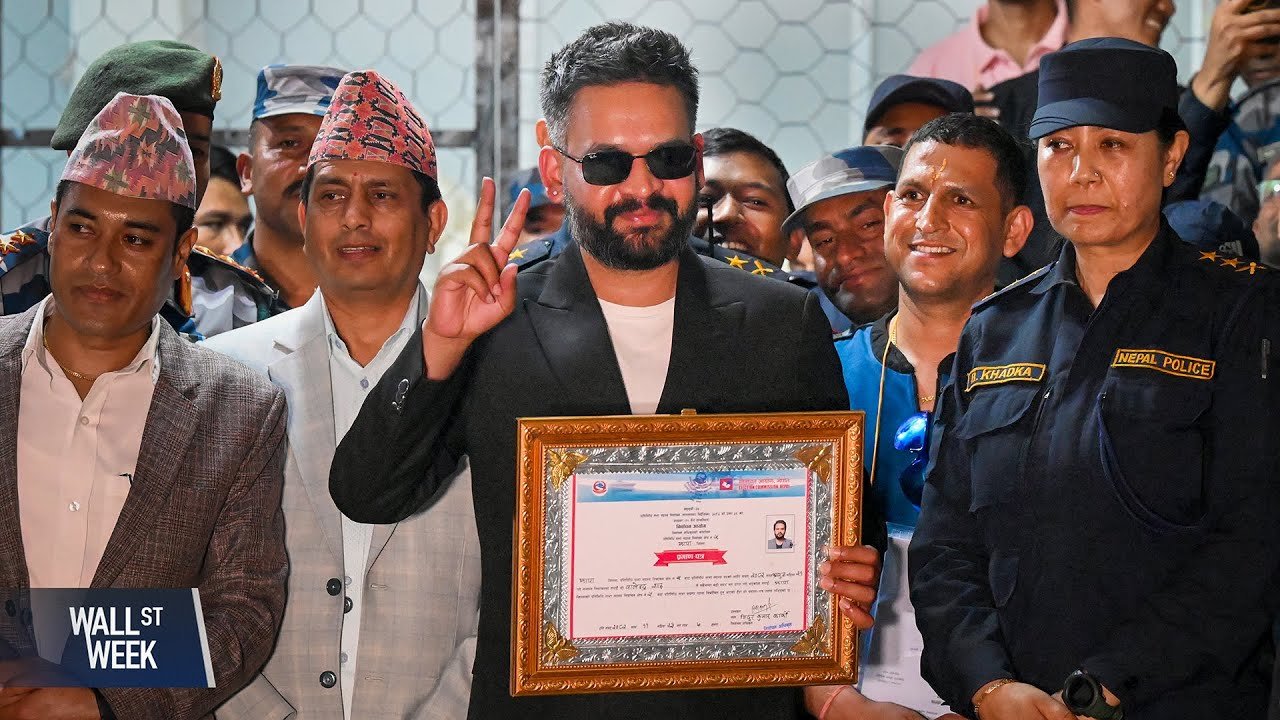
Nepal has witnessed a political earthquake. Balendra “Balen” Shah, a 35-year-old former structural engineer and rapper, has led his upstart Rastriya Swatantra Party (RSP) to an unprecedented landslide victory in Nepal’s snap parliamentary elections held on 5 March 2026.
The RSP secured 182 of the 275 seats in the House of Representatives, establishing the first single-party majority since 1999. The results mark a seismic shift in Nepal’s political landscape, fueled largely by an energized youth movement demanding reform, transparency, and generational change.
A wave born from protest
The election outcome follows a year of upheaval. In September 2025, massive youth-led demonstrations, dubbed the “Gen Z Protests”, erupted across Kathmandu and other major cities. What began as spontaneous rallies against corruption and government inertia quickly swelled into a broad-based movement that ultimately toppled the ruling coalition under Prime Minister Pushpa Kamal Dahal.
The protests galvanized a new generation of Nepalis disillusioned with the decades-long dominance of traditional parties such as the Nepali Congress (NC) and the Communist Party of Nepal–Unified Marxist Leninist (CPN-UML). Social media proved instrumental: TikTok and Instagram became hubs for organizing demonstrations, sharing satirical political content, and amplifying Balen Shah’s anti-establishment rhetoric.
A new political force
Shah’s Rastriya Swatantra Party (RSP), founded in 2022 as a reformist platform championing good governance and meritocracy, rode that wave to an overwhelming victory. The party’s populist message resonated especially with young voters, many of whom were casting ballots for the first time.
The Nepali Congress, the country’s oldest political party, was reduced to 38 seats, while the CPN (UML) managed just 25. Several prominent political figures, among them former Prime Minister K.P. Sharma Oli and NC president Gagan Thapa, lost their constituencies, signaling the electorate’s hunger for change.
From stage to state
Balen Shah’s rise to power has been nothing short of remarkable. Before entering politics, Shah built a following in Kathmandu’s underground hip-hop scene, using his verses to critique inequality and corruption. Trained as a structural engineer, he first entered public service when he was elected Mayor of Kathmandu in 2022, where his technocratic approach and social media-savvy communication style won both admiration and controversy.
Sworn in as Nepal’s youngest-ever Prime Minister on 27 March 2026, Shah pledged to “rebuild the republic from the ground up,” promising investment in infrastructure, education reform, and digital governance transparency. Early cabinet appointments, dominated by professionals and academics rather than party loyalists, have been hailed as a symbolic departure from patronage politics.
Regional and global implications
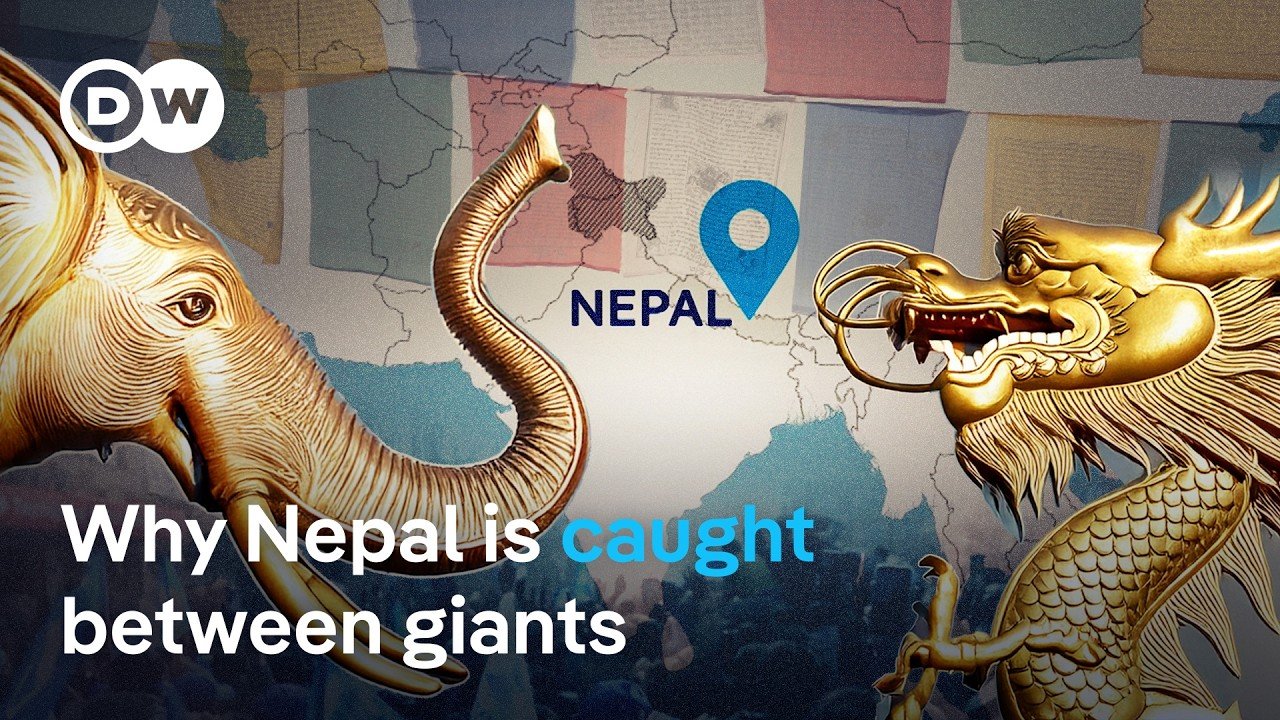
Observers say the election could reposition Nepal’s regional diplomacy. Shah’s nationalist rhetoric emphasizes economic sovereignty and balanced engagement with both India and China, suggesting a recalibration of Kathmandu’s foreign policy. His government also signals a generational shift in South Asian politics, mirroring broader trends of youth-driven populism seen in countries like Sri Lanka and Malaysia.
Still, challenges loom large. Analysts warn that maintaining coherence within a fast-expanding, relatively inexperienced party will test Shah’s leadership. Moreover, translating his reformist promises into structural change will depend on navigating Nepal’s complex bureaucracy and coalition-era institutions.
For now, though, a new chapter has begun. As fireworks lit up Kathmandu’s skies on election night, chants of “Balen Lao, Naya Nepal Banao” (Bring Balen, Build a New Nepal) echoed through the capital. For millions of young Nepalis, the ballot box has become their stage, and a once-underground rapper their symbol of possibility.
Read also: 2025 storming of Nepalese Parliament