SoftBank Group overtook Toyota Motor to become Japan’s most valuable listed company on June 1, 2026, marking a dramatic shift in market leadership driven by the global artificial intelligence boom.
The Masayoshi Son-led technology conglomerate surged past the automotive giant for the first time in over two decades, with its market capitalisation exceeding ¥48trillion (approximately $300billion). Toyota, long considered a bellwether of Japan’s industrial strength, has slipped to around ¥46trillion following a sustained decline in its share price.
The milestone underscores a broader reordering of global equity markets, where investor capital is rapidly rotating toward companies positioned at the center of the AI ecosystem. At the same time, SoftBank’s aggressive, highly leveraged AI strategy is reviving concerns about its balance sheet and whether the group is taking on too much risk.
A rally fueled by AI ambitions
SoftBank’s ascent has been powered by a sharp rally in its shares, which have risen roughly 70% to 90% year-to-date depending on the data source. The gains reflect growing investor confidence in the group’s aggressive positioning across the AI value chain.
Central to this narrative is SoftBank’s deepening relationship with OpenAI. The company has committed more than $60billion in total investment tied to the AI firm, securing an estimated 13% stake. It participated in OpenAI’s $40billion funding round last year at a reported $300billion valuation and has continued to deepen its involvement. In March 2026, SoftBank secured a $40billion bridge loan to help fund additional OpenAI investments and for general corporate purposes.
According to CNBC, S&P Global estimated that OpenAI would account for roughly 30% of SoftBank’s investment portfolio, similar to Arm Holdings’ share, following the group’s additional $30billion investment in the ChatGPT maker.
Equally significant is SoftBank’s controlling stake in Arm Holdings. The British chip designer, in which SoftBank owns roughly 87%, has emerged as a critical player in AI infrastructure. Arm’s stock has surged on the back of soaring demand for energy-efficient processors used in data centres and AI workloads, reinforcing SoftBank’s exposure to foundational AI hardwar.
The group has also signaled its long-term commitment to AI infrastructure through a planned €75billion investment in data centres across France, part of a broader push to build capacity for next-generation computing.
Taken together, these bets have repositioned SoftBank from a volatile investment holding company into a central proxy for global AI growth.
Masayoshi Son becomes Asia’s richest person
SoftBank’s rally has also transformed Masayoshi Son’s personal fortune. Forbes estimated his net worth at about $97billion as of early June 2026, largely on the back of SoftBank’s share price surge, pushing him to the top of Asia’s wealth rankings amid the AI boom. Billioncaster standings can shift quickly as share prices move, with some reports noting that the title changed again shortly afterward as the tech rally experienced volatility.
The move marks a personal turnaround for Son, whose fortune had previously been battered by SoftBank’s massive WeWork losses, which exceeded $14billion in cumulative investment losses.
Liquidity concerns mount as debt rises
SoftBank’s ascent to becoming Japan’s most valuable company has put the spotlight on the conglomerate, raising questions about whether it is taking on too much risk through its highly leveraged bet on artificial intelligence.
As of the end of 2025, SoftBank had about 16.3 trillion yen (approximately $104billion) in stand-alone interest-bearing debt, according to its financial statements. In March 2026, S&P Global Ratings revised SoftBank’s credit outlook to negative, saying the company’s asset liquidity, portfolio quality, and financial capacity are “likely to deteriorate because of its additional huge investment in OpenAI”.
For some investors, the concern is not simply the amount of debt but the overreliance on one company OpenAI, which has also raised questions over what happens if enthusiasm surrounding AI valuations cools.
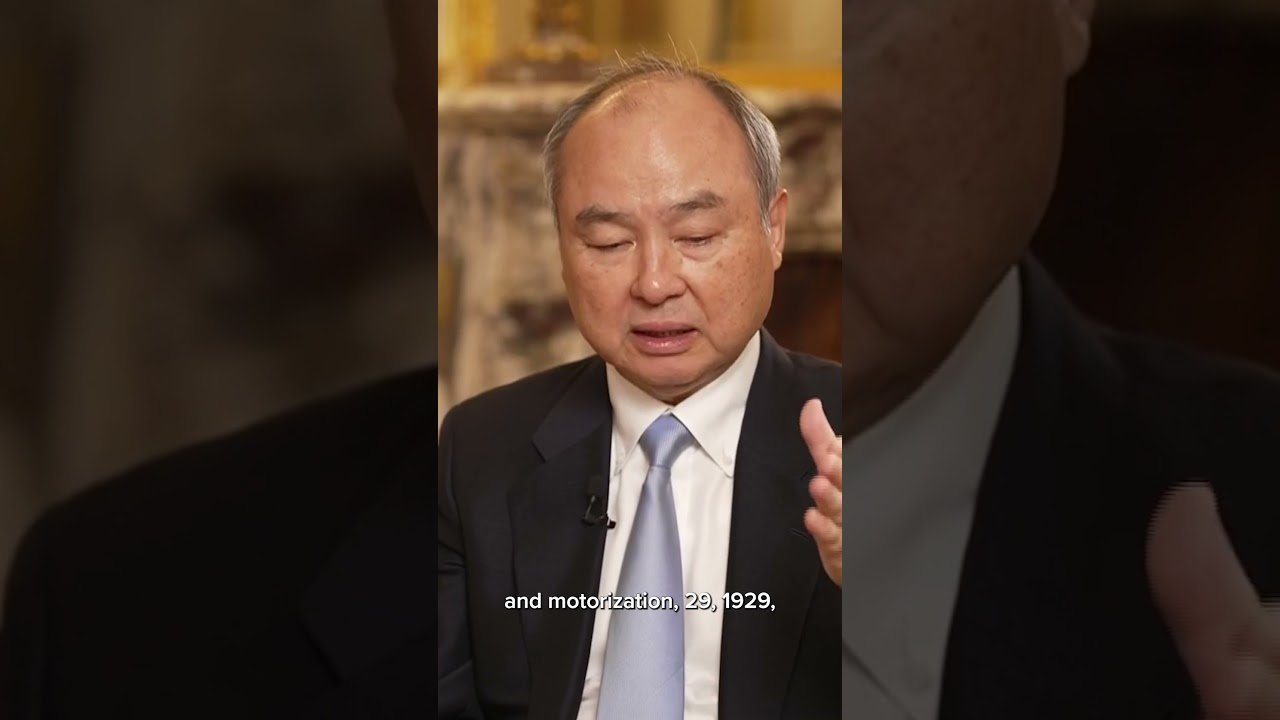
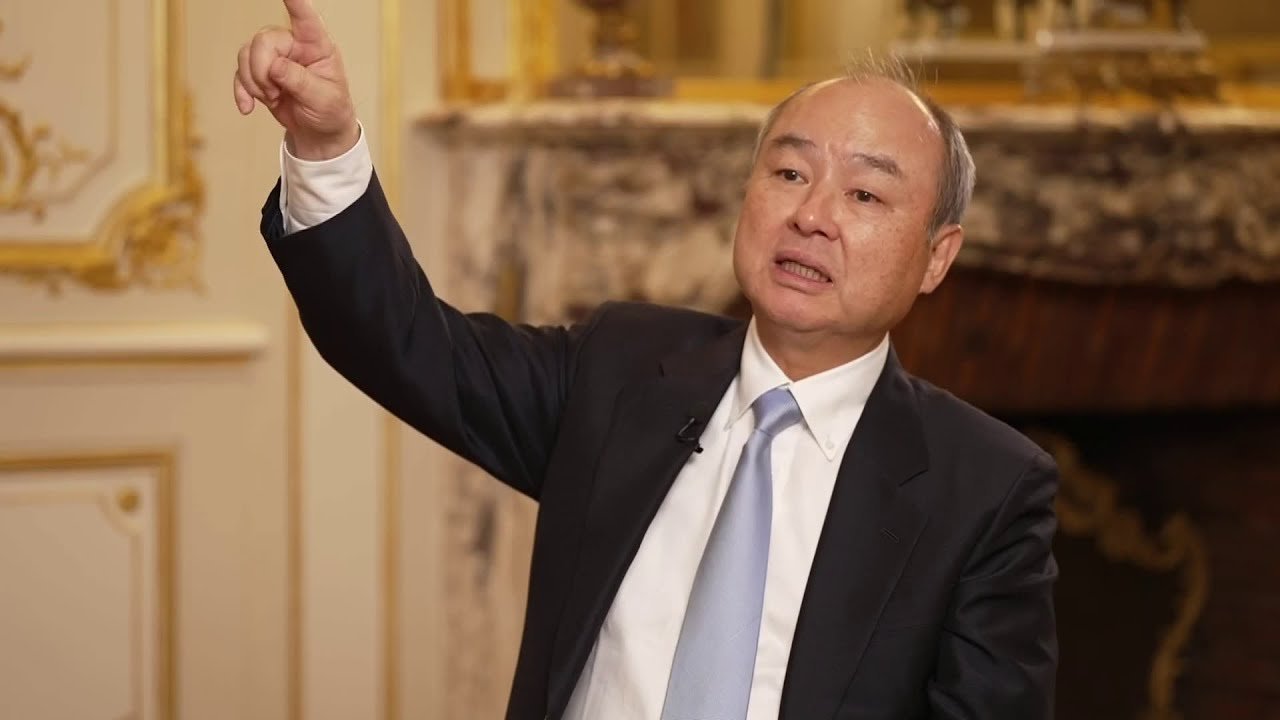
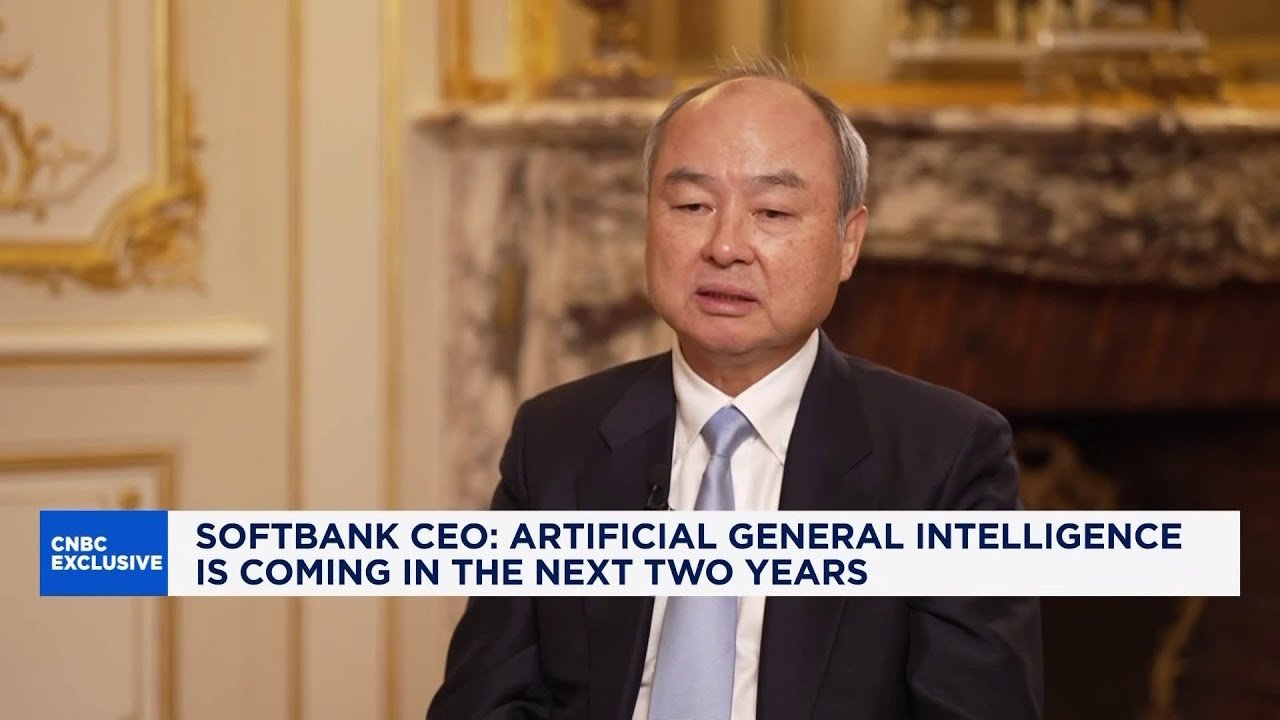
Son, in a recent interview with CNBC, defended SoftBank’s aggressive push into AI, calling the technology revolution “50 times bigger” than the dot-com boom and arguing that any future correction in AI-related stocks would represent a buying opportunity rather than a structural threat.
Toyota faces structural headwinds
Toyota’s relative decline reflects both cyclical and structural pressures facing the automotive sector.
The company’s shares have fallen more than 10% this year, weighed down by softer global demand and rising input costs. Elevated oil prices driven in part by geopolitical tensions have dampened consumer sentiment in key markets, while supply chain adjustments continue to ripple through the industry.
At the same time, legacy automakers are grappling with the costly transition to electric vehicles and software-defined mobility. Toyota, which has historically taken a more cautious approach to full electrification compared to some competitors, faces increasing investor scrutiny over its long-term positioning in an EV-dominated future.
Recent data showing consecutive months of declining global sales have further pressured sentiment, even as the company maintains strong profitability relative to peers.
A symbolic market shift
SoftBank’s return to the top position carries historical resonance. The last time it briefly held the title was in February 2000, at the peak of the dot-com bubble. Its re-emergence at the top of Japan’s market capitalisation rankings signals a different kind of technology cycle—one anchored in AI infrastructure, data, and compute rather than early internet speculation.
More broadly, the shift reflects how capital markets are revaluing industries. Traditional manufacturing giants are increasingly overshadowed by firms embedded in digital and computational ecosystems, where growth expectations and valuations are significantly higher.
For Japan, the moment marks a pivot from its industrial legacy toward a more technology-driven market identity, even as companies like Toyota remain foundational to the country’s economic base.
Whether SoftBank can sustain its lead will depend on the durability of the AI rally, the success of OpenAI’s eventual IPO, and its ability to translate bold investments into consistent earnings growth without triggering a liquidity crunch. For now, however, the market has made a clear statement about where it sees the future, even as critics warn the bet is as leveraged as it is ambitious.