US to shutter five diplomatic posts in rare peacetime downsizing

In this story
Jump to Timeline

Washington is closing consulates in Winnipeg, Nagoya and Medan, plus an embassy in Grenada and a branch office in Cameroon, in a move officials call a cost-cutting “right-sizing” effort—not a response to a crisis.

The State Department has formally notified Congress of plans to close five overseas diplomatic missions, targeting smaller regional outposts rather than main embassies in capital cities.

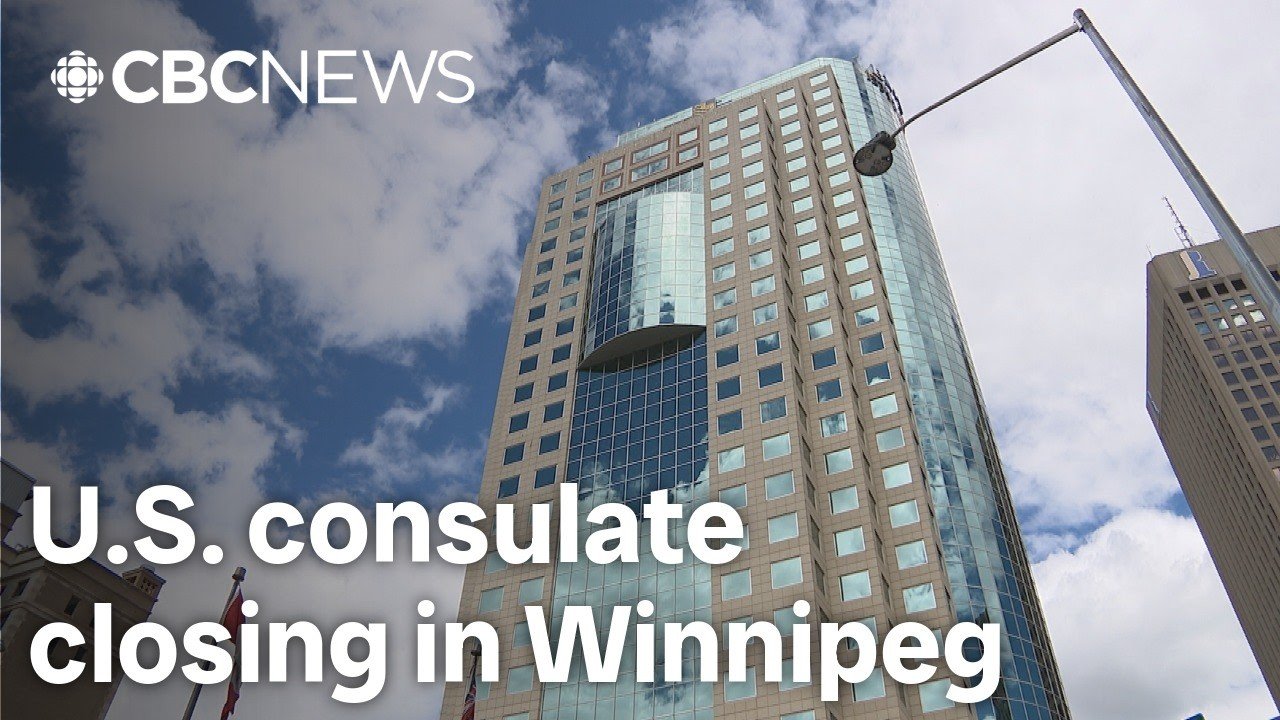
  • Winnipeg, Canada — American Presence Post (consulate)
  • Nagoya, Japan — Consulate
  • Medan, Indonesia — Consulate
  • St. George’s, Grenada — Embassy
  • Douala, Cameroon — Embassy branch office

US embassies in Ottawa, Tokyo, Jakarta, Bridgetown (which covers Grenada), and Yaoundé (Cameroon) remain open and will absorb consular and diplomatic functions, the notices indicate.

The administration’s rationale leans heavily on lean staffing and modest savings. The closures are projected to save about $4.4million per year, per reporting on the congressional notifications.

A State Department spokesperson did not confirm the specific closures publicly but said the department is “focused on ensuring (its) diplomatic footprint is efficient, effective, and delivers results for the American people,” and that it is following required congressional notification procedures.

Why now: policy drivers and context

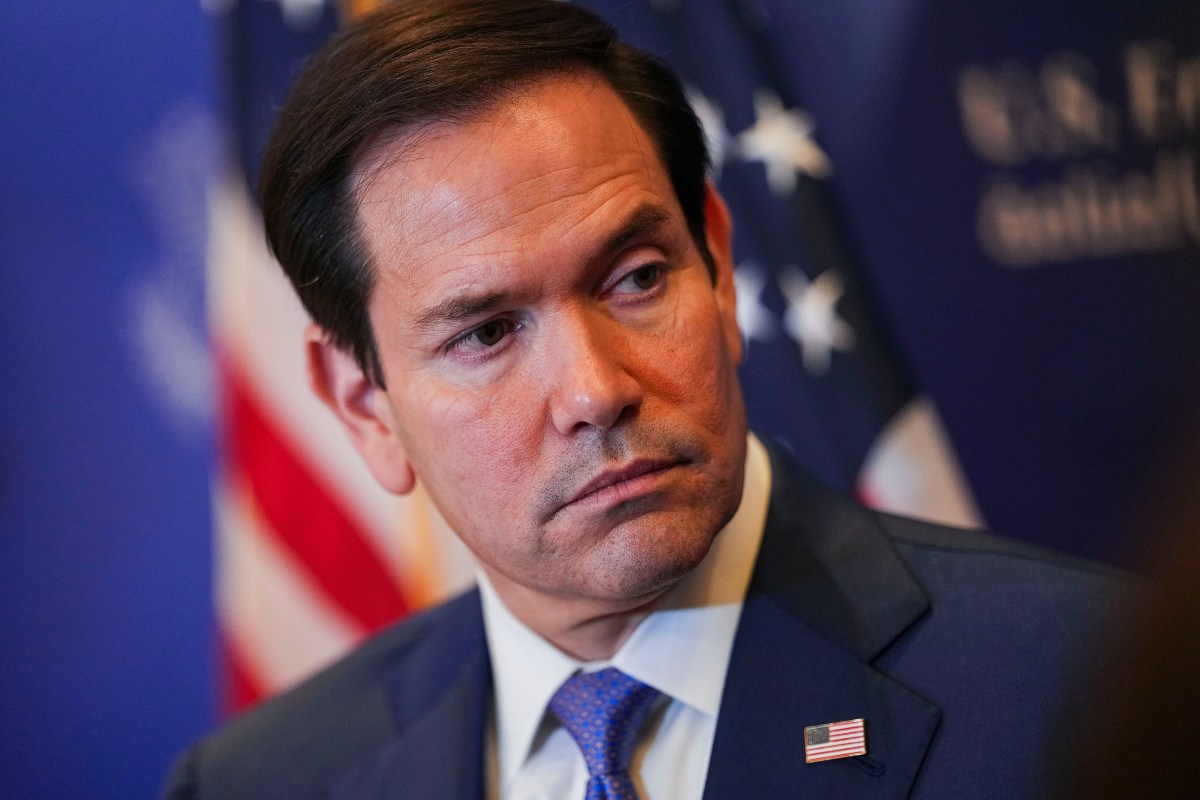
Secretary of State Marco Rubio has led an internal push to restructure and “right-size” the State Department, a priority aligned with the Trump administration’s broader “America First” agenda and supported by the Department of Government Efficiency (DOGE).

The move is unusual because it is not linked to a specific geopolitical event (such as a security threat or rupture in relations), and it follows a 2025-era bureaucratic reorganization that eliminated dozens of offices but left overseas posts untouched.

At the same time, the administration is advancing other diplomatic footprint changes—reopening posts in Libya and Syria and reopening the embassy.

Reactions in the United States

Supporters, including fiscal conservatives and DOGE-aligned officials, frame the closures as a necessary pruning of a bloated federal apparatus and a win for taxpayer efficiency.

Critics — among them Democrats, former foreign policy officials, and national security analysts —warn that even small posts matter for intelligence gathering, trade facilitation, and crisis response, and that the withdrawals create openings for rivals to expand influence.

How affected countries are responding

Canada (Winnipeg)

Local concern centers on reduced in-person consular services and weaker ties to regional business networks. A State Department statement emphasized that US policy priorities in Canada remain steadfast and that responsibilities will shift to the Ottawa embassy.

Indonesia (Medan)

Indonesia’s Foreign Ministry has said it respects Washington’s internal management decisions and does not expect the move to alter bilateral relations; Jakarta notes it has not received formal notification yet.

The timing is delicate: the Medan consulate has operated since 1949, and the news follows recent US tariff threats against Jakarta that have complicated trade talks.

Japan (Nagoya)

Japanese analysts stress the strategic timing: with China maintaining an active diplomatic presence in key regional hubs, a US exit from Nagoya risks ceding influence in a major industrial corridor.

Grenada and Cameroon

Coverage has focused less on public protests and more on operational continuity: Grenada’s embassy will close while the US maintains its embassy in Bridgetown, Barbados, which covers Grenada; in Cameroon, the Douala branch office will close while the Yaoundé embassy remains the main post.
youtube placeholder image

Canada escalates trade war with dollar‑for‑dollar tariffs on US$19.9billion of American goods

Ottawa’s counter‑tariffs are designed to impose equivalent financial pain on US exporters while shielding Canadian consumers where possible.
Read more

Trump renames Lake Ontario “Lake America” in escalating US–Canada trade dispute

The renaming of Lake Ontario is the culmination of a rapidly intensifying trade war between the United States and Canada.
Read more

US-Canada trade war escalates after talks collapse over sovereignty clauses

US-Canada trade talks collapse over sovereignty clauses as Trump imposes 50% tariffs. Carney vows dollar-for-dollar retaliation. Trump claims Canada wants "state benefits without being one."
Read more

Trump pauses 50% Canada tariffs after last-minute trade deal

The last-minute delay was announced less than two hours before the crushing duties on more than $20billion worth of Canadian imports were set to take effect.
Read more

Trump hits Canada with 50% tariffs, setting stage for high-stakes trade talks

The outcome of these negotiations will set a precedent for how the Trump administration wields its tariff powers in the years ahead.
Read more

Canada wildfires spiral into continental crisis as climate extremes and political tensions collide

The blazes have already scorched more than 3million hectares, triggering mass evacuations and rising geopolitical tensions with the US.
Read more

Is the US-Japan’s $40billion nuclear agreement a big deal?

This deal is part of a broader US$550 billion investment pledge from Tokyo focused on energy security and technological leadership.
Read more

The US offers $45million to support Cambodia-Thai ceasefire

In Jan 2026, the US announced a $45M aid package for Thailand and Cambodia to solidify a ceasefire following deadly border clashes.
Read more

2025 ASEAN Summit: US signs trade pacts with four states

These deals were designed to address trade imbalances, reduce tariffs on American exports, and secure supply chains for critical minerals. 
Read more

Japan commits $550billion to US industries in major trade deal

In 2025, the US and Japan reached a major bilateral trade agreement following a period of economic tension from broad US tariff actions.
Read more
Timeline

2025: The Trump administration begins evaluating methods to aggressively scale back federal spending and streamline foreign policy operations.

The White House Office of Management and Budget (OMB), alongside the Department of Government Efficiency (DOGE), pushes an expansive plan. They initially propose shutting down up to 30 overseas posts to trim the State Department’s budget.

Internal State Department discussions narrow the immediate closure targets down to a list of roughly a dozen non-capital foreign missions to minimize strategic fallout.

Late Jul/Early Aug 2026: The State Department officially transmits a private notice to key congressional committees outlining concrete plans to close five foreign missions.

Documents sent to lawmakers reveal the closures are calculated to save the federal government roughly $4.4 million annually.

Aug 3, 2026: News leaks to major international media outlets. Reports publicly identify the five targeted hubs in Canada, Japan, Indonesia, Grenada, and Cameroon.

Aug 4, 2026: The State Department releases an official statement. While avoiding explicit naming of the locations, they confirm an overriding focus on making America’s global footprint “efficient and effective” while complying with mandatory congressional procedures.

Aug 5, 2026: International pushback intensifies. Foreign policy experts and regional analysts express public concern over the strategic vacancy left for China to exploit.

Meanwhile, local business sectors in cities like Winnipeg and Nagoya begin assessing how the loss of direct physical ties will impact local trade.Phase 4: Implementation (Upcoming)Congressional Notice Period: The closures remain subject to a standard waiting period while Congress reviews the State Department’s notification.Winding Down Operations: Following final approvals, the targeted consulates will begin drawing down personnel, transitioning regional casework, and transferring duties to nearby capital embassies

You may also be interested in

LEAVE A REPLY

Please enter your comment!
Please enter your name here