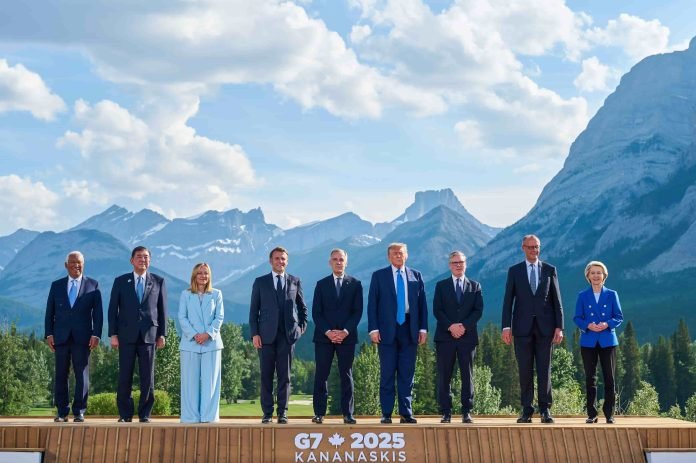
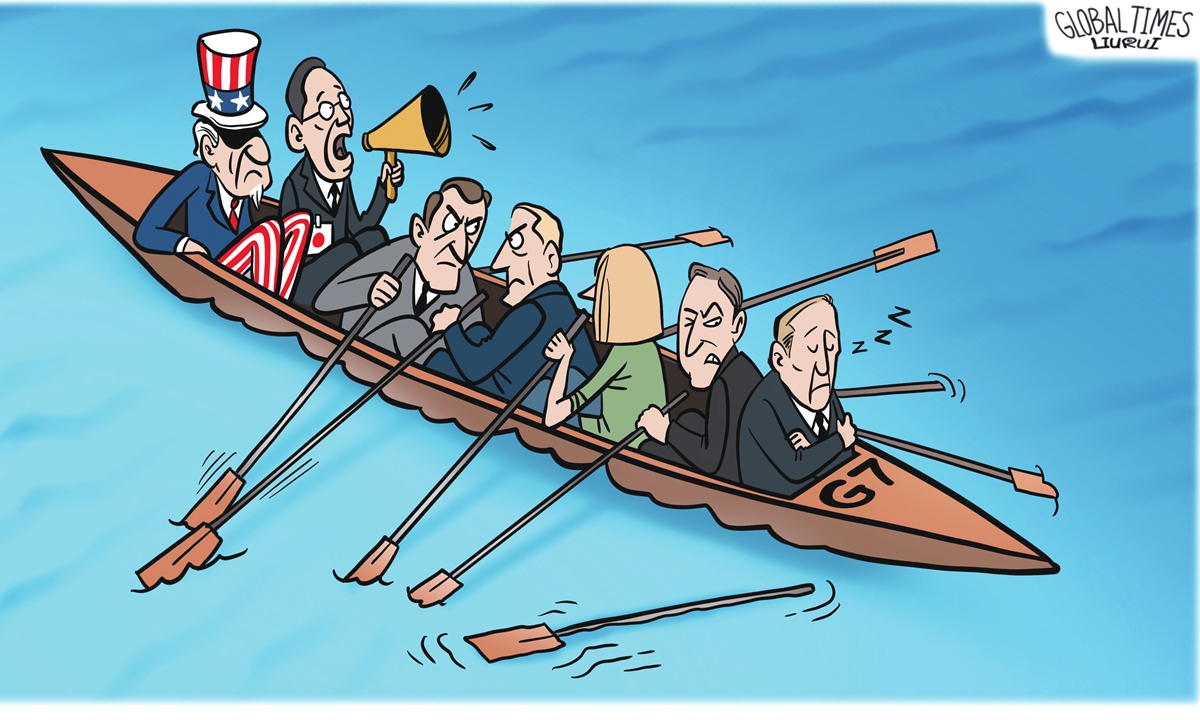
The G7 Summit concluded in France with major breakthroughs on international security, centered around a newly signed US-Iran preliminary ceasefire and unanimous Western support for Ukraine. Hosted by French President Emmanuel Macron, the summit of leading industrial democracies focused heavily on resolving volatile geopolitical conflicts, managing global economic supply chains, and regulating artificial intelligence.
The gathering marked a sharp shift from the fractured dynamics of the previous year, with leaders praising the Iran deal and signing a joint statement on Ukraine that included President Donald Trump. The summit also produced coordinated positions on China’s export surge and a new working relationship between G7 leaders and top AI CEOs.
Key takeaways and major decisions
G7 leaders widely welcomed a tentative interim accord between the United States and Iran. The deal outlines the immediate reopening of the blockaded Strait of Hormuz to restore vital global oil and gas shipments. European allies pledged to deploy a joint maritime mission to help demine the waterway.
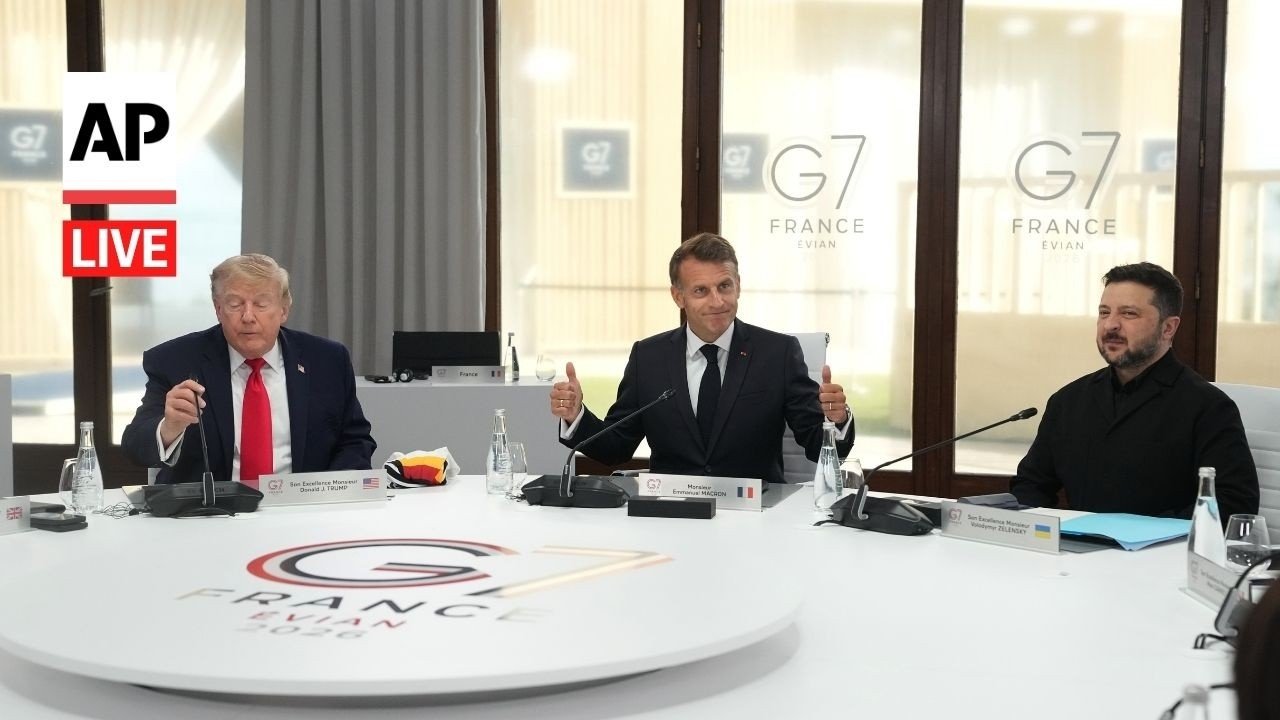
In contrast to past divisions, all G7 leaders — including President Trump — signed a joint statement pledging unwavering support for Ukraine’s territorial integrity. Following a positive sideline meeting with Ukrainian President Volodymyr Zelenskyy, the U.S. and allies agreed to bolster Ukraine’s air defense capabilities and increase energy sector sanctions on Russia.
The statement signaled a rare moment of full alignment among the G7 on Ukraine, with Trump publicly endorsing the collective position rather than pushing a more unilateral approach.
Countering China’s economic oversupply
The leaders issued a coordinated statement vowing to deter “economic coercion”. They held extensive talks on how China is flooding export markets with highly subsidized goods, threatening Western jobs.
This topic reflected growing concern in the West over China’s dominance in key sectors such as rare metals, batteries, and manufactured goods, with G7 leaders calling for stronger coordination on trade and supply chain resilience. This push reflects growing concern in the West that China’s control over rare minerals could be used as a strategic tool, and that the G7 needs to act together to secure its own supply chains.
On critical minerals, the G7 issued a coordinated stance to push back against China’s dominance in rare-metal supply chains. France led the call for a unified framework to reduce reliance on Beijing for minerals such as lithium, cobalt, and rare-earth elements, which are essential for batteries, electronics, and defense systems.
The group agreed to explore joint investments in alternative mining and processing projects, strengthen trade measures against “economic coercion,” and coordinate on export controls and supply-chain security. The aim is to build a more resilient, G7-led supply chain that can compete with China’s subsidized exports and market dominance.
The G7 agreed that no single country should supply more than 60% of their imports of rare earths and permanent magnets by 2030, with an ambition to further reduce that exposure to 50% as soon as possible. The target applies specifically to rare earths and permanent magnets, and the joint statement said the group will aim to significantly reduce dependencies on any single supplier outside the G7 and partner countries.
The leaders also discussed plans to introduce quotas in some industrial sectors, particularly for defense manufacturers, and pledged to set up a platform to combine efforts to increase supply from recycling and new mining projects. The platform will rely on the International Energy Agency (IEA) and the OECD for data on market developments, supply-chain vulnerabilities, stockpiles, emergency exercises, and to monitor financing and transparency commitments.
“G2” framework
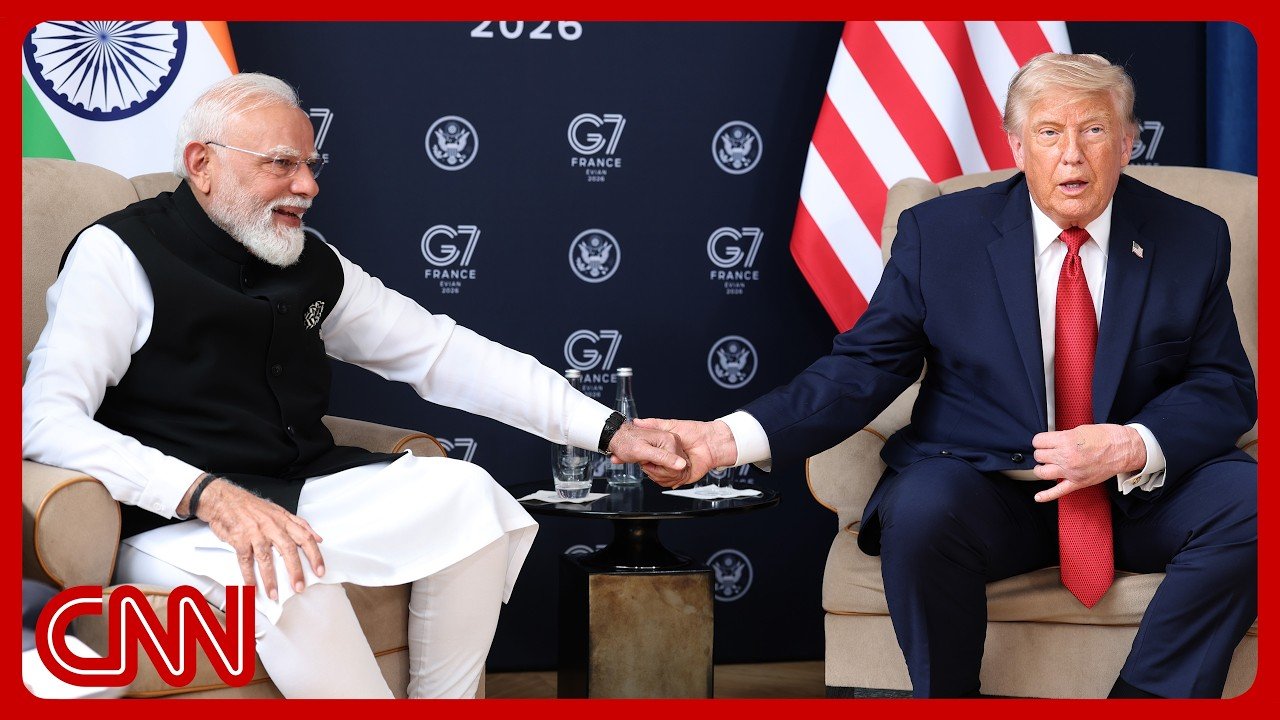
During the summit, President Donald Trump floated a “G2” framework between the United States and China, arguing that the world’s two largest economies should take the lead on global stability and economic issues. The proposal was met with skepticism by European leaders, who emphasized that the G7’s collective approach is essential and that unilateral US-China deals could undermine multilateral coordination.
Trump’s “G2” idea aligns with his broader preference for direct, high-stakes diplomacy, but it also raised concerns among allies that the U.S. might bypass the G7 in favor of bilateral deals with Beijing.
Artificial intelligence and tech sovereignty
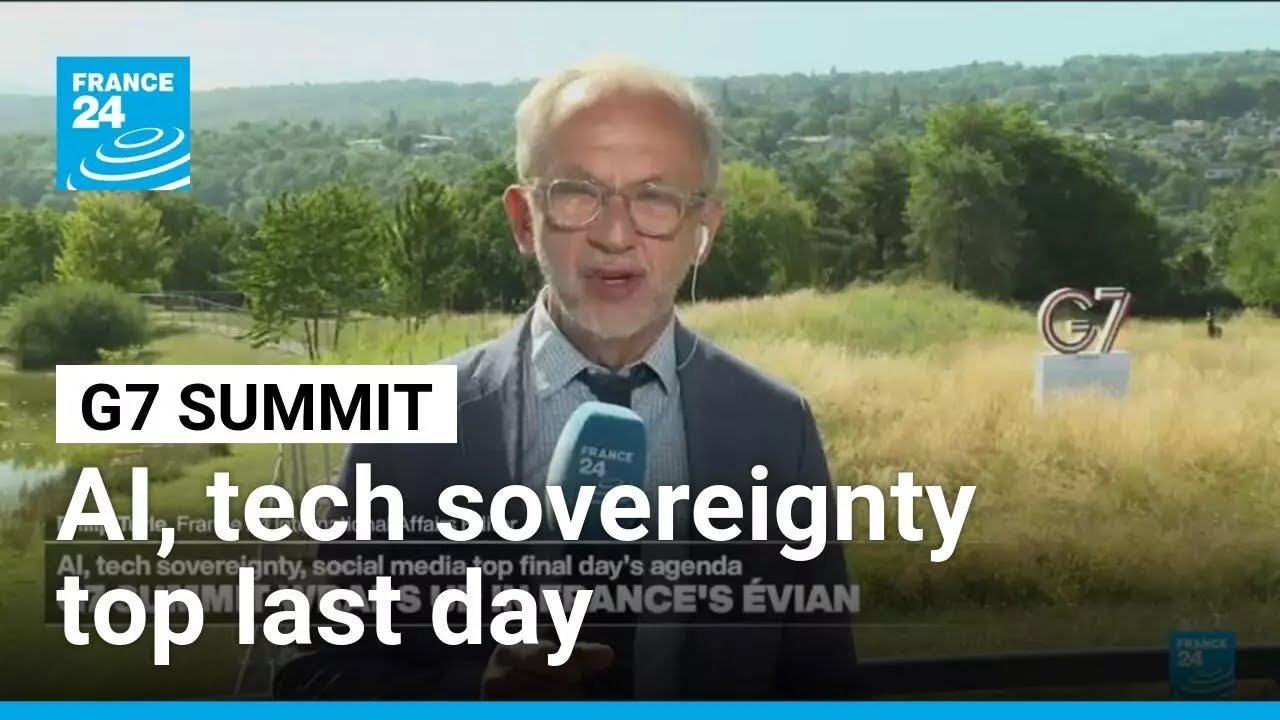
G7 leaders held a dedicated working lunch with the CEOs of OpenAI, Anthropic, and Google DeepMind. Discussions focused on the safe deployment of AI, protecting children using AI chatbots, and preserving European technological sovereignty against American market dominance.
The session underscored the G7’s attempt to shape global AI governance while balancing innovation with safety and sovereignty, particularly for Europe, which is wary of US tech dominance.
At the G7, European leaders made a clear diplomatic priority: reducing Europe’s dependence on US AI and cloud providers and building a sovereign European digital ecosystem. France and Germany were the main drivers, announcing a joint definition of digital sovereignty and a set of concrete proposals to cut tech dependencies.
Franco-German joint definition and taskforce
France and Germany agreed on a joint definition of digital sovereignty based on six areas: legal enforcement options, protecting sensitive data, infrastructure resilience, cloud sovereignty, digital commons, and open-source tools for public administration.
They launched a joint Digital Sovereignty Taskforce to:
- Develop a common definition of a European digital service
- Create sovereignty indicators for key sectors like cloud services, AI, and cybersecurity
- Propose concrete measures using EU policy tools such as sectoral regulation, state aid, and the European Competitiveness Fund.
The taskforce will present its results at the Franco-German Council of Ministers in 2026.
China’s reaction to G7: “An anti-China workshop”
China did not attend the G7 summit in Évian-les-Bains, but it made its opposition to the group’s China-focused statements clear. Beijing has long criticized the G7 as an illegitimate “club of rich countries” that is unrepresentative of the global order, and it used both diplomatic channels and state media to protest the summit’s stance on Taiwan, economic coercion, and critical minerals.
A Chinese state-backed publication, the Global Times, called the G7 summit an “anti-China workshop.” That editorial language came after Beijing summoned Japan’s ambassador to China and lodged a pointed protest with the summit host, France, over the G7’s joint communique that singled out China on multiple issues.
Global health and transnational crime
The alliance committed over $1billion in funding to combat a looming Ebola crisis. They also unanimously agreed to enhance port cooperation against international drug trafficking cartels and dismantle human smuggling networks.
These commitments extended the G7’s focus beyond traditional security and economics into health and transnational crime, areas that have become more prominent in recent years.
Dynamic summit highlights
The summit was marked by high-stakes diplomacy mixed with notable leadership dynamics.
Trump: “I’m the boss”
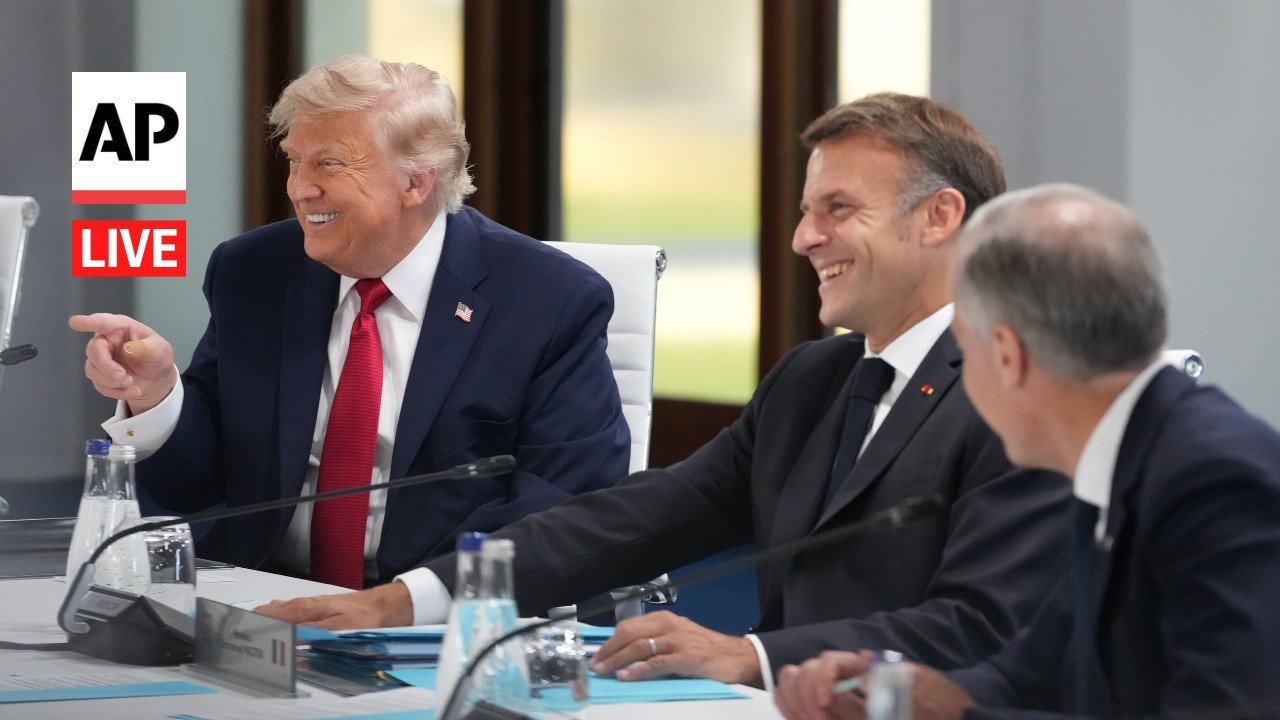
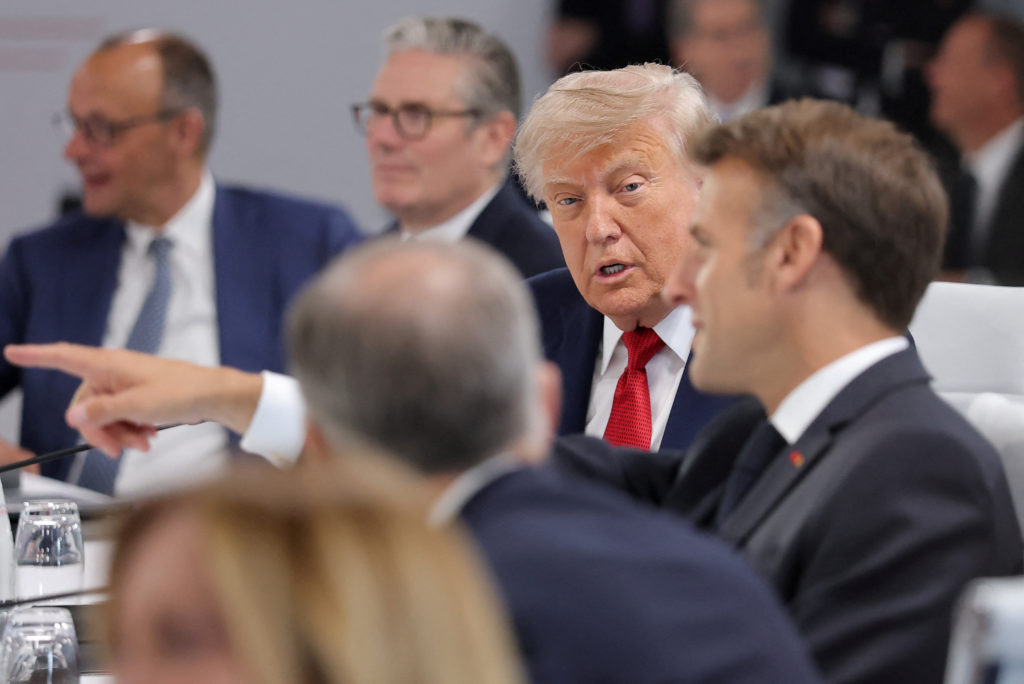
President Trump arrived late to a Wednesday morning session, jokingly declaring “I’m the boss” as he sat down, which drew friendly laughter from fellow leaders and signaled a more cooperative tone than the previous year’s fractured meeting.
The moment was widely interpreted as a sign that Trump was more willing to engage collegially with allies after the Iran deal had been signed and praise had begun to emerge from European capitals.
Gift diplomacy
German Chancellor Friedrich Merz presented Trump with a personalized German national soccer jersey bearing the number 47 (a nod to his presidency) as a belated 80th birthday gift, while President Macron gifted leaders personalized bicycles.
The gestures were part of a broader effort to soften the summit’s atmosphere and build personal rapport among leaders, especially between Washington and Europe.
Versailles banquet
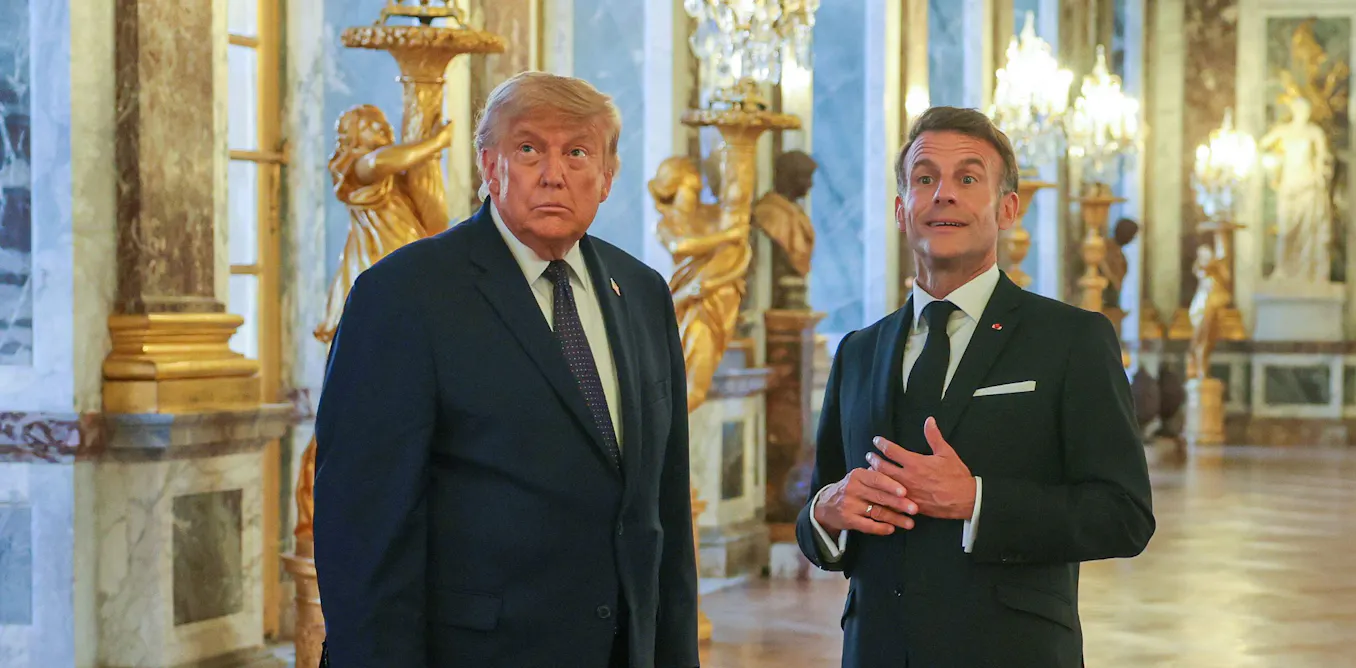
To preserve and repair the transatlantic relationship amid ongoing trade frictions, President Macron hosted President Trump for a glitzy dinner at the Palace of Versailles outside Paris following the conclusion of the formal talks.
The banquet was framed as a diplomatic reset, aimed at reinforcing the US-Europe alliance even as trade and technology tensions persist.
What comes next
The G7’s decisions now set the stage for implementation. The US-Iran ceasefire will move into a 60-day negotiation window, with the Strait of Hormuz reopening as the first practical test. The Ukraine statement commits the G7 to sustained support, but the details of air defense transfers and sanctions enforcement remain to be negotiated.
On China, the G7 is expected to pursue further coordination on critical minerals and trade policy, while the AI working group will likely continue consultations with tech companies as global rules evolve.
For now, the summit is widely seen as a diplomatic turning point, with the Iran deal and Ukraine unity offering a rare moment of alignment among leading democracies after years of tension.