Blue Origin has carried prominent women on two notable missions: its first human flight in July 2021, which included aviator Wally Funk, and its first all-female flight in April 2025, which featured a celebrity-heavy crew. The April launch drew attention both for its symbolism and for the backlash it sparked.
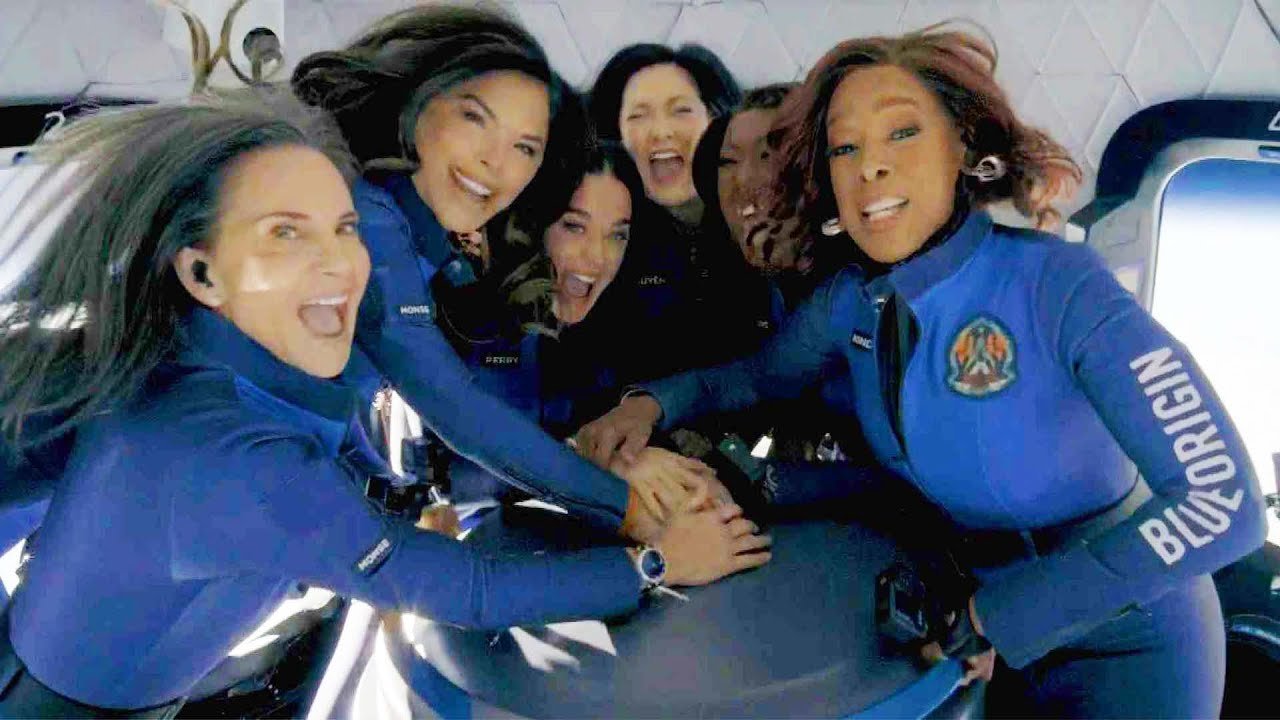
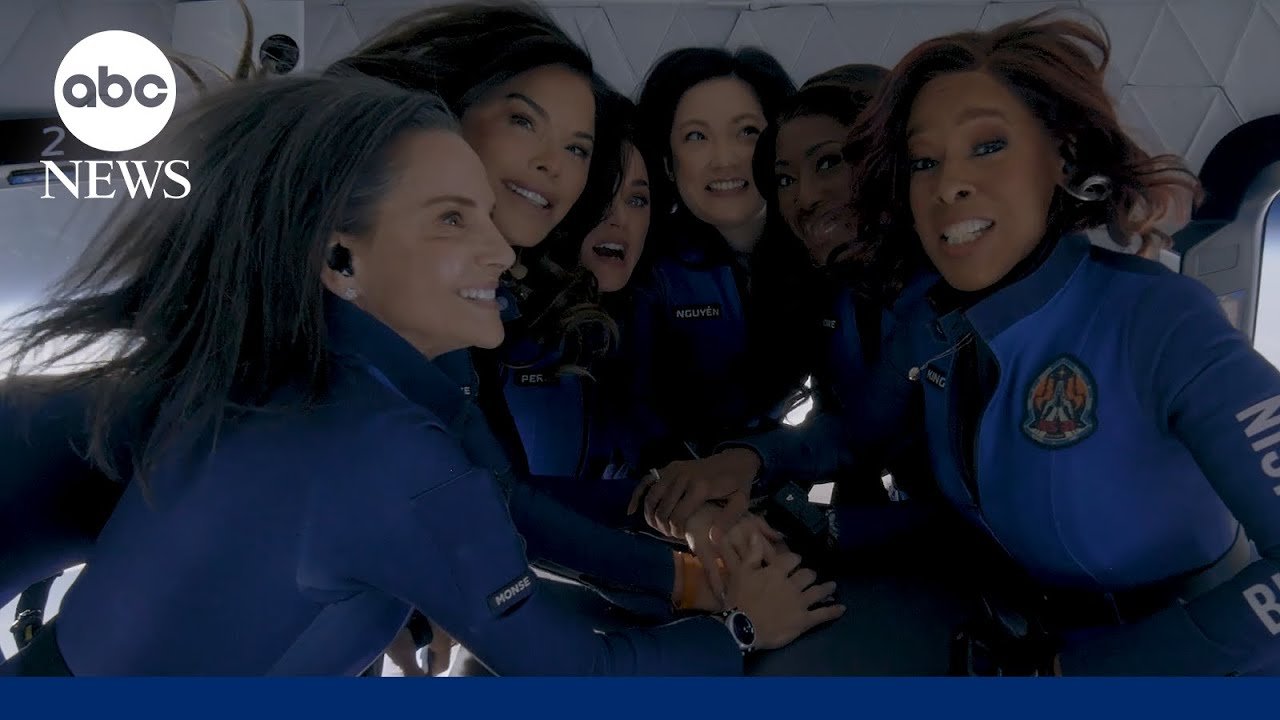
On April 14, Blue Origin launched an all-female crew into space aboard its New Shepard rocket from West Texas. The passengers were Lauren Sánchez, Katy Perry, Gayle King, Aisha Bowe, Amanda Nguyen and Kerianne Flynn.
The 10-minute, 21-second suborbital flight reached roughly 65 miles above Earth, crossing the boundary often treated as the edge of space before returning safely. Blue Origin described it as a historic milestone, since it was the company’s first human mission made up entirely of women and the first all-female spaceflight since Valentina Tereshkova’s solo Soviet mission in 1963.
Why it stood out
The flight was part of the expanding space-tourism industry, where private missions increasingly carry wealthy guests, public figures and well-known personalities. That made the launch unusual even by the standards of commercial space travel.
But the mission also drew criticism online and in the press, with some calling it “performative feminism.” Supporters pushed back, saying the flight inspired young women and girls and represented visibility in a field still dominated by men.
Earlier Blue Origin flights
Blue Origin’s first human flight took place in July 2021 and included Wally Funk, the pioneering aviator who became the oldest person in space at the time. Later missions carried other high-profile passengers including William Shatner, Michael Strahan, Laura Shepard Churchley and other guests drawn from business, science and media.
By now, roughly 58 people have flown on Blue Origin missions, although the company has not disclosed ticket prices.
Anybody that’s criticizing it doesn’t really understand what is happening here…We can all speak to the response we’re getting from young women from young girls about what this represents.
Gayle King in response to the criticism