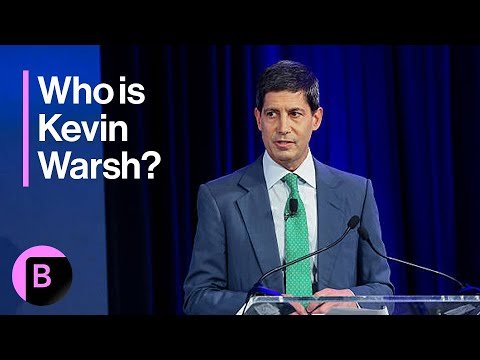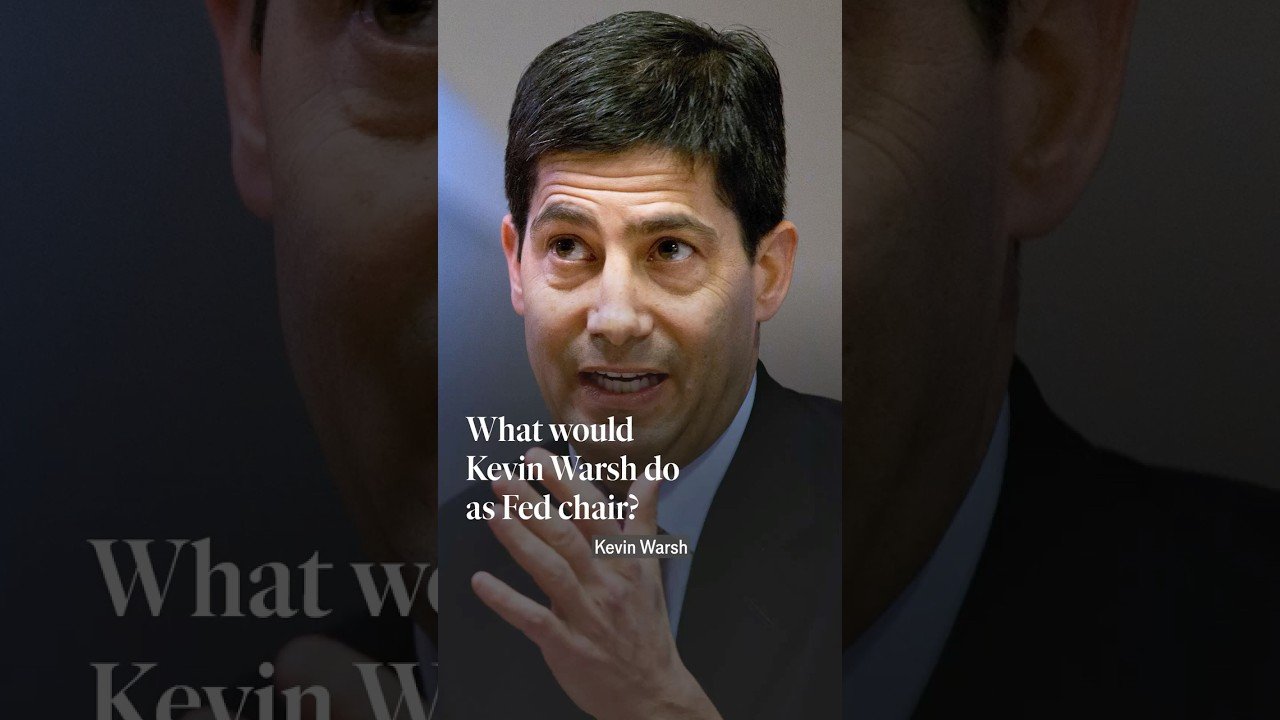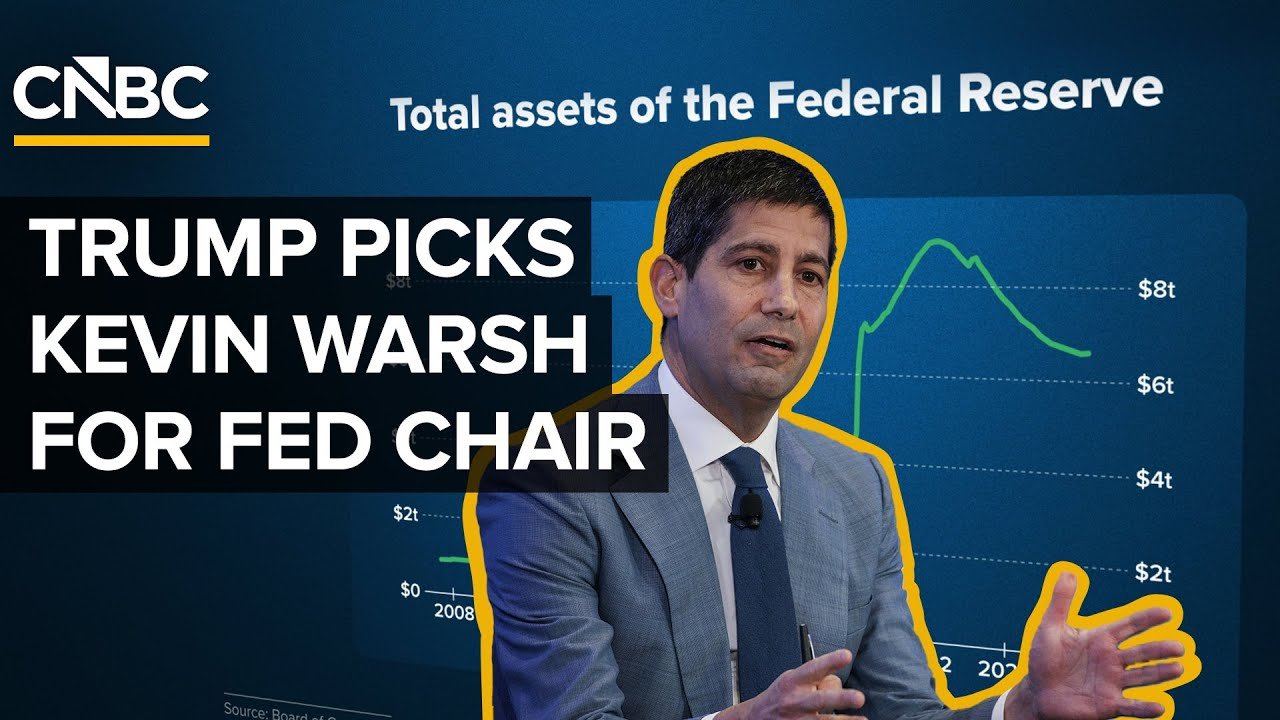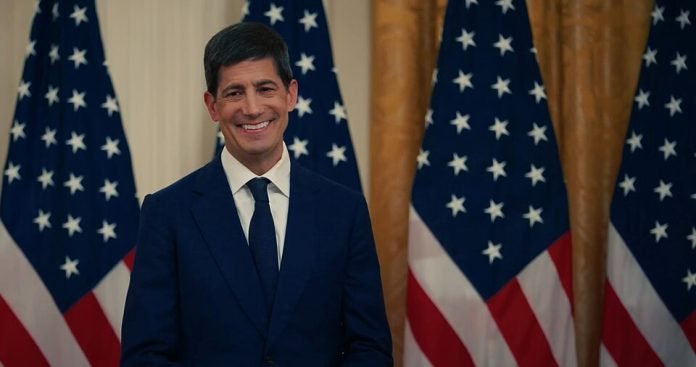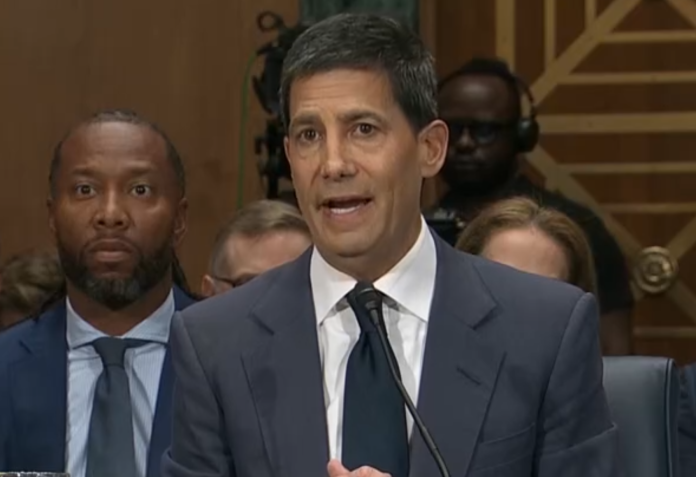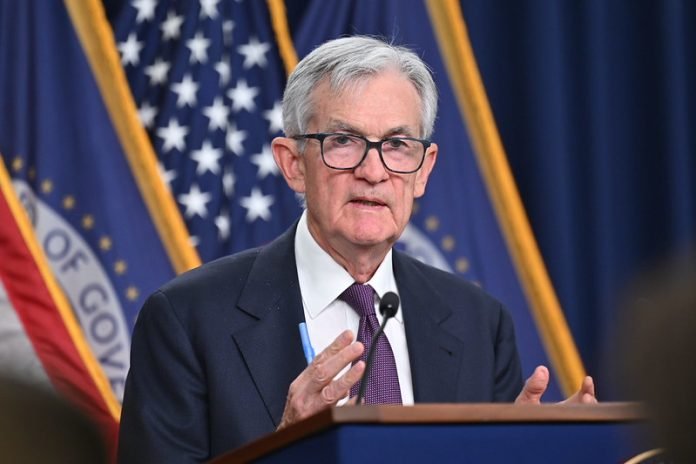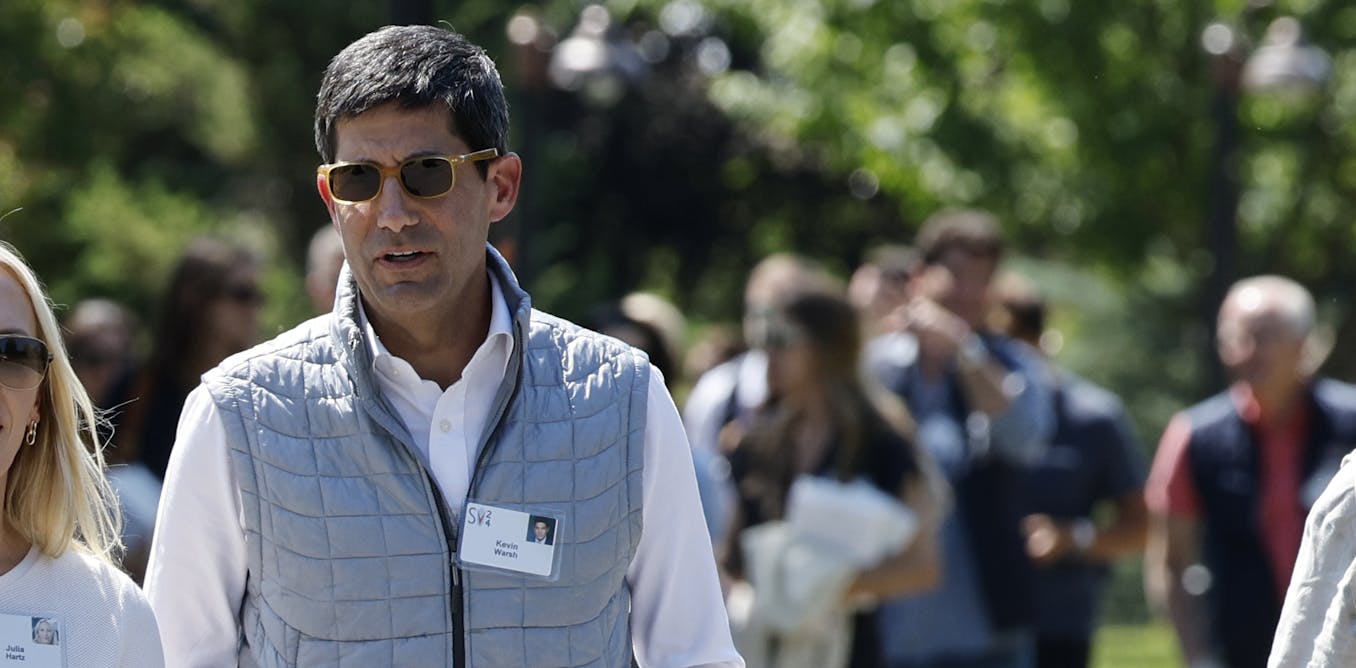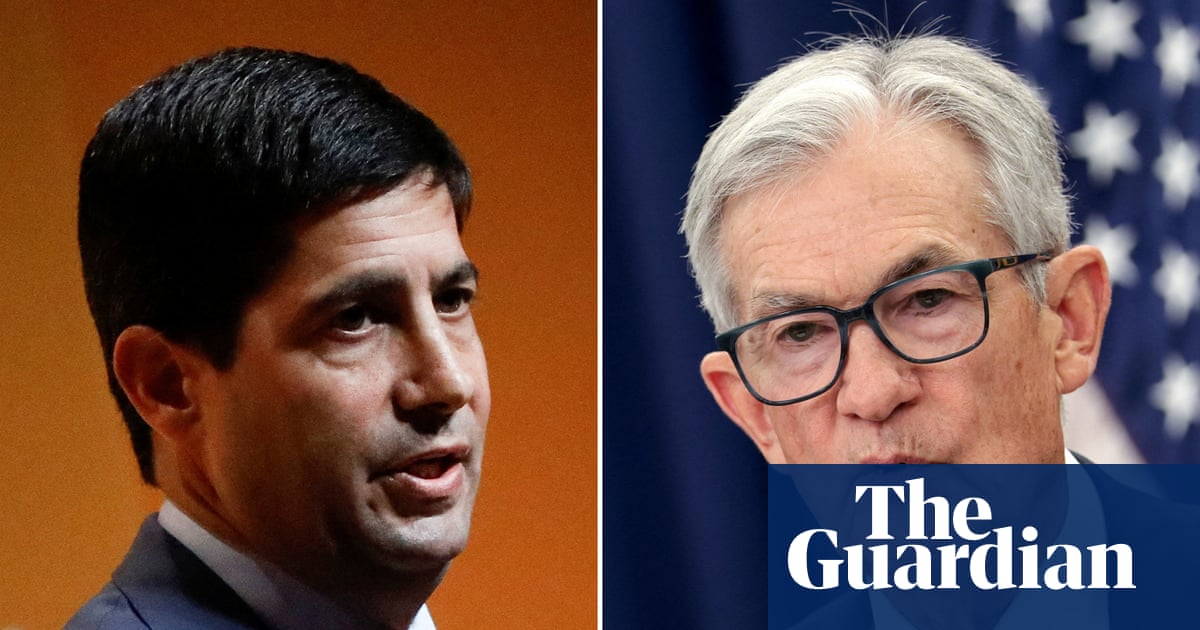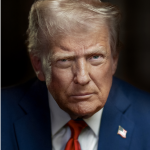
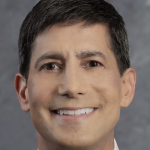
President Donald Trump on January 30, 2026, formally nominated Kevin Warsh to succeed Jerome Powell as chair of the Federal Reserve, setting up a confirmation fight over the future direction of US monetary policy. If confirmed, Warsh would take over at a moment when markets, lawmakers and economists are split over how aggressively the Fed should cut rates and how much independence the central bank should retain.
The nomination
Warsh is a former Fed governor who served from 2006 to 2011 and, at 35, became the youngest person ever appointed to the board. He is now a fellow at Stanford University’s Hoover Institution and has long been viewed as one of the most prominent names in Republican economic circles.
Trump praised Warsh as “central casting” and said he expected him to be “one of the GREAT Fed Chairmen, maybe the best.” The nomination was widely interpreted as a signal that Trump wanted a more accommodating Fed leader, especially one open to lower interest rates and a more aggressive rethink of the central bank’s playbook.
Policy stance
Warsh has historically been known as an inflation hawk who favored tighter policy and higher interest rates, but his recent comments have shifted closer to Trump’s preference for easier money. He has argued that productivity gains from artificial intelligence could make it possible to cut rates more deeply without reigniting inflation.
He has also called for what he describes as “regime change” at the Fed, including a smaller balance sheet, updated inflation models and closer coordination with the Treasury Department. His allies say that reflects a desire to modernize the central bank; critics see it as a move toward politicizing monetary policy.
Treasury Secretary Scott Bessent emerged as a key supporter of the pick. The two men share a mentor in billionaire investor Stanley Druckenmiller, and their alignment has been read as part of a broader push for tighter fiscal-monetary coordination.
Senate fight
The nomination immediately ran into resistance on Capitol Hill. Senate Banking Committee Chair Tim Scott praised Warsh, but Republican Sen. Thom Tillis said he would block the nomination until a Justice Department investigation into Powell over Fed building renovations is resolved.
Democrats were even more skeptical. Sen. Elizabeth Warren said Warsh appeared to have been chosen because he passed a “loyalty test,” and all 11 Democrats on the Senate Banking Committee asked for a delay in the proceedings. They argued that the nomination was part of a wider effort to pressure the Fed, pointing to investigations involving Powell and Fed Governor Lisa Cook.
Market reaction
Markets quickly adjusted to the nomination. Investors had been betting on a more dovish pick who would push for faster rate cuts, but Warsh’s reputation as a more credible institutionalist triggered a sharp reversal in that trade.
The US dollar strengthened, while gold and silver recorded steep sell-offs. Analysts said the reaction reflected expectations that Warsh would be less likely to deliver the kind of easy-money policy some traders had priced in.
Some analysts at Invesco also suggested that Warsh’s private-sector background at Morgan Stanley could support further banking deregulation, which could in turn help credit expansion.
Coupang ties
Warsh’s nomination also drew attention because of his ties to Coupang, the online retail and technology company that became entangled in a US-South Korea trade dispute. American investors had criticized South Korean regulatory investigations into a mass data leak at Coupang, calling them discriminatory against a US company.
Warsh has served on Coupang’s board since October 2019 and held shares worth roughly $10million. Days before his nomination, Trump raised tariffs on South Korean imports to 25%, citing Seoul’s failure to meet trade commitments, a move that was widely linked to the Coupang dispute.
Coupang was also accused of running an aggressive influence campaign in Washington. Warsh was viewed as a high-profile link in a broader MAGA-aligned network that included Vice President JD Vance, who had recently met with South Korean officials about the issue. On February 3, 2026, Warsh said he would resign from Coupang’s board and divest his holdings if confirmed, since Fed rules prohibit governors from holding individual stocks.
Confirmation path
Warsh’s route to the chairmanship is technically a two-step process. He must first be confirmed to the Board of Governors seat vacated by Stephen Miran and then later confirmed separately as chair in May 2026.
If the process moves forward on schedule, Warsh could lead his first policy meeting in June 2026, shortly after Powell’s term expires in mid-May. That timeline puts him at the center of a high-stakes transition at the Fed, with major implications for interest rates, inflation strategy and the central bank’s independence.