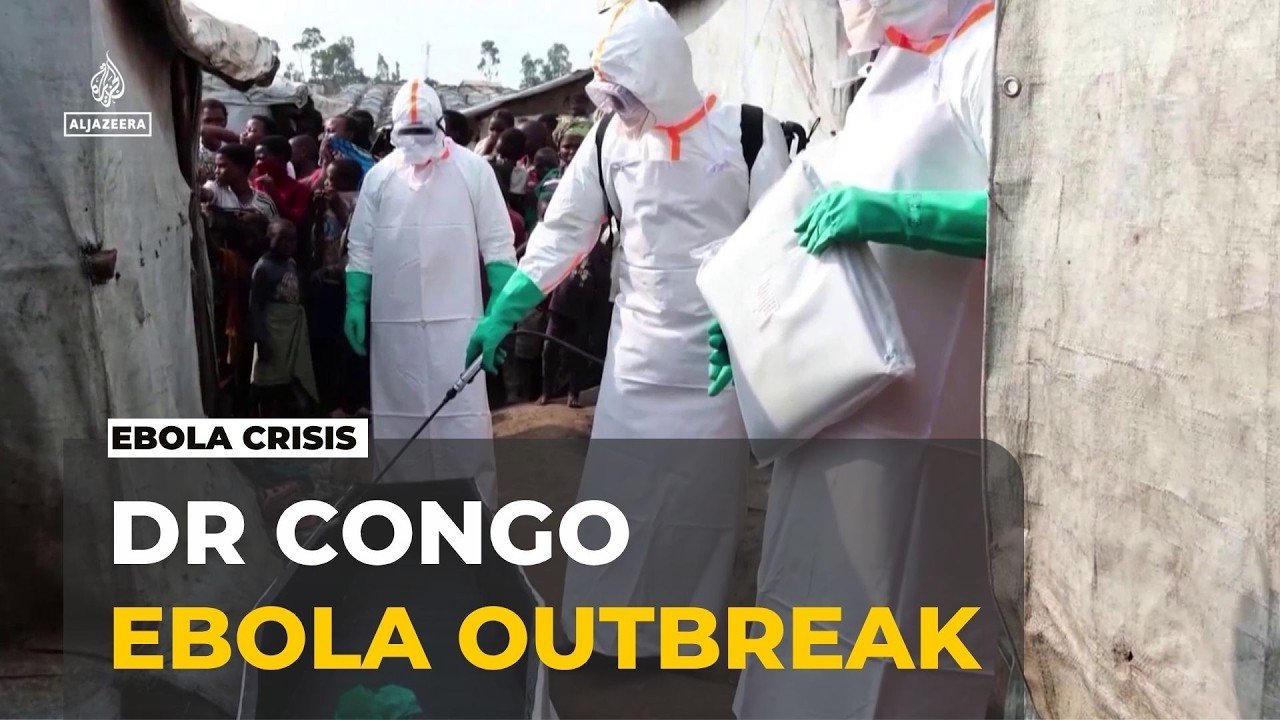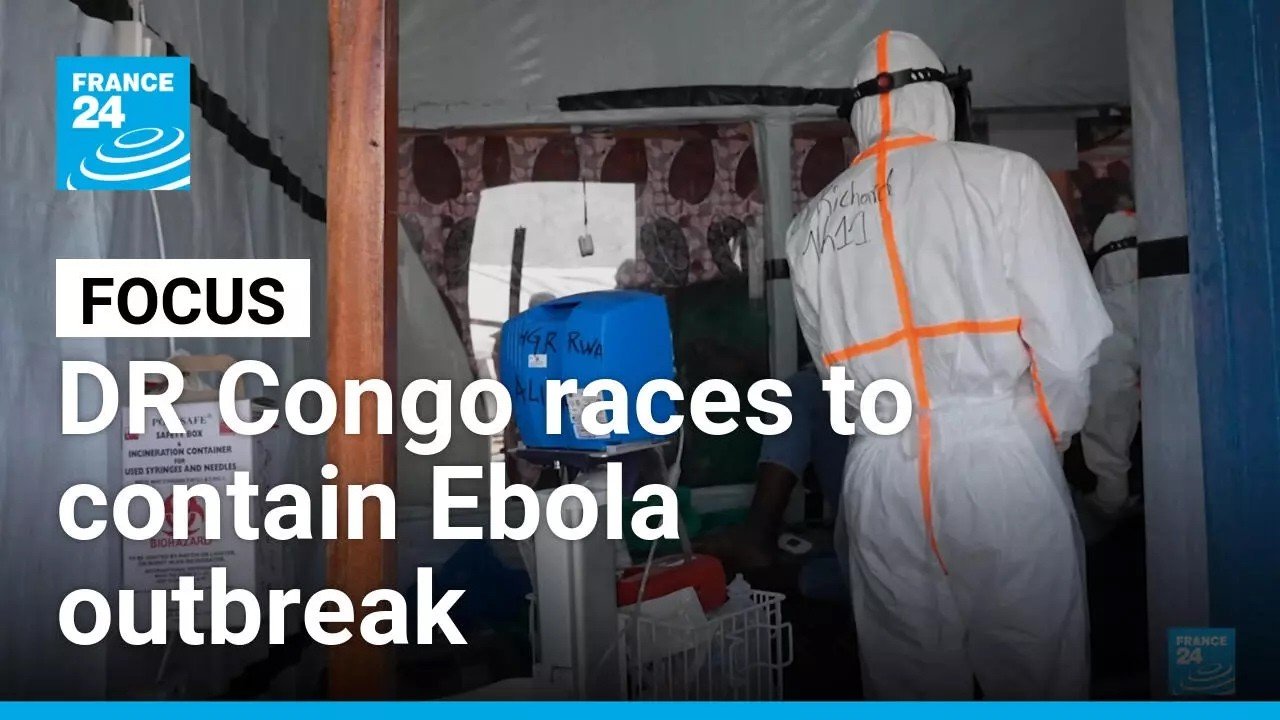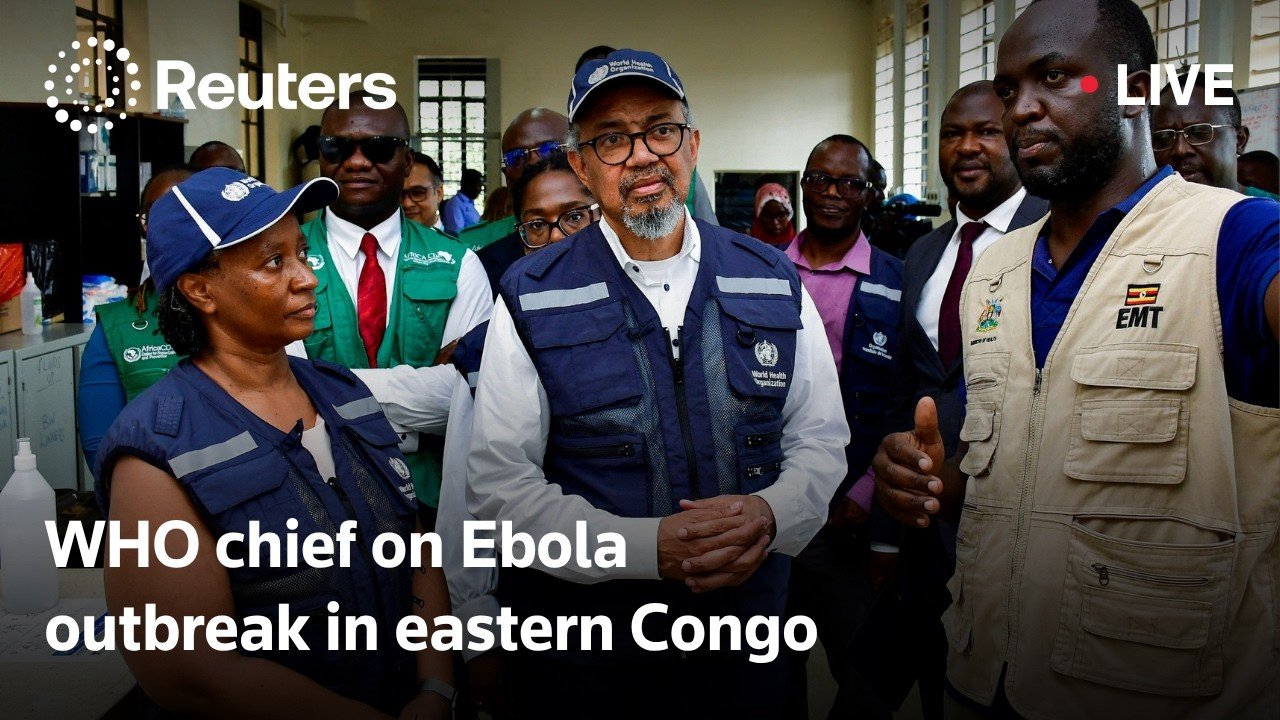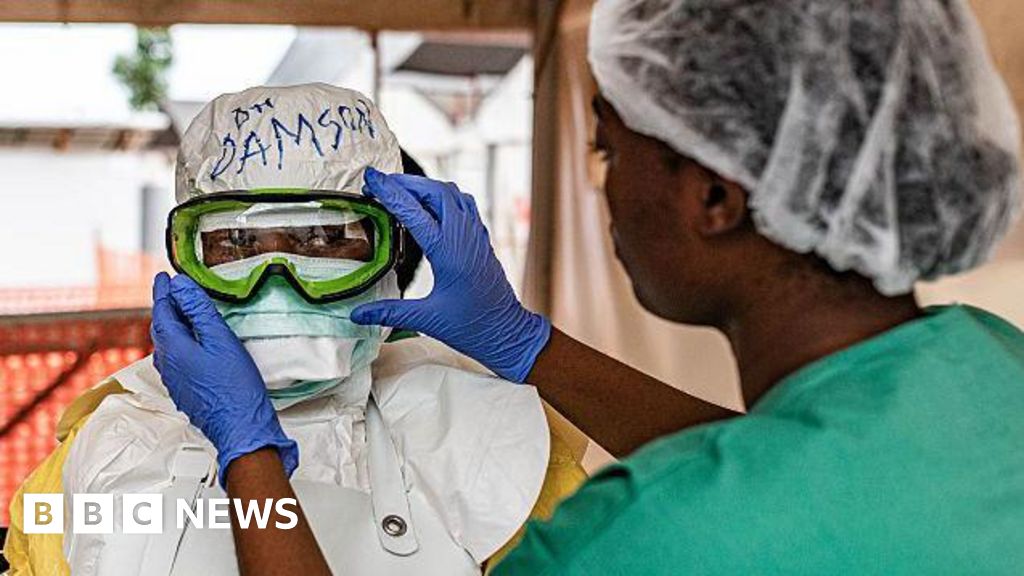



A fast-moving Ebola outbreak driven by the rare Bundibugyo strain is spreading across Central Africa, raising global alarm as health systems struggle to contain what officials describe as an unusually rapid epidemic.
First declared on May 15, 2026, by the Democratic Republic of the Congo (DRC) and Uganda, the outbreak was classified as a Public Health Emergency of International Concern (PHEIC) by the World Health Organization (WHO) just one day later. By early July, more than 1,400 cases and over 440 deaths had been recorded, placing it among the largest Ebola outbreaks in history — and one of the fastest to escalate.
The United Nations warns the outbreak could have devastating socioeconomic consequences. The UN Development Programme estimates losses of up to $3.6billion across Africa, with the DRC alone facing more than $1billion in economic damage due to disrupted trade and mobility.
South African President Cyril Ramaphosa, acting as the African Union’s pandemic response champion, has called for urgent action on multiple fronts. During a visit to Kinshasa, he urged international partners to convert $1.5billion in pledged support into immediate funding and logistical aid.
Expanding across borders
The outbreak’s epicenter remains in the DRC’s Ituri province, particularly around Mongbwalu and Bunia. However, transmission has since spread into North Kivu, South Kivu, and Haut-Uélé, and has recently reached Kisangani, a major urban hub in Tshopo province.
The spread into densely populated areas has heightened fears of sustained urban transmission, a scenario that has historically made Ebola significantly harder to contain.
In neighboring Uganda, cases have been confirmed in the রাজধান of Kampala, largely linked to cross-border movement. Beyond Africa, France has reported a single imported case involving a humanitarian worker returning from the DRC, underscoring the risk of international spillover.
A strain without defenses
Unlike previous major outbreaks dominated by the Zaire strain, the current epidemic is caused by the Bundibugyo virus — an Ebola species for which there is no approved vaccine or targeted treatment.
Existing Ebola vaccines, including the widely deployed rVSV-ZEBOV, are not effective against this strain. Experimental therapies are now being tested, including antiviral candidates such as remdesivir, but these efforts remain in early clinical stages.
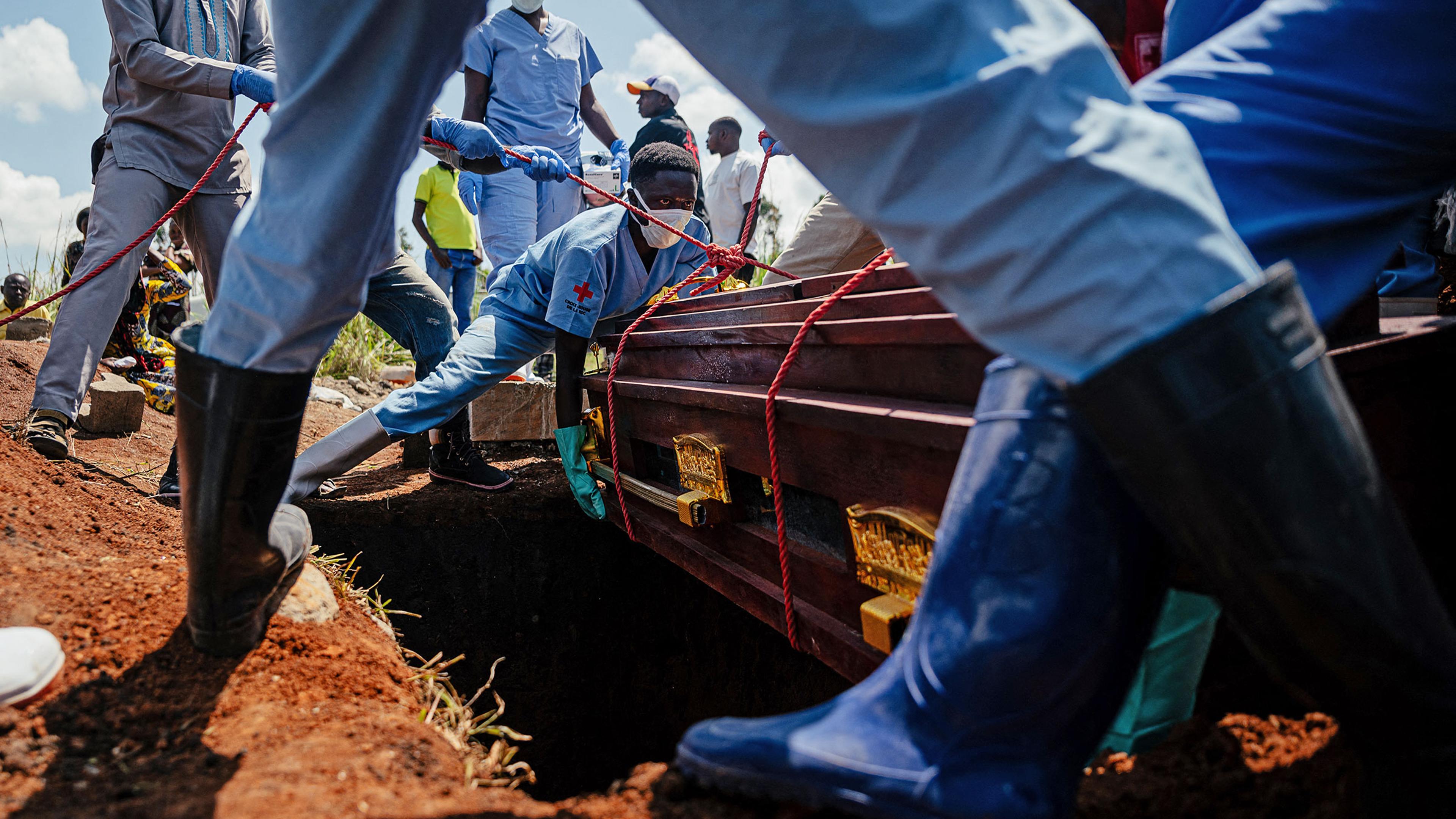
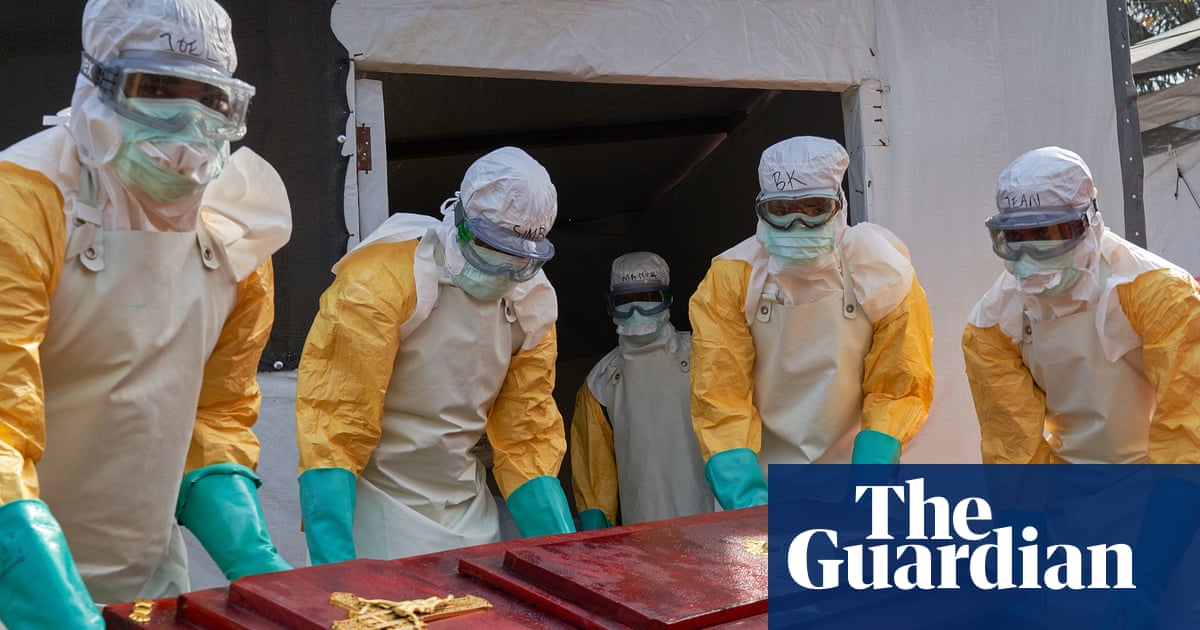
The absence of ready medical countermeasures has forced responders to rely heavily on traditional containment strategies: isolation, contact tracing, safe burials, and community engagement.
Conflict and nisinformation fuel spread
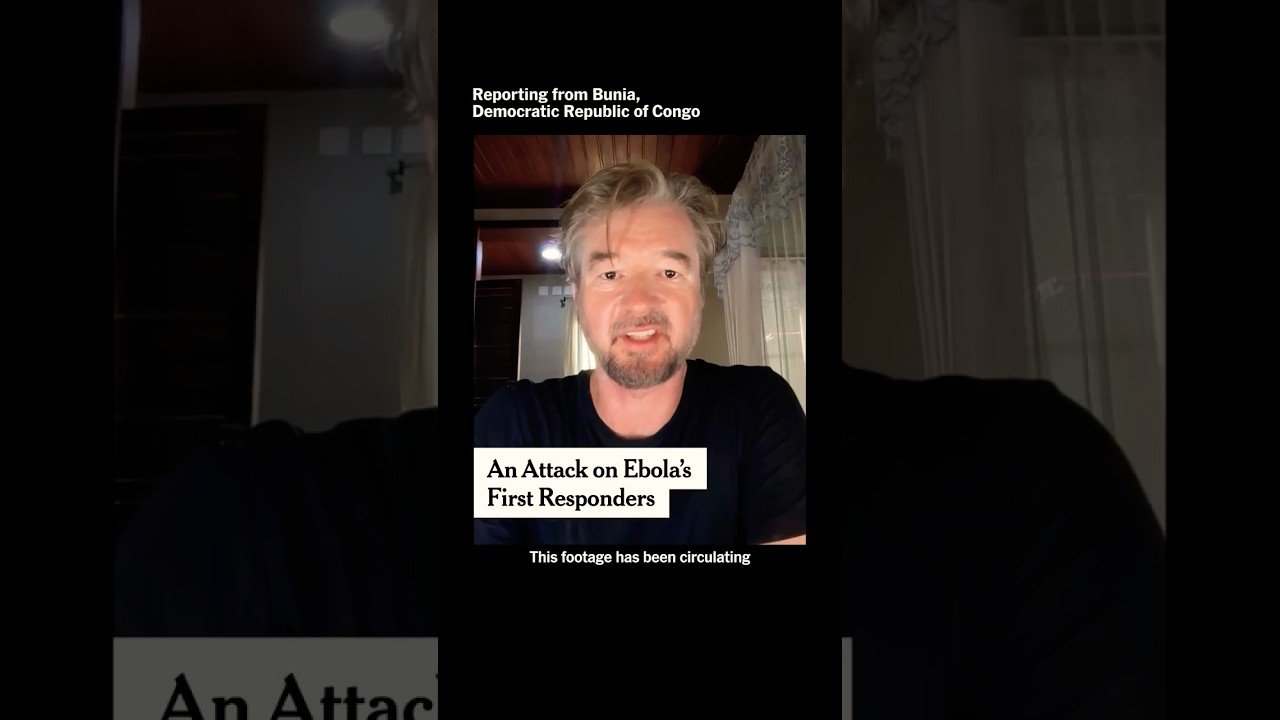
Containment efforts are being severely hampered by ongoing conflict in eastern DRC, where armed groups and mass displacement have made contact tracing and surveillance extremely difficult. Health workers have limited access to affected regions, and insecurity has disrupted treatment operations.
Cultural practices are also playing a critical role. Ebola is most contagious after death, and traditional burial rituals involving close contact with the deceased have accelerated transmission. In some communities, misinformation — including beliefs that the disease is linked to witchcraft — has further undermined public health interventions.
Mounting human and economic toll
The crisis is also expected to deepen poverty, with projections suggesting nearly one million additional people could fall below the poverty line. Women are likely to bear a disproportionate share of the economic impact.
Children appear particularly vulnerable in this outbreak. According to UNICEF, they account for roughly 15% of infections but 25% of deaths, indicating a significantly higher fatality rate compared to adults.
President Ramaphosa also called for a temporary ceasefire in eastern DRC to allow humanitarian access, warning that ongoing violence is directly undermining outbreak control efforts.
At the same time, Ramaphosa cautioned against broad travel bans, arguing they could further damage fragile economies without effectively stopping the virus.
Global response intensifies
International response efforts are accelerating as the outbreak outpaces local capacity. The WHO has fast-tracked the emergency approval of a diagnostic test specifically for the Bundibugyo strain, enabling faster detection in field settings.
Medical teams from organizations such as Médecins Sans Frontières (MSF), alongside bilateral deployments including Chinese health personnel, have been sent to reinforce overwhelmed healthcare systems.
The United States has pledged $50million to the Coalition for Epidemic Preparedness Innovations (CEPI) to support research, clinical trials, and manufacturing of medical countermeasures, bringing its total direct Ebola response contribution to about $270million.
In parallel, Washington has supplied doses of the experimental antibody treatment MBP134 for clinical trials in the Democratic Republic of the Congo, while Gilead has provided remdesivir for testing. The World Health Organization says the first patient was enrolled in a treatment trial on July 2.
A race against time
Public health officials warn that the window to contain the outbreak is narrowing. The combination of a fast-spreading strain, lack of vaccines, conflict conditions, and urban transmission risk presents a uniquely difficult challenge.
While Ebola outbreaks have been contained in the past, the current trajectory suggests a more complex fight — one that will depend not only on medical response, but on security, community trust, and sustained international coordination.