India and Bangladesh have each reported fatal Nipah virus cases in January 2026, prompting precautionary screening across parts of Asia even as the World Health Organization says the global risk remains low. Health authorities say there is no evidence of active community spread or any link between the cases in the two countries.
The rare but highly lethal virus has renewed concern because it can spread from animals to humans and, in some settings, between people. For now, officials are treating the outbreaks as serious but contained.
What happened
India reported two laboratory-confirmed Nipah infections in West Bengal, both in Barasat, involving nurses at the same private hospital. Those cases were closely monitored, and contact tracing identified more than 190 contacts who later tested negative, reducing concern about wider spread.
Bangladesh later recorded its first fatal case of 2026 in Naogaon district. The patient developed symptoms on Jan. 21, was confirmed positive on Jan. 29 and died shortly after; officials linked the infection to raw date palm sap contaminated by fruit bats, a well-known route of transmission in Bangladesh.
Why Nipah is feared
Nipah virus causes severe respiratory illness and encephalitis, and the World Health Organization lists it among its priority diseases because of its high fatality rate and lack of approved vaccines or treatments. The estimated fatality rate ranges from 40% to 75%, and while the virus can spread between humans, its transmissibility is far lower than COVID-19.
Symptoms usually appear four to 14 days after exposure, though incubation can last up to 45 days in rare cases. Early signs include fever, headache, muscle pain, vomiting and sore throat, while more serious cases can progress to dizziness, drowsiness, altered consciousness, respiratory distress, seizures, coma and fatal encephalitis.
Regional response
The World Health Organization has assessed the global, regional and national risk as low, while saying risk in affected sub-national areas is moderate because of the virus’s lethality and the lack of specific treatment. That “high alert, low spread” posture has shaped the response across the region.
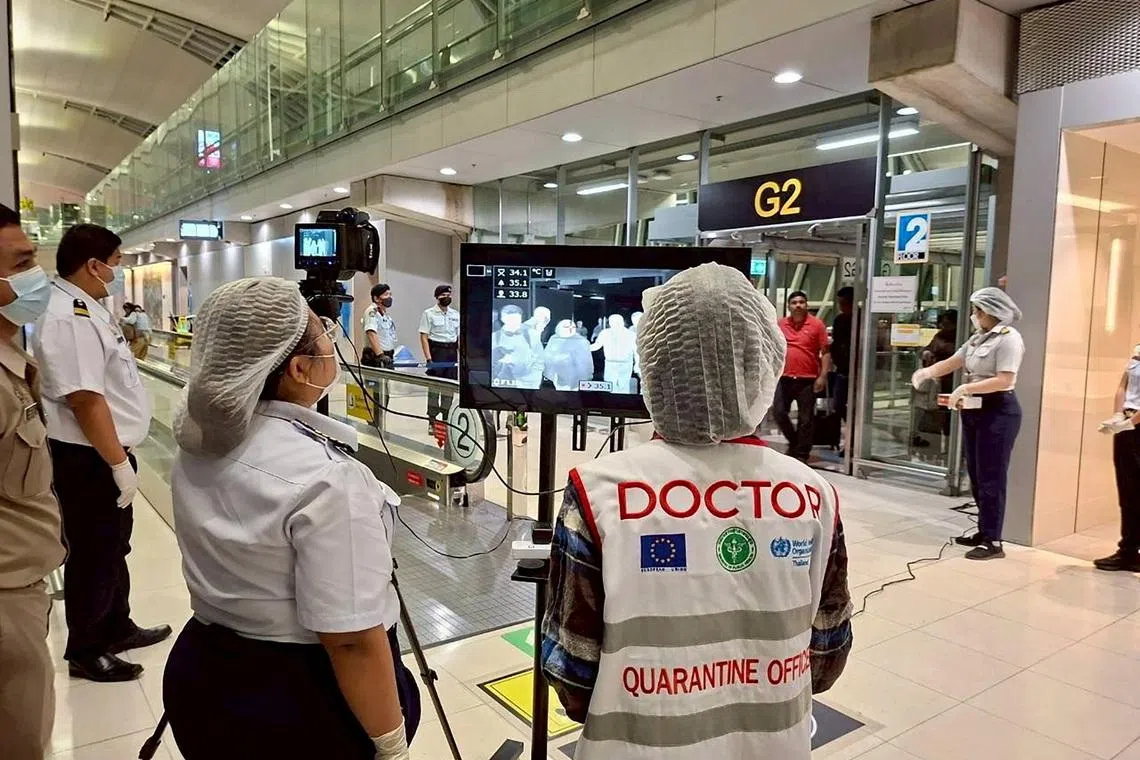
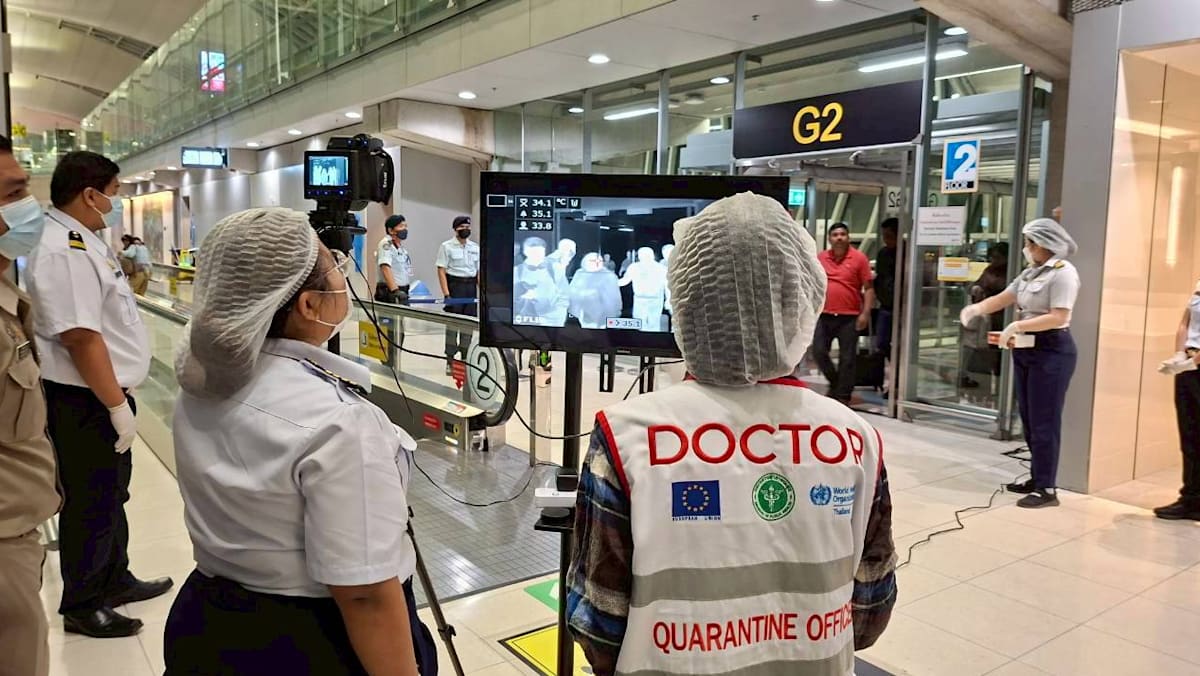
Thailand, Nepal, Vietnam, Singapore and other Asian countries stepped up airport screening for travellers from affected areas, while Pakistan, Hong Kong and Indonesia also tightened checks or monitoring. Nepal set up health desks at key land crossings with India, including in Koshi Province, to watch for fever and respiratory distress.
Taiwan has moved to reclassify Nipah as a Category 5 notifiable disease, which would require immediate reporting of suspected cases. In Singapore, health officials said they had detected no local cases but were closely monitoring developments in Bangladesh.
Containment signs
Officials in both India and Bangladesh say the outbreak clusters appear limited for now. Reuters reported that contact tracing and testing have not shown immediate signs of active community transmission, and no connection has been established between the Indian and Bangladeshi cases.
That matters because Nipah remains dangerous even when outbreaks are small. The combination of a high fatality rate, the absence of a cure and the possibility of hospital-based transmission makes every confirmed case a serious public health event.
What comes next
For now, the main concern is whether the virus remains confined to isolated clusters or begins spreading through households, hospitals or border communities. Health authorities across Asia are treating the situation as a reminder that rare pathogens can move quickly enough to justify immediate vigilance, even when the broader epidemic risk remains low.