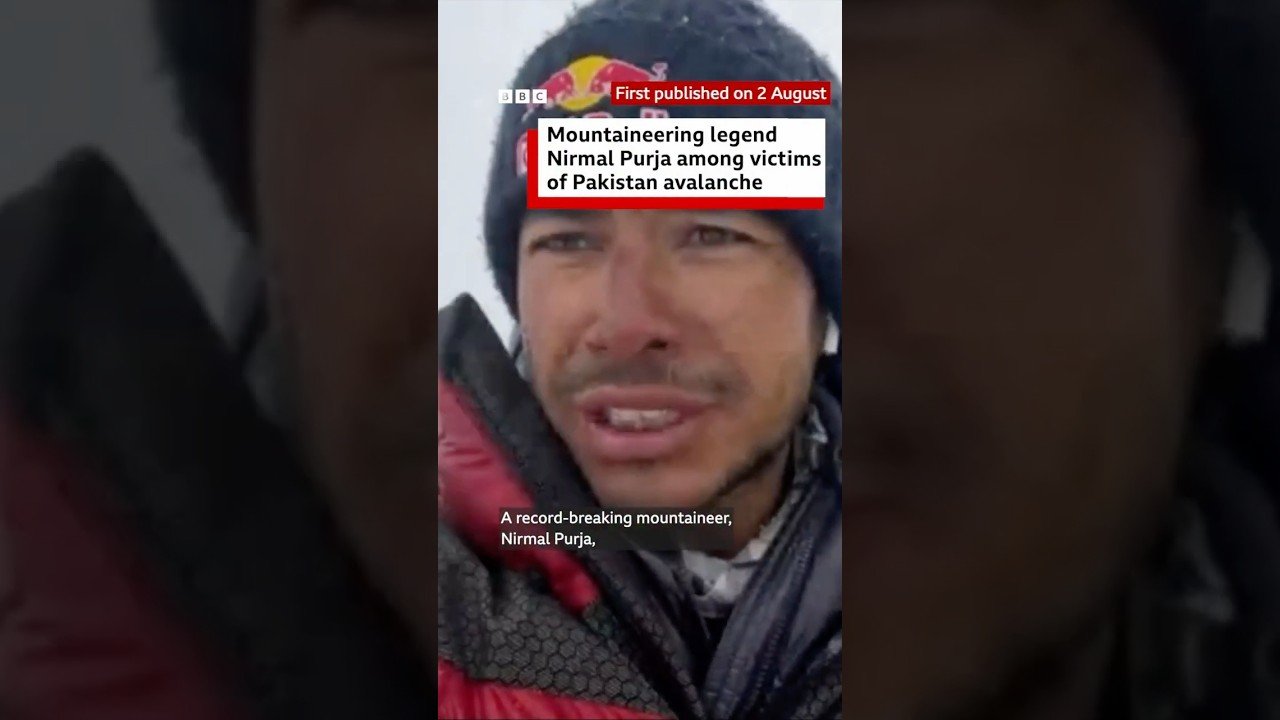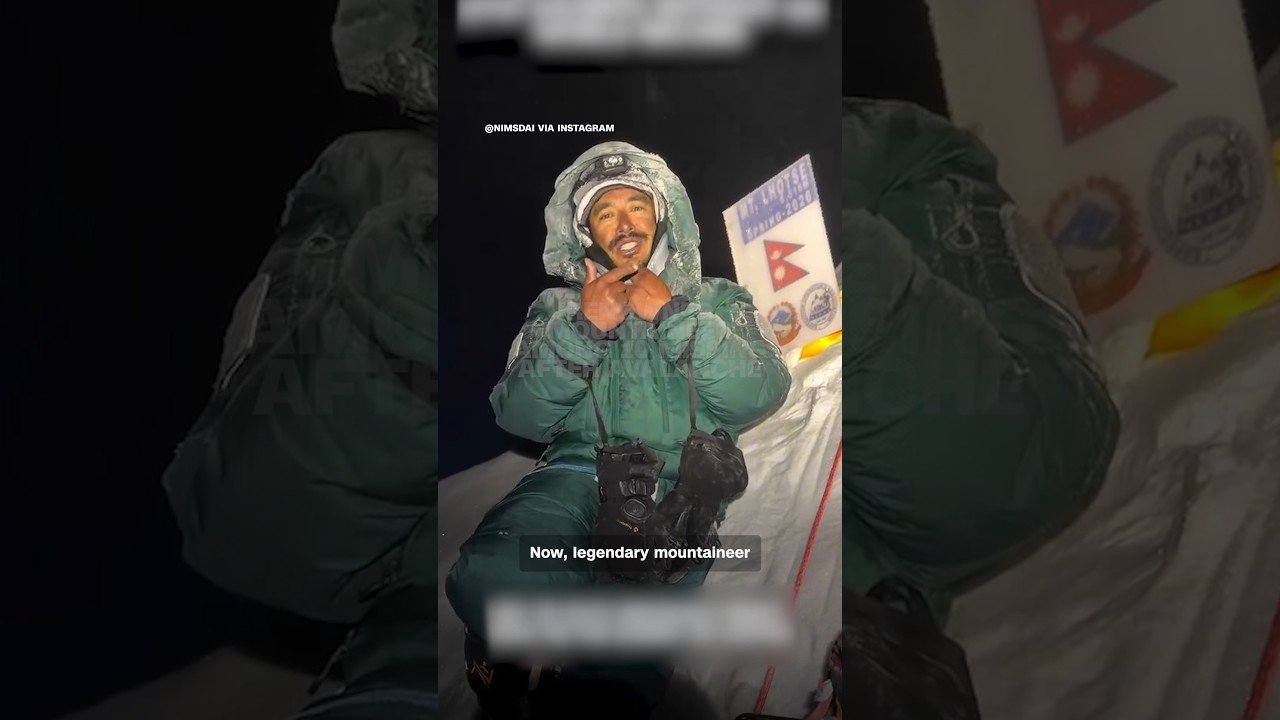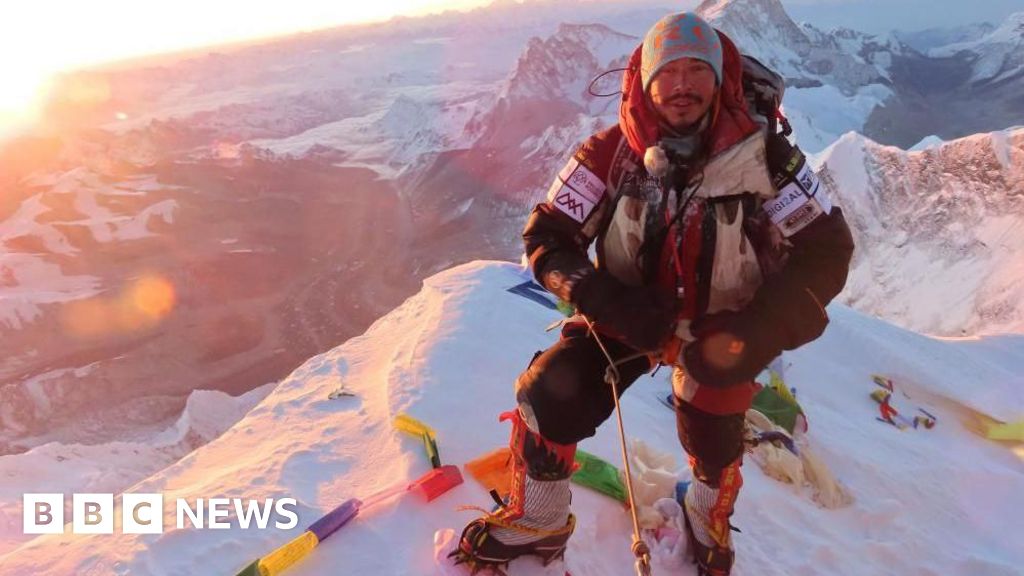
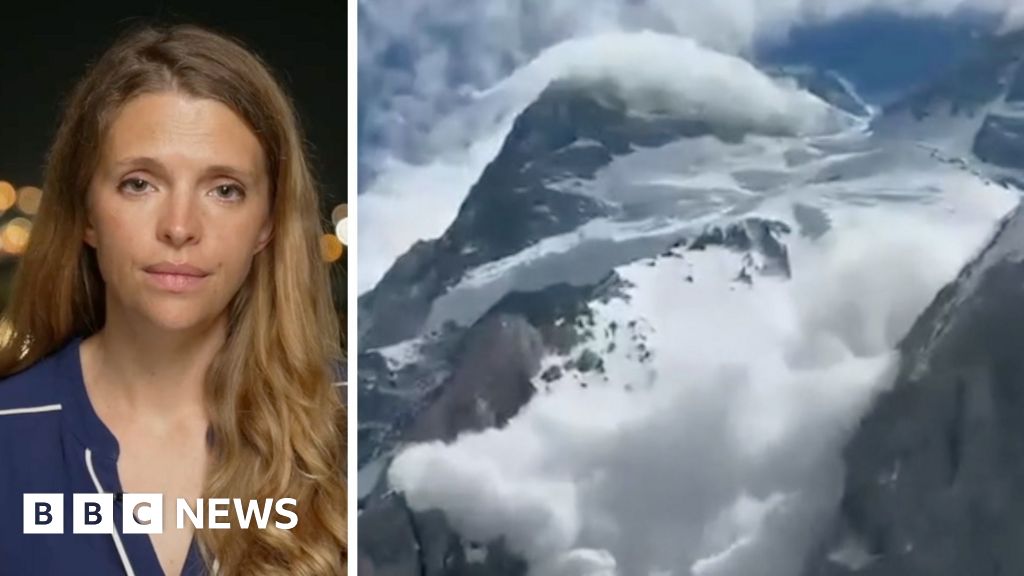
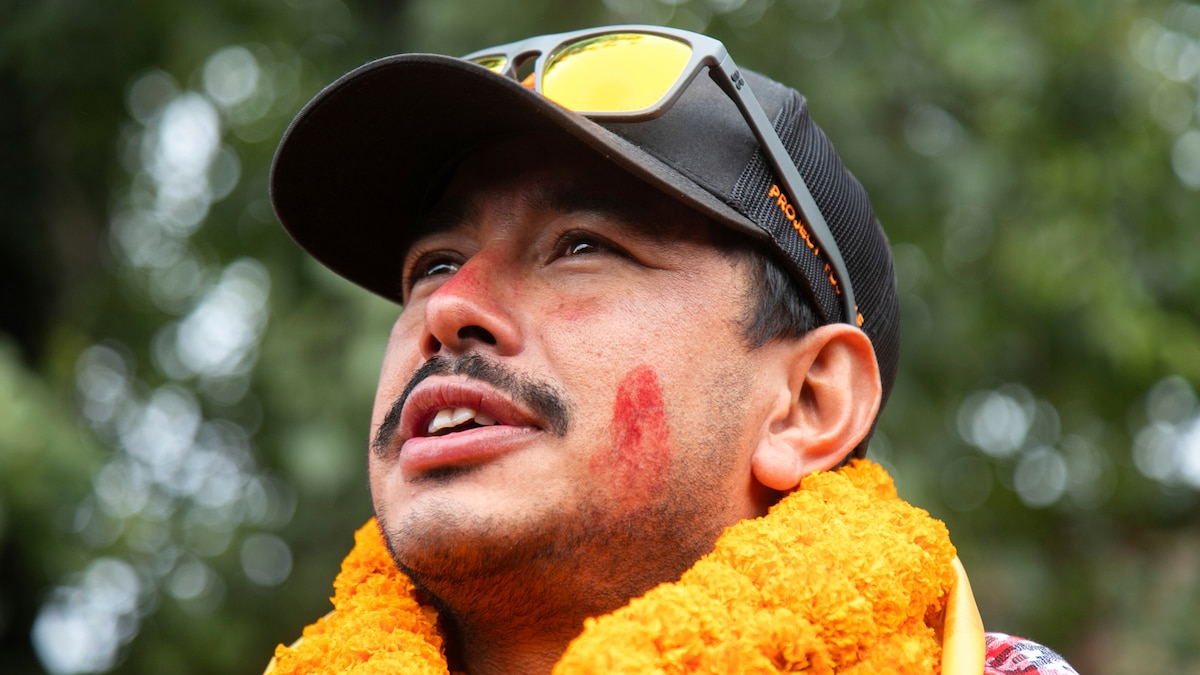



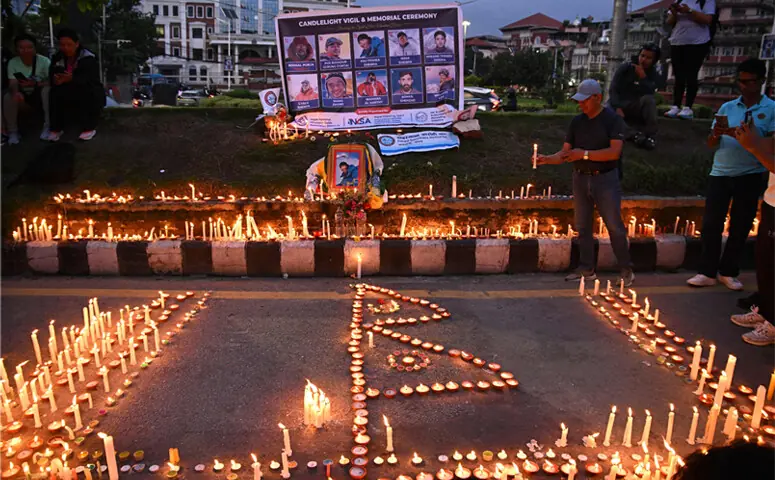

A massive avalanche on Pakistan’s Broad Peak has killed all 10 members of an international climbing expedition, including the celebrated British-Nepali mountaineer Nirmal “Nimsdai” Purja.
The avalanche struck at approximately 9 a.m. local time on Thursday, July 30, as the team moved between Camp 2 and Camp 3 at an altitude of roughly 6,600 metres. Broad Peak rises to about 8,051 metres in the Karakoram range of Gilgit-Baltistan and is the world’s 12th-highest mountain.
The climbers were swept down the mountain’s steep west-facing gully. Tracking data indicated that some of them were carried more than 800 metres vertically, while others travelled much farther along the slope before coming to rest near the mountain’s lower sections.
The disaster has sent shockwaves through the global climbing community, with Nepal’s National Mountain Guide Association mourning the loss of “a generation of accomplished mountaineers”.
A mountain changed by snowfall
The expedition had remained on Broad Peak after several other climbers left the mountain because of worsening conditions. Heavy snowfall began around July 22, increasing the amount of unstable snow on the upper slopes.
Mountaineers familiar with the route said that a period of stable weather is normally needed after heavy snowfall before teams attempt steep terrain. Fresh snow must either bond securely to the underlying surface or slide away. In this case, the snowpack appears to have released while the 10 climbers were moving through one of the mountain’s most exposed sections.
The group had reportedly been preparing for a summit attempt when communications were lost. Garmin and other satellite-tracking devices continued transmitting for a period after the avalanche, but some signals showed rapid descents and later stationary movements.
Experts cautioned that GPS units buried under snow can produce imprecise or drifting locations, making it difficult to determine whether a climber is alive or whether the device is simply continuing to broadcast.
The climbers who died
The expedition included elite high-altitude guides and international clients:
- Nirmal “Nimsdai” Purja, British-Nepali expedition leader.
- Nima Sherpa, Nepal.
- Kili “Kilu” Pemba Sherpa, Nepal.
- Yukta, also identified as Pur Bahadur Gurung, Nepal.
- Gyalu Sherpa, Nepal.
- Nawang Thindu Sherpa, Nepal.
- Sohail Sakhi, Pakistan.
- Wang Zhong, China.
- Nadhira Al Harthy, Oman.
- Mallory Geis, United States.
Al Harthy was the first Omani woman to summit Mount Everest. Gurung, known as Yukta, was an experienced high-altitude guide who had supported expeditions on Everest and other major Himalayan peaks. The expedition’s Nepali guides represented a substantial loss of expertise as well as a personal tragedy for their families and communities.
Recovery under extreme danger
Initial search operations used drones to locate bodies across the avalanche debris. Ground teams faced repeated hazards, including unstable snow, additional avalanche risk, steep terrain and poor weather that limited helicopter operations.
The first recoveries included the bodies of Al Harthy, Gurung and Geis. By August 2, rescue teams had brought seven bodies down from the mountain, including Purja, Wang Zhong, Nima Sherpa and Kili Pemba Sherpa.
On August 5, a technically demanding ground operation led by veteran Nepali climber Mingma G and supported by Pakistani mountaineer Sirbaz Khan successfully brought the bodies of Purja, Wang Zhong, Nima Sherpa and Kili Pemba Sherpa to Broad Peak Base Camp. The Alpine Club of Pakistan said the remains would be returned to their families. Three climbers remained missing in the snow, although authorities had confirmed that all 10 expedition members had died.
The recovery effort has underscored the risks faced not only by climbers attempting high-altitude routes but also by rescuers operating in terrain where a single movement can trigger another slide.
The legacy of Nirmal Purja
Purja became one of the most recognisable figures in modern mountaineering after completing the 14 highest peaks in the world—known as the 8,000-metre peaks—in 189 days in 2019. His record-breaking campaign, known as Project Possible, reduced a record that had stood for years to just over six months.
A former British Special Boat Service soldier and Gurkha, Purja later gained a global audience through the 2021 Netflix documentary 14 Peaks: Nothing Is Impossible. He was also part of the 10-member Nepali team that made the first winter ascent of K2 in January 2021, completing the final section together without supplemental oxygen.
Purja’s approach combined military-style discipline, extensive logistics and a willingness to climb at extraordinary speed. His achievements helped bring unprecedented attention to Nepali mountaineers and to the professional teams that make expeditions on the world’s highest peaks possible.
Broad Peak was reportedly intended to be part of another ambitious project: Purja had hoped to move closer to becoming the first person to climb all 14 of the 8,000-metre peaks twice without supplemental oxygen. Instead, the mountain became the site of the expedition’s final ascent.
Support for the victims’ families
The deaths have prompted an international response from the climbing community. The Nimsdai Foundation has launched a support appeal for the families of the five Nepali guides killed in the avalanche, including Yukta, Nima Sherpa, Gyalu Sherpa, Nawang Thindu Sherpa and Kili Pemba Sherpa.
As recovery work continues, attention has turned from the search itself to the long process of returning the dead to their families. The tragedy has left Broad Peak’s slopes holding the remains of three climbers, while communities in Nepal, Pakistan, Oman, China, the United States and the United Kingdom mourn an expedition that began as a high-altitude challenge and ended as one of the Karakoram’s deadliest disasters in recent years.