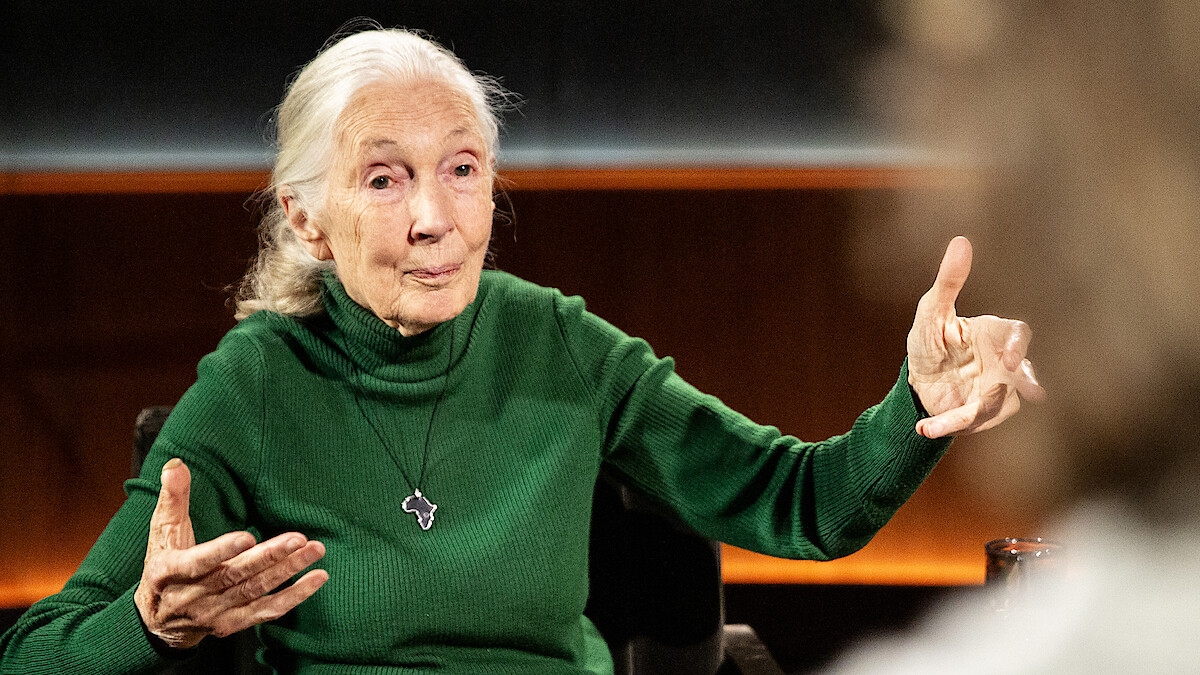
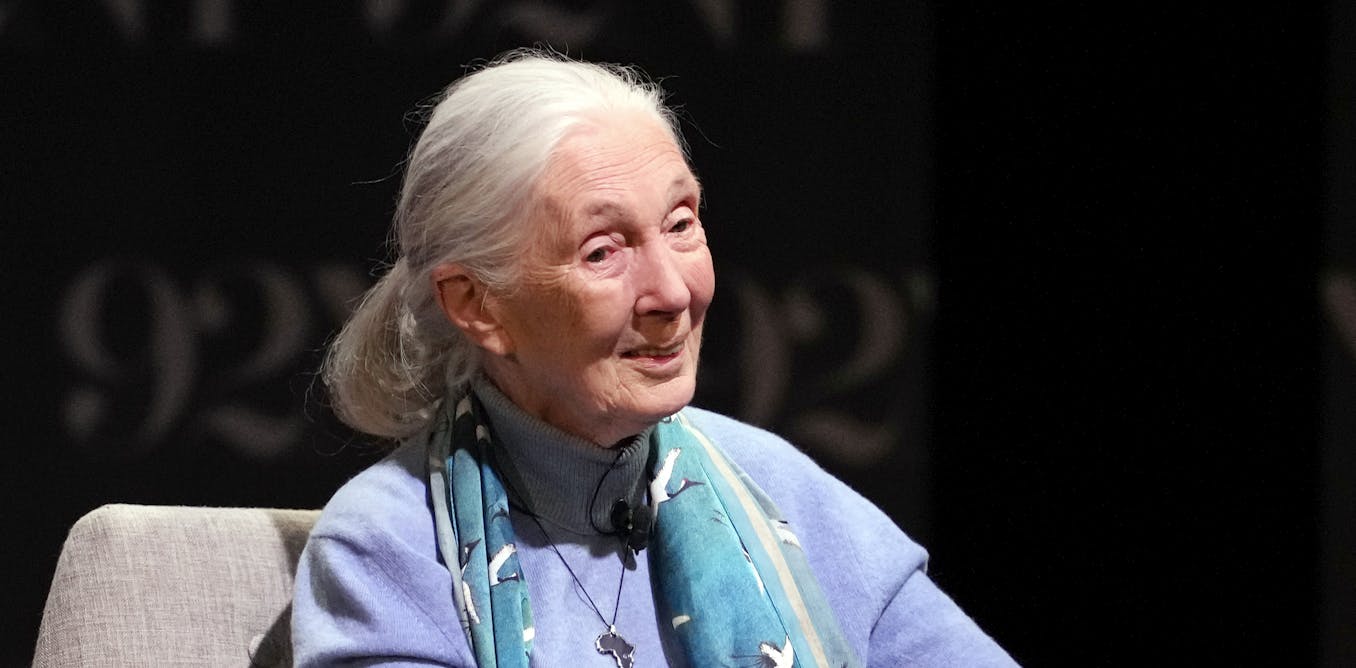
Jane Goodall, the pioneering British primatologist and conservationist, was best known for her six-decade study of wild chimpanzees at Gombe in Tanzania and for later becoming one of the world’s most prominent advocates for wildlife, the environment, and youth climate action.
The Jane Goodall Institute announced on October 1, 2025, that the world-renowned primatologist Jane Goodall has died at the age of 91 of natural causes while in California as part of a US speaking tour. At the time of her death, she held titles including Dame Commander of the Order of the British Empire and UN Messenger of Peace, and in 2025 she was awarded the US Presidential Medal of Freedom in recognition of her scientific and humanitarian contributions.
What she was remembered for
Goodall’s observations at Gombe overturned earlier assumptions by showing that wild chimpanzees make and use tools, hunt and eat meat, wage coordinated aggression, and form rich social and emotional bonds, reshaping scientific understanding of human-animal continuity.
Through the Jane Goodall Institute and programmes such as Roots & Shoots, she developed community-based conservation, education, and youth-leadership projects in dozens of countries, linking primate protection with local livelihoods and environmental justice.
Commentators note that Goodall helped transform primatology from a largely male, distant discipline into one that recognised animals as individuals with relationships, emotions, and cultures, influencing not only science but also ethics and animal-welfare debates.
In later decades, she became a central figure in global climate and biodiversity movements, arguing that protecting forests, empowering rural communities, and giving young people hope were inseparable parts of addressing the planetary crisis.
Dr. Jane Goodall earned her PhD in ethology from the University of Cambridge in 1966, a notable achievement given that she was one of eight individuals admitted to the doctoral program without having previously completed an undergraduate degree at the time.
Famouse last words
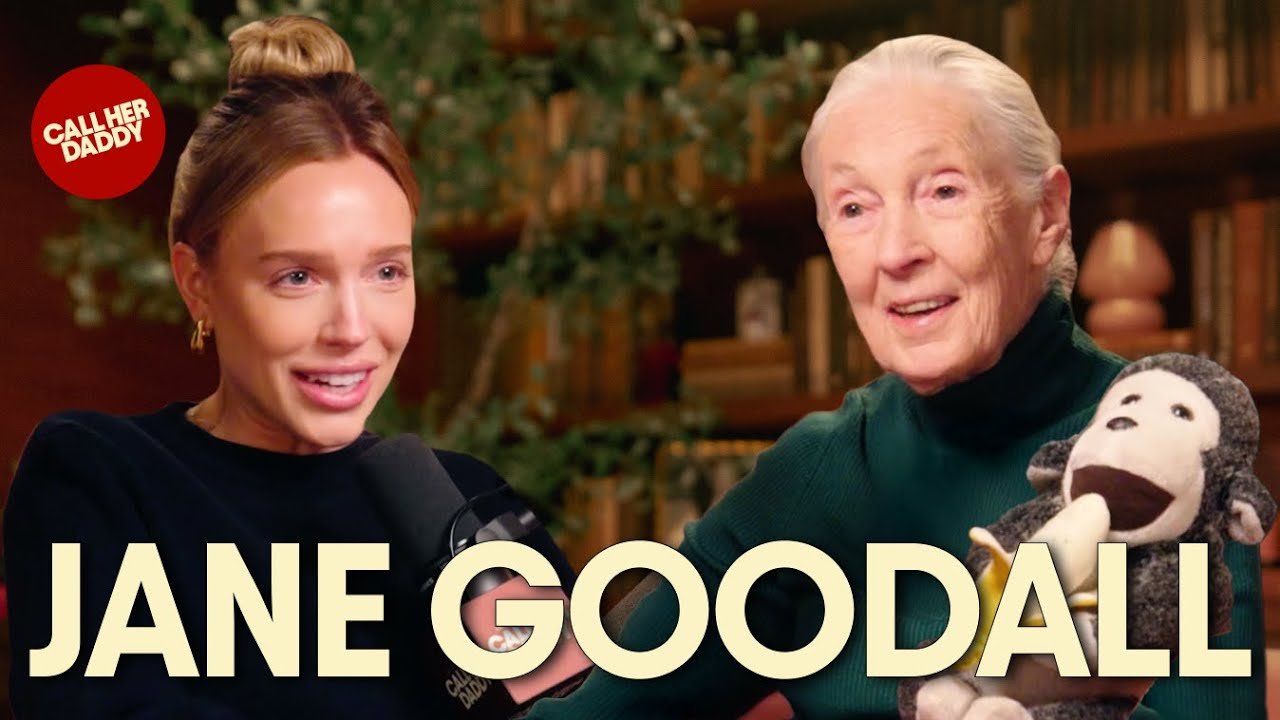
In her final BBC interview, Jane Goodall was using the sixth great extinction to describe a human-driven mass die-off of species happening right now, not a future risk.
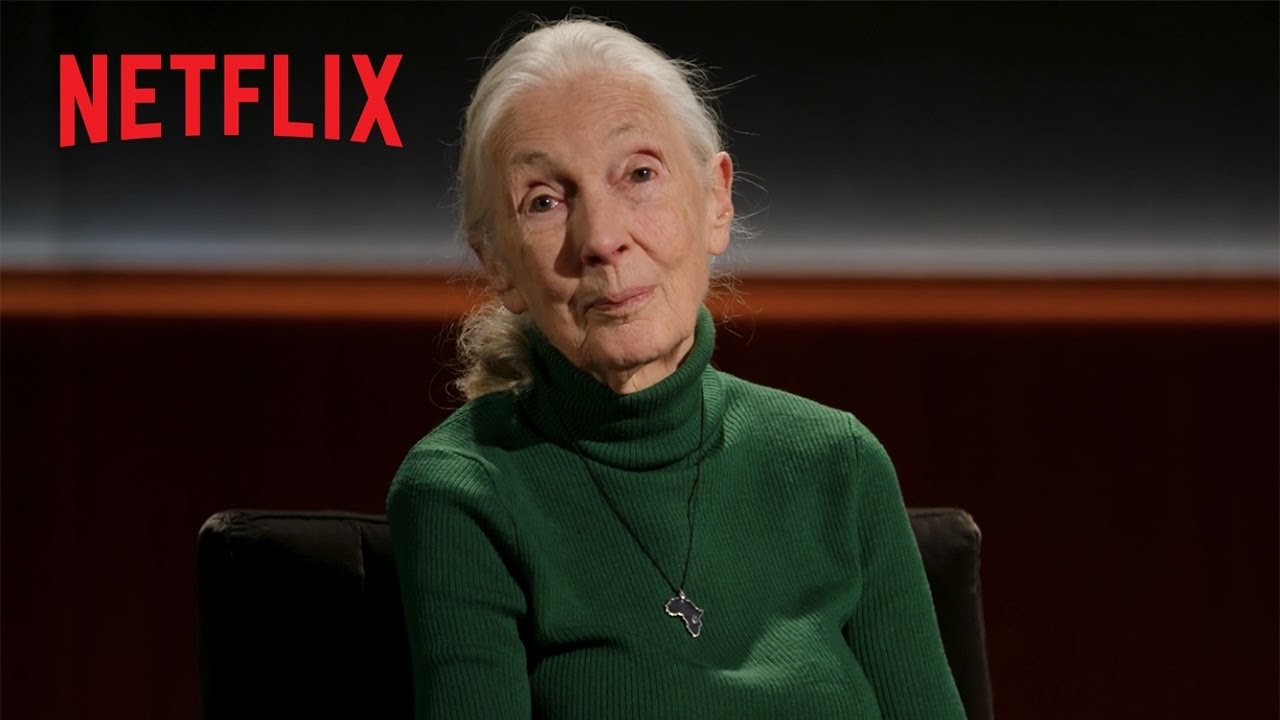
Netflix released a posthumous documentary-style special, Famous Last Words: Dr Jane Goodall, built around an interview she recorded in March 2025 on the condition it would only air after her death. In it, she reflects candidly on her life, regrets, and hopes for the planet, and ends with a direct final message urging viewers not to lose hope and to act to protect nature.
I want you to understand that we are part of the natural world… And if you want to save what is still beautiful in this world — if you want to save the planet for the future generations, your grandchildren, their grandchildren — then think about the actions you take each day. Because, multiplied a million, a billion times, even small actions will make for great change. I want to — I just hope that you understand that this life on Planet Earth isn’t the end. I believe, and now I know that there is life beyond death. That consciousness survives.
Dr Jane Goodall said during her Netflix posthumous documentary‑style special
Why it matters
Jane Goodall’s death marks the loss of one of the most influential scientists and conservationists of the 20th and 21st centuries. Her groundbreaking work at Gombe fundamentally changed how we understand chimpanzees and the connection between humans and animals, while her later advocacy transformed her into a global voice for environmental protection, climate action, and youth empowerment.
From revolutionizing primatology to founding the Roots & Shoots programme that has engaged millions of young people worldwide, Goodall’s legacy spans science, conservation, and activism. Her final message through Netflix’s posthumous documentary, urging hope and action to protect nature, serves as her lasting gift to future generations.
At a time when she warned of an ongoing sixth great extinction driven by human activity, Goodall’s life work reminds us that individual actions, multiplied across billions of people, can create meaningful change for the planet.
Read more:
Pope Francis died on Easter Monday aged 88
Thai Queen Sirikit dies at 93