On Dec. 14, 2025, the Hanukkah by the Sea celebration at Bondi Beach in Sydney turned into Australia’s deadliest terror attack and second-deadliest mass shooting in modern history. Two gunmen, identified as father and son Sajid Akram and Naveed Akram, carried out a premeditated attack on a Jewish gathering at Archer Park, east of the Bondi Pavilion, where about 1,000 people had assembled.
How the attack unfolded
Police said the pair threw three pipe bombs and a tennis ball bomb from a footbridge overlooking the car park north of the Bondi Pavilion, but none detonated. They then opened fire on the crowd from the bridge.
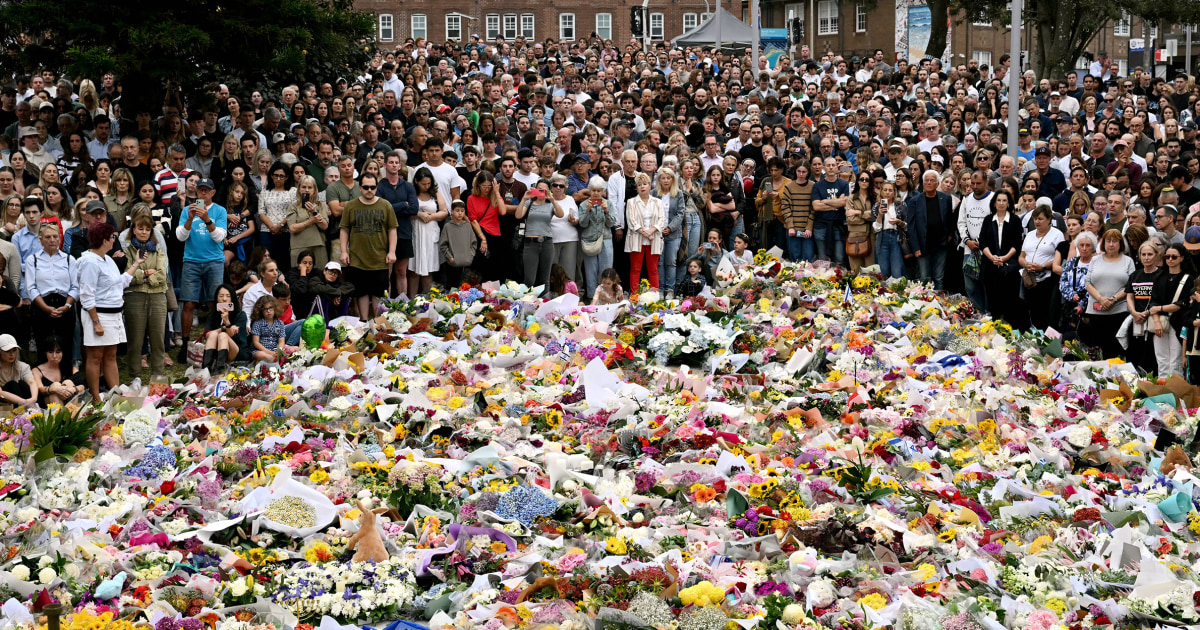
Fifteen people were killed, including a 10-year-old girl, and 40 others were injured. Sajid Akram was shot dead at the scene, while Naveed Akram was critically wounded and taken into custody.
Terrorist motive
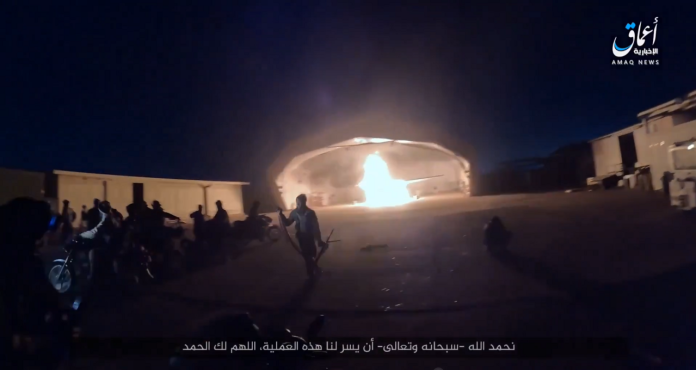
Authorities said the attack was a terrorist act driven by antisemitism and an ideology linked to Islamic State. Investigators said two IS flags and four failed improvised explosive devices were recovered from the attackers’ vehicle.
Acts of bravery
The attack also drew attention for several acts of bravery. Boris and Sofia Gurman, a Russian-Jewish couple, confronted Sajid Akram after spotting an IS flag on his vehicle and managed to take his gun before he drew another weapon and shot them both dead.
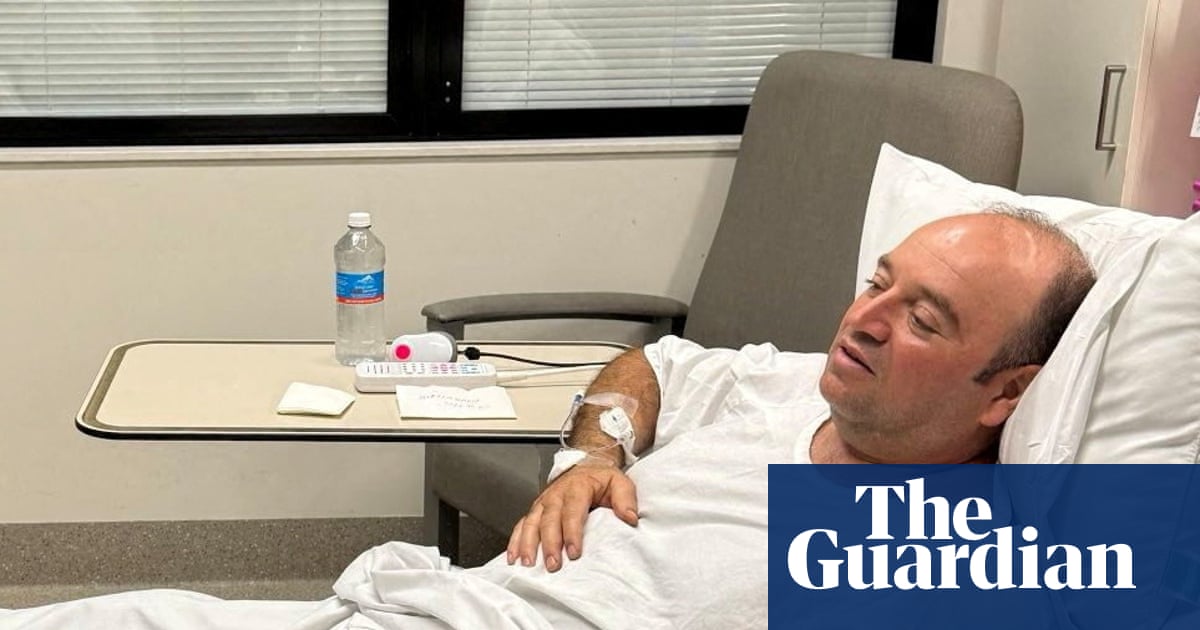
Ahmed al-Ahmed, a 43-year-old Syrian-Australian, then tried to disarm Sajid from behind. He grabbed the gun, turned it away and threw it against a tree before being shot twice by the second gunman and wounded.
Victims
Among the dead were Rabbi Eli Schlanger, who led the Bondi Chabad mission, a 10-year-old student, a Holocaust survivor, a retired police detective and a French IT analyst.
What happens next?
Naveed Akram is facing 59 charges, including murder and committing a terrorist act. In the aftermath, officials proposed tougher gun laws and new measures to combat hate speech.
Community support also surged, including a successful fundraiser for Ahmed al-Ahmed and a wave of blood donations. Families of the victims have pushed for a royal commission, but Prime Minister Anthony Albanese has rejected that call, saying it would give a platform to the worst voices of antisemitism.
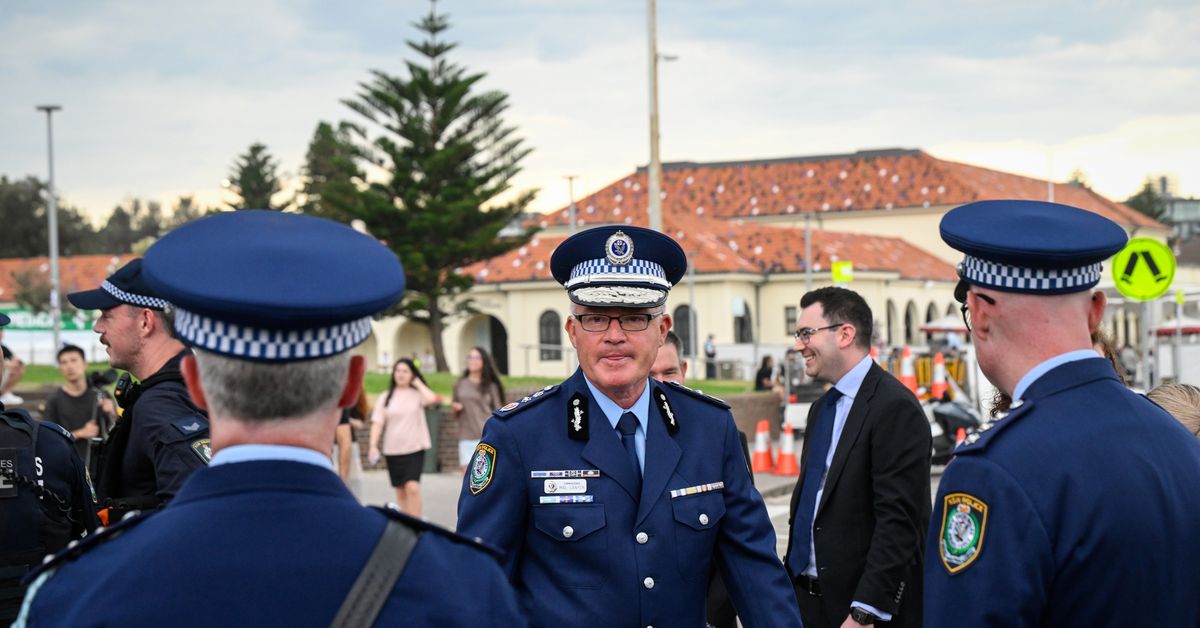
Instead, Albanese has ordered an independent review to examine whether multiple agencies, including ASIO and the Australian Federal Police, missed warning signs before the attack.
Read also: Australia bans social media for 2.6m minors