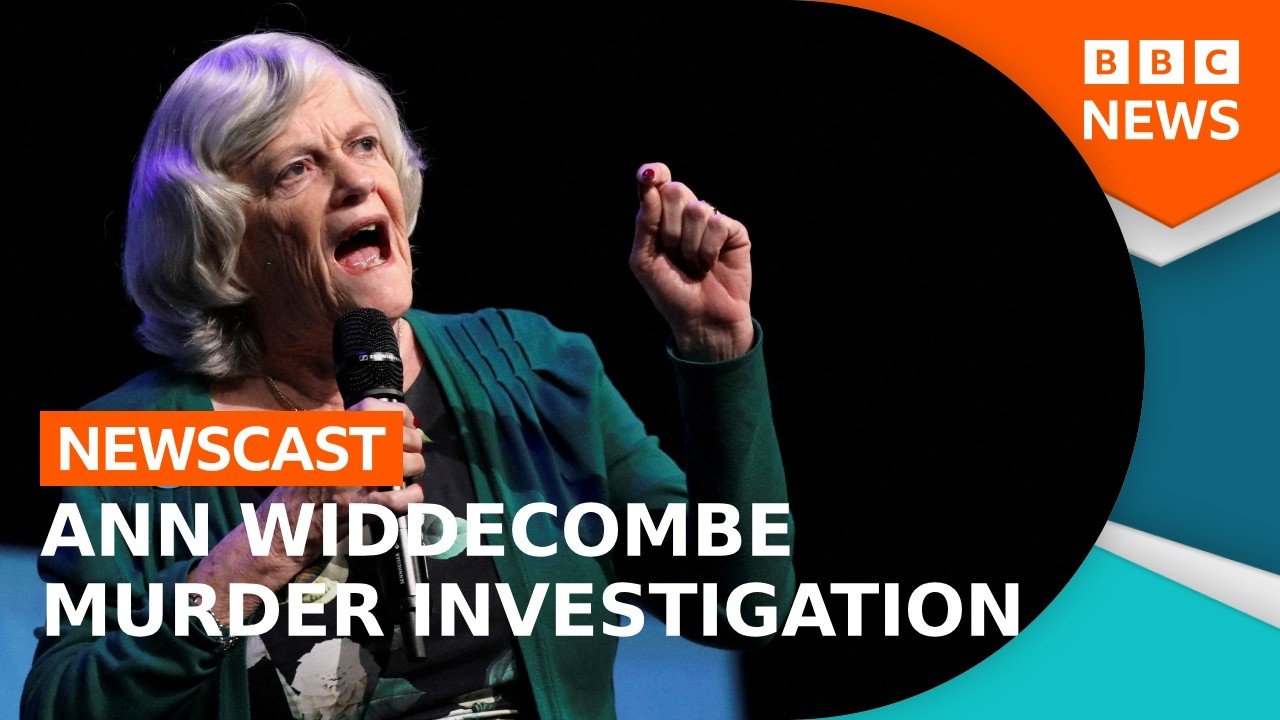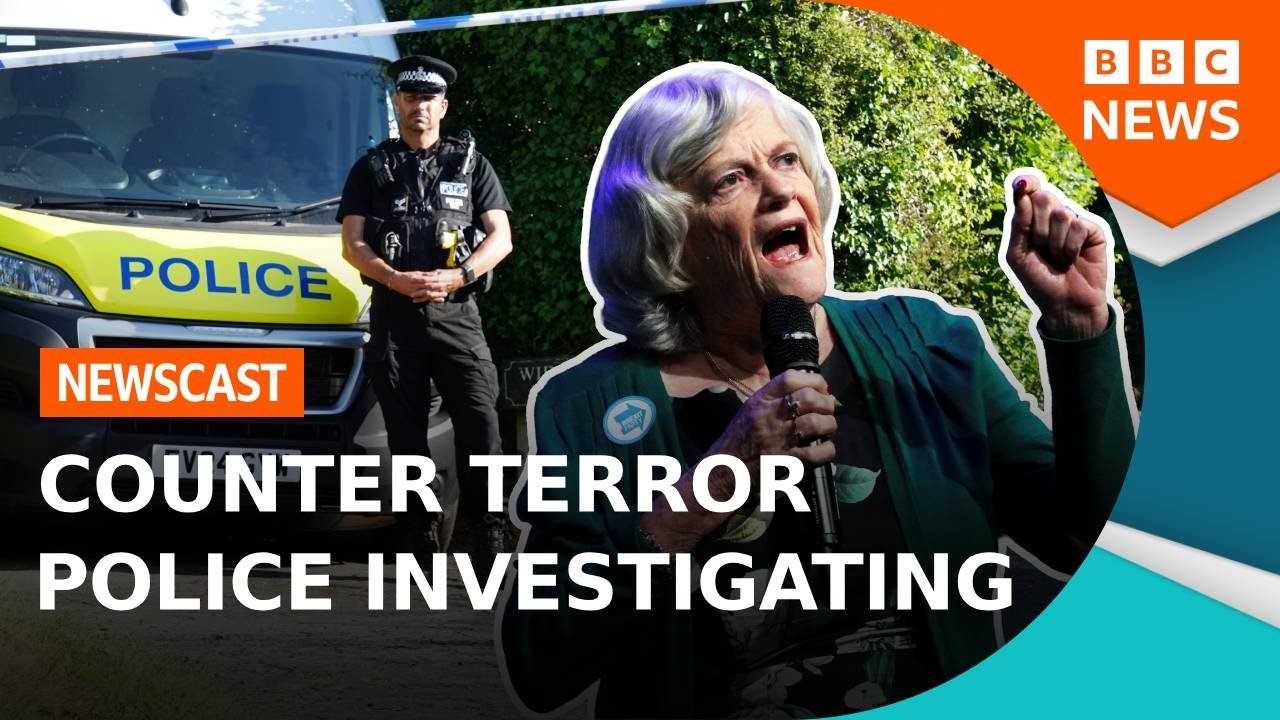
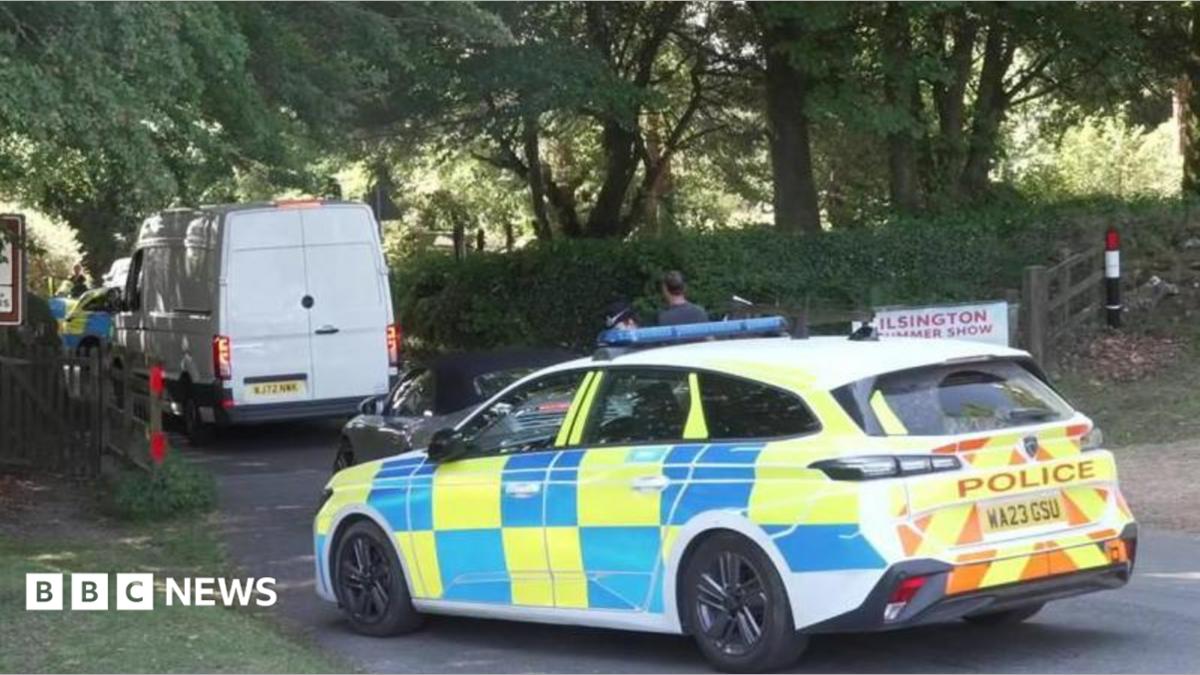


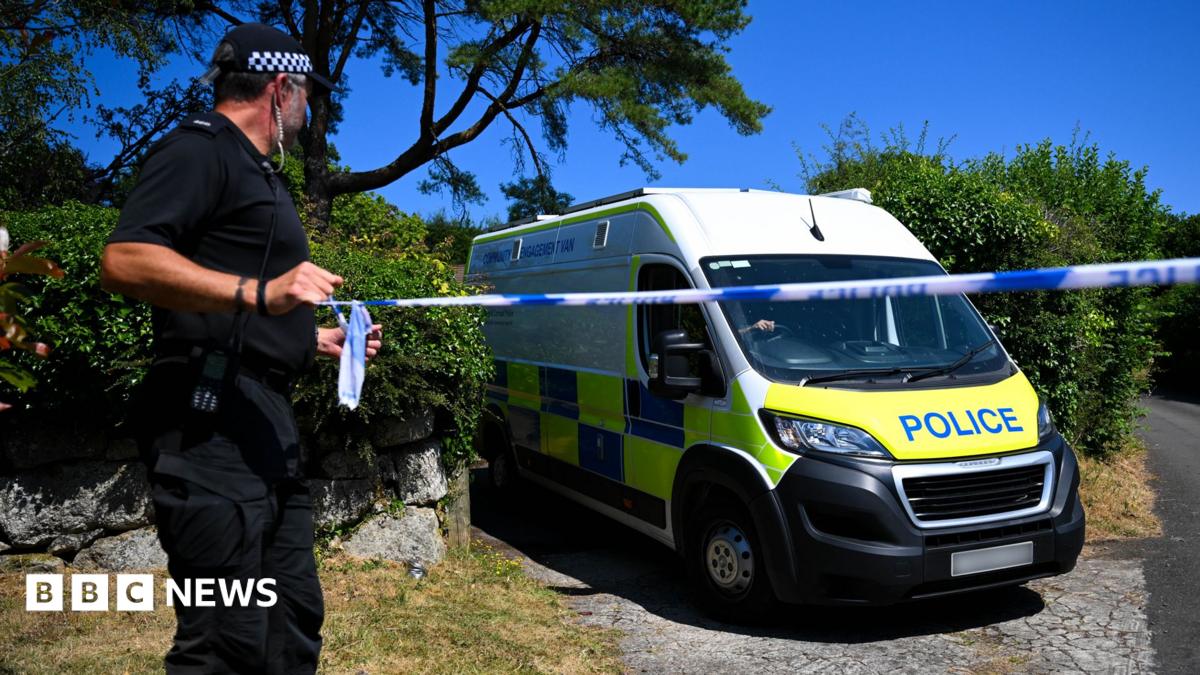


British counterterrorism police have taken over the murder investigation into the death of 78-year-old former politician Ann Widdecombe after evidence emerged suggesting the attack on her Devon home was planned and potentially ideologically motivated.
Widdecombe, a longtime Conservative MP who later became a prominent spokesperson for Reform UK, was found dead with serious injuries at her residence in Haytor on 9 July 2026 after failing to appear for a scheduled television interview.
Ann Widdecombe served as the Conservative MP for Maidstone for 23 years and held several ministerial positions, including prisons minister, during the 1990s and early 2000s. After leaving Parliament, she became a well-known television personality and commentator, later joining the Brexit Party and subsequently Reform UK as a spokesperson.
At the time of her death, she was 78 years old and living in a remote bungalow called Widdecombe’s Rest in the small village of Haytor Vale on the edge of Dartmoor.
Detectives believe the “brutal” attack occurred at approximately 12:30 PM on Wednesday, 8 July 2026, nearly 24 hours before her body was discovered.
The initial announcement of her death on 10 July did not indicate suspicious circumstances, but a murder investigation was launched later that day after police confirmed the presence of serious injuries.
Suspect and arrest details
A 28-year-old white British man from Rotherham, South Yorkshire, was arrested on 11 July on suspicion of murder and subsequently re-arrested on suspicion of terrorism offences. He has been identified as Joshua Kerry, an administrative worker who lived alone in a council house in Rotherham.
According to local reports, Kerry worked at a lift company before stopping work following his father’s death around Christmas 2025. Neighbours described him as “quiet and shy”, with a family well-known on the Kimberworth Park estate, including several members who had served in the military. Police initially treated the case as a potential botched burglary but re-arrested Kerry on terrorism suspicion after discovering new evidence during searches of properties in Rotherham.
Kerry is being held under a seven-day detention warrant as counterterrorism officers pursue multiple lines of inquiry to establish the motivation for the attack. He was not previously known to the UK’s Prevent counterterrorism programme, according to Home Secretary Shabana Mahmood.
Investigation and potential motives
Counter Terrorism Policing South East took over primacy of the investigation on 14 July after “new information and evidence” emerged, though the murder has not been formally designated as a terrorist incident. Assistant Commissioner Laurence Taylor, head of national counterterrorism policing, said investigators are working to understand the extent of any planning and the motivation behind the attack.
Lines of inquiry under active investigation include:
- Whether hostility toward Reform UK or Widdecombe’s political views drove the attack
- Whether the suspect was motivated by left-wing extremism or another political ideology
- Whether there was planning to target other Reform UK figures
- Whether a television appearance by Widdecombe was connected to the timing of the attack
Police have stressed that no conclusions about motive have been formally established and that they are not ruling out any possibilities at this stage. Devon and Cornwall Police initially stated there was no information to suggest the killing was politically motivated, but this assessment changed after counterterrorism units assumed control.
MP security concerns dominate political response
The murder has triggered an urgent and wide-ranging debate about the security of politicians in the UK, with senior figures across the political spectrum calling for immediate reviews and enhanced protection measures.
Incoming Prime Minister Andy Burnham has called for a “serious review” of MPs’ security arrangements, warning that “something has changed” in British politics over the past decade. Speaking before entering Downing Street, Burnham said the issue could not be solved by “easy, glib answers” and that he was “certainly” prepared to examine the security of politicians when he took office.
Home Secretary Shabana Mahmood told the House of Commons that the government would look “very closely” at security measures for both serving and former MPs who remain politically active. She acknowledged that Widdecombe’s death “raises questions about the security of those in public life” and committed to working with the Speaker and political parties across Parliament to ensure any changes cover the full range of threats politicians face.
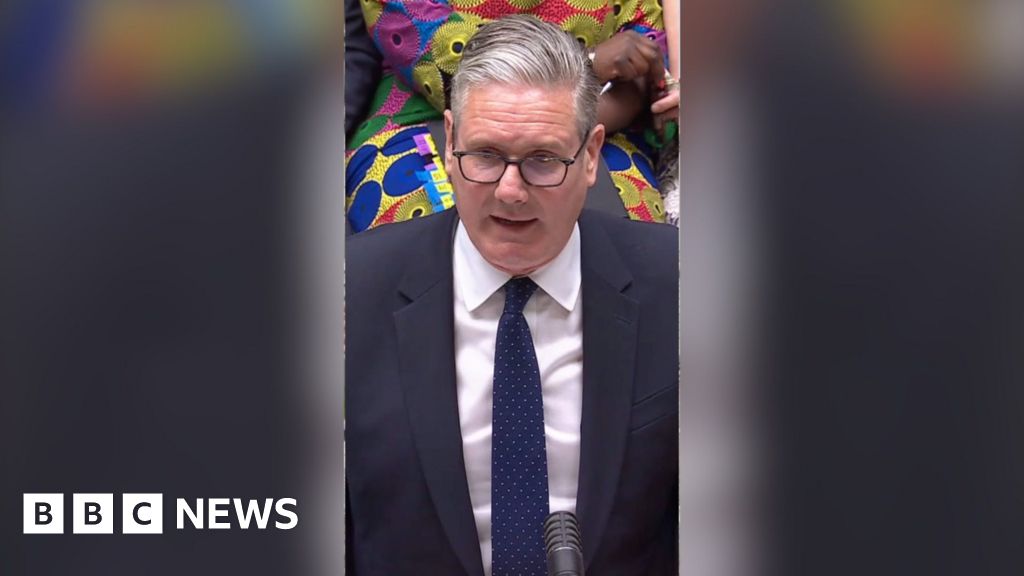
Prime Minister Keir Starmer said officials across government had been asked to work on the issue, adding that more needed to be done to defend democracy after the murder.
Reform UK’s security concerns and proposals
The killing has heightened fears within Reform UK, which has eight MPs and has long been vocal about threats against its members. The party has announced it will provide 24-hour security protection for its MPs, funded by the party itself rather than the state.
Reform UK has also proposed a £100million “round-the-clock” security plan for all MPs if it wins the next general election, with policy chief Zia Yusuf pledging that all Members of Parliament would receive continuous protection regardless of party affiliation. The party further promised substantial new resources to safeguard former politicians who remain active in public life, with support dependent on threat evaluations.
Nigel Farage, Reform UK’s leader, has been at the centre of security debates following revelations that he declined taxpayer-funded security last year, deeming the package “inadequate” for the threat he faced. According to Reform, the state offer represented a 75% reduction in protection Farage had previously received, leading the party to fund its own “proper protection” rather than “gamble with his life.” Farage has said he “navigates life under the constant threat of lethal danger” and described Widdecombe’s killing as something that “must come to an end.”
Historical context and rising threats
The security debate comes against a backdrop of escalating threats against politicians, particularly following the assassinations of Conservative MP Sir David Amess in 2021 and Labour MP Jo Cox in 2016. In response to Amess’s murder, the Conservative government introduced a £31million initiative in May 2024 to bolster security for MPs, including measures for constituency surgeries and events, and security training for MPs and staff.
The Parliamentary Security Department, created in 2016, provides dedicated support to MPs and staff, working closely with the Metropolitan Police’s Parliamentary Liaison and Investigations team (PLaIT) and local police forces through Operation Bridger. Total spending on MP security has risen to approximately £5.9 million annually, up from about £170,000 a decade ago.
Cabinet minister Lucy Rigby highlighted an “horrific” and escalating culture of violence and intimidation directed at public figures, warning that it is discouraging individuals, particularly women, from pursuing political careers.
Parliamentary security assessments
The House of Commons has defended its security procedures, stating that all MPs are offered “appropriate security measures” following rigorous risk-based assessments conducted by security professionals with police input. These assessments are kept under continuous review, though details of individual arrangements are not disclosed publicly to avoid compromising safety.
Parliamentary authorities rejected claims that the government had any role in reducing Farage’s security, insisting that assessments are based entirely on security evaluations conducted independently. A spokesperson emphasised that “the ability of Members and their staff to perform their Parliamentary duties safely, both on and off the estate, is fundamental to our democracy.”
Social media arrest in Scotland
A separate incident involved a 50-year-old University of Aberdeen employee, identified as Heather Herbert, who was arrested and charged over social media comments allegedly celebrating Widdecombe’s death. Herbert posted on Bluesky that the death was “good news” and expressed hope it was an “extremely painful death,” according to reports.
Police Scotland initially stated no criminality had been established in relation to the comments, but later arrested and charged Herbert, submitting a report to the Procurator Fiscal. The University of Aberdeen confirmed it was investigating the matter as a priority, stating the comments did not represent institutional views.
Community and political reaction
The murder has sent shockwaves through British political circles, with Prime Minister Keir Starmer calling it “shocking news” and Conservative leader Kemi Badenoch describing it as “horrific.” Widdecombe’s management team at Cloud9 Management said her death had been “a very traumatic and upsetting 24 hours” for those who knew her.
Ann Widdecombe gave her life to public service.
— Nigel Farage (@Nigel_Farage) July 10, 2026
My tribute after the upsetting news today. pic.twitter.com/5Sh2FWjSH7
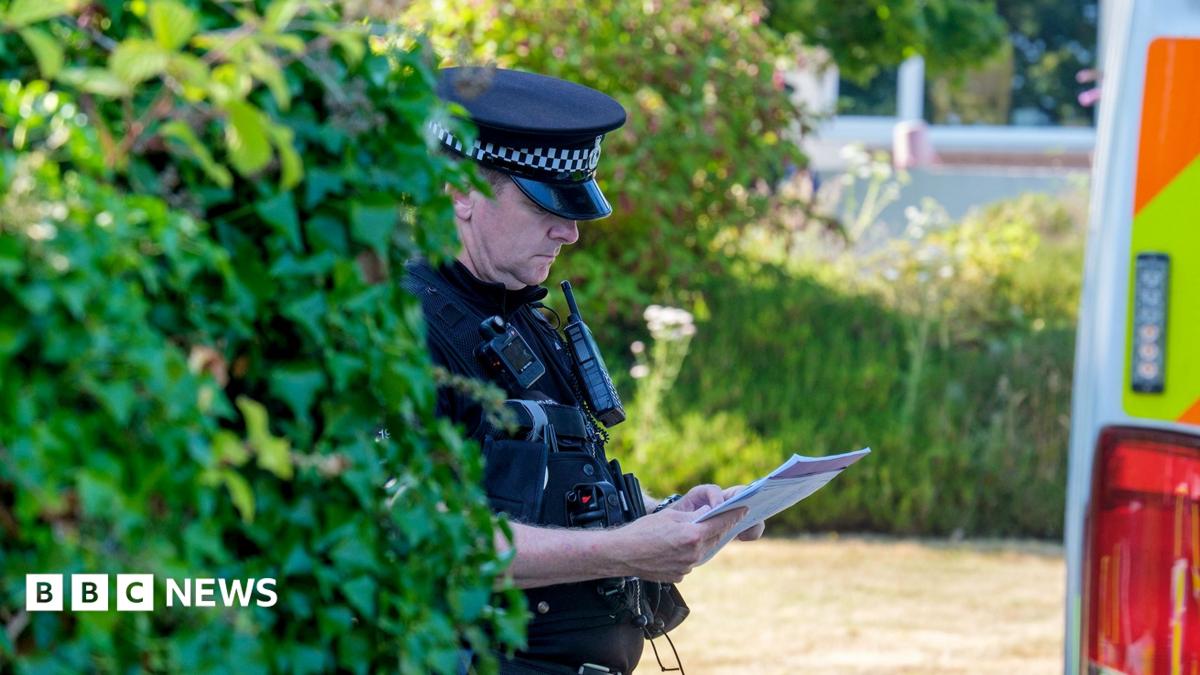
A cordon remains in place around Widdecombe’s property as forensic examinations continue, with a heightened police presence expected in the area for the coming weeks. Devon and Cornwall Police have received over 120 pieces of information following public appeals and continue to review CCTV footage and conduct door-to-door inquiries.