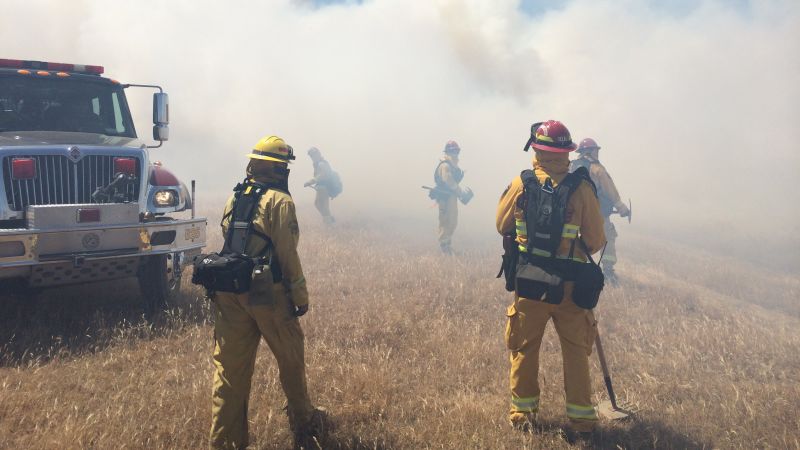
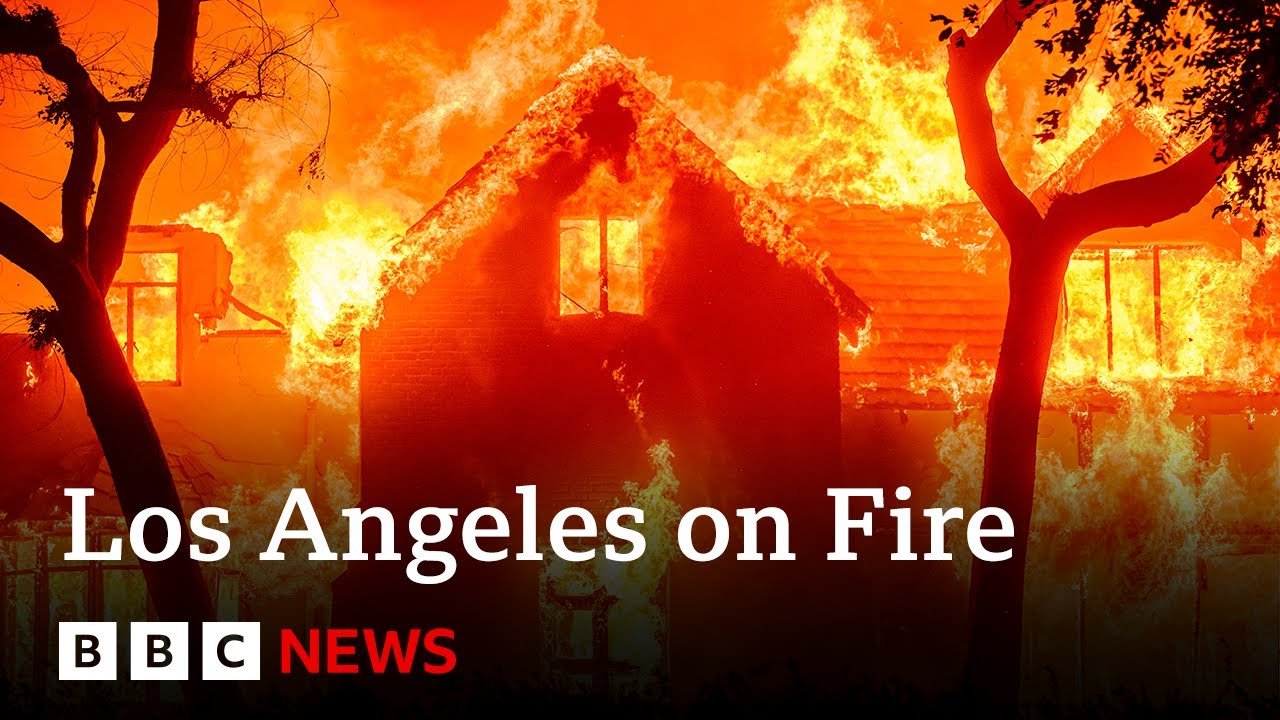
In January 2025, Los Angeles was hit by its most destructive wildfire outbreak in history, as the Palisades Fire and Eaton Fire tore through communities in Pacific Palisades, Malibu, and Altadena. The fires spread with unusual speed, pushed by extreme Santa Ana winds and an unusually dry start to the season.
The Palisades Fire ignited on January 7 in the Santa Monica Mountains and ultimately destroyed 6,837 structures while killing 12 people before being fully contained on Jan. 31. The Eaton Fire also began on January 7 and devastated the foothills near Altadena, destroying about 9,400 structures and killing 19 people, making it one of the most destructive fires in California history.
Pressure on officials
Questions over emergency preparedness and evacuation planning followed in the aftermath. LA County’s after-action review later said the response was hampered by outdated policies, inconsistent practices, and communications vulnerabilities, though it found no single point of failure. The report also noted that hurricane-force winds grounded firefighting aircraft and made nighttime aerial surveillance impossible on the critical night of Jan. 7.
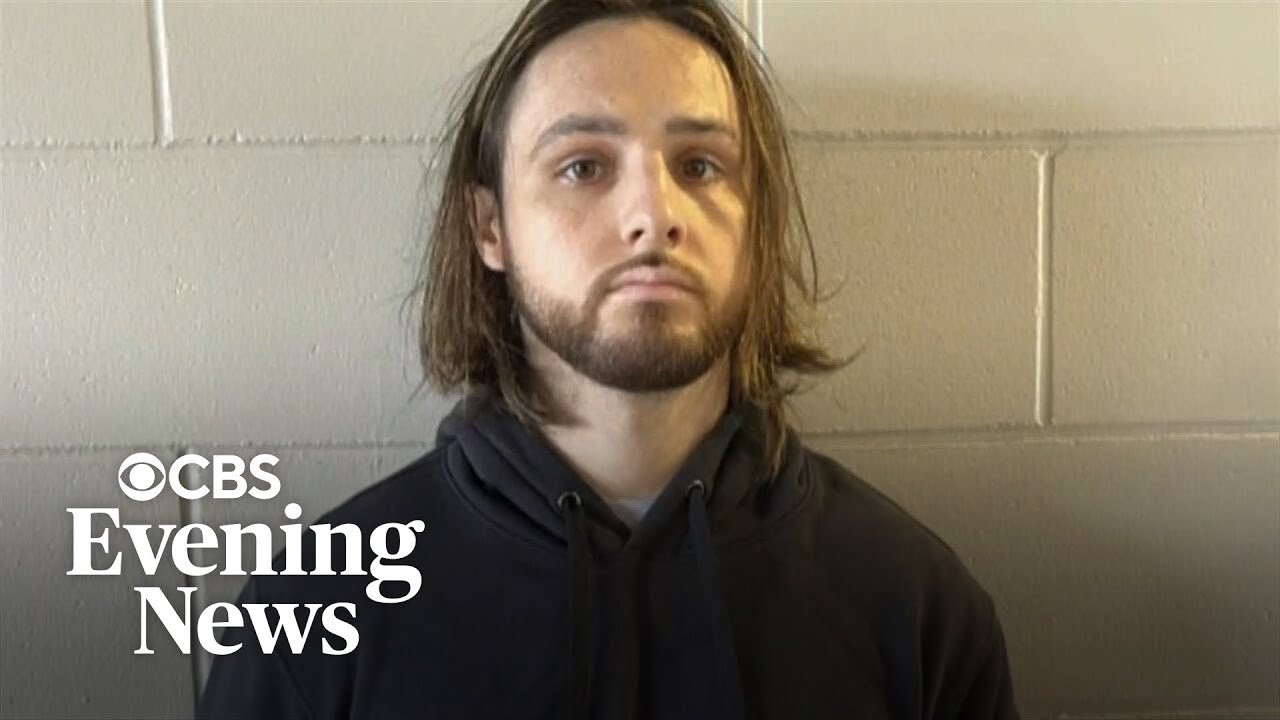
Arson has also emerged as part of the Palisades Fire investigation. A suspect, Jonathan Rinderknecht, was arrested in October 2025 and is expected to face trial in April 2026.
Recovery Remains Slow
A year later, recovery has been uneven. About 70% of residents in the hardest-hit areas were still displaced as of January 2026, while many homeowners remained locked in disputes with insurers over delayed or underpaid claims. Analysts have described the aftermath as a “K-shaped recovery,” with wealthier residents moving ahead while others remain stuck in limbo.
State lawmakers have since introduced bills aimed at tightening insurance rules, including mandatory disclosure of damage assessments and penalties for late payments to fire survivors. Experts say the fires exposed the growing risks of climate whiplash, following two unusually wet years and then a record-dry start to the 2024–2025 wet season.
Why it stands out
Beyond the immediate destruction, the January fires have become a case study in how climate volatility, urban sprawl, and insurance strain are reshaping disaster recovery in California. The scale of loss, combined with slow rebuilding and unresolved policy questions, has left Los Angeles with one of the most consequential wildfire disasters in its modern history.
Public figures draw attention
The fires also sparked controversy around several high-profile figures. Meghan Markle and Prince Harry faced criticism after visiting evacuation centers with a camera crew, with actress Justine Bateman among those labeling the pair “disaster tourists” for distributing food parcels on camera.
Read also: Meghan Markle’s year of controversies
Mandy Moore also drew backlash after sharing a GoFundMe campaign to support her brother-in-law and sister-in-law, whose home was destroyed in the Eaton Fire.
Meanwhile, reality star Spencer Pratt announced a run for Los Angeles mayor after his Malibu home burned down, vowing to “disinfect” the city’s political system while blasting the handling of the fires.