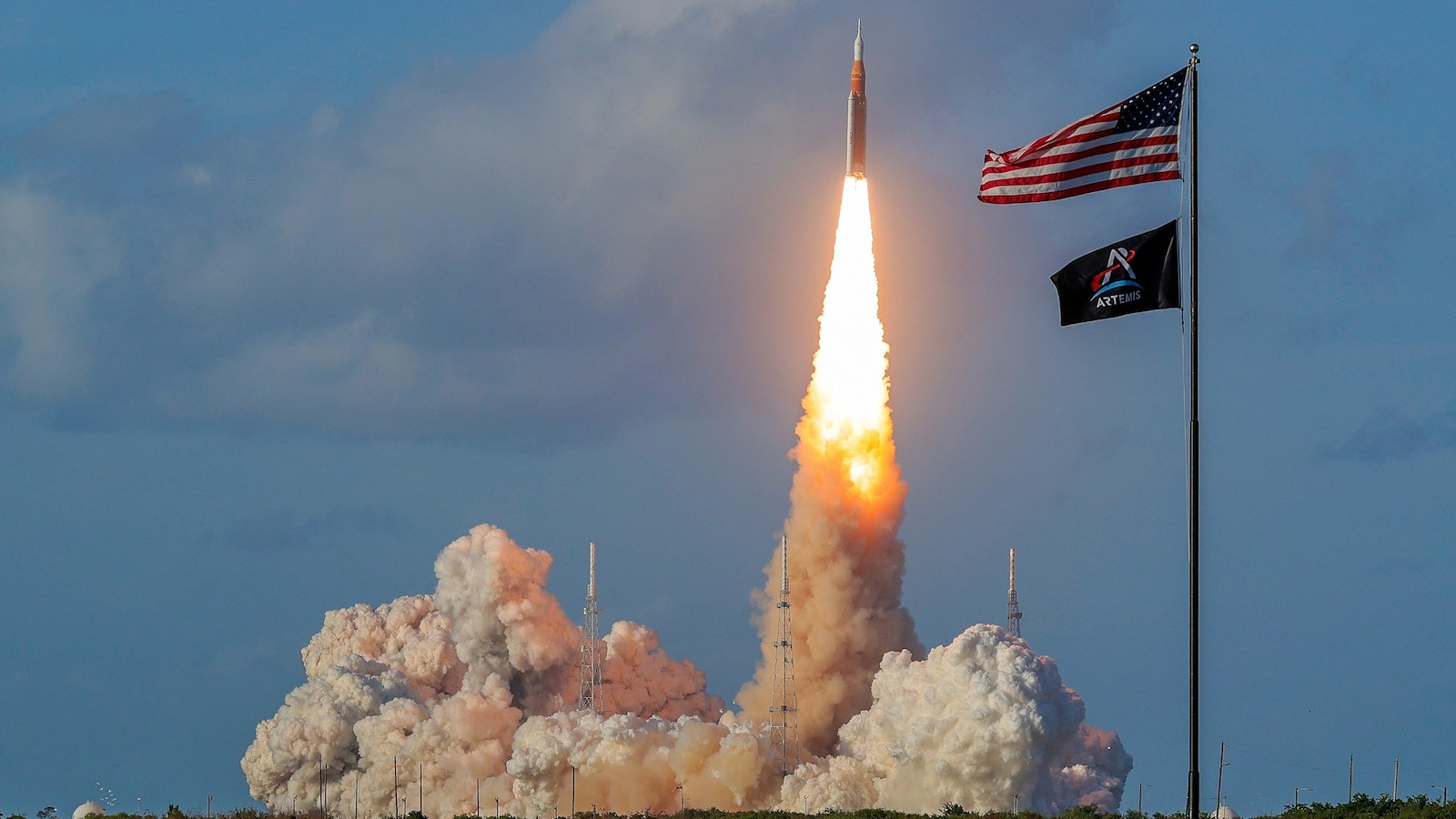
On April 1, 2026, NASA’s Artemis II mission launched successfully, marking the first crewed lunar flight since Apollo 17 in 1972. The crew splashed down safely in the Pacific Ocean off San Diego at 8:07 p.m. EDT on April 10, 2026 (00:07 UTC April 11).
Recovery teams extracted them from the Orion capsule, airlifted via helicopters to the USS John P. Murtha for medical checks, with all reporting they were “feeling great.”
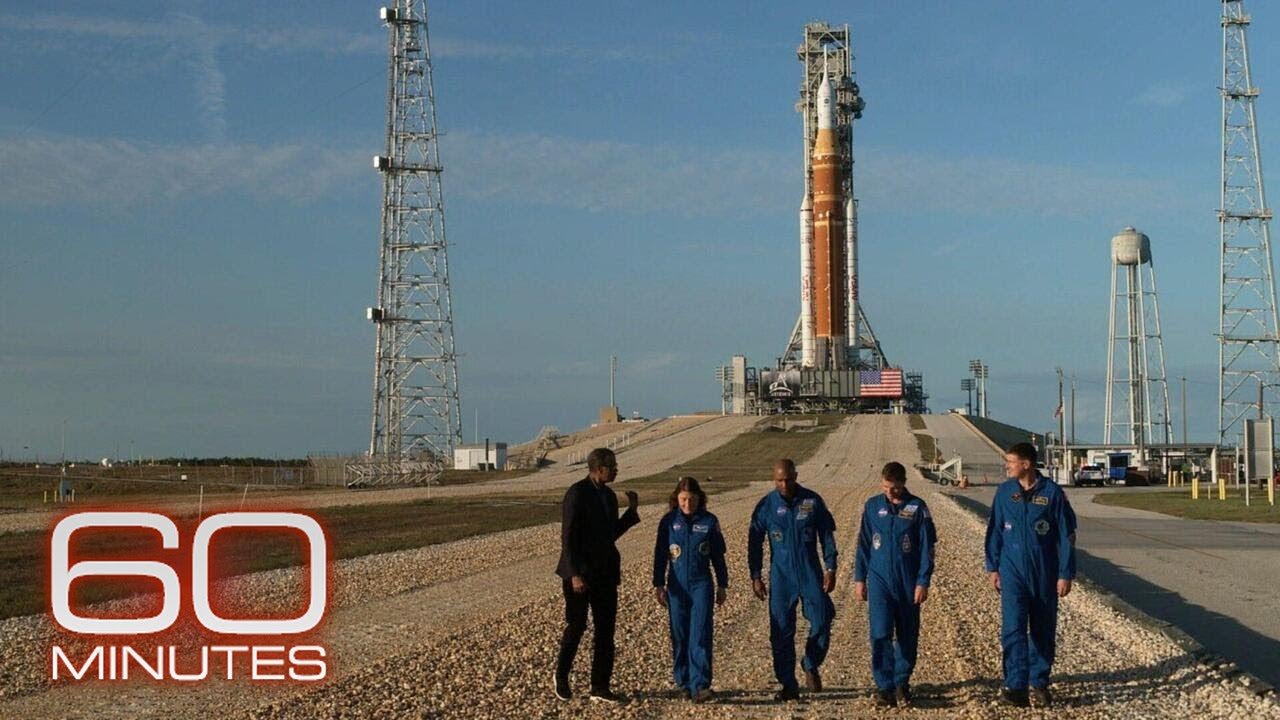
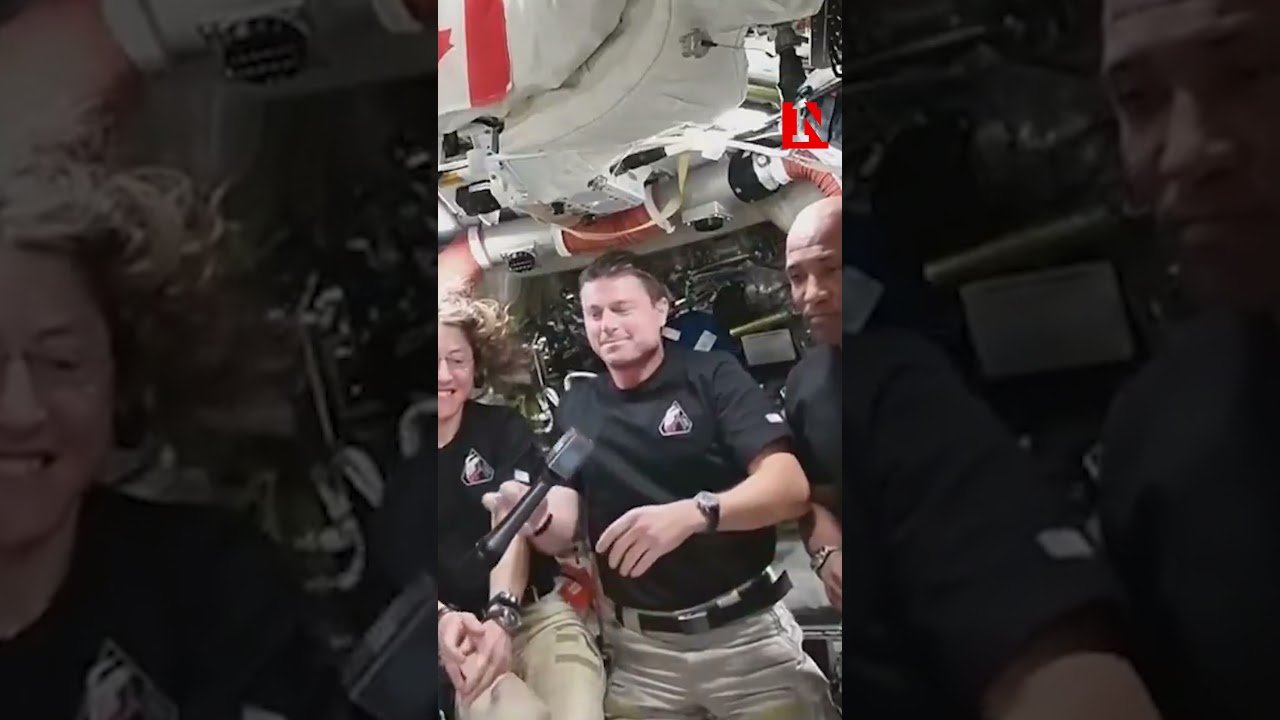
The four astronauts are NASA Commander Reid Wiseman, Pilot Victor Glover, Mission Specialist Christina Koch, and Canadian Space Agency Mission Specialist Jeremy Hansen. This diverse team includes the first woman, first Black astronaut, and first non-American on a lunar mission.
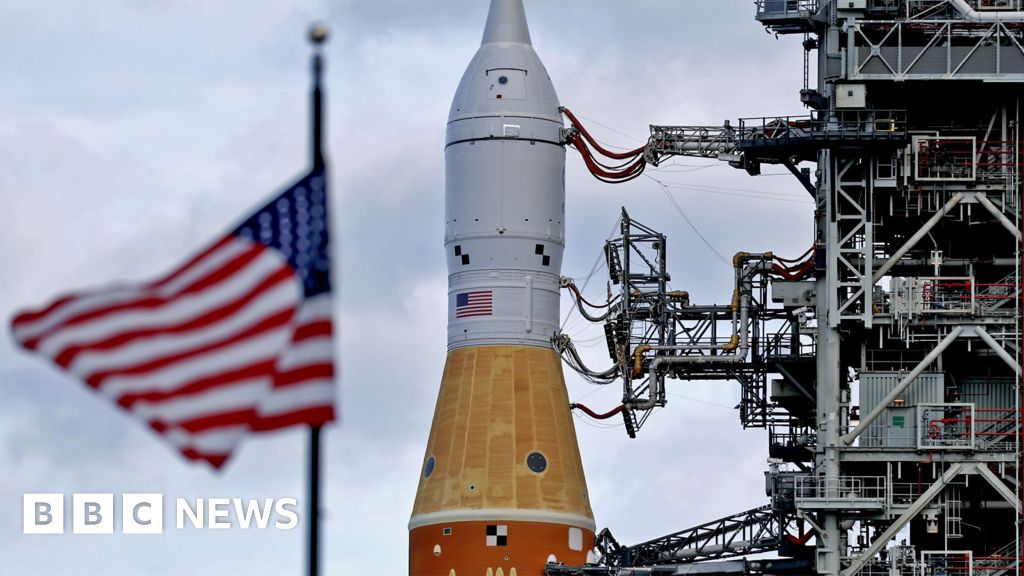
Artemis II tests the Space Launch System (SLS) rocket and Orion spacecraft with humans aboard, flying around the Moon without landing to validate deep-space systems. The mission reached its peak on April 6 when the four-person crew completed a historic lunar flyby and set a new human distance record from Earth.
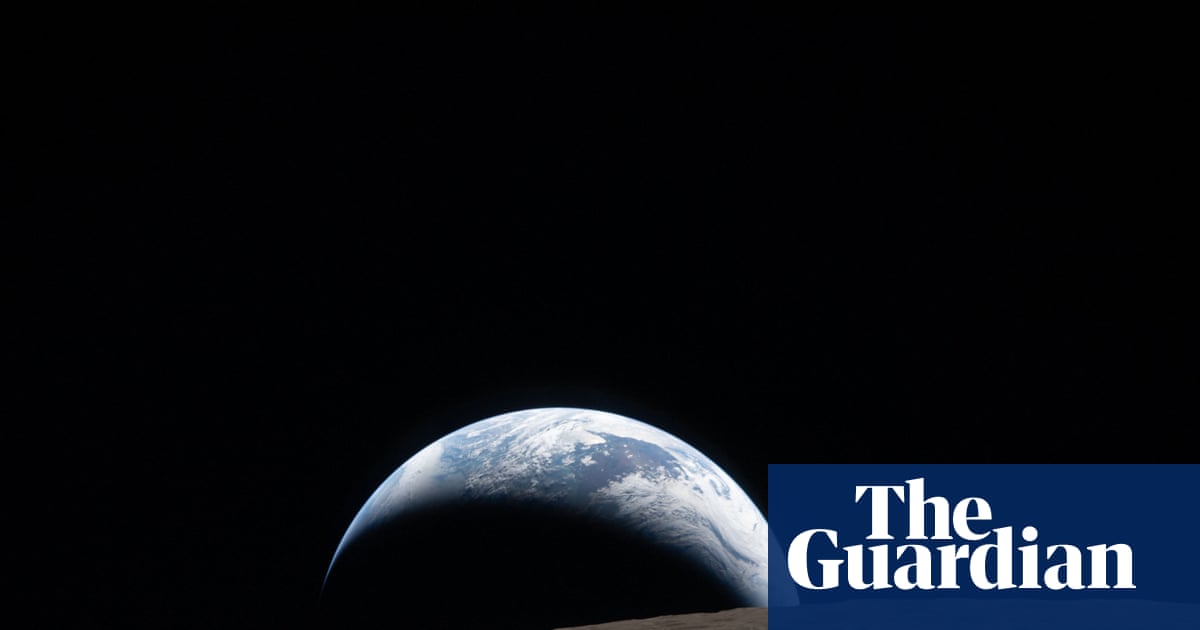
The Orion spacecraft, named Integrity, passed approximately 4,067 miles (6,545 km) above the lunar surface. During this time, the astronauts became the first humans to view large daylight portions of the Moon’s far side with their own eyes.
The crew witnessed a total solar eclipse from behind the Moon and reported seeing “impact flashes” from meteoroids striking the lunar surface.

Conversation with President Trump
President Trump spoke with the Artemis II astronauts via satellite on April 6, 2026, shortly after they emerged from the Moon’s far side. The roughly 12-minute live call included praise for their historic flight, questions about their experiences, and an invitation to the White House upon return.
Trump called the crew “modern-day pioneers” who made America proud and broke distance records beyond Apollo missions. Astronaut Victor Glover described the comms blackout as peaceful, saying he “said a little prayer” before focusing on lunar observations. The exchange featured a 63-second awkward silence, brief connection concerns, and light moments like Trump referencing Wayne Gretzky for Canadian Jeremy Hansen.
The conversation drew millions of viewers and became a social media meme due to the pauses and Trump’s extended remarks. Media described it as historic, the first such presidential interplanetary chat in over 50 years, tying back to Trump’s Artemis initiative from his first term. Trump plans an Oval Office visit post-splashdown on April 10.

How did China react?
China’s reaction to NASA’s Artemis program is a mix of high-stakes competition, technical scrutiny, and diplomatic criticism. While Chinese officials often publicly downplay the idea of a “space race,” their actions and state media rhetoric suggest they are monitoring the program.
China views Artemis as a US effort to establish “dominance” in space. State media like the Global Times has compared the program to a “space-based NATO” designed to exclude rivals.
Experts note that China is watching every Artemis mission “like a hawk” to glean technical insights and identify vulnerabilities in the American mission architecture, as reported by the South China Morning Post.
China has refused to sign the Artemis Accords, a set of US-led principles for space exploration, criticising them as a “preposterous attempt” to unilaterally set rules for lunar resource exploitation outside of United Nations frameworks.
In direct response, China and Russia are leading the International Lunar Research Station (ILRS), positioning it as a more “inclusive” alternative that better represents a “shared future for mankind”.