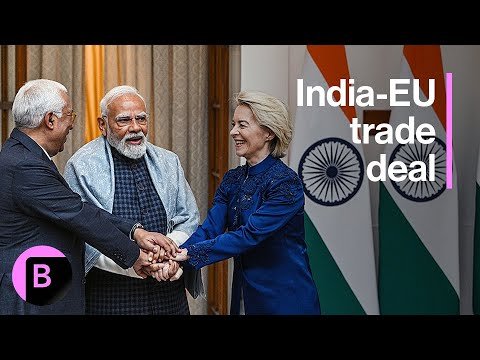
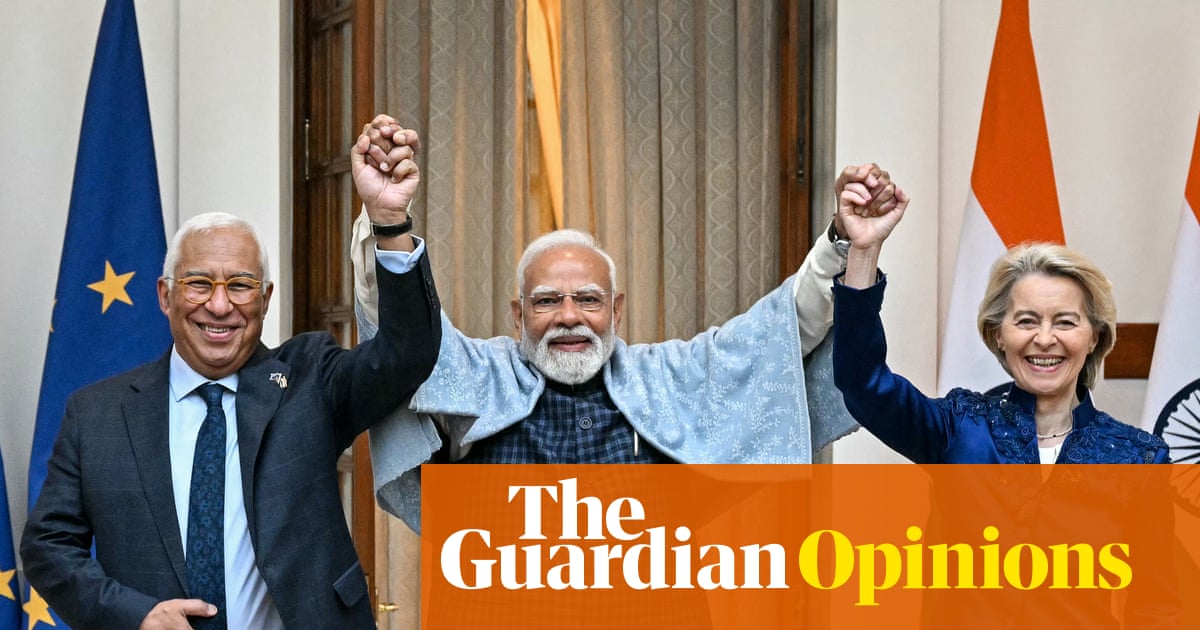
On January 27, 2026, India and the European Union have concluded a long-awaited free trade agreement, marking a significant shift in global trade dynamics as both sides seek to reduce dependence on the United States and China.
The deal comes at a time of rising global trade tensions and is widely viewed as a strategic hedge, particularly as the United States signals a return to more protectionist policies under President Donald Trump.
The agreement reflects a mutual effort to diversify economic partnerships and strengthen resilience against geopolitical and trade uncertainties. Although the deal has been concluded in principle, it will undergo a legal vetting process expected to take five to six months, with formal signing and full implementation anticipated within a year.
One notable omission is immediate relief for India from the EU’s Carbon Border Adjustment Mechanism (CBAM), a levy targeting carbon-intensive imports. However, the EU has pledged €500 million to support India’s transition toward lower emissions, signaling a compromise on climate-related trade frictions.
Key terms
The agreement significantly lowers trade barriers on both sides. India will reduce or eliminate tariffs on 96.6% of EU exports, while the EU will extend similar treatment to 99.5% of Indian goods.
In the automotive sector, India will sharply cut tariffs on European cars, lowering duties from as high as 110% to 30–35% immediately, with a further reduction to 10% over time for a capped volume of imports. Tariffs on European wines and spirits will also fall steeply, dropping from 150% to 75% initially and eventually to 20%.
For India, the deal opens up expanded access to European markets for key export sectors such as textiles, leather, gems, and jewelry, many of which are expected to benefit from duty-free or reduced-tariff treatment. The agreement also deepens cooperation in services and investment, granting European firms greater access to India’s financial and maritime sectors while strengthening intellectual property protections.
Reactions
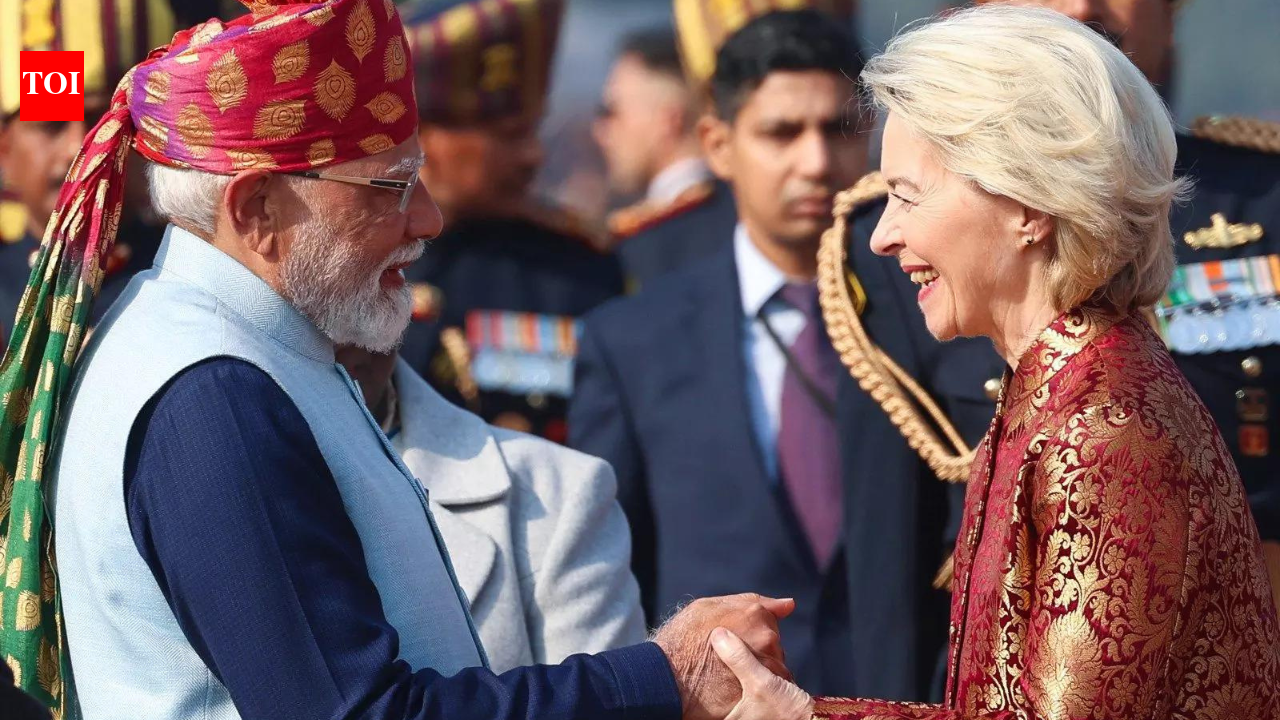
European Commission President Ursula von der Leyen hailed the agreement as a defining moment, describing it as a deal between two major economic powers and a win for rules-based global trade.
Indian Prime Minister Narendra Modi framed the pact as a reflection of shared democratic values and commitment to the rule of law. However, domestic critics have been more cautious. Opposition figures, including Congress leader Jairam Ramesh, argue the agreement is overstated, warning that India conceded too much on tariffs without securing exemptions from EU carbon taxes.
The United States has responded sharply. Treasury Secretary Scott Bessent criticized the EU for prioritizing trade over geopolitical alignment, accusing it of undermining efforts related to Russia. US Trade Representative Jamieson Greer similarly argued that the agreement disproportionately benefits India by granting it favorable access to European markets.
Elsewhere in the region, analysts in Bangladesh have raised concerns that the deal could erode the country’s competitive edge in the European apparel market, where it has historically benefited from more favorable tariff treatment than India.
Industry impact
The agreement is expected to reshape several industries across both regions. European automakers have welcomed the deal as a breakthrough into India’s previously protected market, with industry groups calling it a landmark moment. In contrast, Indian car manufacturers have reacted cautiously, with shares of companies such as Tata Motors and Mahindra falling amid concerns about increased competition in the premium segment.
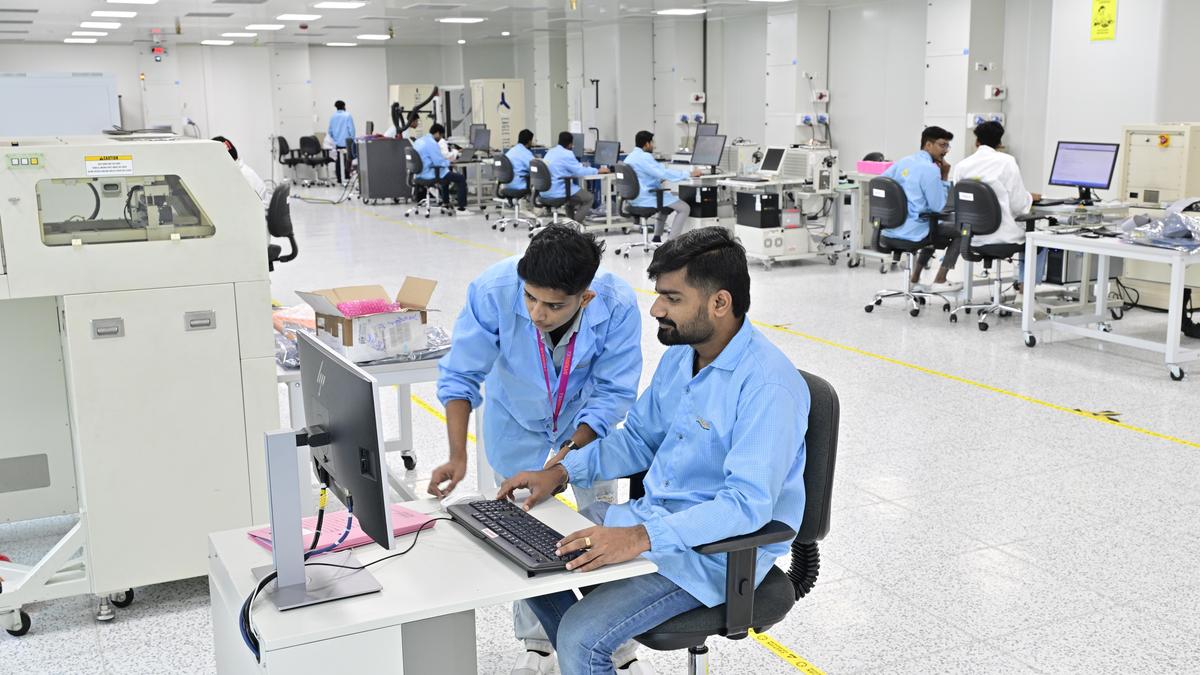
India’s textiles and leather sectors are among the biggest expected winners, with exporters projecting significant growth in European sales. Some firms anticipate increases of up to 20%, particularly as they look to offset the impact of higher tariffs in the US market.
In agriculture, European wine and spirits producers stand to benefit from steep tariff reductions, while India has taken a more defensive stance in sensitive sectors. Dairy, in particular, remains excluded from the agreement, reflecting concerns over protecting millions of small-scale farmers from foreign competition.
Why it matters
The India-EU trade pact underscores a broader realignment in global trade, as major economies seek to hedge against geopolitical risk and shifting US policy. While the deal opens substantial economic opportunities, it also introduces new competitive pressures and highlights ongoing tensions around climate policy, market access, and strategic alignment.