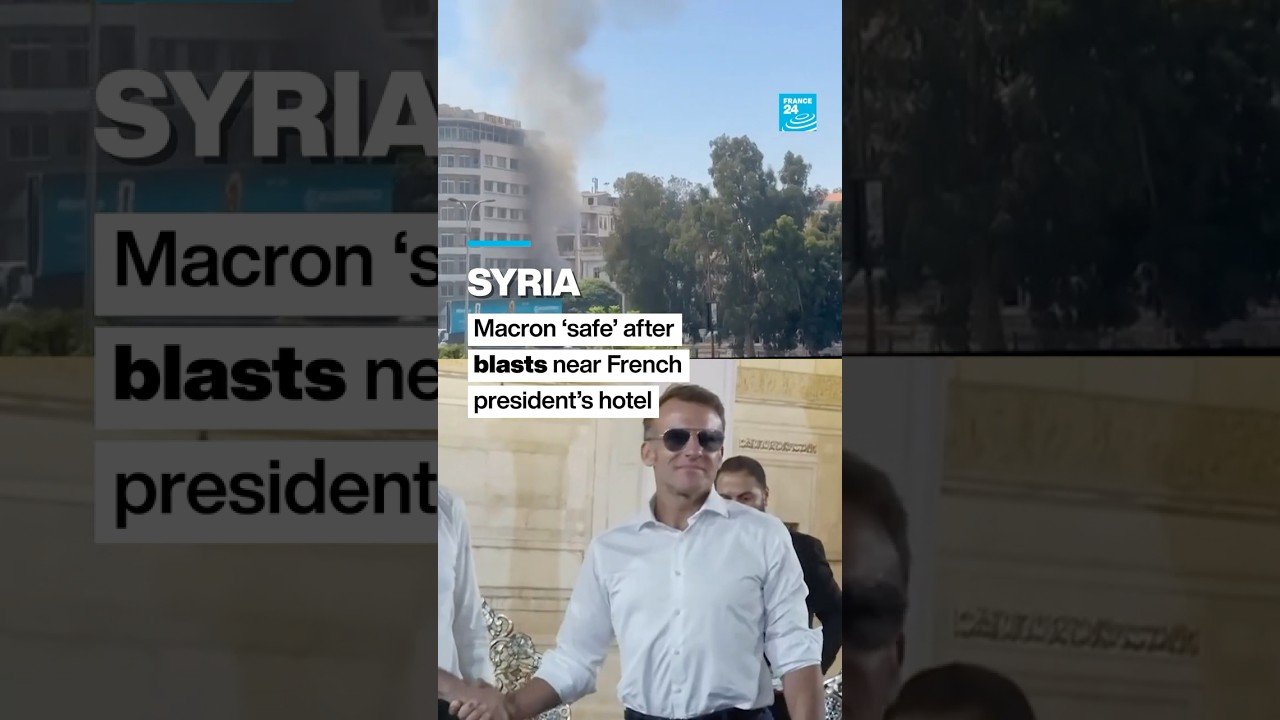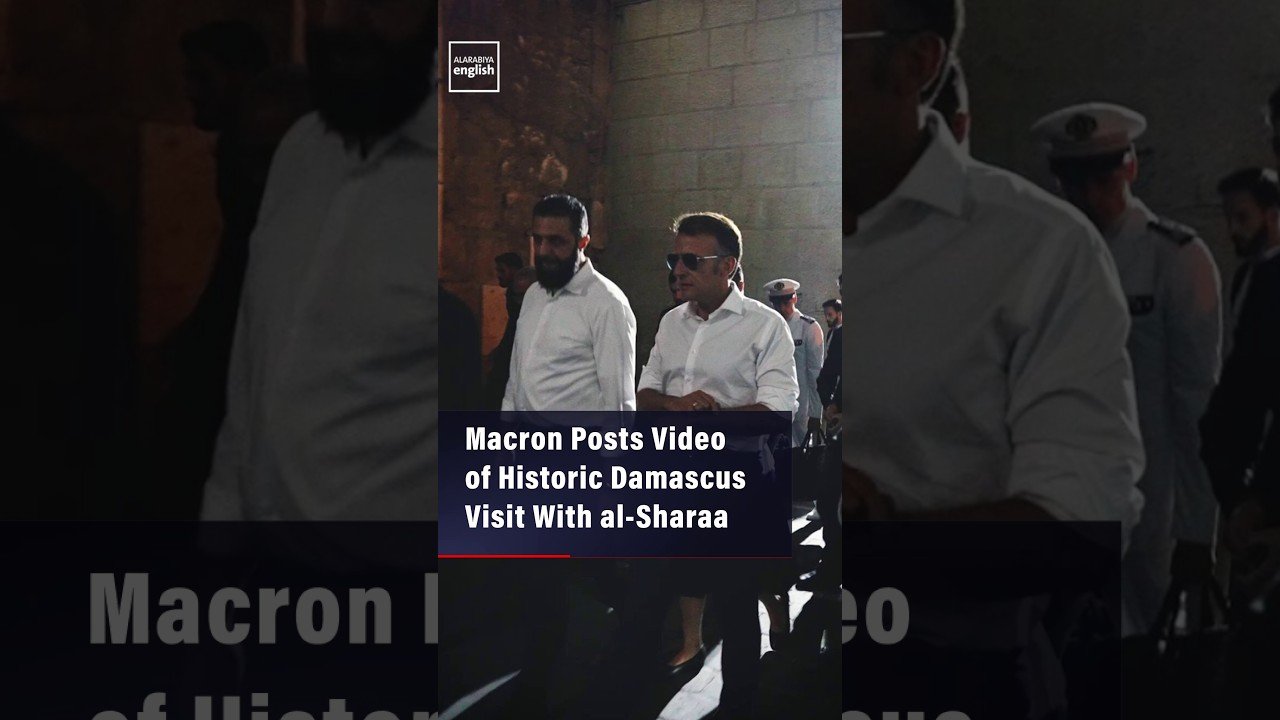
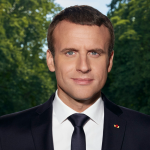






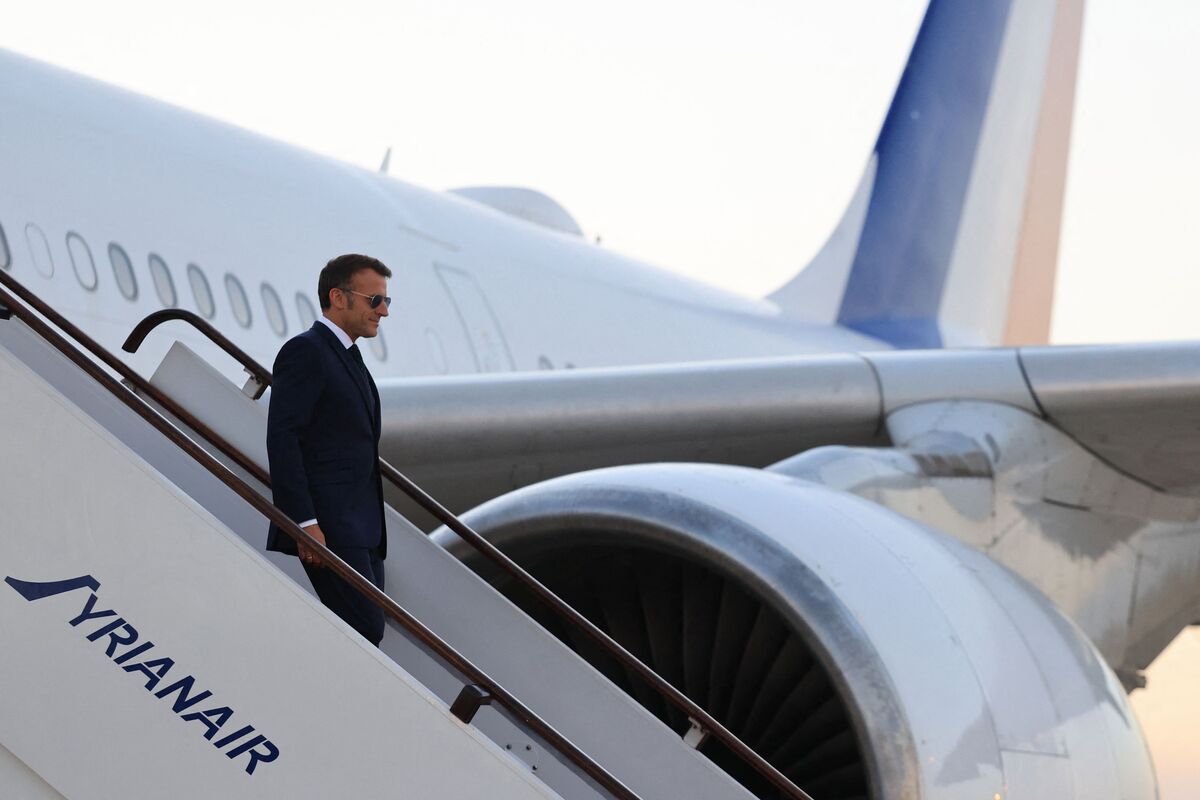


France’s President Emmanuel Macron wrapped up a historic visit to Damascus this week, marking the first trip by a European Union head of state to Syria since the fall of Bashar al-Assad — but the diplomatic breakthrough was dramatically overshadowed by a deadly bombing and subsequent counterterrorism arrests.
Macron’s two-day visit signaled a decisive shift in Europe’s approach to post-Assad Syria, as he met newly installed President Ahmed al-Sharaa to formalize normalization after more than a decade of isolation.
Je viens dire l’engagement de la France auprès du peuple syrien. Pour une Syrie souveraine, unie dans sa pluralité et en paix avec ses voisins. Ensemble, ouvrons une nouvelle page de stabilité et de paix.
— Emmanuel Macron (@EmmanuelMacron) July 6, 2026
سعدت باستقبال فخامة الرئيس الفرنسي إيمانويل ماكرون @EmmanuelMacron في دمشق، مدينة التاريخ والحضارة، في زيارة تؤسس لمرحلة جديدة في العلاقات السورية الفرنسية، قوامها الاحترام المتبادل والمصالح المشتركة.
— أحمد الشرع (@AH_AlSharaa) July 7, 2026
وقد أثمرت مباحثاتنا عن خطوات عملية لتعزيز التعاون بين بلدينا، أبرزها تبادل… pic.twitter.com/fUycYyJDoW
Historic reset amid fragility
The trip produced tangible outcomes. France and Syria agreed to fully restore diplomatic relations, including the return of ambassadors for the first time in roughly 14 years. Paris also positioned itself as a key partner in Syria’s reconstruction, with 15 agreements spanning infrastructure, energy, logistics, and security cooperation.
Major French firms moved quickly. Shipping giant CMA CGM secured a deal tied to air cargo operations at Damascus International Airport, while TotalEnergies began discussions on offshore oil and gas exploration — a sign that Western capital may begin re-entering the Syrian market after years of sanctions and war.
At the geopolitical level, Macron sought to define red lines. He warned Damascus against any renewed intervention in Lebanon — a message al-Sharaa publicly accepted — while also opening the door to future French military cooperation against remaining Islamic State (IS) cells inside Syria.
Cultural restitution and state legitimacy
Beyond economic deals and security cooperation, France also moved to reinforce Syria’s post-war legitimacy through restitution efforts tied to both financial and cultural assets.
Paris confirmed it would begin legal proceedings to return €51million in confiscated assets linked to Rifaat al-Assad, framing the move as a transfer back to the Syrian state rather than to individuals associated with the former regime. The decision is intended to support reconstruction financing while signaling recognition of Syria’s new political leadership.
French officials also indicated broader cooperation on cultural heritage, including the potential return of Syrian artefacts and antiquities removed or trafficked during the war years. While specific items have not yet been publicly detailed, the initiative reflects growing international pressure to repatriate cultural property displaced during the conflict.
For Damascus, these moves carry symbolic weight. The recovery of financial resources and cultural heritage is being positioned by the new government as part of rebuilding national identity and institutional legitimacy after years of fragmentation. For France, it represents a soft-power complement to its economic and diplomatic re-engagement — reinforcing its role not just as an investor, but as a partner in Syria’s state restoration.
La France a conservé des trésors archéologiques syriens pendant des années de guerre, pour les protéger de la destruction et des trafics. Ils sont de retour. Très fier de les rapporter à Damas. pic.twitter.com/E9QL2aflGJ
— Emmanuel Macron (@EmmanuelMacron) July 7, 2026
Bombings near Macron’s Hotel
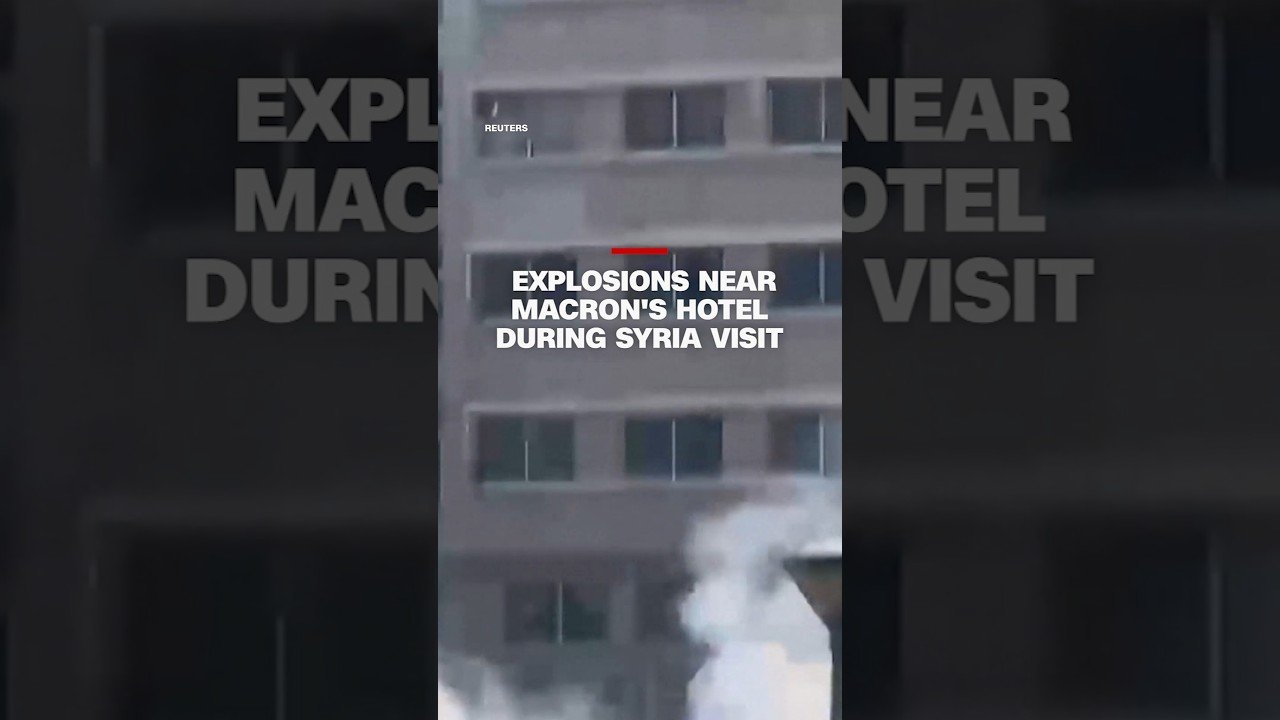
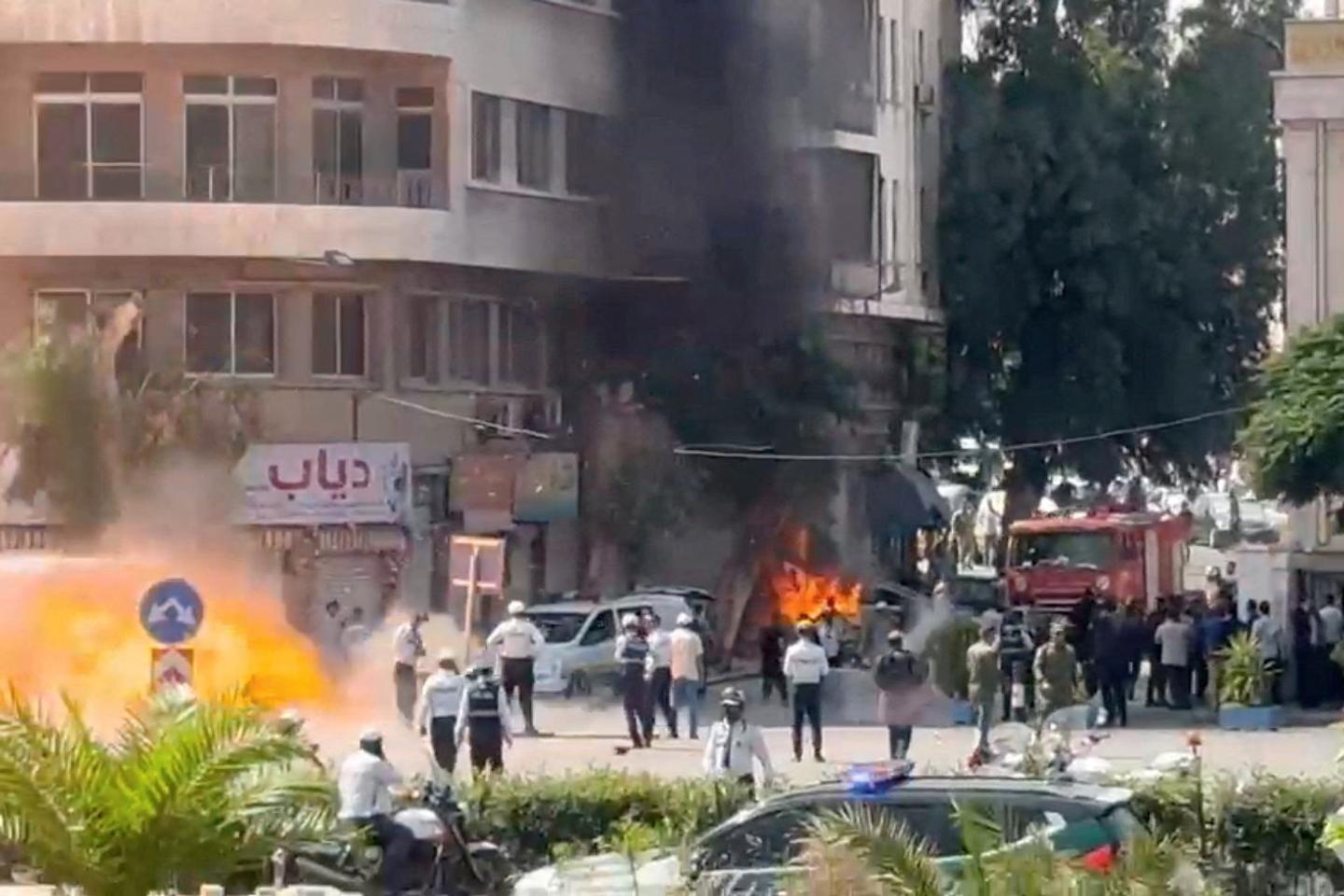
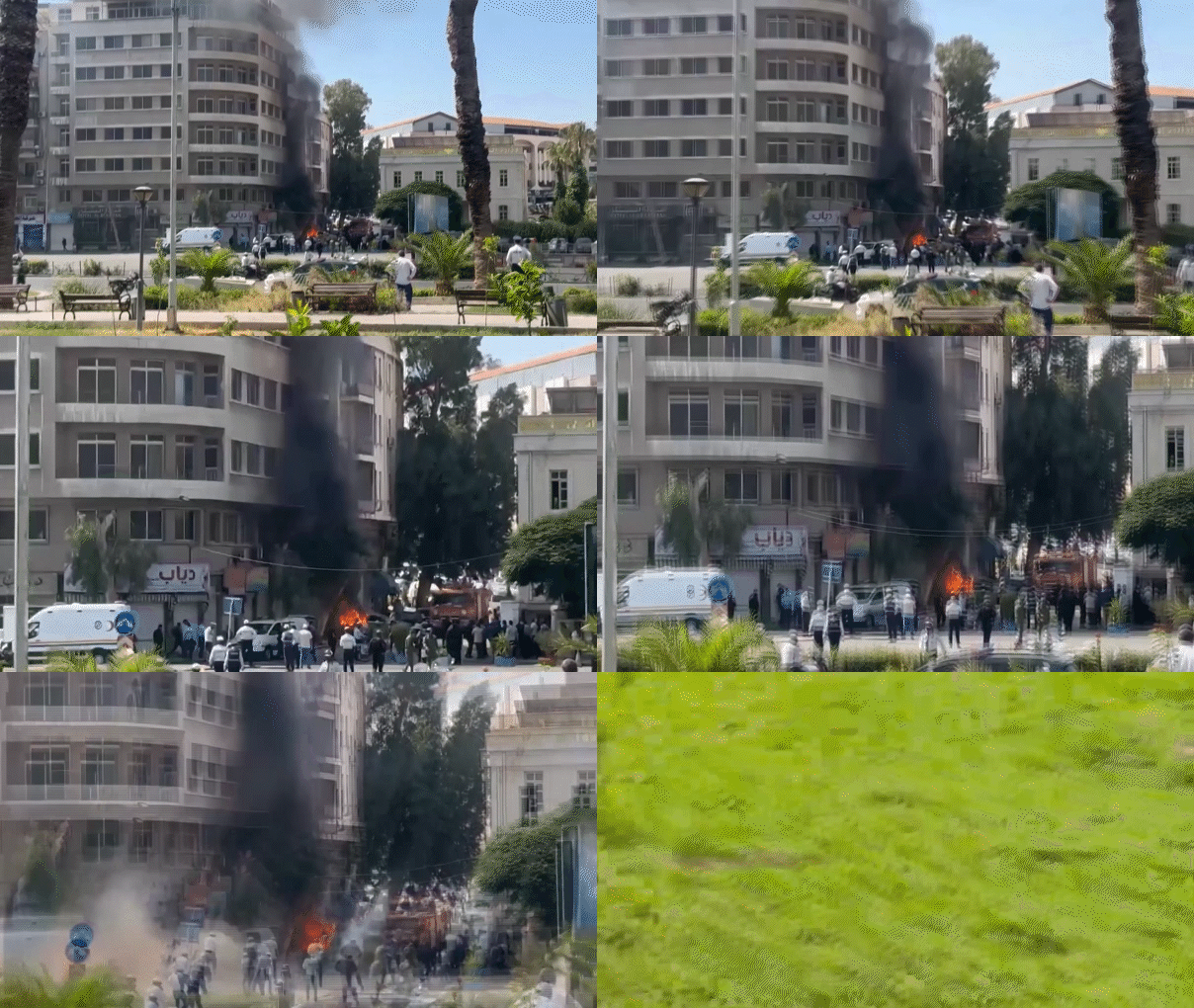
The fragile security environment was laid bare on July 7, when two improvised explosive devices detonated in central Damascus, close to both the Ministry of Tourism and the Four Seasons Hotel where Macron’s delegation was staying.
According to Syrian and international reports:
- One device was concealed in a trash container, the other in a parked vehicle.
- Both detonated as security teams attempted to neutralize them.
- The blasts killed one civilian and injured at least 36 people, including police officers and a senior tourism official.
Macron himself was not in immediate danger. His motorcade had departed the area shortly before the explosions, and French officials said the delegation neither heard nor felt the blasts.
Still, the incident marked one of the most high-profile security breaches in Damascus since the political transition — and underscored the ongoing threat from militant networks despite the government’s claims of stabilization.
Arrest of ISIS-linked cell
In a rapid response, Syrian authorities announced on July 9 that they had dismantled the network responsible for the attack.
Interior Ministry officials said:
- An ISIS-linked terrorist cell was identified and captured.
- Coordinated raids were carried out across four neighborhoods in Damascus.
- Multiple suspects were arrested, and weapons and explosive materials were seized.
While full operational details were not publicly disclosed, officials framed the arrests as evidence of improved intelligence capabilities under the new government and a warning that Islamic State remnants remain active but penetrable.
The speed of the arrests — within 48 hours of the attack — was notable, suggesting both heightened security coordination during Macron’s visit and a desire by the new leadership to project control and reliability to international partners.
A new era for Syria
Macron’s visit reflects a broader recalibration by Western powers: engaging Syria’s new leadership to counter extremism, stabilize migration flows, and gain early access to reconstruction opportunities.
However, the Damascus bombings highlight the central contradiction facing that strategy. While diplomatic normalization is accelerating, the security landscape remains volatile, with ISIS and other militant networks still capable of high-impact attacks — particularly during symbolic political moments.
For France and other potential investors, the message is mixed: Syria is reopening for business, but the risks remain immediate and real.
Macron’s decision to continue the visit despite the attack — and proceed onward with al-Sharaa to the NATO summit in Ankara — signals a willingness to accept those risks in pursuit of long-term strategic influence in the region.