

US and Iran pause strikes as diplomacy opens a narrow window

In this story
Jump to Timeline

Key Reporting

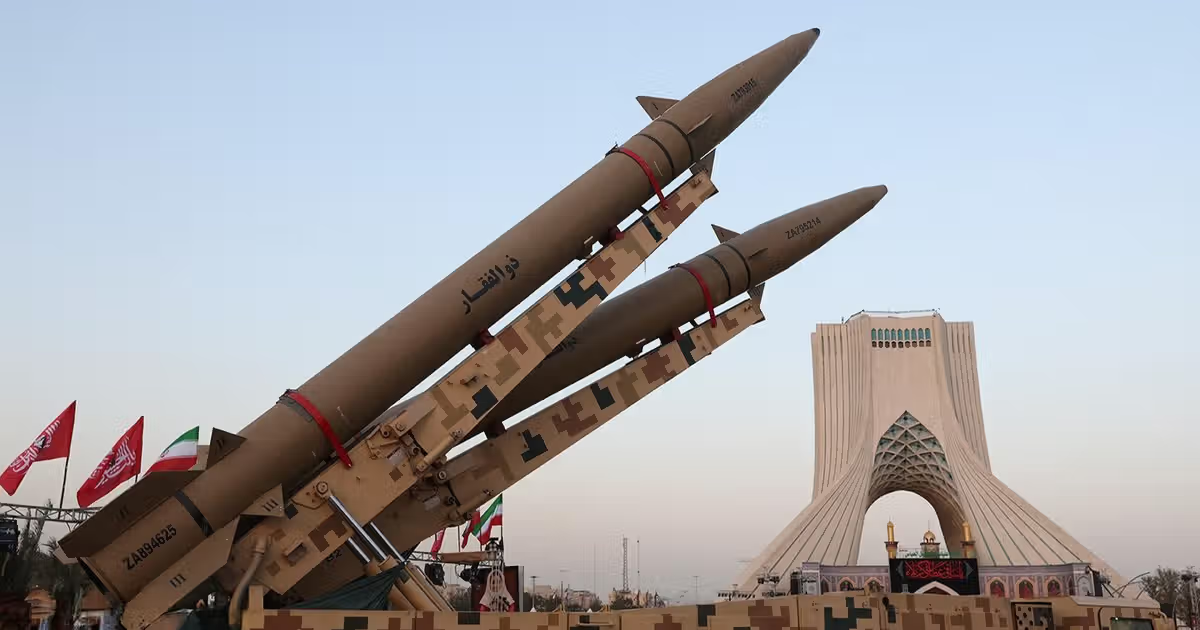
The United States and Iran have paused military strikes after nearly two weeks of escalating attacks, creating a fragile opening for renewed diplomacy even as both sides keep military forces ready. The pause comes amid efforts by regional intermediaries to prevent the conflict from widening further.

The US halted its recent strike campaign after 13 consecutive nights of attacks, while Iranian forces also stopped retaliatory strikes for the time being. The quiet has created room for behind-the-scenes talks, but neither side has signaled that the conflict is over.

Iranian officials have said they will stop attacks only as long as the US maintains its own pause. That means the current calm is tactical rather than a formal ceasefire.

Stockpiles and operational limits

One reported reason for the pause is that the US may have already used much of its preselected target list. Advisers reportedly told President Donald Trump that the bombing campaign had largely exhausted the most immediate targets available in Iran.

There are also growing concerns about stockpiles of precision munitions and air-defense interceptors. Analysts and military officials have warned that both sides are operating with tighter inventories after days of sustained conflict, even though the White House has publicly downplayed those constraints.

Diplomacy through intermediaries

There are no direct US-Iran negotiations at the moment. Instead, talks are being carried through intermediaries, with Oman playing the main role and Qatar and Pakistan also helping pass messages.

The immediate diplomatic focus is the Strait of Hormuz, where maritime security has become the central issue. Any longer-term deal would likely also have to address Iran’s nuclear program, sanctions relief, and regional proxy activity.

Economic pressure builds

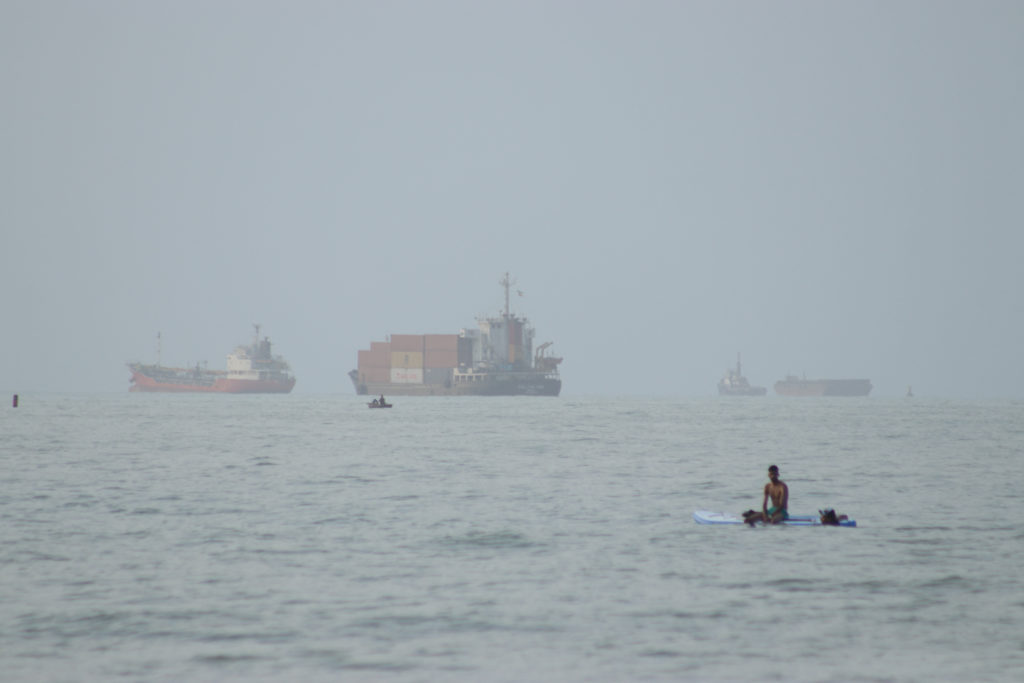
The pause in fighting has eased some market fears, and oil prices fell as traders responded to the sudden calm. But the conflict has already caused major disruptions in shipping through the Strait of Hormuz, which remains a critical chokepoint for global energy supplies.

That economic pressure is one reason the current pause matters. Even a temporary halt in strikes can reduce the risk of a wider energy shock.

Political stakes in Washington

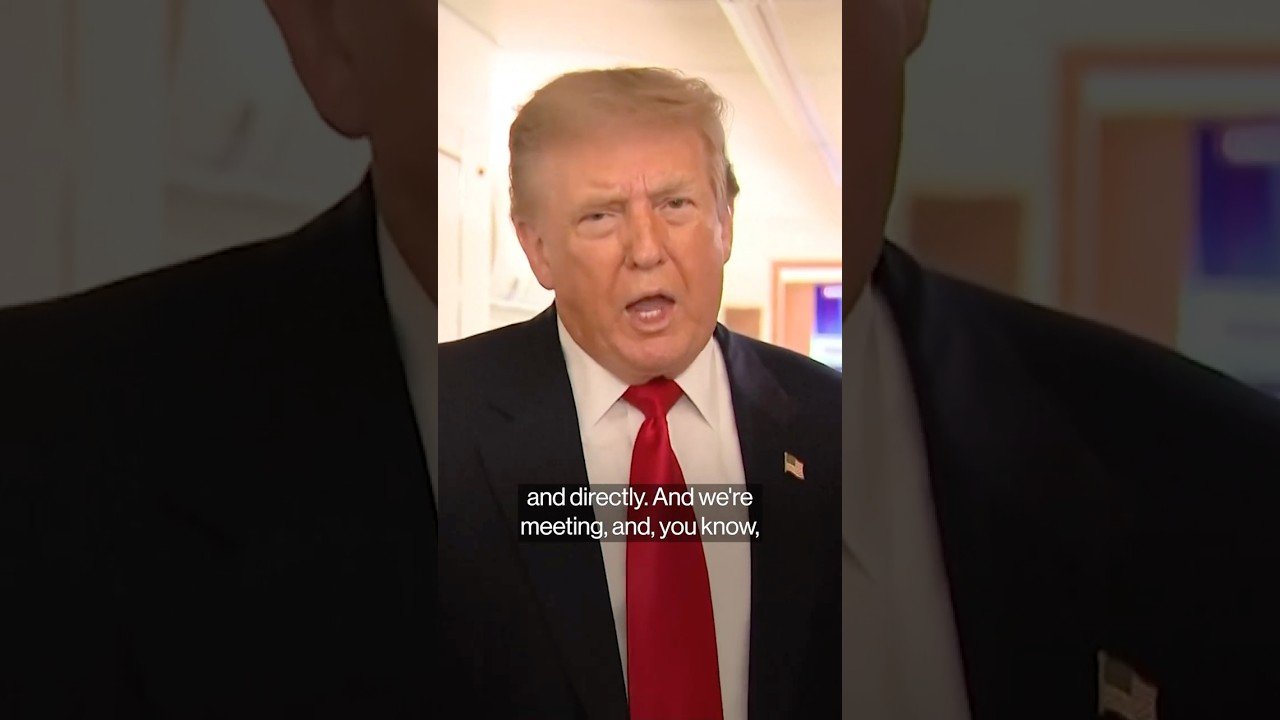
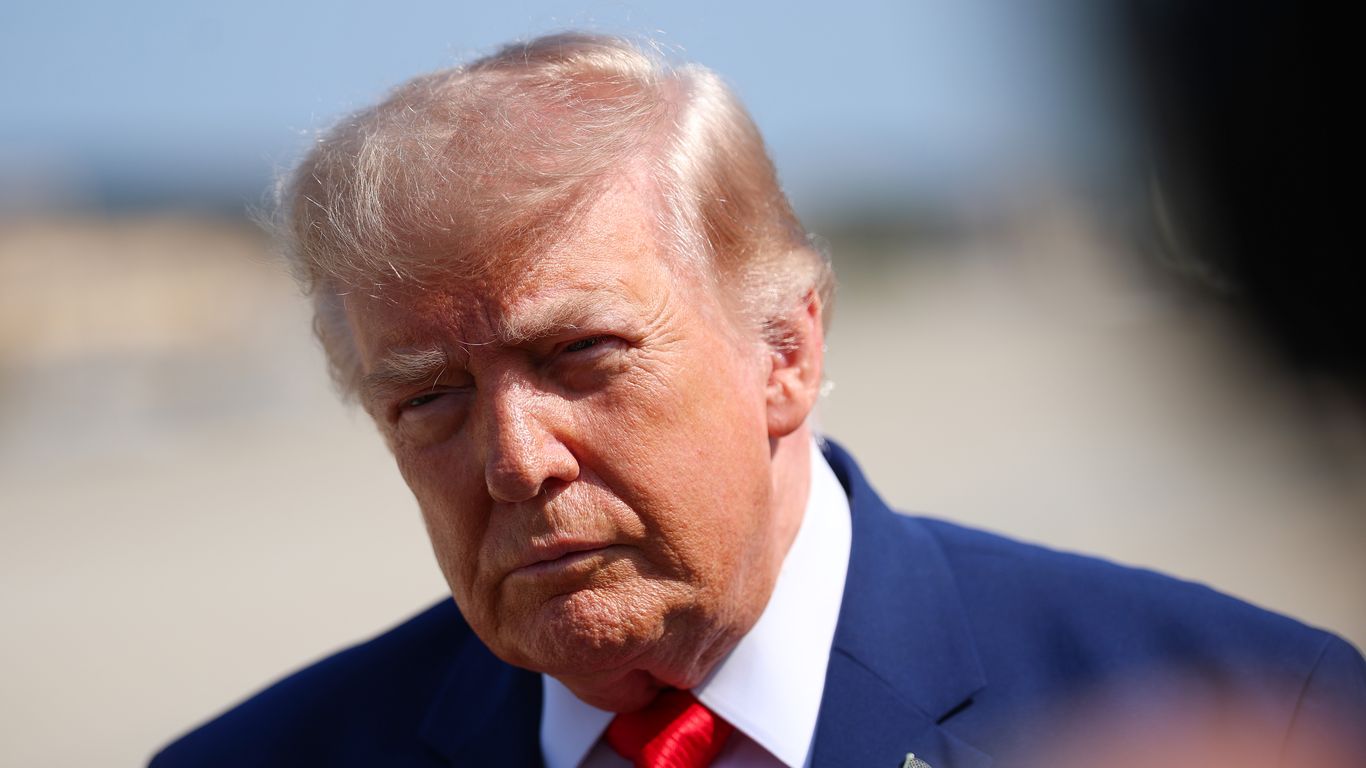
The ceasefire opening also comes as Israeli Prime Minister Benjamin Netanyahu is meeting President Trump in Washington. Iran is expected to be a major topic, especially as Trump weighs how far to push diplomacy before returning to military action.

That makes the current pause especially delicate: it may be the start of a negotiation track, or only a brief break before hostilities resume.
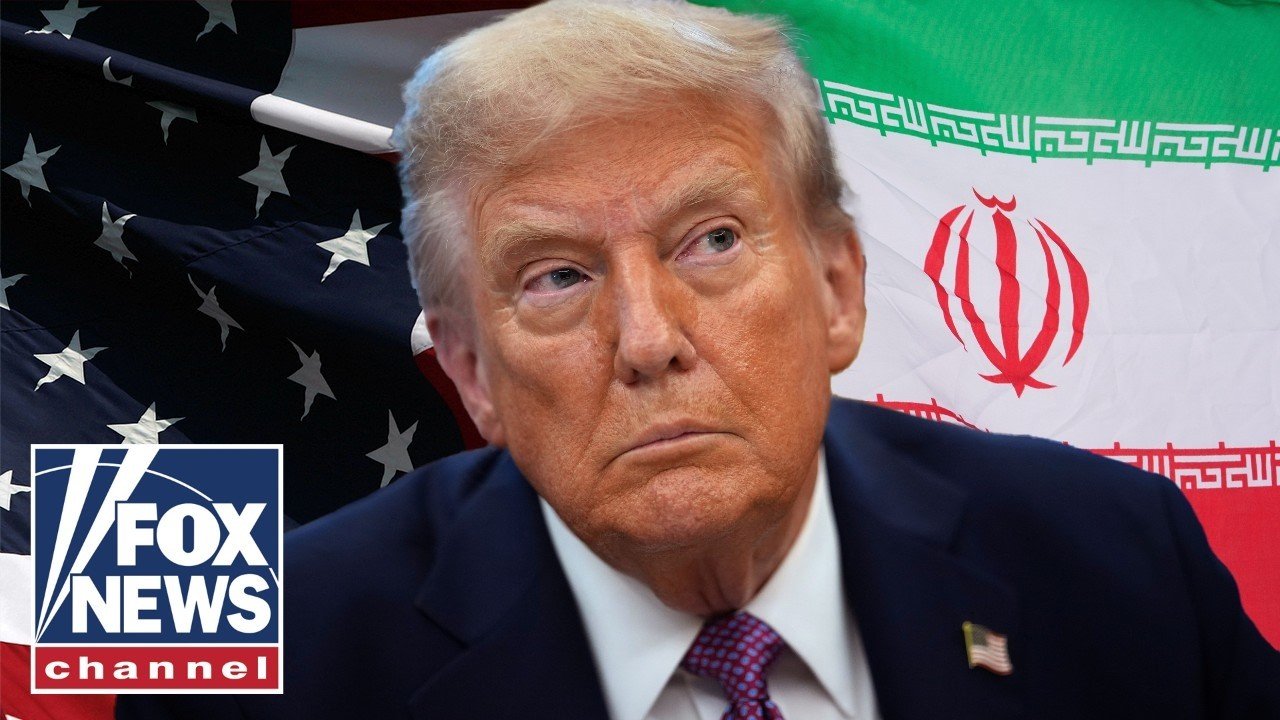
youtube placeholder image
Timeline

Feb 28: The U.S. and Israel launch Operation Epic Fury. Coordinated preemptive airstrikes hit Tehran and destroy military infrastructure.

The opening salvo kills Iranian Supreme Leader Ayatollah Ali Khamenei and other high-ranking officials.

Iran immediately responds with massive retaliatory ballistic missile and drone barrages against Israel and U.S. bases in the Gulf.

Mar 2: Iran’s regional ally, Hezbollah, officially enters the war. They launch intense rocket barrages into northern Israel from Lebanon.

Mar 8: In a move signaling regime continuity and defiance, an assembly of Shiite clerics appoints Mojtaba Khamenei (the son of the slain leader) as Iran’s new Supreme Leader.

Mar 11 to 13: Iran targets commercial shipping lanes. They effectively enforce severe restrictions over the Strait of Hormuz, causing global oil prices to skyrocket.

Apr 7: Facing compounding infrastructure damage, both nations agree to a tenuous two-week ceasefire brokered by Pakistan.

Apr 11 to 13: U.S. and Iranian delegations hold direct, historic face-to-face talks in Islamabad. However, the meetings collapse without a permanent agreement.

In response, President Donald Trump announces a comprehensive naval blockade of Iranian ports.

Apr 21: President Trump extends the bilateral ceasefire indefinitely to allow neutral mediators to exchange draft proposals.

May 31: While the U.S.-Iran frontline remains quiet under the truce, regional proxy fighting surges. Israeli ground forces initiate a deep military invasion into southern Lebanon to clear out Hezbollah rocket sites.

Jun 17: Following months of backchannel talks, the U.S. and Iran sign a 14-point Memorandum of Understanding (MOU).

The interim agreement formalizes the ceasefire, ends the U.S. naval blockade, and waives specific oil sanctions in exchange for reopening the Strait of Hormuz.

This kicks off a 60-day window to negotiate a permanent peace deal.

Jul 6 to 7: The June agreement completely unravels. Iran attempts to assert full control over maritime routes and collect transit fees. They fire upon three commercial vessels in the Strait of Hormuz.

Jul 7: Citing a breach of the MOU, President Trump declares the truce officially over. The U.S. and Israel resume heavy, consecutive nightly bombing campaigns inside Iran.

Jul 23: Following nearly two weeks of intense exchanges—and the deaths of four American service members—the last active airstrikes are recorded.

Jul 26 to 27: The current pause goes into effect. Top commanders advise Trump that pre-selected target lists are depleted. Both sides temporarily halt operations.

This creates an opening for third-party mediators in Oman, Qatar, and Pakistan to resume backchannel diplomacy.

You may also be interested in

LEAVE A REPLY

Please enter your comment!
Please enter your name here