The 80th session of the United Nations General Assembly (UNGA 80) opened on September 9, 2025, under the theme “Better Together: 80 years and more for peace, development and human rights.”
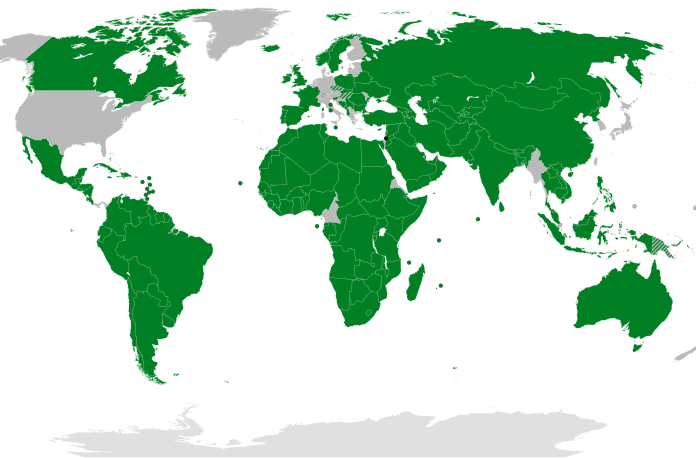
The high-level General Debate from September 23 to 29 was presided over by Germany’s Annalena Baerbock, who emphasized that the multilateral system is under heavy attack. A defining moment was the formal recognition of Palestinian statehood by France, Australia, Canada, Portugal, and the United Kingdom. By the end of the session, 157 out of 193 UN member states, or 81%, recognized Palestine as a sovereign nation.
Gaza dominated discussions with 151 speakers referencing the crisis. Forty-four countries referred to the situation as genocide, a significant increase from previous years. Ukraine was mentioned by 106 countries, though several states notably avoided explicitly naming Russia in their addresses. Sudan, while fueling the world’s largest humanitarian crisis, received underwhelming attention compared to other conflicts, mentioned by only 62 countries.
UN Secretary-General António Guterres launched a sweeping reform agenda to address a severe liquidity crisis. Key proposals include a 15% reduction in the UN core budget for 2026, which would eliminate nearly 2,680 jobs. World leaders officially launched a framework for inclusive and accountable AI governance on September 25. Guterres urged that no machine should decide who lives or dies.
US President Donald Trump’s Address
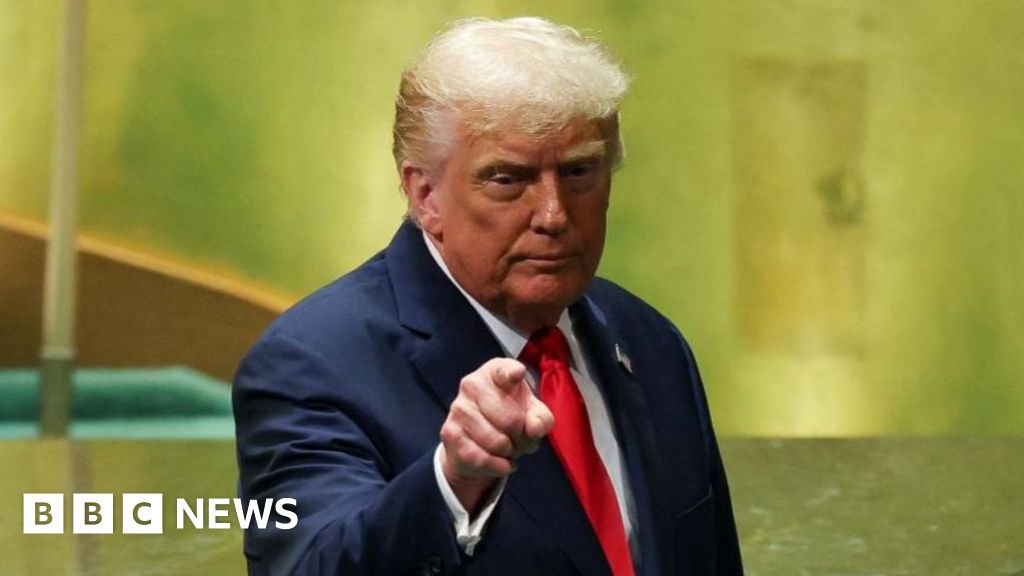
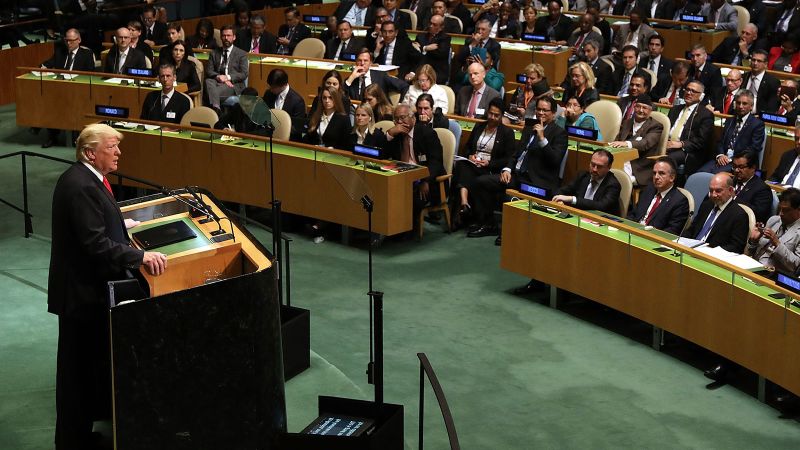
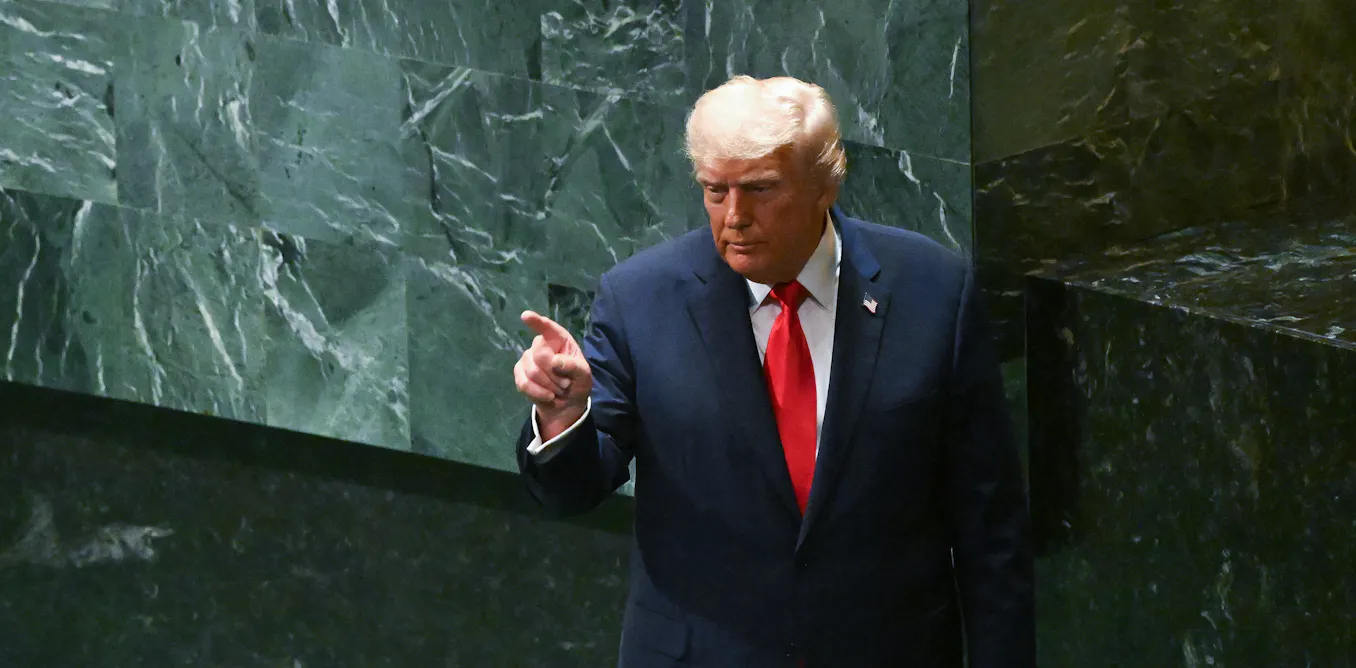
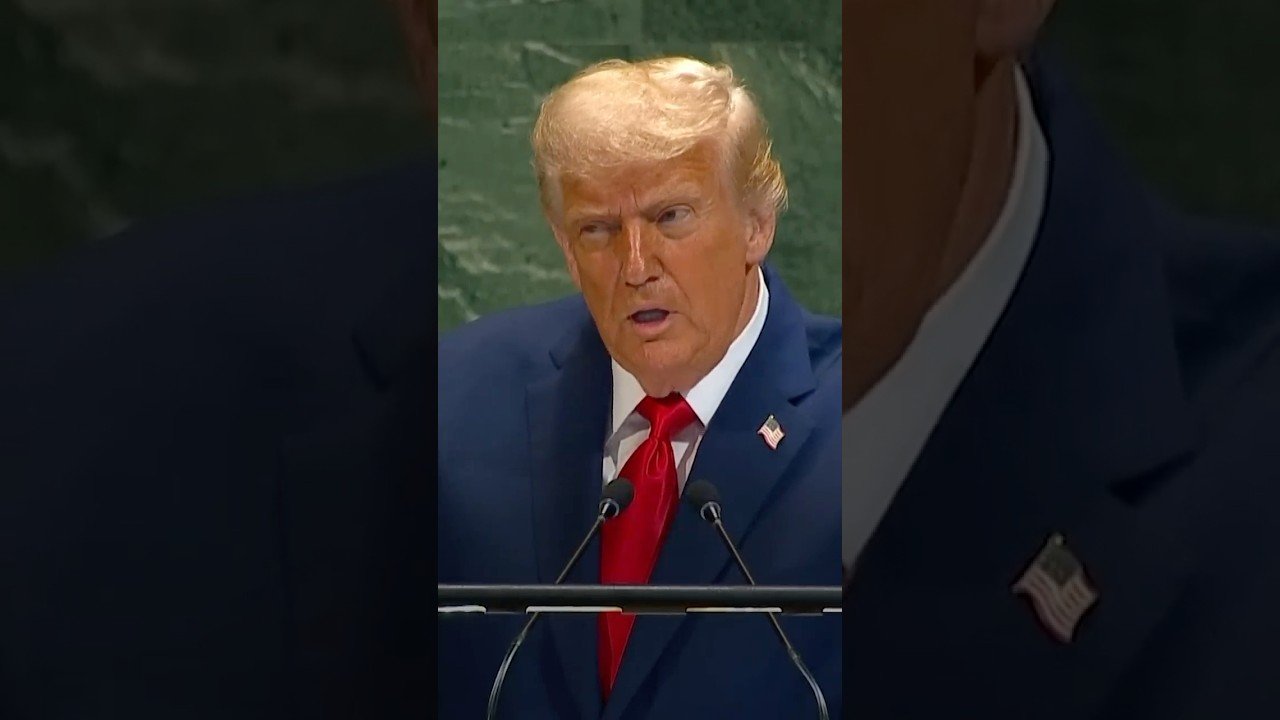
President Donald Trump delivered a combative 57-minute address to the 80th session of the UN General Assembly on September 23, 2025. Trump criticized world leaders, particularly in Europe, for their immigration and energy policies, calling them a double-tailed monster destroying national heritage and saying your countries are going to hell.
He dismissed climate change as the greatest con job ever and urged nations to abandon green energy scams. Trump questioned the purpose of the UN, claiming it only writes strongly-worded letters while he personally ended seven wars in seven months. He condemned the move by many nations to recognize Palestinian statehood, calling it a reward to Hamas.
Trump touted Operation Midnight Hammer, claiming American B-2 bombers obliterated Iran’s key nuclear facilities three months prior to the assembly. He claimed his administration had achieved zero illegal admissions for four consecutive months and urged European leaders to follow his lead in deportations.
Israeli Prime Minister Benjamin Netanyahu’s Speech
Additional sources: Reuters, BBC, CNN, MS Now, Al Jazeera, Middle East Monitor
Israeli Prime Minister Benjamin Netanyahu sharply criticized several Western nations for recognizing a Palestinian state during a fiery address at the UN General Assembly. He denounced the recognitions as a mark of shame, claiming they conveyed the message that murdering Jews pays off.
As Netanyahu began his speech, dozens of officials and diplomats walked out, leaving much of the assembly hall nearly empty. Meanwhile, protesters opposing Israel’s war in Gaza rallied outside in New York’s Times Square.
Iranian President Masoud Pezeshkian’s Speech
Additional sources: Al Jazeera, The Times of Israel, APNews
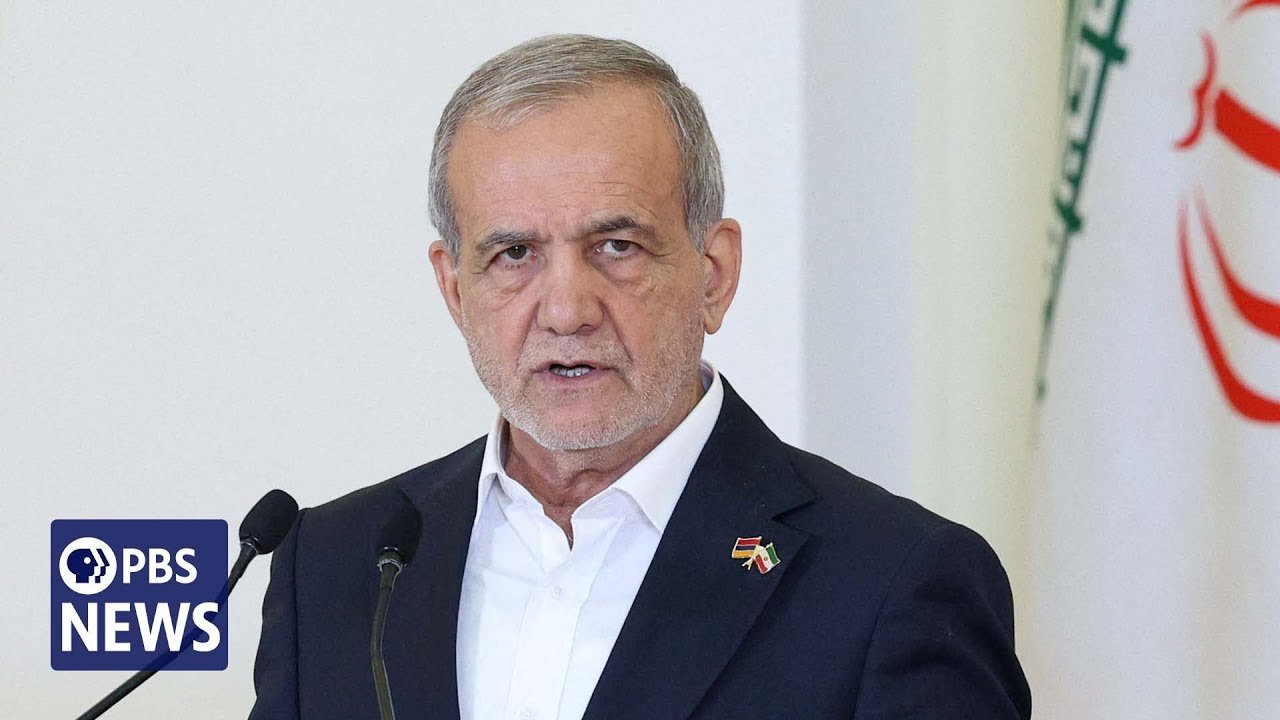
Pezeshkian explicitly stated that Iran has never sought and will never seek to build a nuclear bomb, citing a religious decree from the country’s Supreme Leader as the primary deterrent. He denounced US and Israeli airstrikes on Iranian territory in June 2025 as savage aggression and a grave betrayal of diplomacy that occurred during active negotiations.
He advocated for a regional security system in West Asia based on mutual respect rather than force. He criticized the concept of peace through strength, calling it naked aggression rooted in bullying. He accused Israel of genocide in Gaza and condemned the destruction of homes in Lebanon and the assassination of Iranian scientists.
In a notable stance, he expressed support for a peaceful settlement to the war in Ukraine, calling dialogue the only solution. He accused Western states of destroying the nuclear deal, or JCPOA, and condemned the illegal attempts by three European nations to reinstate UN sanctions.
Ukrainian President Volodymyr Zelensky
Additional sources: BBC, Al Jazeera, France 24, PBS, eunews, NYTimes, The Times, The Guardian
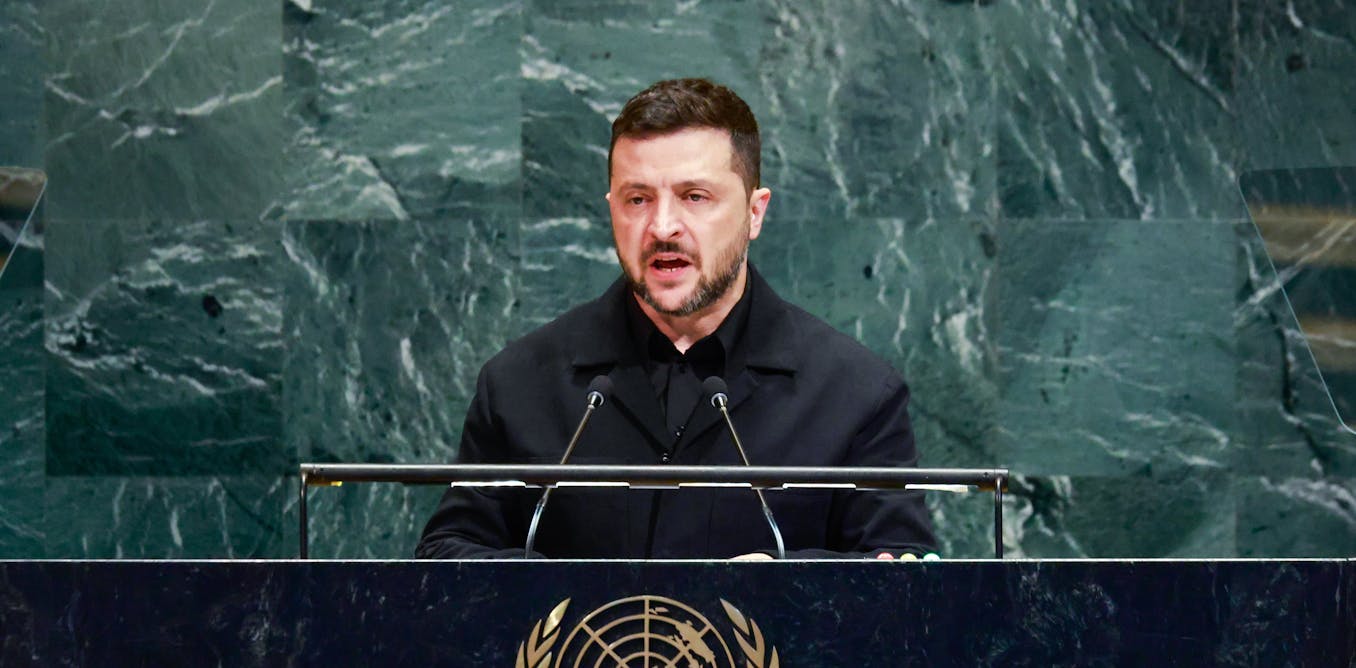
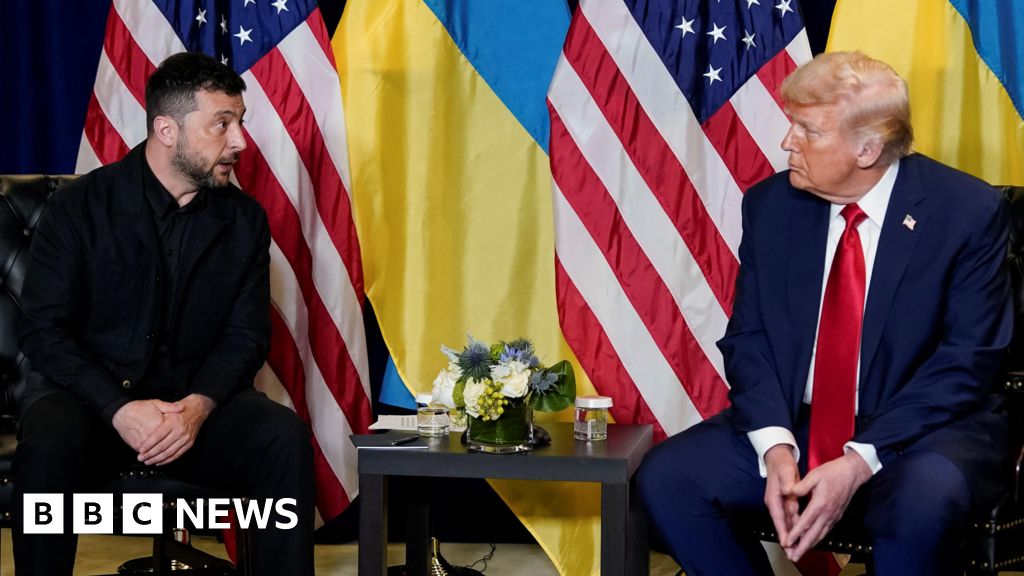
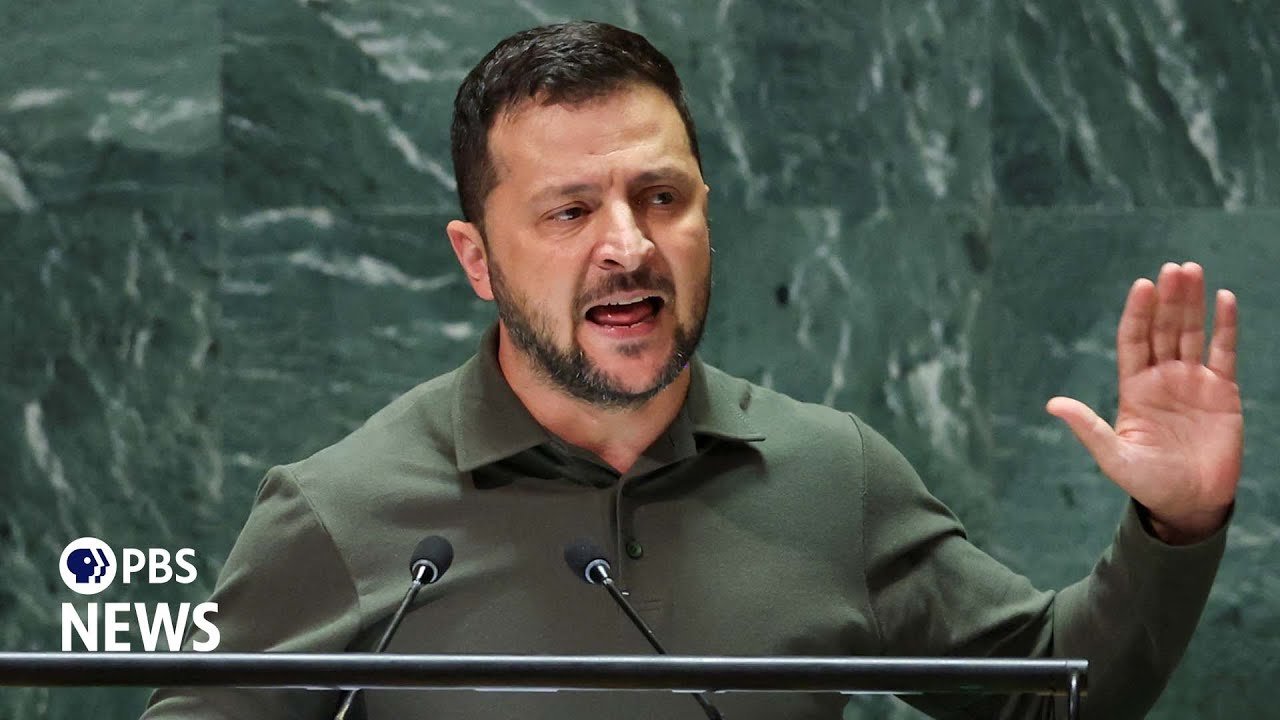
Zelensky argued that in the 21st century, international law and cooperation are failing, and security is only guaranteed by strong alliances, strong partners, and our own weapons. He warned of a dangerous arms race involving drones and Artificial Intelligence, noting that drones are already flying across Europe and calling for urgent global rules to regulate AI in weaponry.
Out of necessity, Ukraine has developed high-tech drones with ranges up to 3,000 km. Zelenskyy announced that Ukraine is ready to open arms exports to share its battle-tested technology with allies. He directly criticized the United Nations, stating that world institutions are currently powerless to stop bloodshed, as seen in Ukraine, Sudan, Somalia, and Palestine.
He pointed to Russia’s veto power and continued presence in the Security Council as evidence of a paralyzed global system. He emphasized that stopping Russia now is cheaper than facing an expanded war later, warning that Ukraine is only the first.
Zelenskyy referenced a productive meeting with Trump the previous day, where Trump had shifted his stance to support Ukraine’s full restoration of territory. He highlighted the slow progress in returning thousands of children abducted by Russia and the continued captivity of hostages in Israel, urging the UN to move beyond just statements.
Chinese President Xi Jinping’s Video Address
Chinese President Xi Jinping delivered a video address at the United Nations Climate Summit on September 24. His address was headlined by the unveiling of China’s new Nationally Determined Contributions for 2035, marking the first time the country has committed to an absolute emissions reduction target.
China pledged to cut economy-wide net greenhouse gas emissions by 7% to 10% from peak levels by 2035. The country aims to expand wind and solar power capacity to over 3,600 gigawatts, more than six times 2020 levels. The share of non-fossil fuels in total energy consumption is targeted to exceed 30%. New energy vehicles are to become the mainstream in new vehicle sales, and total forest stock volume is set to reach 24 billion cubic meters.
Without naming the United States directly, Xi criticized countries moving against the global green transition, referring to Donald Trump’s con job remarks, urging the international community to stay focused on the right direction. He emphasized that the global green transition should narrow the North-South gap and called on developed nations to provide more financial and technical support to developing countries.
Faulty Escalator Incident
Additional sources: BBC, ABC News, NPR, The Guardian, MS Now
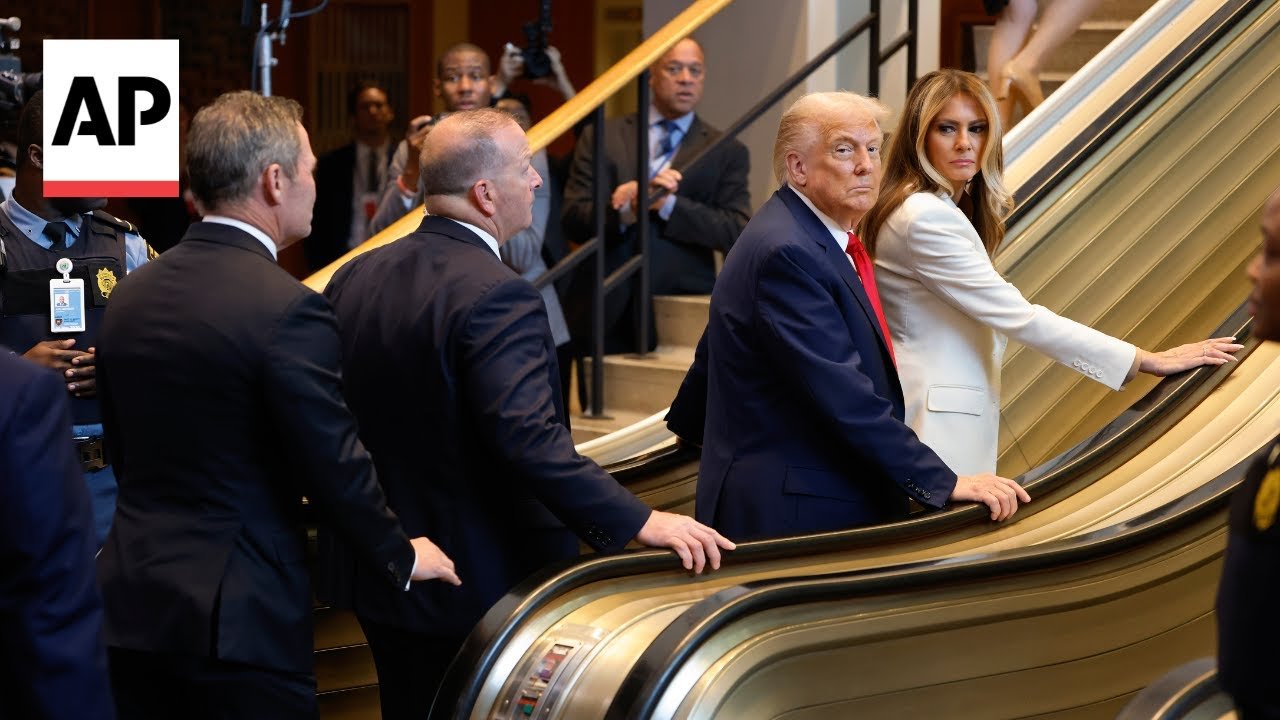
One of the moments that became viral was when the escalator stopped once President Trump and the First Lady stepped on it. President Trump later called it sabotage. Reports said that the incident might have been the result of a safety mechanism triggered by a White House videographer.
Why it matters
UNGA 80 marked a pivotal moment in global diplomacy, with the recognition of Palestinian statehood by 157 nations representing a historic shift in the Israel-Palestine conflict. Trump’s combative address, dismissing climate change as a con job and questioning the UN’s value, clashed sharply with the assembly’s focus on multilateral cooperation and global challenges.
The session highlighted deep divisions on key issues including Gaza, Ukraine, Iran’s nuclear program, and climate action, with leaders offering starkly different visions for the international order. Xi Jinping’s climate commitments, including China’s first absolute emissions reduction target, contrasted with Trump’s rejection of green energy, while Zelensky’s plea for weapons and alliances underscored the failure of international institutions to prevent conflict.
With the UN facing a liquidity crisis requiring massive budget cuts and staff reductions, theassembly’s outcomes will shape whether multilateralism can survive in an era of rising nationalism and great power competition.