Costa Rica held general elections on February 1, 2026, choosing a president, two vice-presidents and all 57 members of the Legislative Assembly in a vote shaped by public anxiety over crime, political continuity and the country’s future direction.
Presidential race
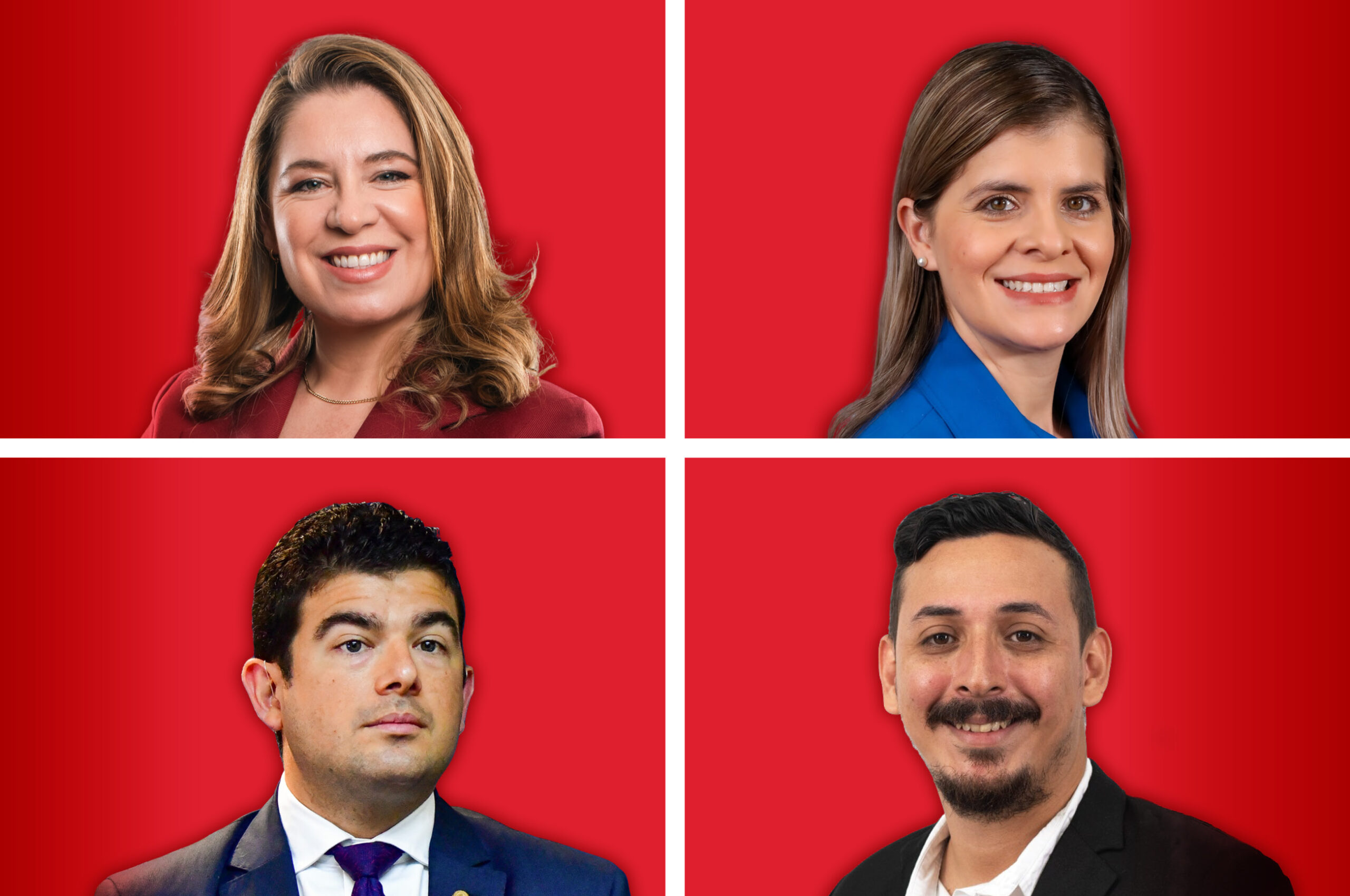
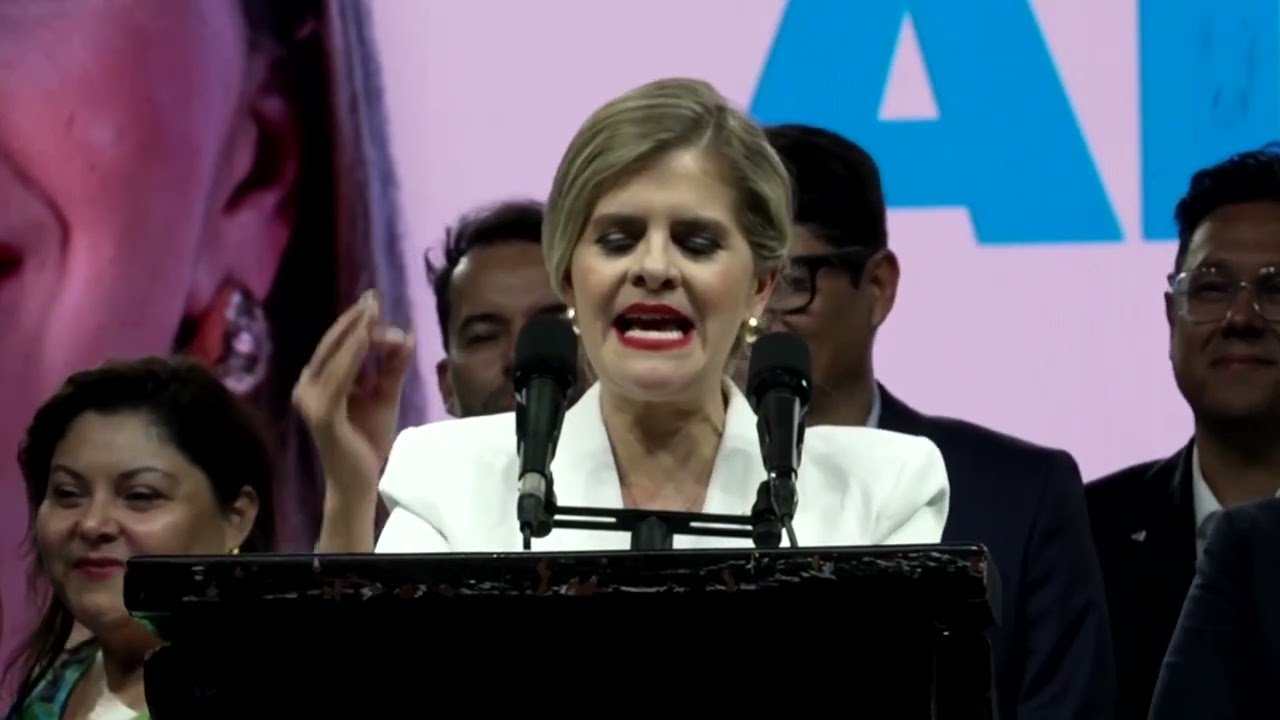
Laura Fernández Delgado, the candidate of the ruling Sovereign People’s Party (PPSO), won the presidency with 48.30% of the vote, comfortably clearing the 40% threshold needed to avoid a runoff. Her victory made her the second woman ever elected president of Costa Rica and came after she defeated National Liberation Party candidate Álvaro Ramos Chaves and 18 other contenders in the first round.
Fernández’s win was widely interpreted as a mandate for continuity with outgoing President Rodrigo Chaves, who was constitutionally barred from seeking consecutive re-election. She has said she intends to bring Chaves into her cabinet, possibly as chief of staff, underscoring the close political alignment between the two.
She is scheduled to be sworn in on May 8, 2026.
Legislative results
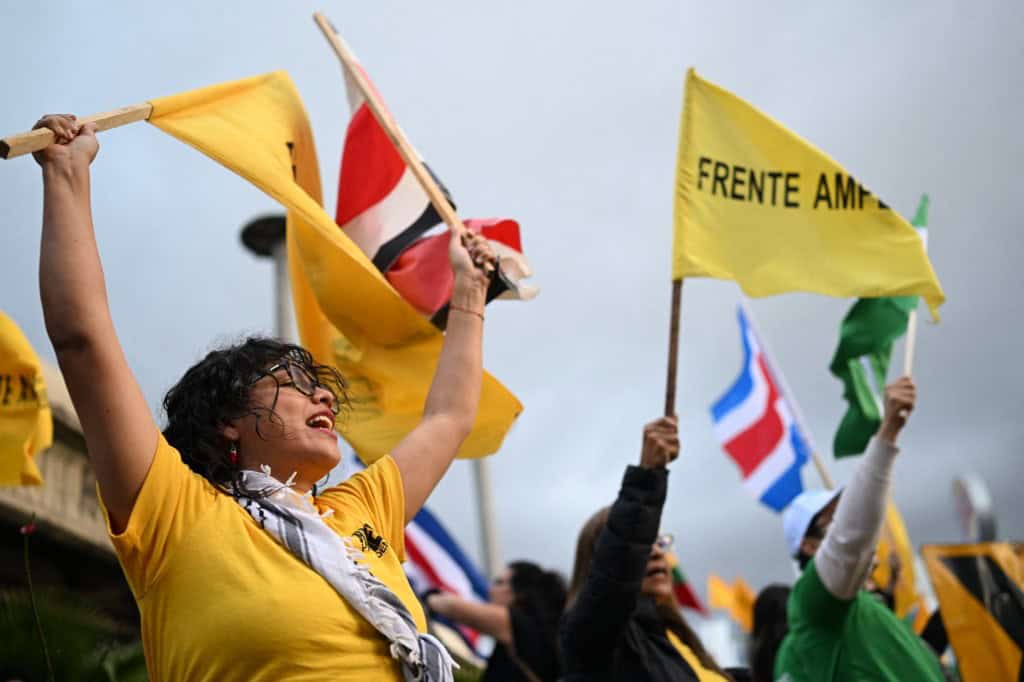
The PPSO also emerged with a strong showing in the Legislative Assembly, winning 31 seats and securing a majority. The National Liberation Party took 17 seats, while the Broad Front won seven. The remaining two seats were split between the Citizen Agenda Coalition and the Social Christian Unity Party.
Campaign themes
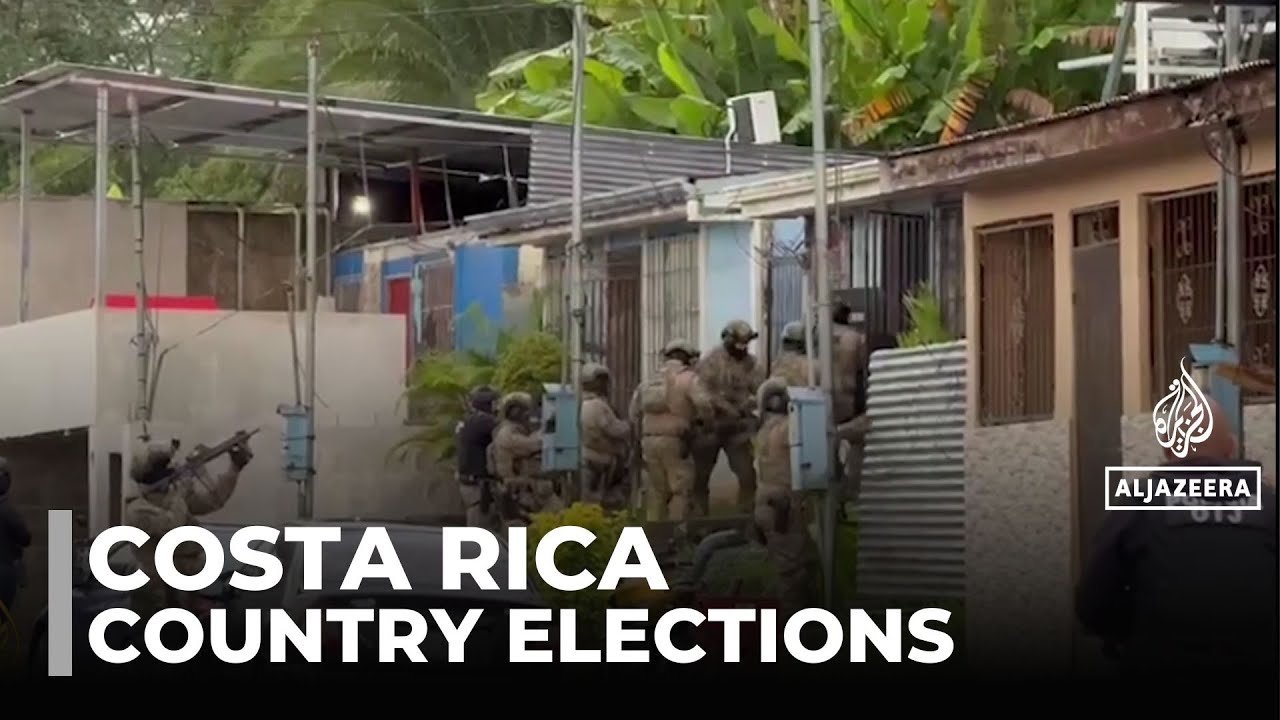
Crime and security dominated the campaign. Voters were confronting a surge in drug-related violence and homicides, and Fernández made public safety the center of her message. She pledged to continue Chaves’s hard-line approach, including the construction of a megaprison modeled after El Salvador’s high-security system.
Her platform also emphasized executive strength. Fernández said she would declare states of emergency in high-violence districts, give authorities broader powers to pursue hitmen and drug traffickers, and push judicial reforms aimed at limiting judges’ terms and forcing performance reviews. She argued that the current system encourages impunity.
Her security agenda extended to harsher sentencing as well. She proposed longer prison terms for organized crime, drug trafficking and contract killings, and even called for doubling prison sentences for women who undergo abortions, reflecting the broader social conservatism that accompanied her campaign.
Security agenda
Fernández’s plan has been described as Costa Rica’s version of the “Bukele model,” drawing clear comparisons with Salvadoran President Nayib Bukele’s crackdown on gangs. Central to that plan is the Center for High Containment of Organized Crime, a $35 million megaprison designed to hold 5,000 high-risk inmates and cut off contact with the outside world.
Her government also plans to expand cargo scanners at airports and seaports to intercept narcotics shipments, while creating a C5 command center for advanced regional surveillance and coordination. The proposal reflects a broader shift toward technology-driven policing and centralized security control.
Fernández has also signaled closer cooperation with foreign law-enforcement agencies, including the US Drug Enforcement Administration, Interpol and Europol, particularly in efforts to counter synthetic drugs such as fentanyl.
Governance plans
Chaves is expected to remain influential in the new administration, with Fernández indicating he may take a senior role in government. Supporters view that arrangement as proof that the outgoing president’s political project will continue beyond his own term.
Fernández has also confirmed a “fraternal axis” with Bukele, who is expected to provide technical advice on prison management and anti-gang operations. That regional alignment has become one of the defining features of her campaign message and governing posture.
Political reaction
Inside PPSO, the result triggered celebration and talk of a new political era. Party members framed the victory as a mandate for a “Third Republic,” while Fernández described the change as “deep and irreversible.”
Ramos conceded defeat and said his party would support measures that benefit the country, though he pledged to remain vigilant in defense of democracy. Other opposition figures warned that Fernández’s hard-edged security program could weaken checks and balances if not constrained by institutional oversight.
Civil society groups and analysts pointed to another concern: political apathy. Although turnout rose to about 69.1%, according to the Supreme Electoral Tribunal, many voters still appeared detached from traditional party politics. Environmental and social advocates also expressed concern that the new administration could scale back Costa Rica’s green identity and its long-standing social investment priorities.
International response
The result was welcomed by foreign officials and markets alike. US Secretary of State Marco Rubio congratulated Fernández and expressed confidence in continued cooperation on narco-trafficking and cybersecurity, while Bukele also sent his congratulations.
Market analysts interpreted the result as a signal of continuity that could reassure investors, particularly in real estate and foreign direct investment. More broadly, observers said the election reflected a wider rightward shift across Latin America, where security-first politics have increasingly resonated with voters frustrated by crime and institutional drift.
Read also: