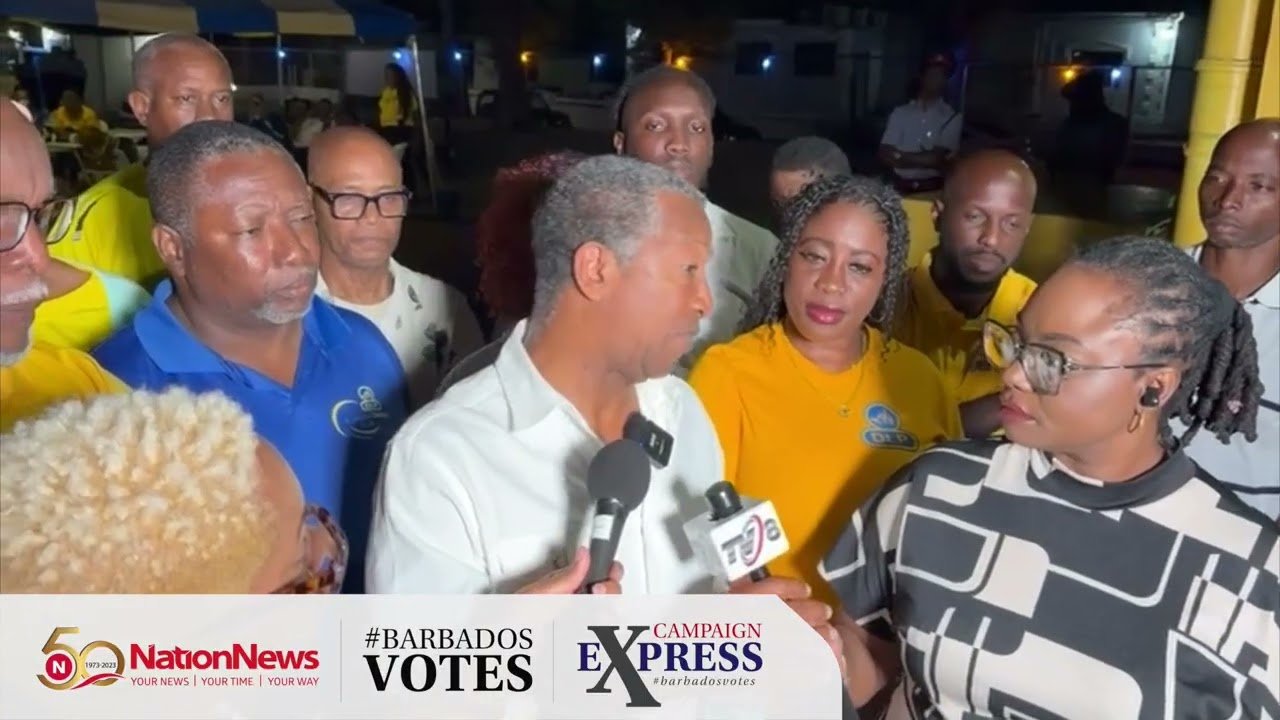
Prime Minister Mia Mottley’s Barbados Labour Party won all 30 seats in the House of Assembly in the February 11 general election, delivering a historic third consecutive clean sweep. The result left Barbados without an elected opposition for the third time since 2018 and cemented Mottley’s dominance in Barbadian politics.
The snap vote was called in January, well before the constitutional deadline, and was watched by Commonwealth and CARICOM observers for the first time. Both groups said the election was peaceful and broadly reflected the will of voters, though they noted some issues with missing names on the register. Turnout was estimated at 37.3%.
Campaign issues
Cost of living was the dominant issue, with voters focused on rising prices, utility bills and household strain. The BLP pitched targeted relief, including a monthly cash credit for pensioners and welfare recipients and a higher income-tax threshold for people earning under $50,000.
Crime and public safety also shaped the campaign, with the opposition pressing the government on violent crime and gun violence. The BLP countered by pointing to its record on policing and community security, and promised further modernization of the security apparatus.
No elected opposition
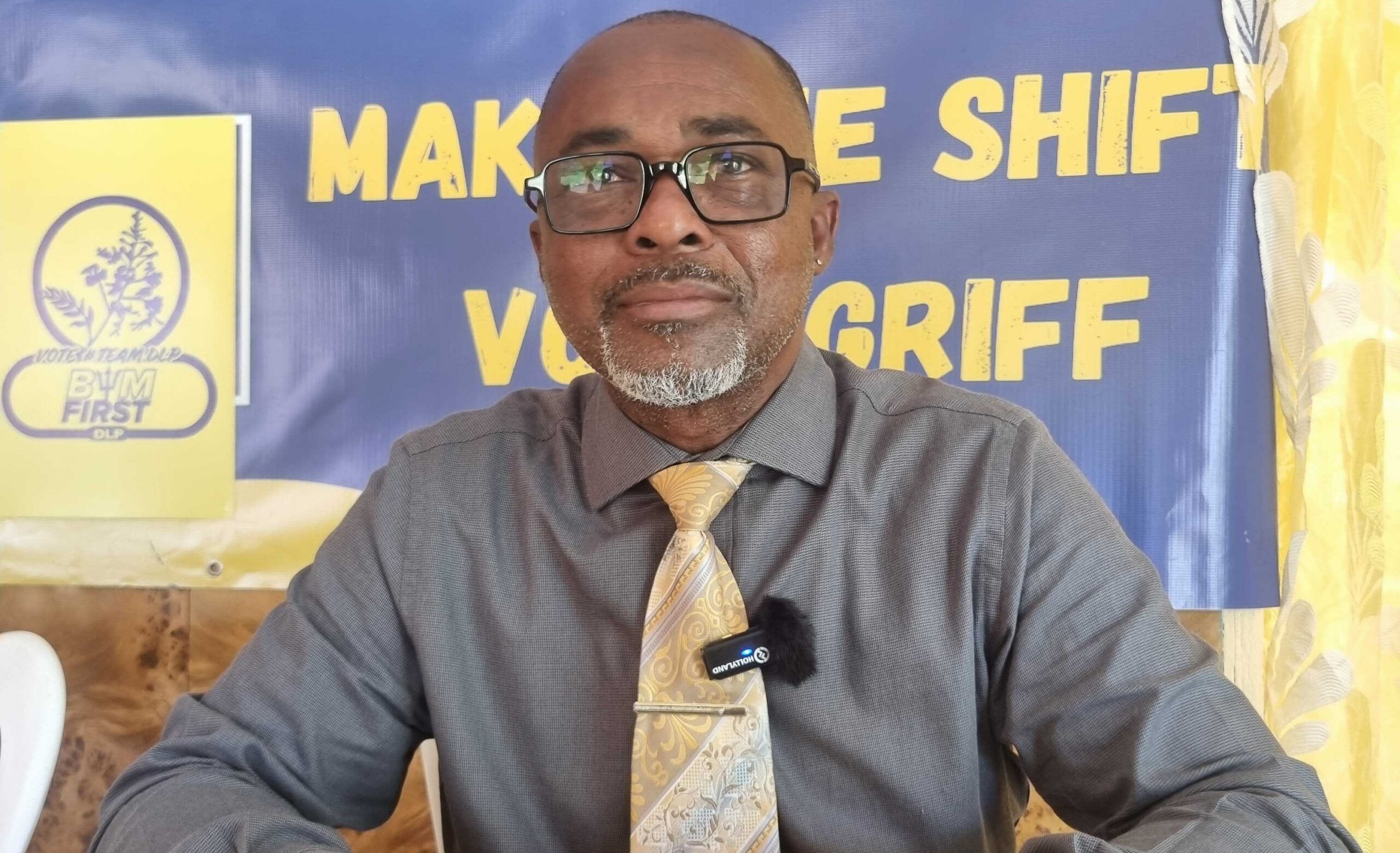
The scale of the result revived debate over democratic checks and balances. Ralph Thorne, the DLP leader and the country’s lone opposition voice, lost his St. John seat to the BLP’s Charles Griffith and said he would step down, arguing the party needed to rebuild after another decisive defeat.
The DLP accused the government of undermining democracy and questioned the integrity of the voters’ list. Mottley, meanwhile, framed the result as a mandate to continue “Mission Transformation,” with officials considering whether opposition senators should be appointed to help preserve parliamentary oversight.
Long-term agenda
The BLP also campaigned on longer-term economic and social reforms. Its manifesto included the Barbados Republic Child Wealth Fund, which would place a $5,000 government investment in trust for every child born in Barbados, and BERT 2026, the next phase of the country’s economic recovery plan focused on productivity and digital transformation.