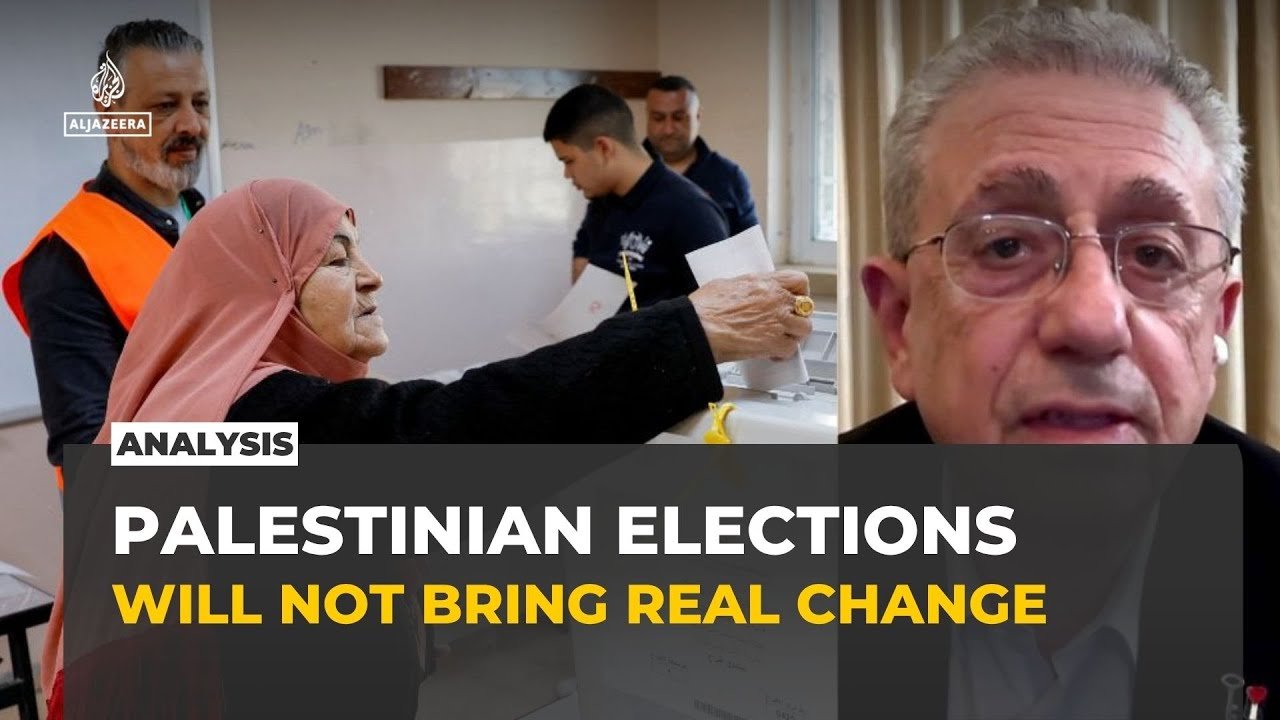

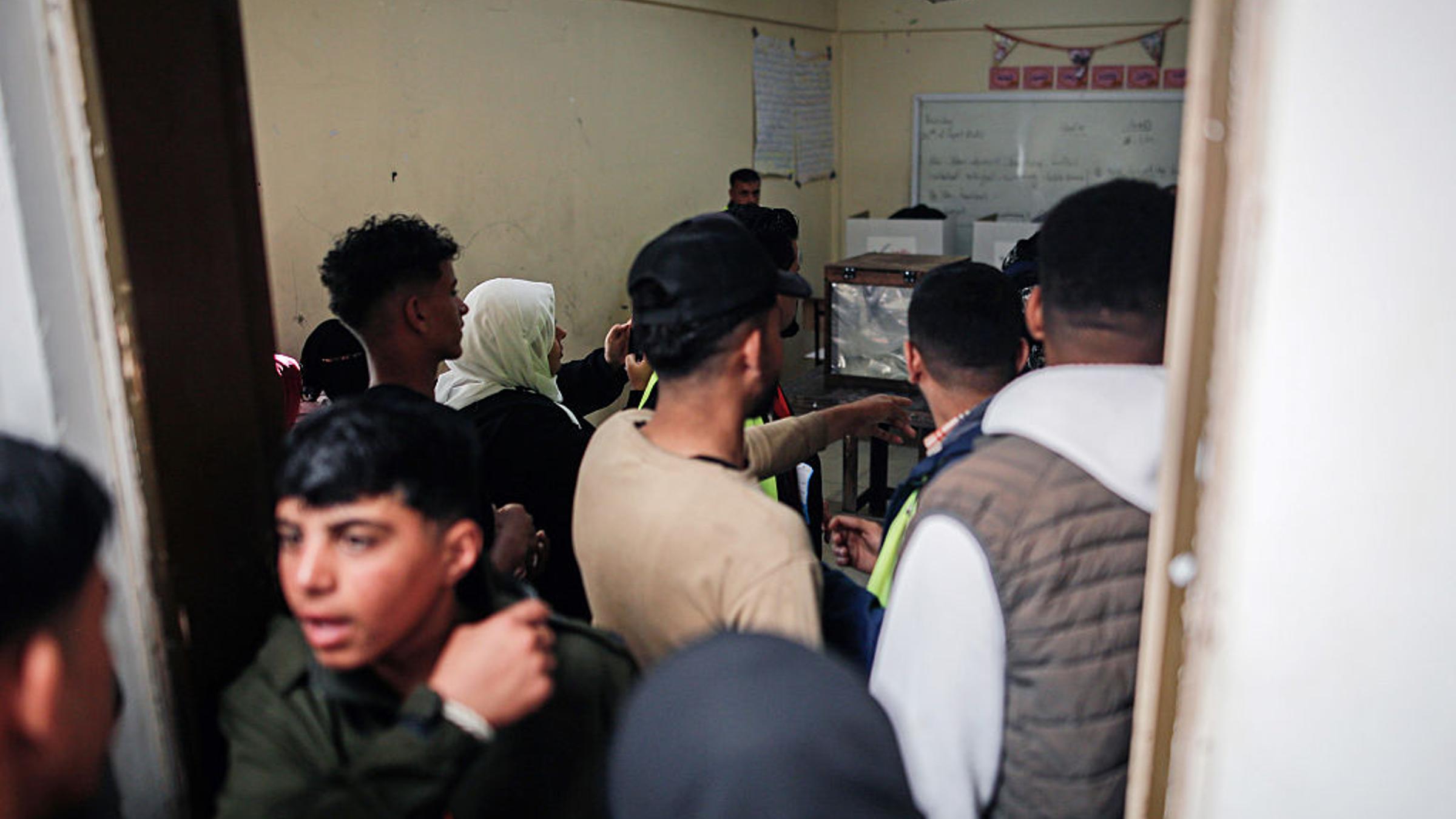


Palestinian Authority President Mahmoud Abbas issued a presidential decree fixing 28 November 2026 as the date for legislative elections across the occupied West Bank, Gaza Strip and East Jerusalem, a move that would mark the first parliamentary vote in 20 years if it goes ahead.
Palestinian Authority President Mahmoud Abbas issued a presidential decree fixing 28 November 2026 as the date for legislative elections across the occupied West Bank, Gaza Strip and East Jerusalem, a move that would mark the first PLC vote in two decades if it goes ahead.
Why the timing matters internationally
Abbas’s decree revives a long-dormant electoral timetable after the last Palestinian legislative vote in January 2006, which resulted in a Hamas victory and the political split that left the Palestinian Legislative Council inactive since 2007.
The decree follows earlier measures that altered the electoral law, intended to widen participation and reshape party dynamics:
- the PLC will expand from 132 to 200 seats;
- the minimum candidacy age has been lowered (to 23);
- gender representation rules require at least one in three candidates on lists to be women; and
- the electoral threshold for lists has been cut to 1 percent.
It also requires all candidate lists to sign a declaration committing to the Palestine Liberation Organization’s political framework and relevant international resolutions.
Donor states and international organizations have pressed the PA to restore democratic legitimacy as part of reconstruction and stabilisation planning, especially after heavy fighting in Gaza and political pressure following the 2026 municipal elections earlier this year. Several Western and regional governments publicly welcomed the move and offered conditional logistical and diplomatic support.
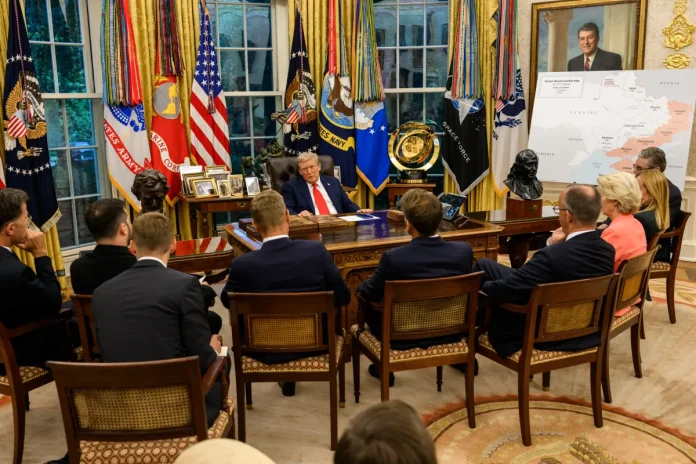
The United States, European Union and several Arab states framed the decree as an opening to a reformed Palestinian leadership that donor governments could engage with during reconstruction and longer-term diplomacy. France and other Western capitals publicly signalled readiness to provide support for an electoral process that meets international standards. The United Nations’ senior coordinator for the Middle East peace process formally welcomed the step and urged all parties to guarantee inclusive participation.
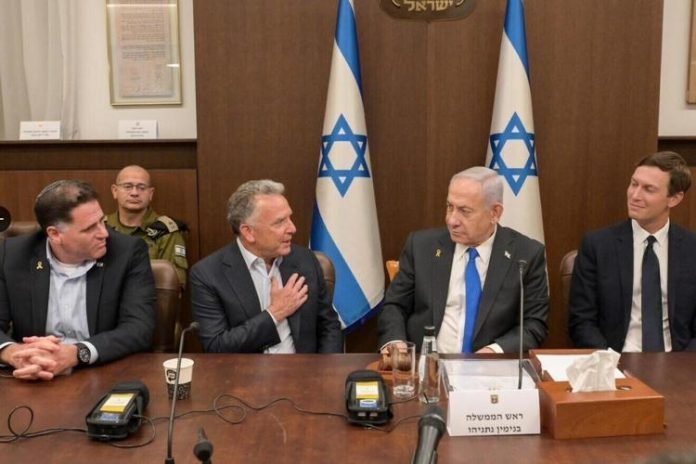
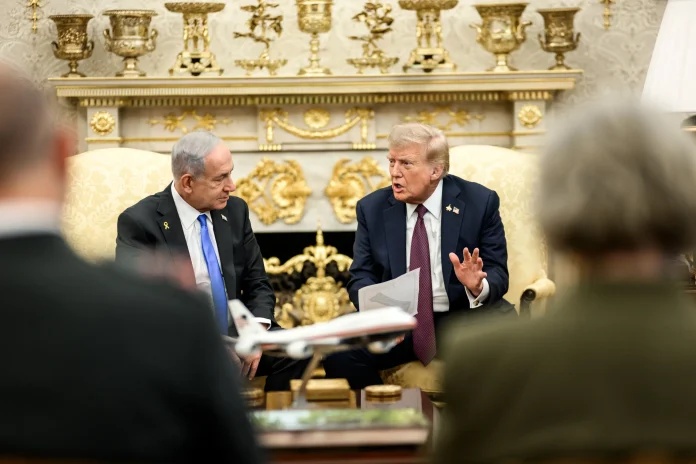
At the same time, the announcement dovetails awkwardly with Israel’s own political calendar, with Israeli national elections scheduled for 27 October 2026. Political leaders in Jerusalem — particularly right-wing ministers — are expected to oppose any PA activity in East Jerusalem and may use the Palestinian vote as a campaign issue.
Main obstacles to holding the vote
- Hamas and other resistance factions: Major factions including Hamas, Islamic Jihad and several leftist groups have criticised the new provisions — especially the PLO-pledge requirement — arguing it narrows political pluralism and appears designed to exclude or deter Hamas-affiliated candidates. Observers warn that Hamas candidates would face arrest in the West Bank or targeted threats in Gaza if they attempted to campaign openly.
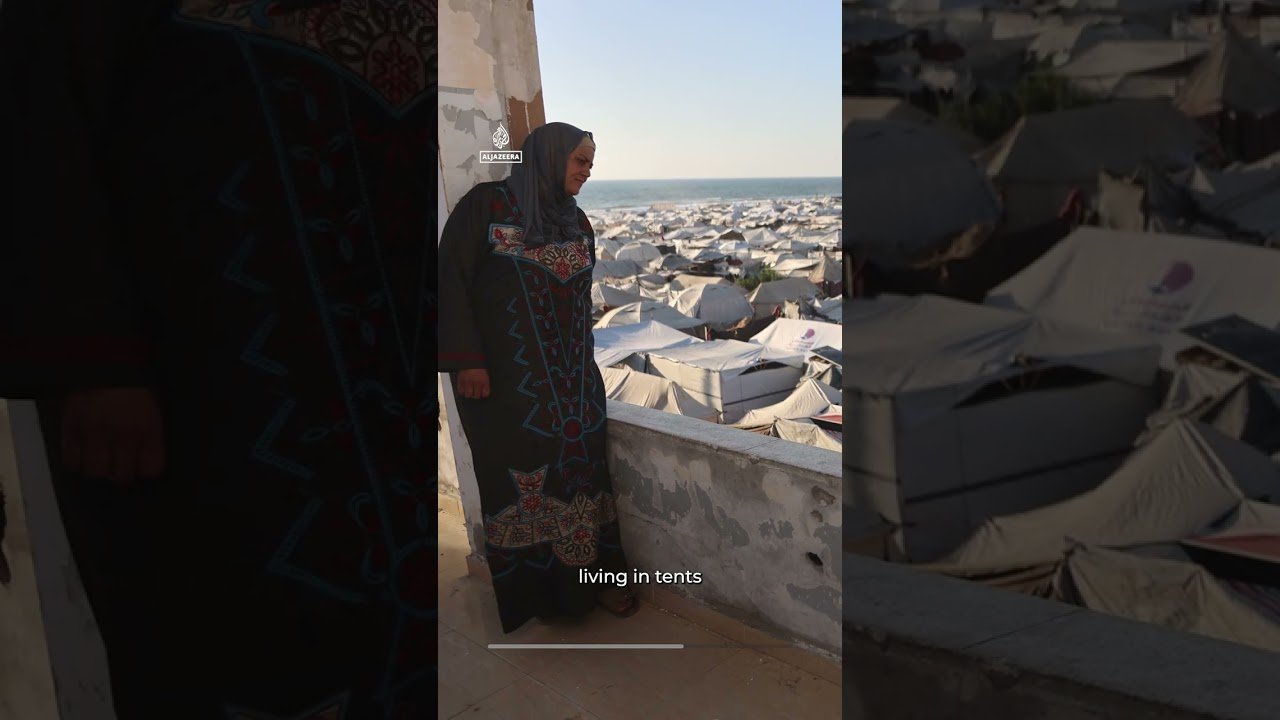
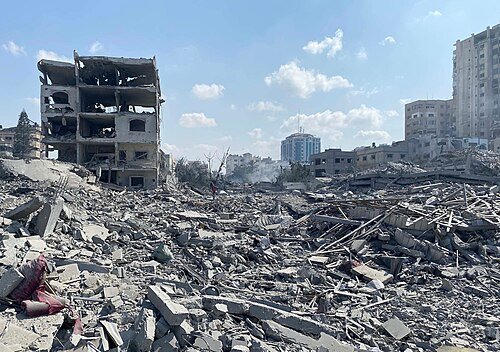
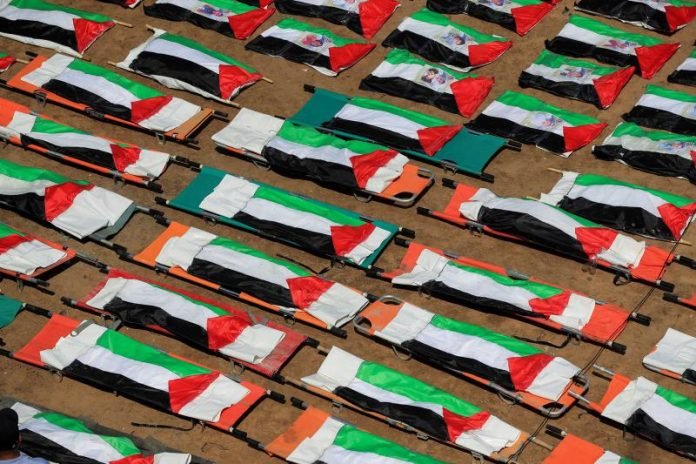
- Gaza’s destroyed infrastructure: Years of war have left Gaza’s civil infrastructure severely damaged, complicating voter registration, polling logistics and movement of election staff and observers. Many Gaza residents have publicly expressed scepticism that a credible, inclusive ballot can be organised under current conditions.
- East Jerusalem voting: The decree insists voting include East Jerusalem, but past attempts to include the city have been blocked by Israeli authorities — a move that in 2021 and earlier served as the pretext for cancelling Palestinian polls. Any Israeli obstruction of ballot access in Jerusalem could create a legal and political crisis for the PA and a potential reason to delay the entire process.
- Diaspora and regional refusal to host polling: Initial plans to combine the PLC ballot with votes for the Palestine National Council (PNC) that would enable diaspora Palestinians to vote have been curtailed after neighbouring host states declined to provide polling infrastructure, limiting the exercise largely to internal territories.
Domestic politics and likely outcomes
For Abbas and Fatah, the decree is a high-stakes gamble: elections could restore institutional legitimacy and reset the PA’s international standing, but they also risk an unpredictable electorate and possible gains for rivals if the contest is seen as unfair.
Analysts note previous attempts to call elections (notably the 2021 postponement) eroded public trust; municipal polls earlier in 2026 provided an uneven test of administration capacity and voter appetite.
Hamas faces a painful choice: participate under rules that include a PLO pledge it rejects, or boycott and cede the political field to Fatah and other lists.
Several reports indicate Hamas has taken some structural steps — for instance dissolving a civilian emergency government in Gaza — that could be interpreted as tactical positioning, but there has been no clear commitment to participate under the new legal framework.
Uncertainties and facts that still need confirmation
Will Israel permit voting in East Jerusalem, and under what conditions? Past Israeli obstruction has been decisive in previous cancellations; any denial would be a critical legal and political flashpoint.
Will Hamas register candidates despite the PLO-pledge requirement, and can meaningful campaigning occur without arrests or repression? Current reporting suggests major factions oppose the pledge, but formal decisions remain unconfirmed.
Can Gaza’s infrastructure be rebuilt or adapted quickly enough to permit secure voting, or will alternative arrangements (mobile polling, proxy voting) be deployed? Reporting notes severe damage but lacks operational detail on planned mitigation.
Which international bodies will provide on-the-ground logistical support (UN, EU, or bilateral donors), and will that support be sufficient to guarantee a credible process? Some capitals have offered conditional support, but concrete operational commitments are still being negotiated.
What to watch next (three near-term signals)
- Formal statements from Hamas and other factions on participation;
- Israeli decisions or security measures announced regarding East Jerusalem polling;
- Official operational plans from the Palestinian Central Elections Commission and any international logistical commitments.