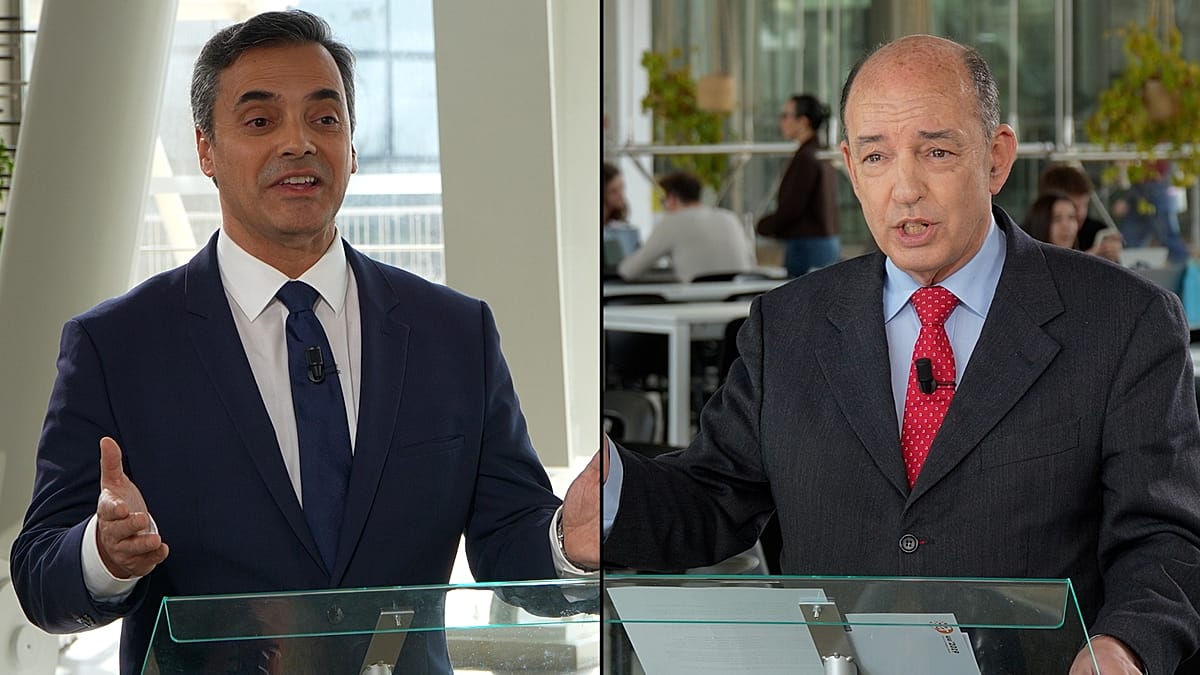
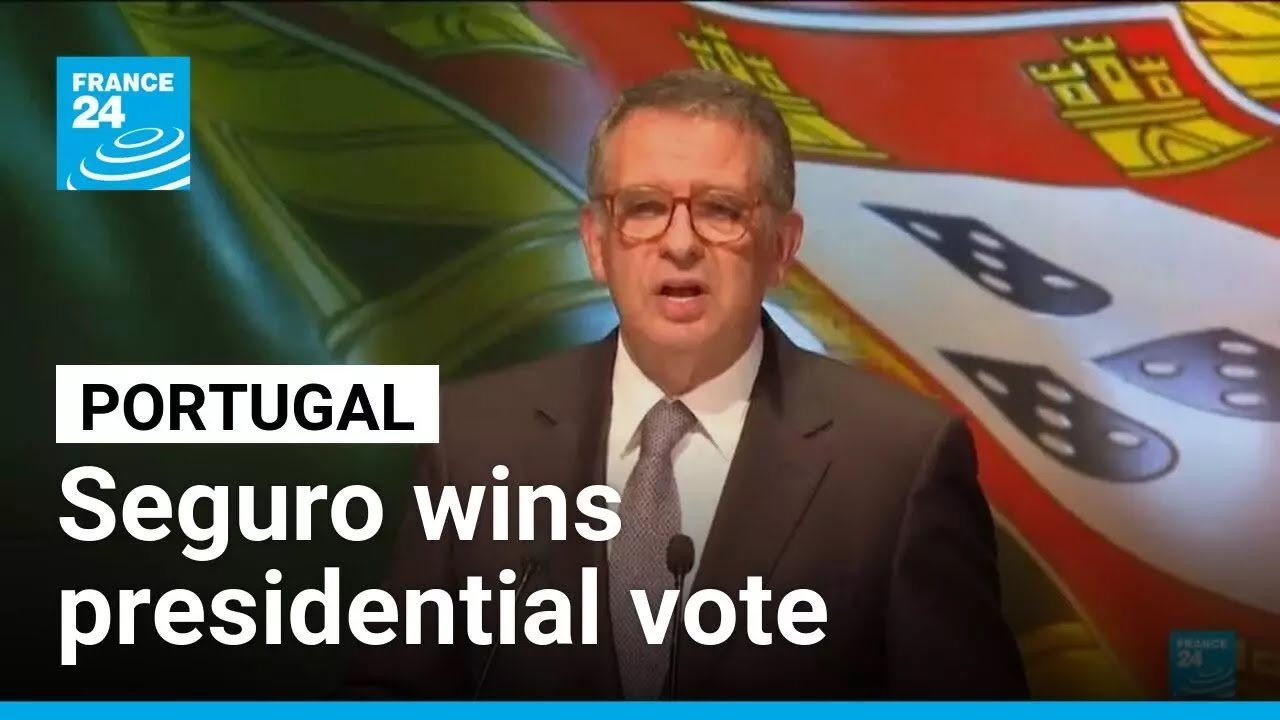
Portugal has elected António José Seguro, the centre-left Socialist Party’s candidate, as president in a decisive runoff victory over far-right populist André Ventura. Seguro won about 66.8% of the vote, while Ventura took 33.2%, in a contest that became a referendum on whether Portugal’s political center could still stop the far right from taking the presidency.
The result caps one of the most fragmented presidential races in Portuguese history and gives the country a new head of state with a mandate to act as a moderating force in a period of political instability.
Record first round
The race went to a second round after an unusually crowded first ballot on Jan. 18, when a record 11 candidates competed for the presidency. Seguro led that round with 31.1% of the vote, Ventura followed with 23.5%, and the establishment-backed candidate Luís Marques Mendes suffered a major setback by finishing fifth with just 11%.
João Cotrim de Figueiredo, the Liberal Initiative candidate, finished third with 16%, despite a late scandal involving a sexual harassment complaint lodged by a former adviser. The outcome underscored both the fragmentation of the vote and the weakness of Portugal’s traditional governing blocs.
Storms and delays
The runoff was held on Feb. 8 amid severe weather from Storm Leonardo, which brought flooding and destruction across parts of the country. Voting was postponed in around 20 constituencies, affecting roughly 37,000 voters and delaying the election in some of the hardest-hit areas.
Turnout was about 52% in the first round and slipped slightly to around 50% in the runoff. Even so, the election still produced a clear and emphatic verdict.
Why Seguro won
Seguro benefited from a rare cross-party mobilisation against Ventura. Conservative and centrist figures, including some who normally oppose the Socialists, publicly urged voters to back Seguro to block a far-right victory, turning the runoff into a broad democratic front rather than a simple left-right contest.
That strategy worked. Seguro’s runoff total made him the most-voted presidential candidate in Portugal’s democratic history, surpassing previous records set by Mário Soares. Ventura’s share, however, was still strong enough to signal that the far right is now a permanent force in Portuguese politics rather than a passing protest movement.
Campaign fault lines
Immigration was the defining issue of the campaign. Ventura pushed for tightly controlled migration and used hard-edged rhetoric to argue that state support should prioritise Portuguese nationals, while Seguro framed immigration as something that must be managed without abandoning solidarity or democratic values.
Housing, healthcare, corruption and political instability also weighed heavily on voters. Portugal’s housing crisis has pushed prices sharply higher over the past decade, while the National Health Service has struggled with long wait times and staffing shortages. Against that backdrop, the presidency mattered not because it runs the government, but because it can still dissolve parliament, call early elections and veto legislation.
Diaspora split
Seguro’s victory was decisive at home, but Ventura did better among Portuguese voters abroad. He narrowly led among emigrant voters globally, including in the United States, a reminder that his appeal extends beyond Portugal’s borders even as the domestic electorate rejected him by a wide margin.
That split reflects a broader pattern in European politics, where anti-establishment candidates often perform strongly among voters who feel overlooked by the political mainstream, even if they fall short in the national contest.
Aftermath and reactions
European leaders welcomed the result as a sign of democratic resilience, especially given the storm conditions that disrupted the vote. The election also prompted political fallout at home, including the resignation of Interior Minister Maria Lúcia Amaral two days later amid criticism of the handling of the flooding and voting delays.
Seguro is expected to succeed conservative incumbent Marcelo Rebelo de Sousa in early March 2026. His challenge now is to use a largely ceremonial office to steady a fragmented political system without allowing Ventura’s strong second-place finish to become the beginning of a longer far-right ascent.
Read also:
Portuguese General Election: Montenegro’s AD grabs the most seats