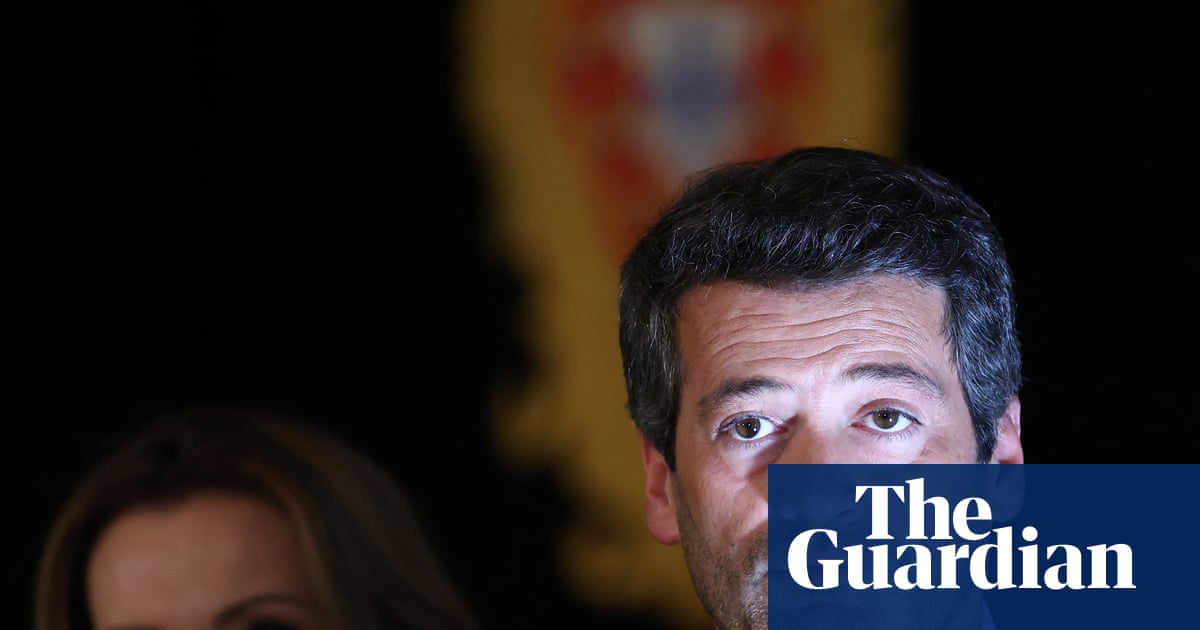
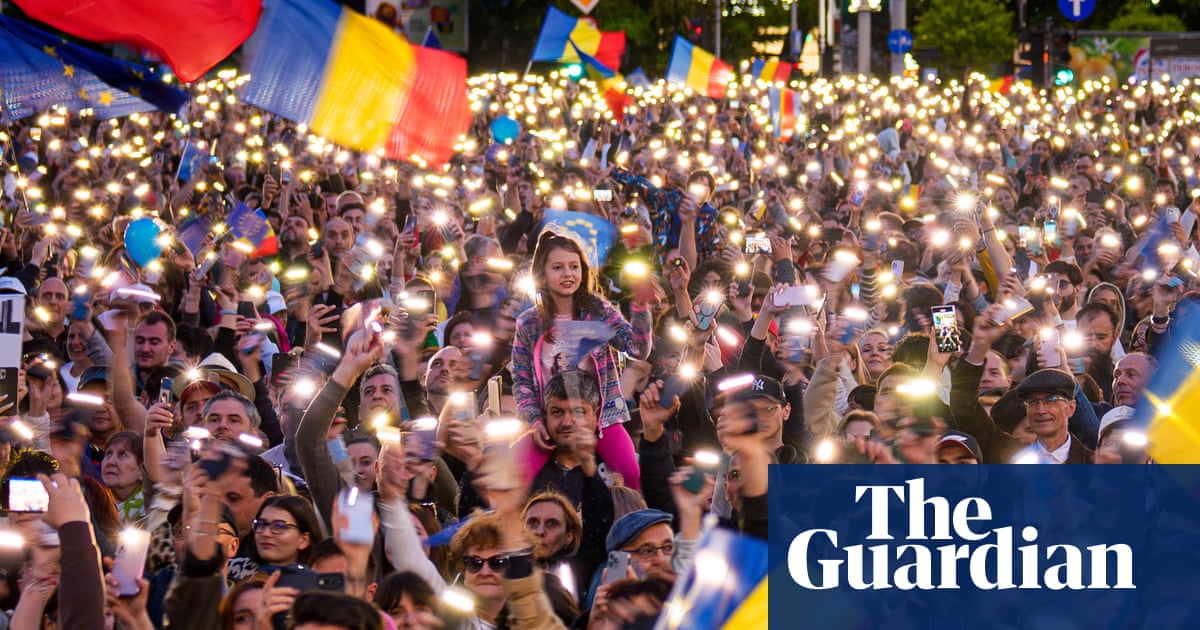
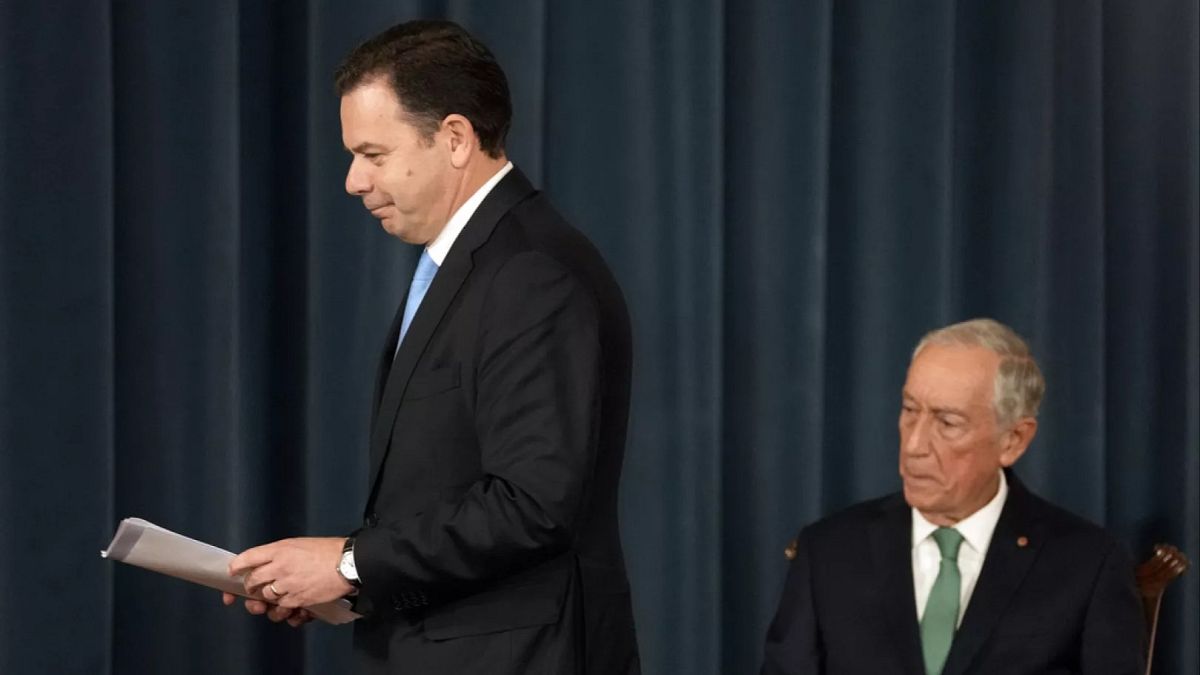
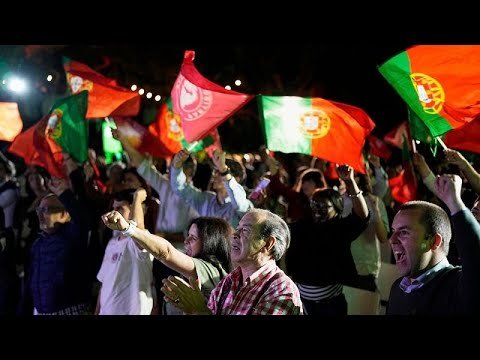
The center-right Democratic Alliance (AD), led by Prime Minister Luís Montenegro, won the most seats in Portugal’s May 18, 2025 general election but failed to secure an absolute majority, resulting in a fragile minority government sworn in on June 5 amid a political landscape transformed by the far-right’s historic surge.
The election, the third in less than four years, was triggered by a political crisis involving conflict-of-interest allegations against Montenegro. His government lost a vote of confidence on March 11, 2025, after the controversial Spinumviva scandal surfaced regarding payments to his family’s consulting firm from a casino operator holding state concessions.
Election results reshape parliament
The Democratic Alliance led by Montenegro won 31.8% of the votes, securing 91 seats out of 230 in the Assembly of the Republic. The far-right Chega party, led by André Ventura, surged to 22.8% with 60 seats, becoming the second-largest party in Parliament. The Socialist Party (PS), led by Pedro Nuno Santos, also received 22.8% but fell to 58 seats, placing third for the first time in Portugal’s democratic history. The Liberal Initiative (IL), led by Rui Rocha, received 5.4% of the vote.
The results mark a significant political shift, with Chega’s breakthrough ending the traditional PS-PSD alternation that had dominated Portuguese politics since the 1974 Carnation Revolution. Despite Chega’s significant seat gains, Montenegro maintained his vow not to negotiate or form a coalition with the populist party, adopting a “no is no” stance.
Campaign defined by immigration, housing and integrity
The 2025 general election campaign shifted from traditional economic debates to highly polarized social issues. While healthcare and housing remained top concerns, immigration and political integrity emerged as the primary flashpoints that reshaped the party system.
Immigration became a top-tier issue for the first time in Portuguese democratic history, largely driven by Chega’s “Save Portugal” campaign. The party framed the issue as an “invasion” and “Islamisation,” successfully linking it to rising crime and welfare dependency in voters’ minds. Days before the vote, the Montenegro government announced the expulsion of 18,000 irregular migrants in an effort to show control and neutralize far-right gains.
Portugal’s housing crisis was a central theme, with prices rising 106% between 2015 and 2023, more than double the EU average. Young professionals found themselves priced out of major cities like Lisbon and Porto. The Democratic Alliance championed home-buying incentives for youth, while the Left Bloc campaigned heavily for rent caps and restrictions on Airbnbs.
The election was triggered by the Spinumviva affair, involving conflict-of-interest allegations against Montenegro. Public frustration mounted over repeated elections and perceived corruption in both major parties. Chega capitalized on this by attacking the “50 years of corruption” since the 1974 revolution, though its own campaign was undermined by internal scandals involving its own MPs.
The National Health Service faced a severe crisis that dominated televised debates, with persistent shortages of doctors and frequent emergency ward closures. The low average monthly wage of roughly €1,600 fueled a “brain drain,” forcing many young graduates to seek employment abroad.
Reactions and political fallout
Montenegro declared victory for his center-right coalition, framing it as a defeat of the “incumbent socialists.” Despite the gain in seats, he reiterated his categorical ruling out any coalition with Chega.
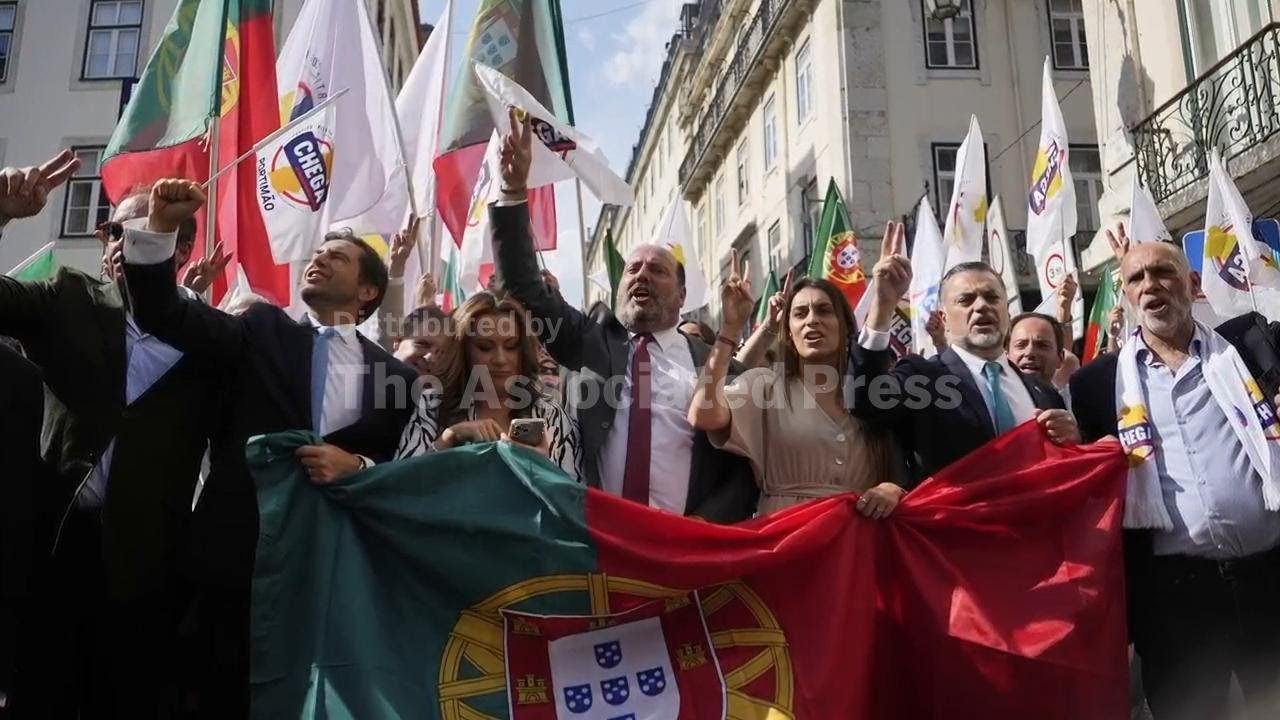
André Ventura hailed the results as “historic,” stating they marked the end of the traditional alternation and claimed a mandate for “political transformation.”
Pedro Nuno Santos conceded defeat and announced his resignation from PS leadership following the party’s drop to third place. He maintained that Montenegro was “unfit” to lead due to the scandals that triggered the vote.
Analysts noted that while turnout was relatively high at around 58-64%, public opinion surveys showed a vast majority of voters would have preferred to avoid new elections entirely, having faced three in four years.
Broader implications
Despite the controversy, Montenegro’s center-right coalition secured a stronger plurality, while the political landscape shifted toward a tripartite system. The results failed to end political instability, leaving the country with a fragile minority government.
EU Commission President Ursula von der Leyen later congratulated Portugal on its commitment to European values following the 2026 presidential runoff. Spanish opposition leader Alberto Núñez Feijóo used the result to criticize Spain’s government, while Vox leader Santiago Abascal praised Chega’s surge as a model for the European right.
International media outlets like the BBC and NPR highlighted that while the center-right won, Portugal remains mired in instability, with the far-right’s breakthrough fundamentally altering the country’s political dynamics and challenging the post-revolution party system that had held for five decades.
Read also: Portuguese Presidential Election: Social Party’s Seguro wins by landslide