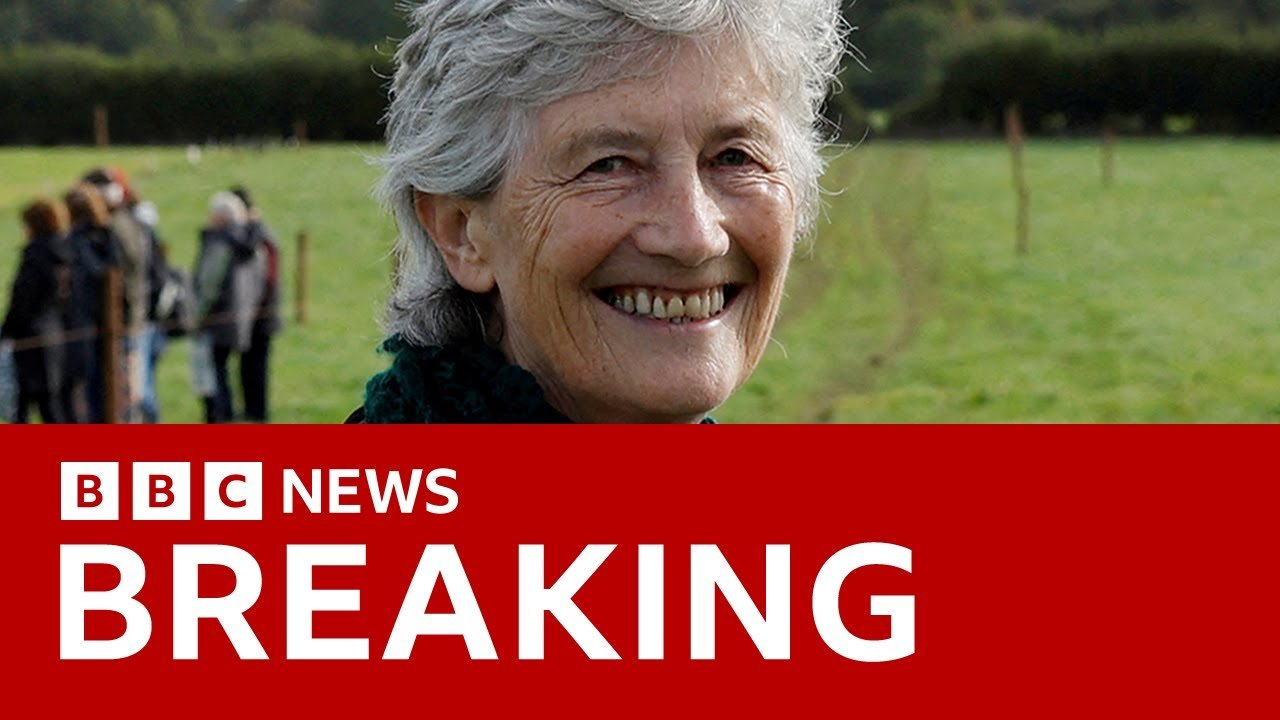
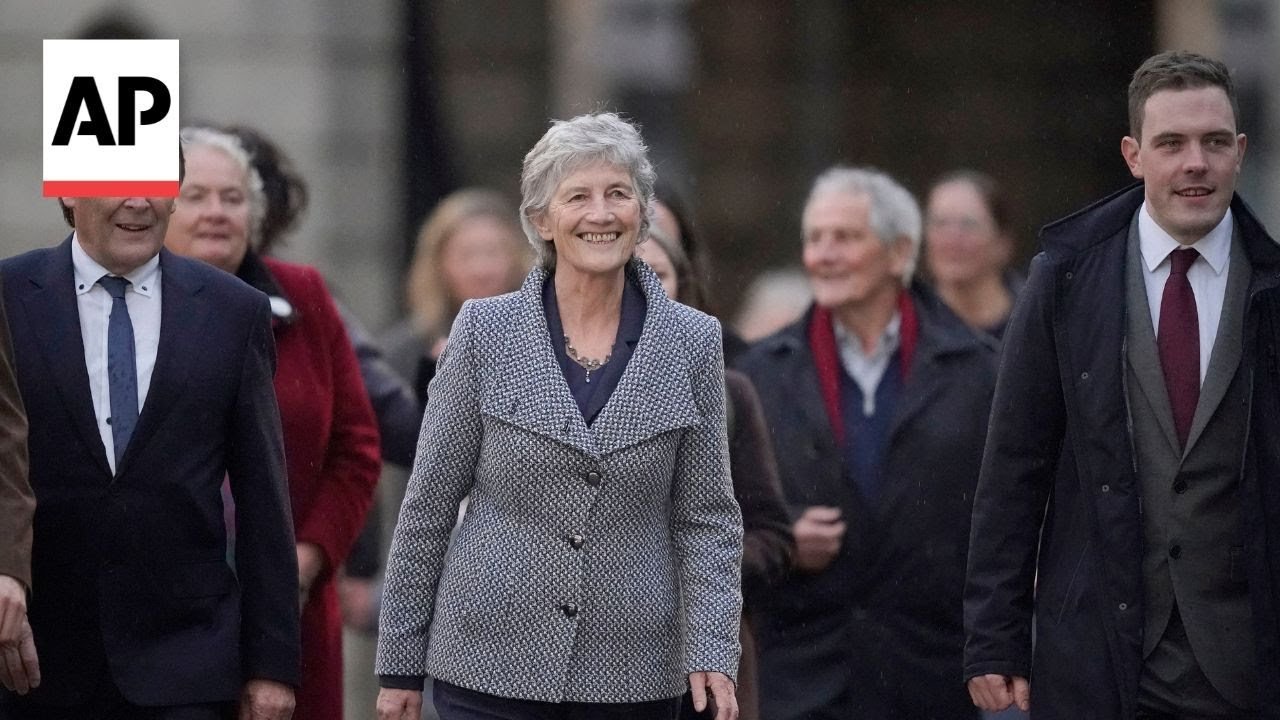
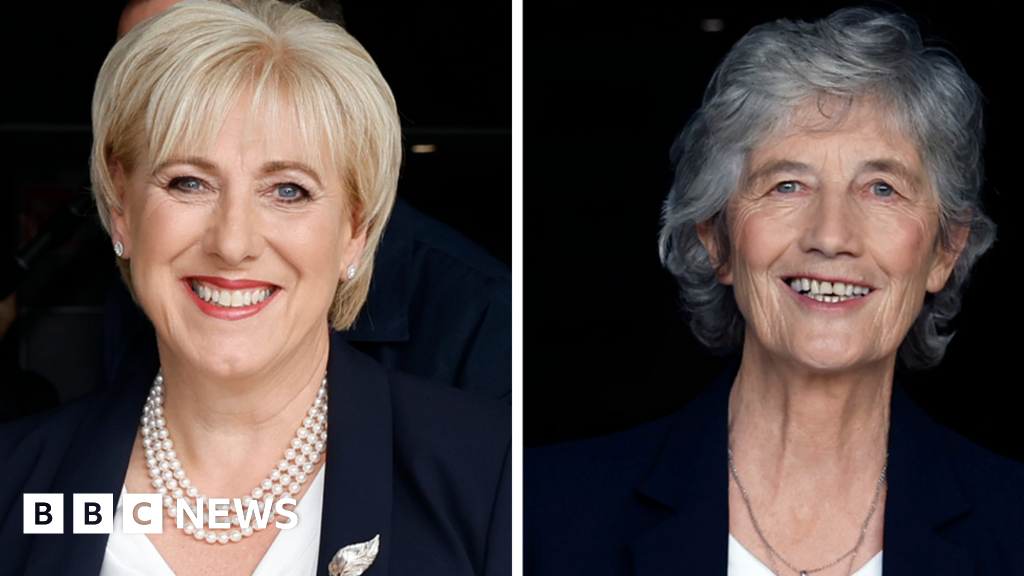
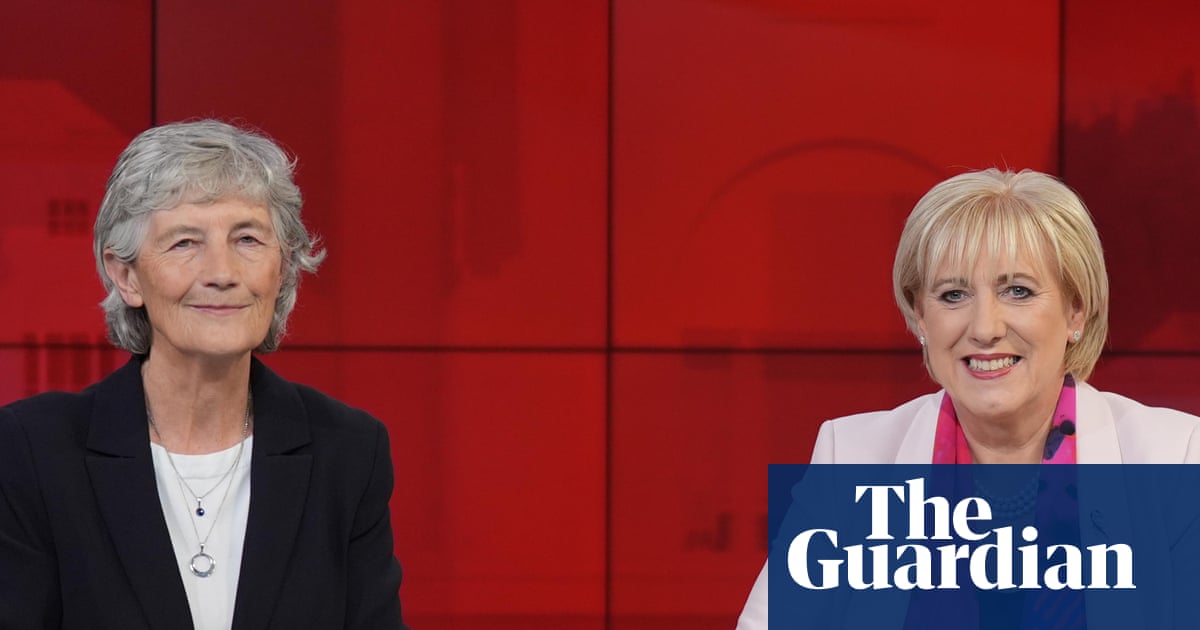
In 2025, Ireland held a historic Presidential Election on October 24, which resulted in a landslide victory for independent candidate Catherine Connolly.
Connolly was elected with 63.4% of the first-preference vote, totaling 914,143 votes. She recorded the highest number of first-preference votes and the highest percentage in a contested Irish presidential election. The election was effectively a two-candidate race following the late withdrawal of one nominee.
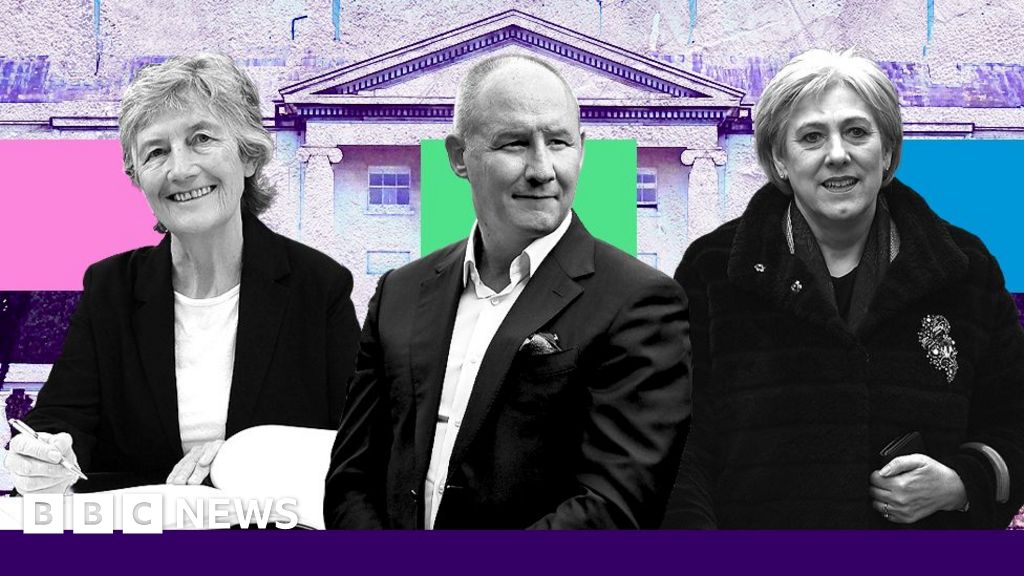
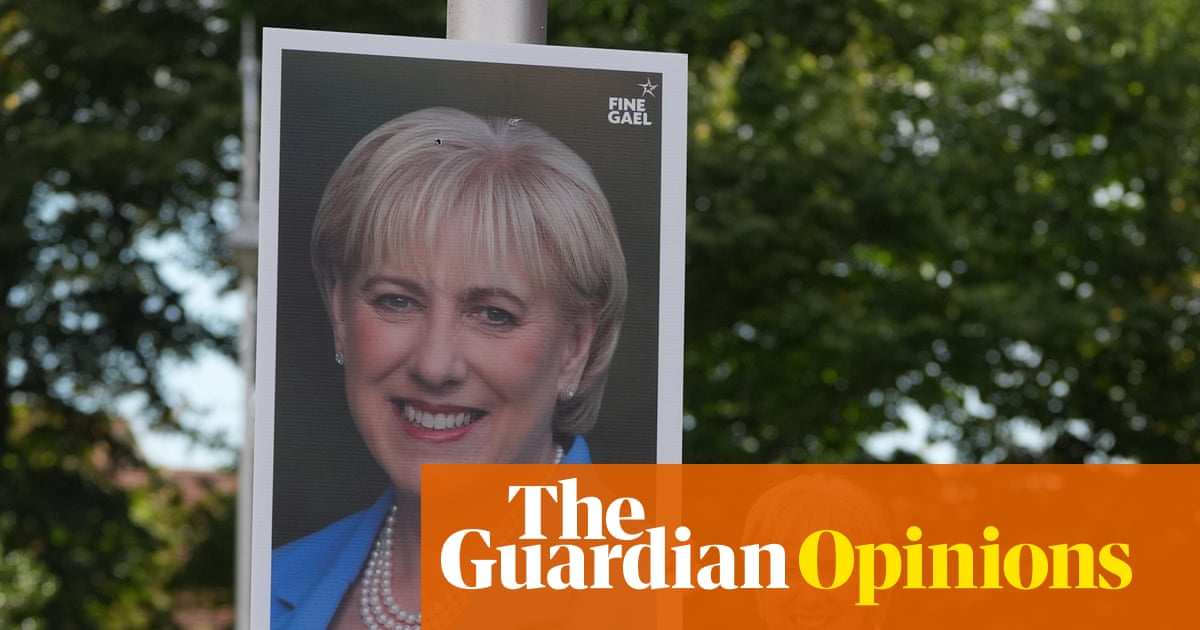
Heather Humphreys of Fine Gael finished second with 29.5% of the vote, totaling 424,987 votes. Jim Gavin of Fianna Fáil received 7.2% of the vote, totaling 103,568 votes. Although he withdrew from the campaign on October 5 following a controversy over a rental dispute, his name remained on the ballot due to legal deadlines.
All three were nominated by members of the Oireachtas rather than by county or city councils. This is the first two-candidate election since the 1973 Irish presidential election.
An unprecedented 12.9%, totaling 213,738 ballots, were spoiled, often featuring protest messages regarding the limited choice of candidates or issues like immigration. Voter turnout was approximately 45.8%, a slight decrease from previous elections.
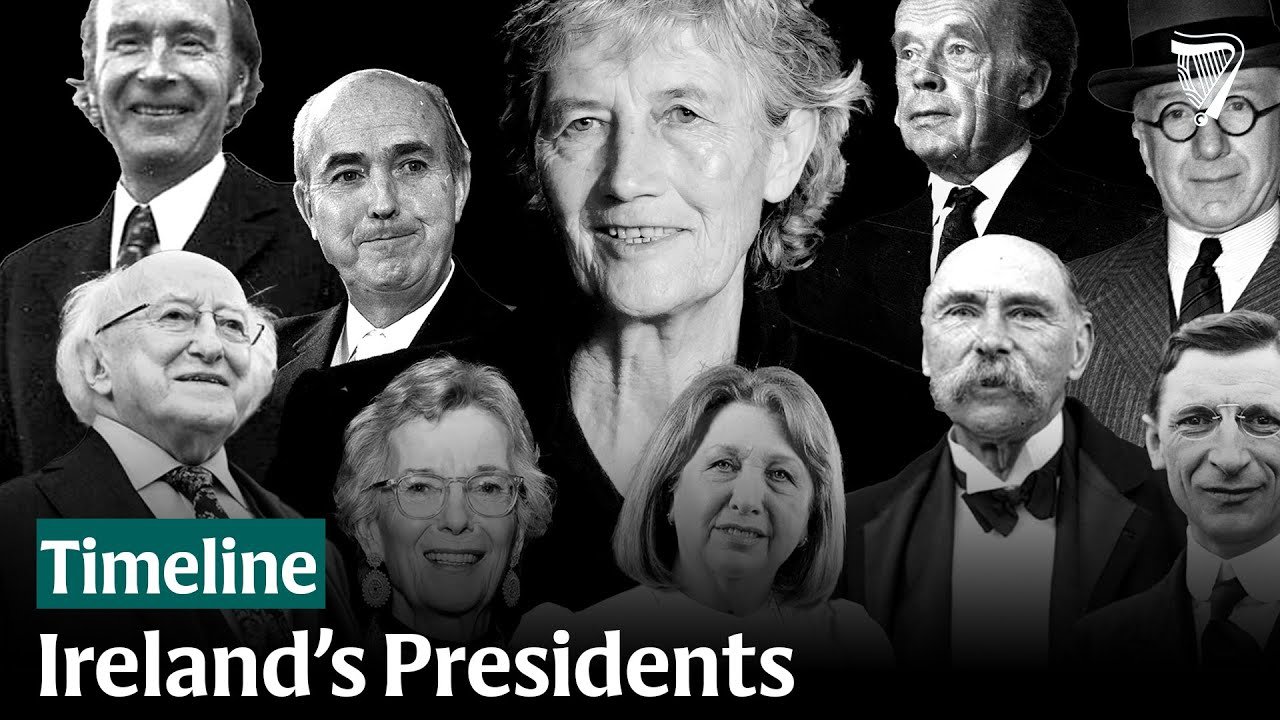
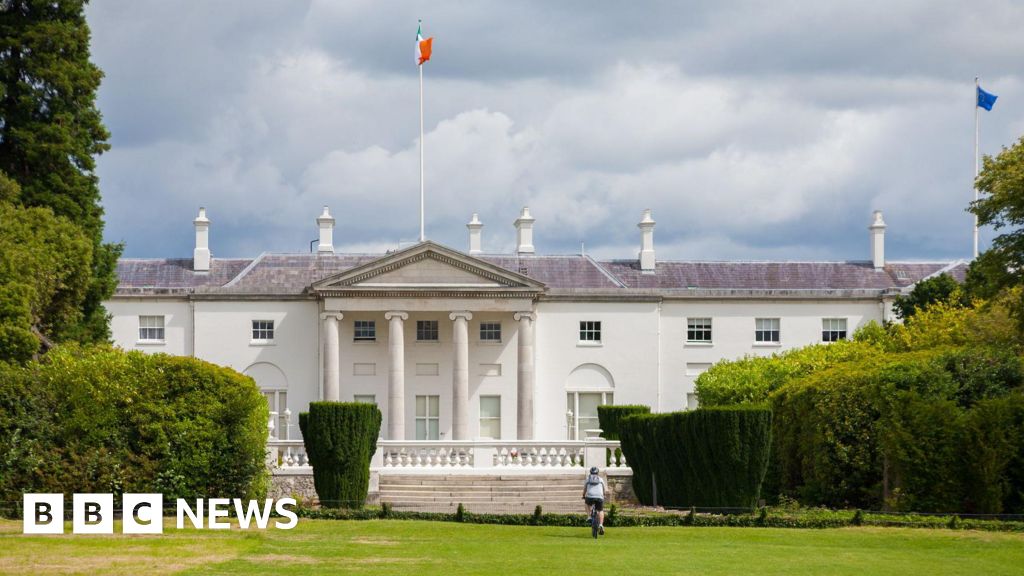
Connolly is the third woman to hold the office, following Mary Robinson and Mary McAleese. She was inaugurated as the 10th President of Ireland on 11 November 2025, succeeding Michael D. Higgins.
Key campaign issues
The 2025 Presidential campaign was defined by a stark contrast between an anti-establishment movement led by Catherine Connolly and the government-backed platform of Heather Humphreys.
Connolly, a socialist and pacifist, campaigned on themes of peace, neutrality, climate change, and a united Ireland. She was backed by a broad left-wing coalition including Sinn Féin, Labour, and the Social Democrats.
Neutrality and the Triple Lock was a major flashpoint. Connolly campaigned as a pacifist, strongly defending the triple lock, which requires UN, Government, and Dáil approval for troop deployments, as essential to Irish neutrality. Humphreys supported the government’s push to reform it, arguing that the UN veto held by countries like Russia should not block Irish missions.
Connolly’s vocal criticism of Israel, which she described as a genocidal state, and her opposition to the European military-industrial complex drew significant support from the left and younger voters but faced criticism from the government and some diplomats.
While the presidency is ceremonial, Connolly used her platform to highlight the housing and homelessness crisis, framing it as a failure of the current system and calling for a new republic focused on equality and inclusivity.
Social and identity issues
The election was marred by claims that the nomination process was rigged to block conservative candidates like Maria Steen. This fueled a massive Spoil the Vote campaign, resulting in a record 12.9%, over 213,000 ballots, being invalid.
Tensions over asylum seekers and immigration featured heavily in public discourse. Humphreys called for dialogue similar to the peace process, while Connolly condemned the Ireland is full rhetoric as unacceptable.
Humphreys proposed a Council of Youth to advise the President, whereas Connolly’s campaign used modern visual branding to connect emotionally with younger demographics.
Reactions
While there were large celebrations in Galway, her home base, and Dublin, the 12.9% spoiled ballot rate served as a formal silent protest. Social media was divided between those inspired by her New Republic vision and those who felt the election was a choice between two shades of the same establishment.
Leaders from Fianna Fáil and Fine Gael offered formal congratulations but expressed private concern that Connolly’s vocal stances on neutrality and foreign policy would complicate Ireland’s diplomatic relations. Taoiseach Simon Harris pledged to work with her despite their ideological differences.
Sinn Féin, Labour, and the Social Democrats celebrated the result as a mandate for social change. Mary Lou McDonald hailed it as a victory for a fairer Ireland, viewing it as a sign that the public was ready for a shift away from the traditional civil war parties.
Aontú and conservative groups expressed deep dissatisfaction, not necessarily with Connolly herself, but with the nomination process. They argued that the exclusion of more conservative candidates disenfranchised a large section of the population, leading to the high percentage of spoiled ballots.
Some EU diplomats expressed quiet apprehension regarding Connolly’s opposition to increased European military cooperation. Her victory was seen as a potential hurdle for Ireland’s alignment with emerging EU defense strategies.
Her election was widely covered in Gaza and Palestine, where she is viewed as a significant international ally.
Many analysts labeled the result an anti-establishment earthquake. The Irish Times noted that while the office is ceremonial, Connolly’s massive personal mandate of 63.4% gives her significant moral authority to speak truth to power.
Why it matters
Connolly’s landslide victory marks a dramatic shift in Irish politics, with an independent socialist defeating establishment candidates backed by the country’s two major parties. The record spoiled ballot rate reveals deep frustration with the nomination process and limited candidate choices, while her emphatic mandate gives her unprecedented moral authority for a ceremonial president. Her stances on neutrality, Gaza, and European defense will test Ireland’s diplomatic relationships, even as her focus on housing and inequality resonates with voters demanding change beyond the traditional political establishment.