In early 2026, Pakistan’s largest province by area, Balochistan, saw a sharp escalation in violence after a coordinated assault by the Balochistan Liberation Army (BLA) triggered a sweeping military counteroffensive.
The violence
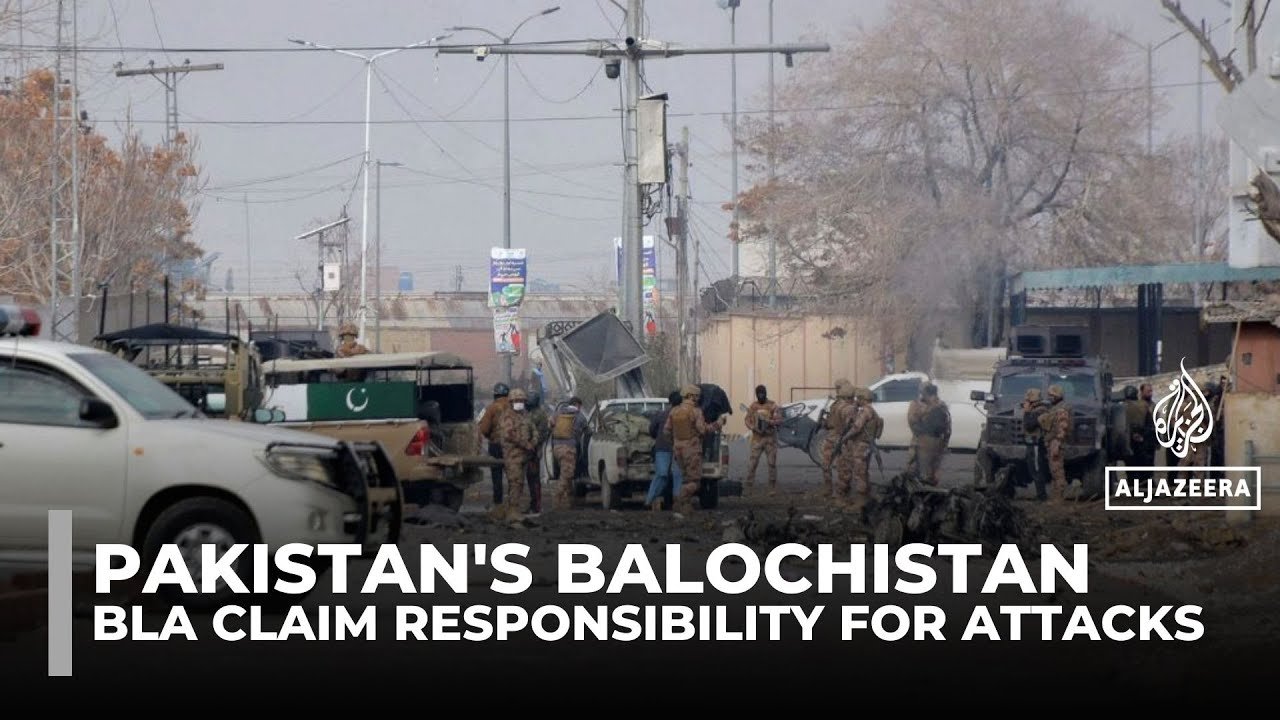
On January 31, 2026, the BLA launched synchronized attacks across at least nine districts, including Quetta, Gwadar, Mastung and Nushki. The militants targeted security installations, police stations, schools, hospitals, banks and a high-security prison, marking one of the most extensive insurgent operations in the province in years.
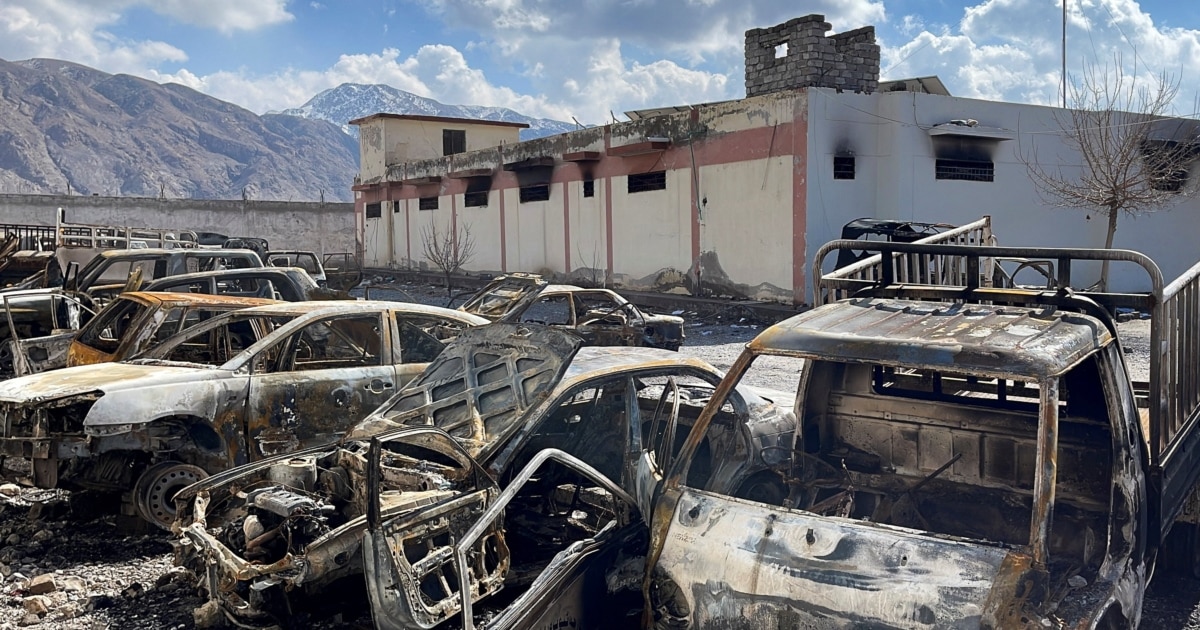
The fighting was especially intense in Nushki, where BLA fighters briefly held parts of the town for three days before being pushed out by the military using drones and helicopters. In Quetta, gunmen attacked several police stations and reportedly came within about a kilometer of the provincial chief minister’s office. In Mastung, an attack on a prison enabled at least 30 inmates to escape.
The Pakistani government said the initial attacks killed 31 civilians and 17 security personnel. The BLA also circulated videos showing female suicide bombers taking part in the operation, underscoring a tactical shift in the group’s methods.
Infrastructure hit
The attacks disrupted both government and civilian infrastructure across the province. Militants struck police stations, paramilitary bases and administrative offices, and in Nushki they reportedly seized six government offices and burned multiple buildings during the three-day battle.
Transport networks were also affected. Rail services were suspended across the province for five days after explosives were found on tracks in Nasirabad, while major highways were blocked and part of a road in Nushki was damaged by blasts. Mobile data and internet services were also suspended in Quetta and other districts as authorities tried to manage the security fallout.
Other targets included schools, hospitals, markets and the high-security prison in Mastung, where inmates escaped during the chaos.
Military response
Pakistan’s armed forces responded with a week-long counterterrorism campaign, dubbed Operation Radd-ul-Fitna-1, which ended on February 5, 2026. The military said it killed 216 militants and arrested at least 100 suspects.
Different reports put the total death toll from the week of violence at more than 270 people, including 36 civilians and 22 security personnel. Authorities also imposed Section 144 across the province for one month, banning public gatherings and tinted windows, while keeping mobile data and internet restricted in several districts.
Women in conflict
The 2026 Balochistan conflict also highlighted the increasingly visible role of women on both sides of the province’s political and security struggles. The BLA has increasingly used women in its elite Majeed Brigade as fidayeen, or suicide attackers, in what analysts say is a major shift from conventional guerrilla tactics to high-profile suicide missions.
Among the women identified in reporting were Asifa Mengal, 24, who was said to have carried out a vehicle-borne suicide attack on the ISI headquarters in Nushki, and Hawa Baloch, 24, who was reported to have fought in direct combat at the Gwadar front before being killed. Reports said 11 of the 18 BLA fighters killed in the initial 40-hour offensive were women.
Analysts say the use of women can help militants slip through checkpoints more easily and also serves a propaganda purpose, aimed at shaming men into joining the insurgency.
At the same time, women have played a leading role in peaceful resistance. The Baloch Yakjehti Committee, led primarily by women, has organized marches and sit-ins across Pakistan calling for human rights and an end to enforced disappearances. Prominent figures such as Dr. Mahrang Baloch and Sammi Deen Baloch have become leading voices in that movement, though both have faced arrest and state pressure.
Economic fallout
The violence has also deepened Pakistan’s economic challenges. Foreign direct investment fell sharply in the first half of fiscal year 2026, dropping nearly 43 percent to $808million from $1.425billion a year earlier.
Security concerns around China-Pakistan Economic Corridor projects have intensified, especially at Gwadar Port and around mining sites linked to Chinese investment. Meanwhile, tension and border closures with Afghanistan and Iran have disrupted trade routes critical to energy, food and consumer goods.
International response
The attacks drew strong condemnation from the United Nations Security Council and from governments including the US, China, France and Turkey. Pakistani officials, including Chief Minister Sarfraz Bugti, accused India of backing the BLA, a claim India rejected as baseless.

Read also:
Pakistan declares ‘open war’ with Aghanistan