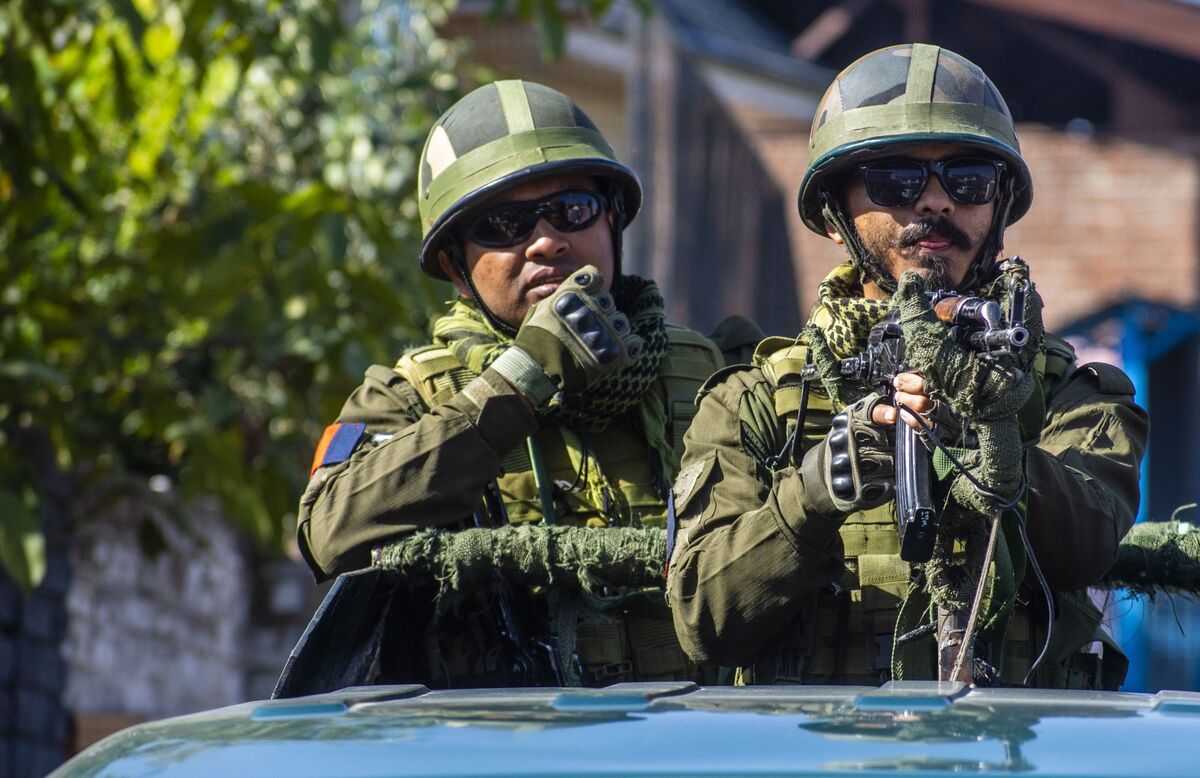
Pahalgam attack kills 26 civilians, triggers India-Pakistan crisis

Jump to Timeline

The 2025 Pahalgam attack on 22 April left 26 civilians dead after armed militants stormed the Baisaran Valley meadow near Pahalgam, in the deadliest attack on civilians in India since the 2008 Mumbai attacks.

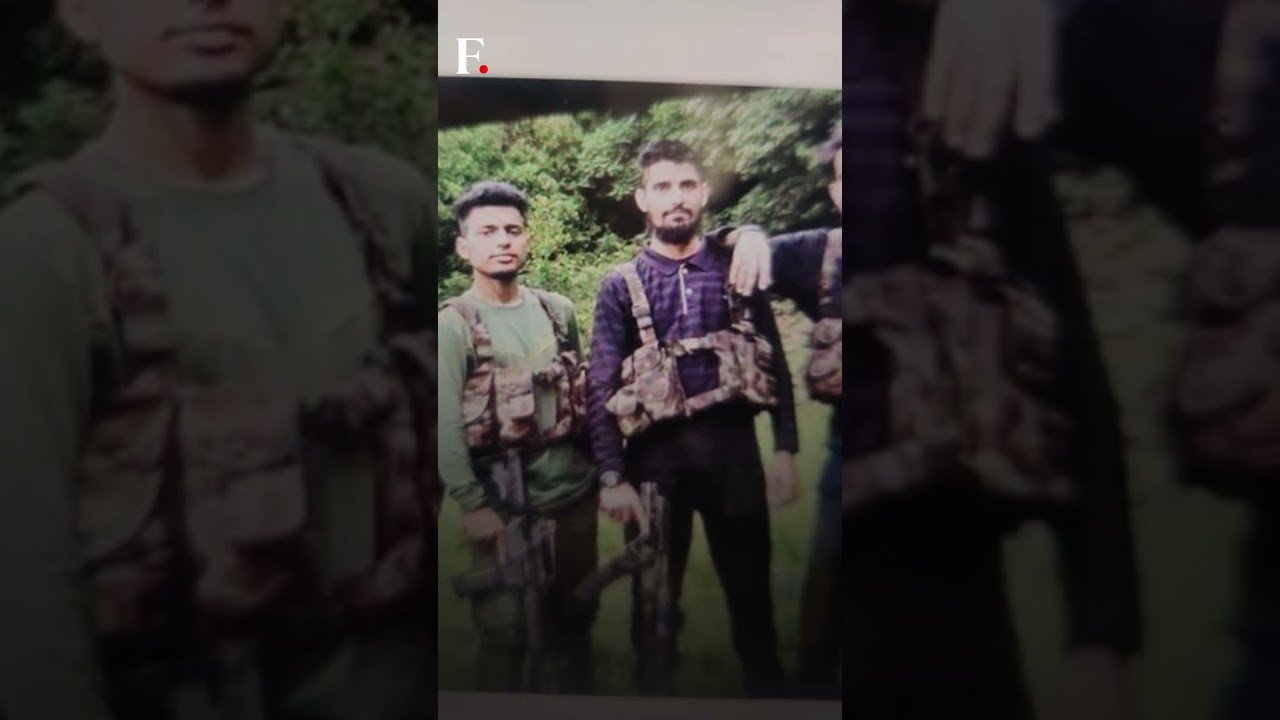
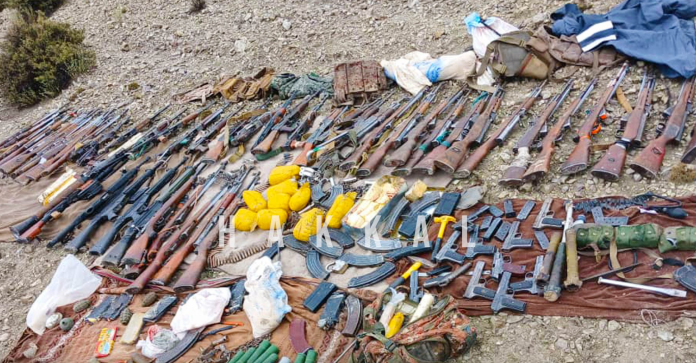
The assault was carried out by a group of armed militants who opened fire on tourists at the popular scenic site near Pahalgam. Witnesses and investigators said the attackers wore military-style uniforms and used automatic weapons, including M4 carbines and AK-47s. Victims were reportedly segregated by religion, with Hindu men singled out for execution-style killings. Some were allegedly asked to recite Islamic verses to prove their faith before being shot.

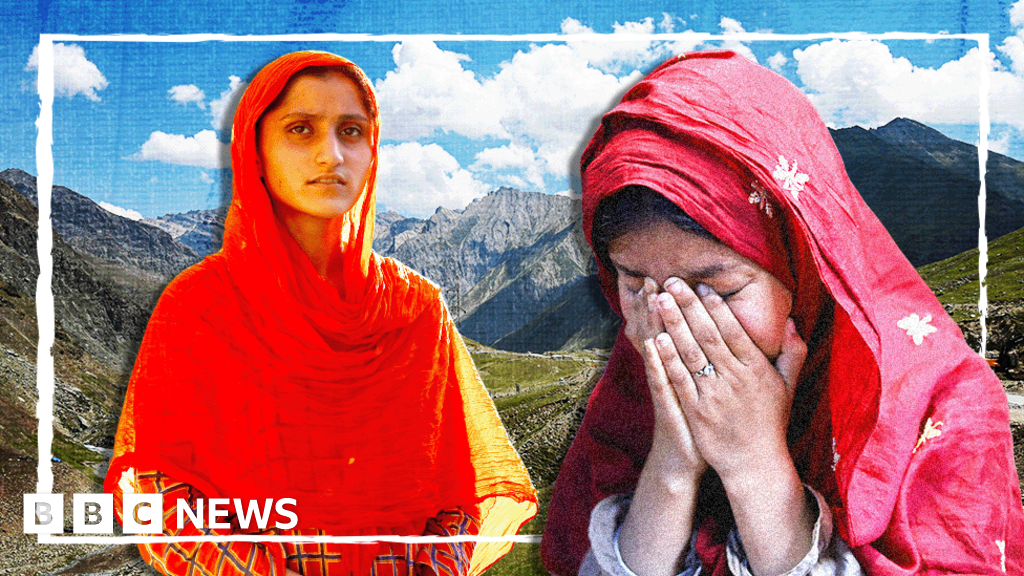
Among the dead were 25 tourists, mostly Indian citizens and one Nepali national, as well as one local Muslim pony handler who reportedly died while trying to protect visitors.

Who was responsible

The Resistance Front, a proxy of Pakistan-based Lashkar-e-Taiba, initially claimed responsibility before later retracting it. Indian investigators later identified Sajad Ahmad Sheikh, also known as Sajad Gul, as the mastermind, along with South Kashmir LeT operations chief Sajid Saifullah Jatt. In December 2025, India’s National Investigation Agency filed a 1,597-page chargesheet naming six people in the conspiracy and tracing the plot back to Pakistan-based operatives.

What happened next

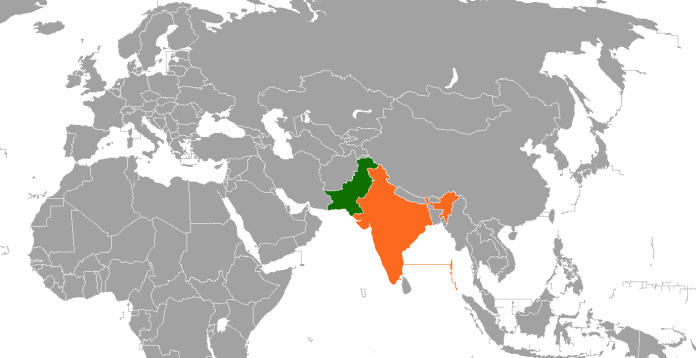
The attack triggered a sharp diplomatic and military crisis between India and Pakistan. India suspended the Indus Waters Treaty for the first time since 1960, expelled Pakistani diplomats and closed borders. Pakistan retaliated by suspending the 1972 Simla Agreement.

India launched Operation Sindoor on 7 May 2025, striking nine alleged terrorist infrastructure sites in Pakistan and Pakistan-administered Kashmir. Pakistan responded with Operation Bunyan-um-Marsoos, targeting Indian military bases. The conflict quickly escalated into heavy missile and drone exchanges and was described as the first drone war between the two nuclear-armed neighbours.

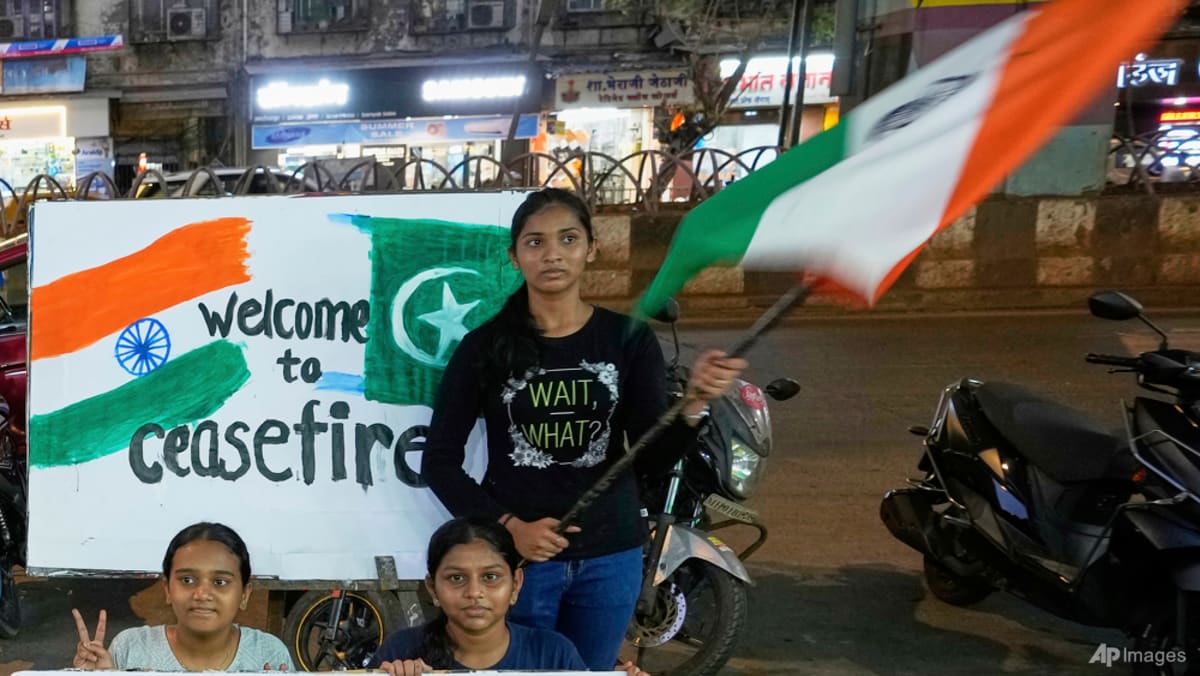
A fragile ceasefire was announced on 10 May 2025 after reported mediation by the United States and other international actors. Indian security forces later carried out Operation Mahadev on 28 July 2025, saying they had killed three of the main attackers.

Broader implications

youtube placeholder image

Read more: India-Pakistan’s “100-hour War” in 2025
Key widely reported facts from verified sources including Reuters, Al Jazeera, BBC, The Hindu, Hindustan Times, The Indian Express, Pakistan Today

2026 Balochistan attacks

In early 2026, Pakistan’s largest province by area, Balochistan, experienced a large-scale, coordinated offensive by the Balochistan Liberation Army (BLA).
Read more

India and Pakistan fight 100-hour war after Pahalgam attack

In 2025, India and Pakistan engaged in their most intense military confrontation in decades, a four-day conflict from 7–10 May 2025 known as the Four-Day Conflict or the 100-Hour War.
Read more
Historical Timeline

Aug 1947: British India is partitioned into two independent nations, India and Pakistan. The princely state of Kashmir initially remains independent.

Oct 1947: Pakistan-backed tribal militias invade Kashmir. The Maharaja of Kashmir, Hari Singh, signs the Instrument of Accession, agreeing to join India in exchange for military assistance, thus starting the First India-Pakistan War.

Jan 1, 1949: A UN-sponsored ceasefire comes into effect, establishing the Ceasefire Line (later the Line of Control, or LoC), which divides the disputed region.

1965: The Second India-Pakistan War is fought over Kashmir

1971: The Third India-Pakistan War (Bangladesh Liberation War) leads to the creation of an independent Bangladesh from East Pakistan.

Jul 1972: The Simla Agreement is signed, with both nations agreeing to settle disputes peacefully and bilaterally, and renaming the ceasefire line the Line of Control (LoC).

May 1998: Both India and Pakistan conduct a series of nuclear weapons tests, officially becoming nuclear powers and raising the stakes of any future conflict.

May-Jul 1999: The Kargil War occurs after Pakistani troops infiltrate Indian-administered Kashmir. India regains control after intense fighting and international diplomatic pressure on Pakistan to withdraw.

Dec 13, 2001: Militants attack the Indian Parliament building, triggering a year-long military standoff along the border.

Feb 14, 2019: A suicide bombing in Pulwama, Indian-administered Kashmir, kills 40 Indian paramilitary personnel. India responds with airstrikes on alleged terrorist camps in Balakot, Pakistan.

Aug 5, 2019: India revokes the special autonomous status of Jammu and Kashmir, intensifying tensions and leading Pakistan to suspend diplomatic ties and bilateral trade.

Feb 25, 2021: A joint statement is issued by both nations, agreeing to “strict observance” of all ceasefire agreements along the LoC. 

Apr 22, 2025: Militants attack tourists in Pahalgam, Indian-administered Kashmir

Apr 23: India initiates diplomatic and punitive measures, including suspending the Indus Waters Treaty and halting visa services for Pakistani nationals.

May 7: India launches Operation Sindoor and Pakistan responds with Operation Bunyan-um-Marsoos starting the first drone war between the two nations


Opinion & Analysis

You may also be interested in

LEAVE A REPLY

Please enter your comment!
Please enter your name here